Projekt tervezési terület (en)
NewPalace
.
Members of our Faculty attended ICOMOS University Forum Summer School in Bergama
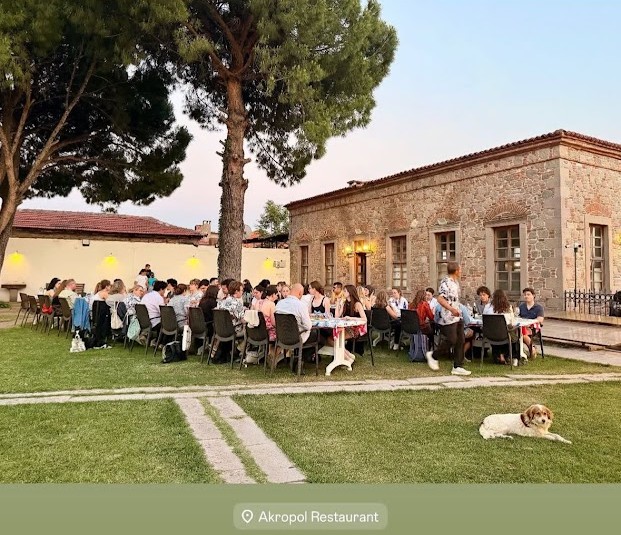
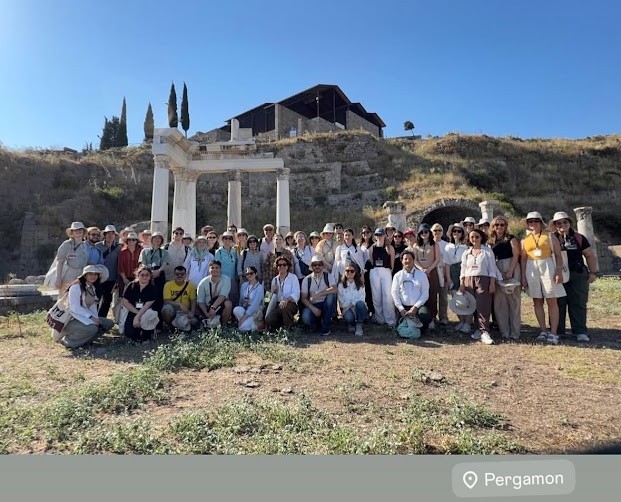
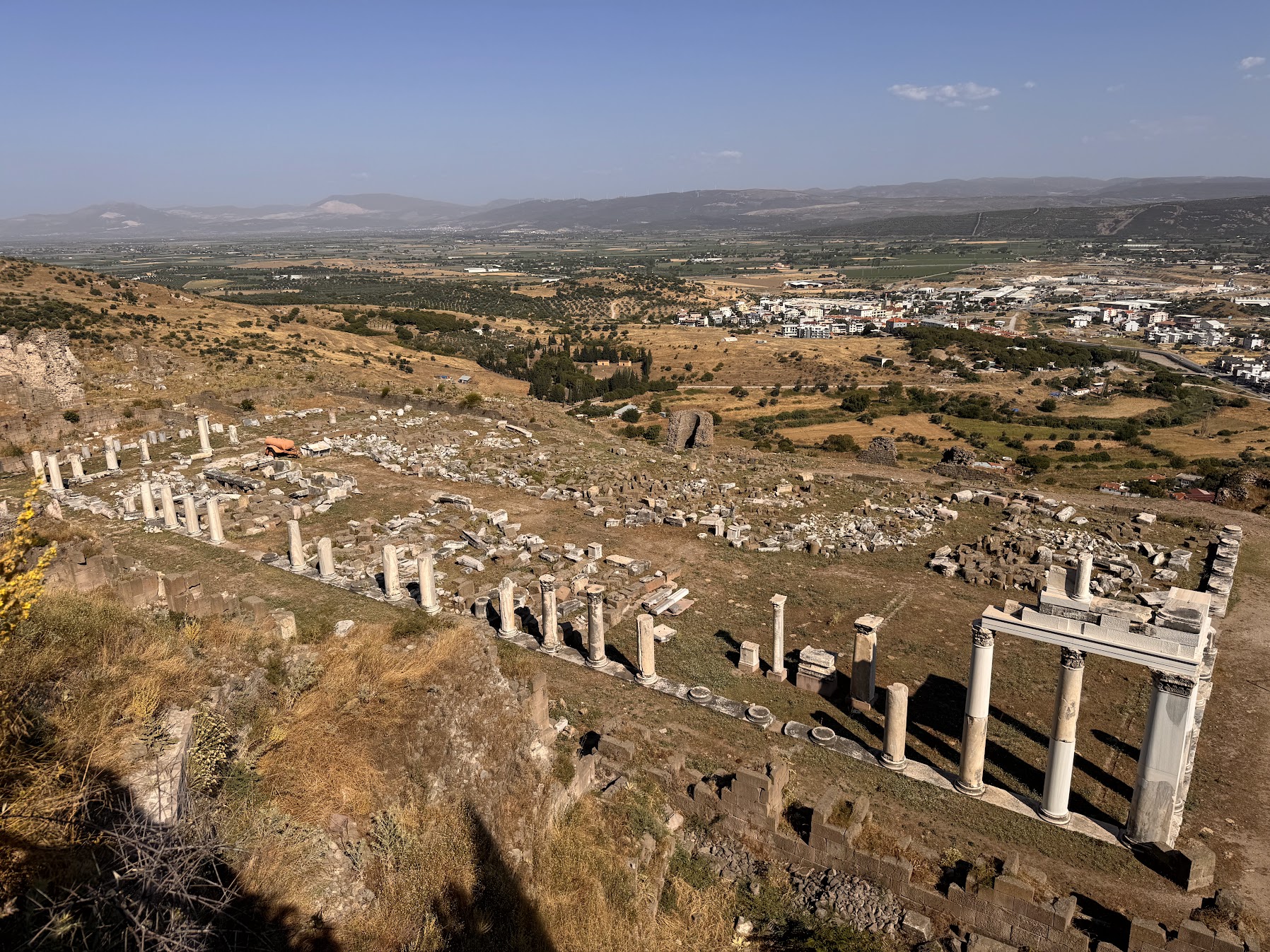
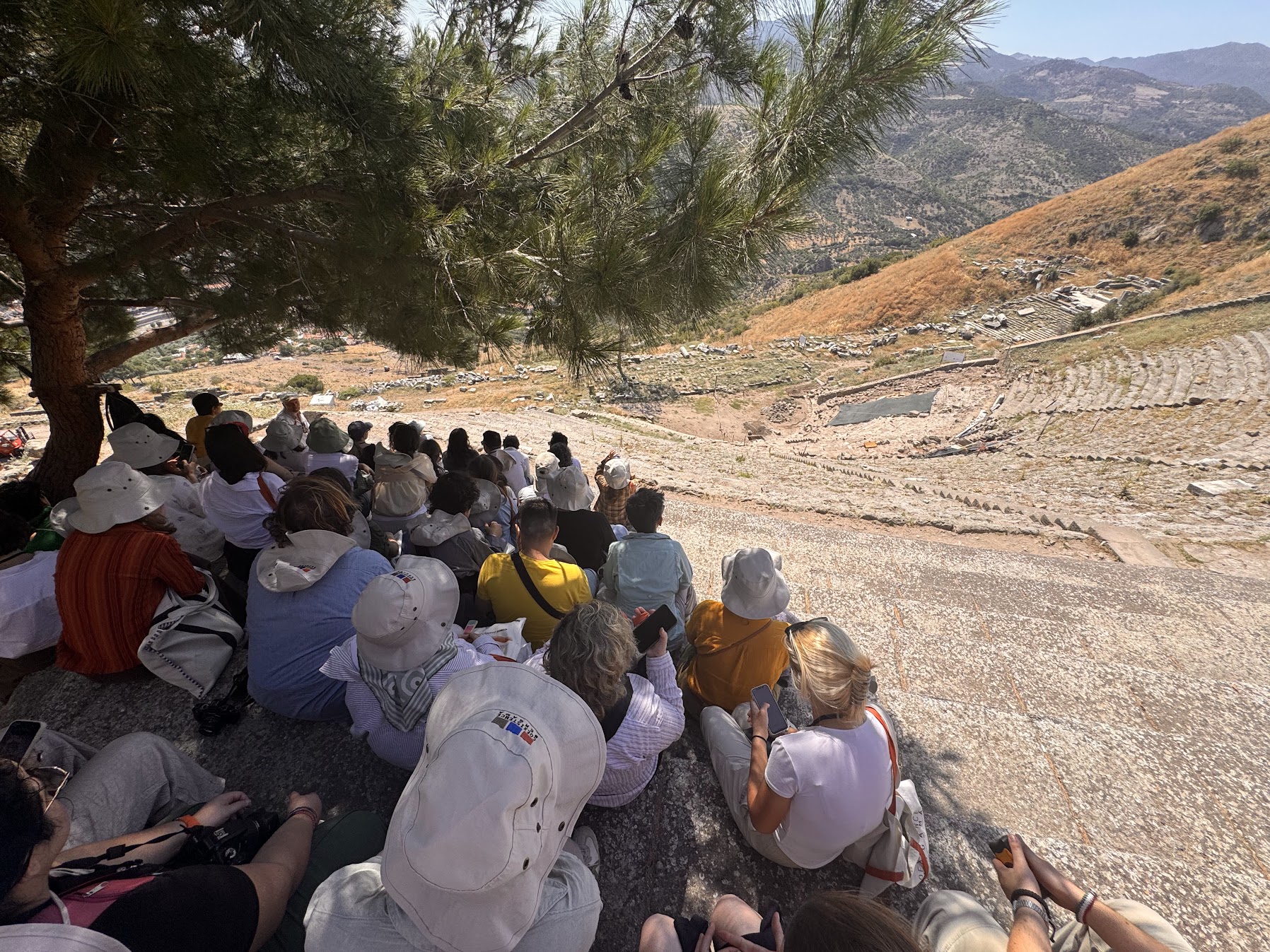
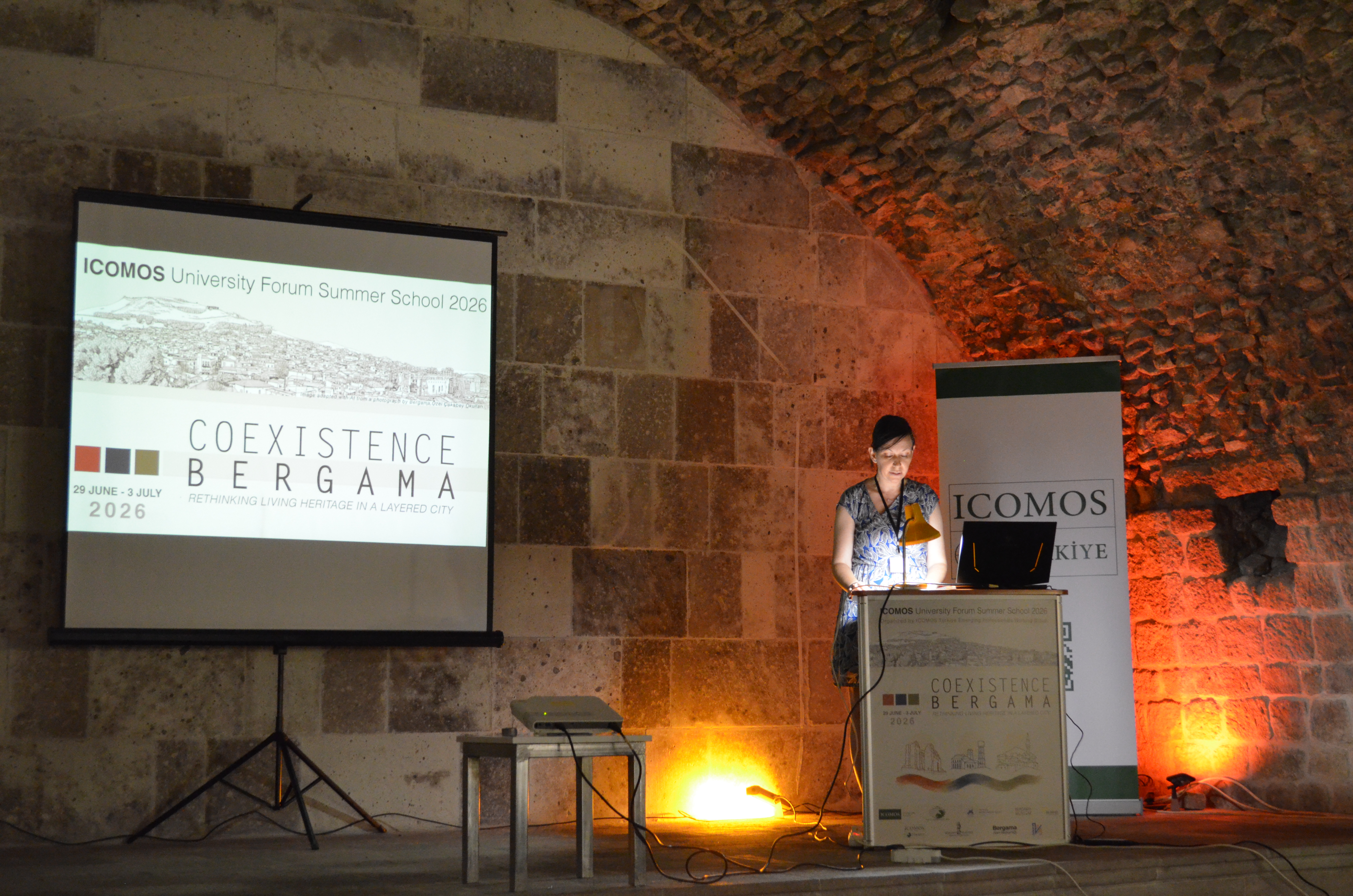
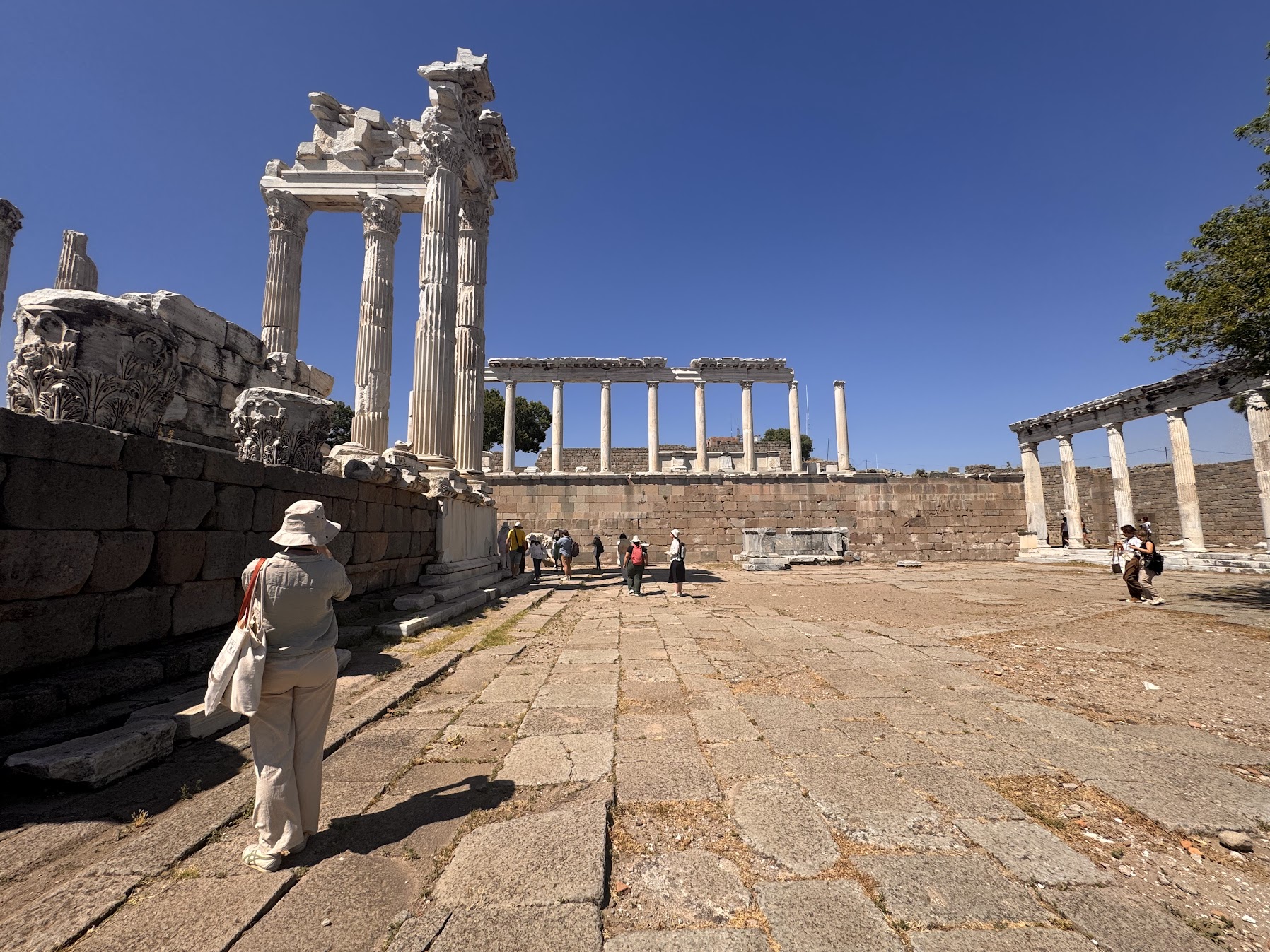
Professors and students of the Ybl Miklós Faculty attended COEXSITENCE IN BERGAMA – ICOMOS University Forum Summer School 2026. The event held in Bergama, Türkiye, was focusing on the theme of coexistence within a multi-layered cultural landscape. The programme combined expert lectures with guided visits to the UNESCO World Heritage Site of Pergamon, where participants explored significant Hellenistic, Roman, Byzantine, Ottoman and modern heritage.
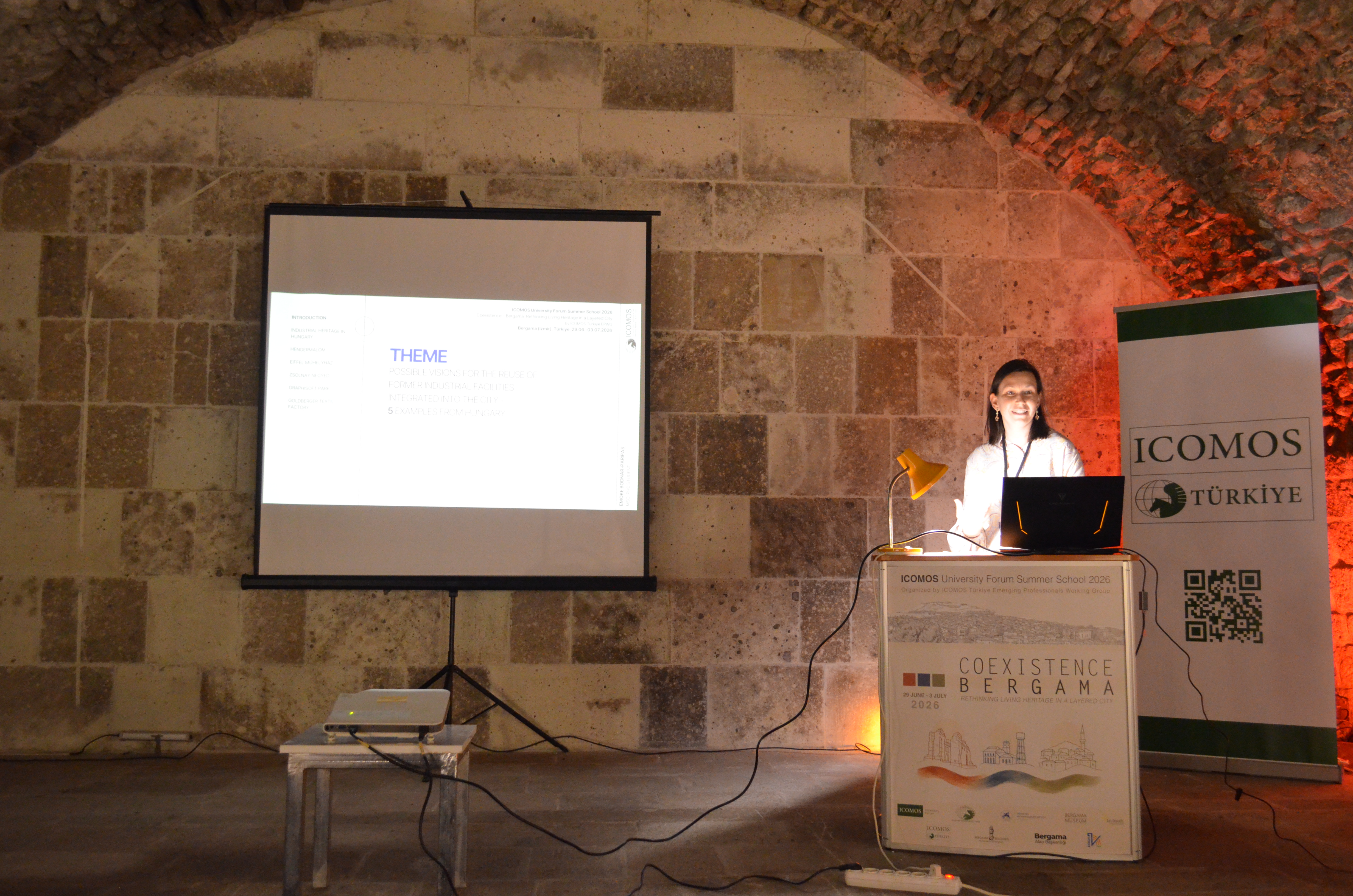
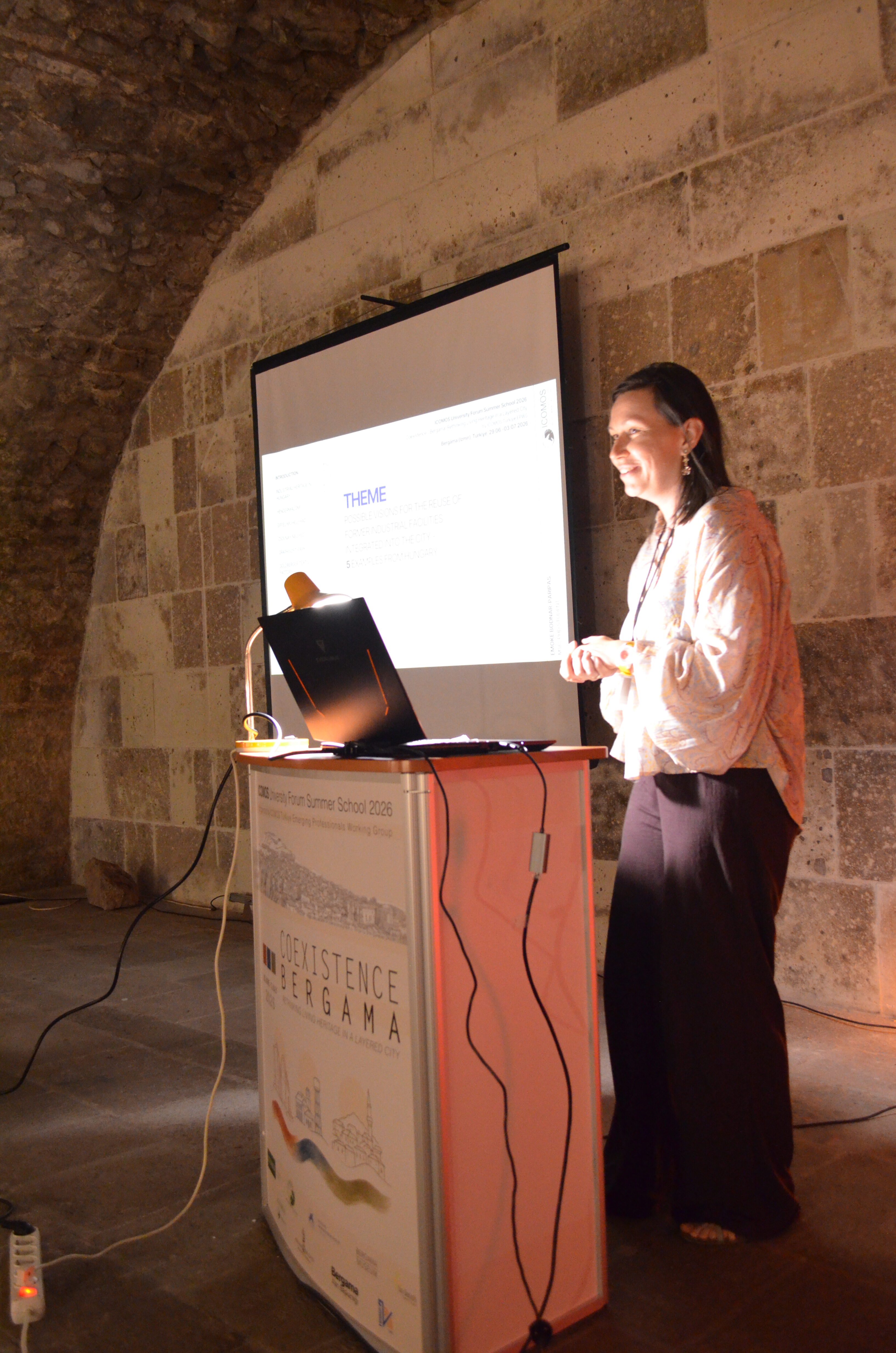
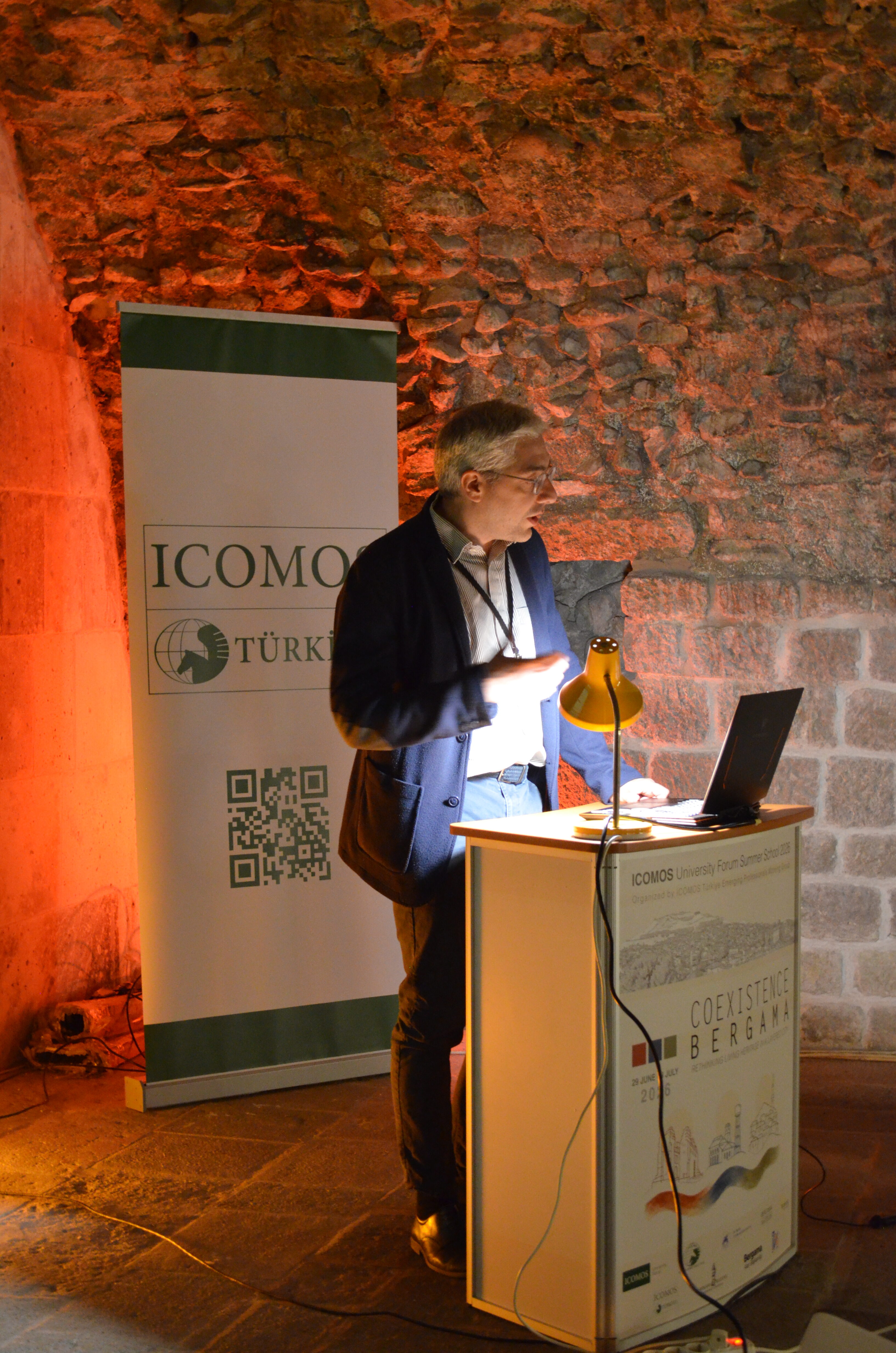
Representing the Faculty, Dr. habil. Gergely Domonkos Nagy, associate professor and vice chair of the Hungarian National Committee of ICOMOS, and Emőke Júlia Bodnár-Paripás, a doctoral candidate, participated in the program as a presenter and mentor, respectively, while Tamás Dósa, from the second-year BSc, participated as a student.
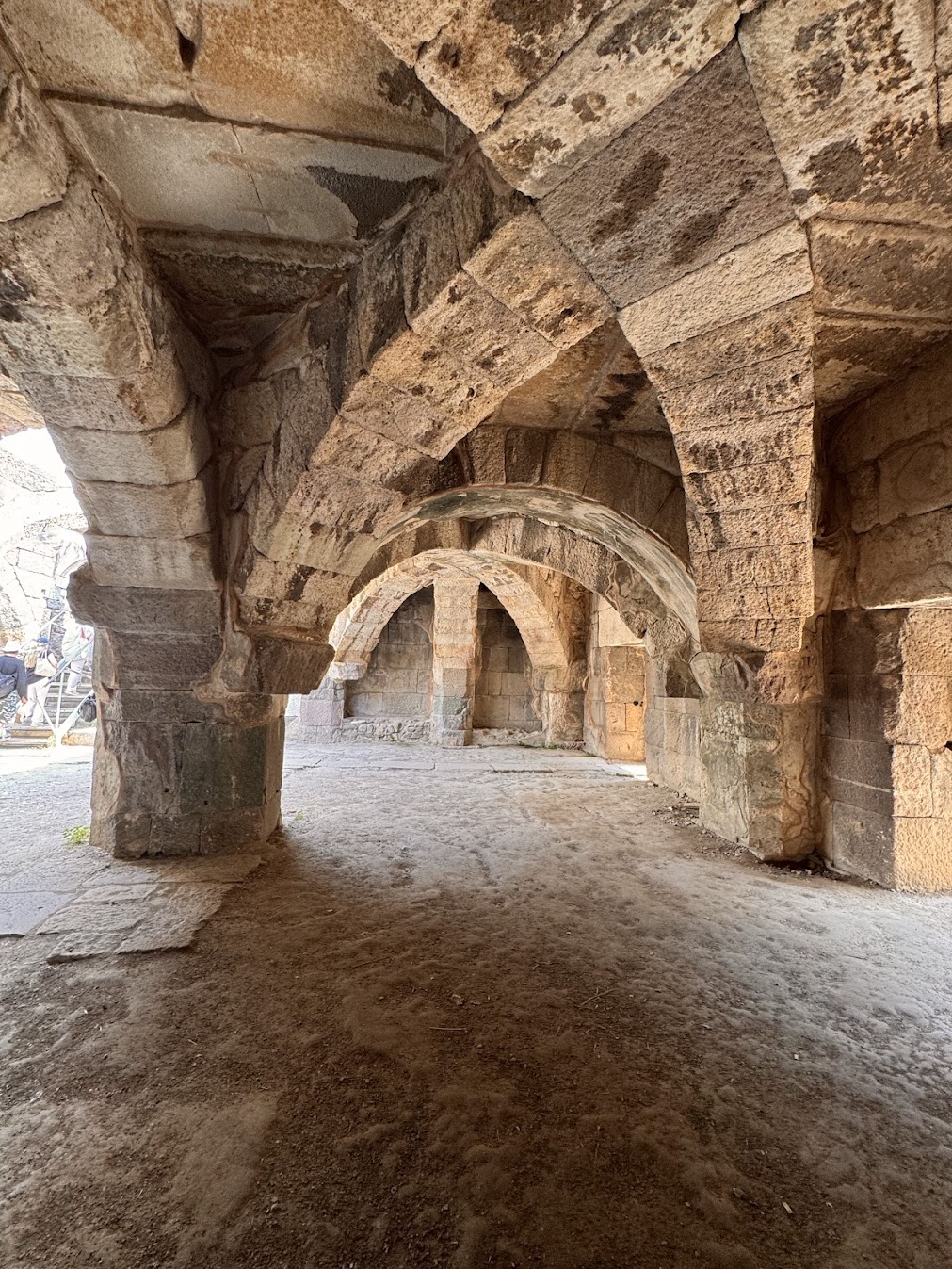
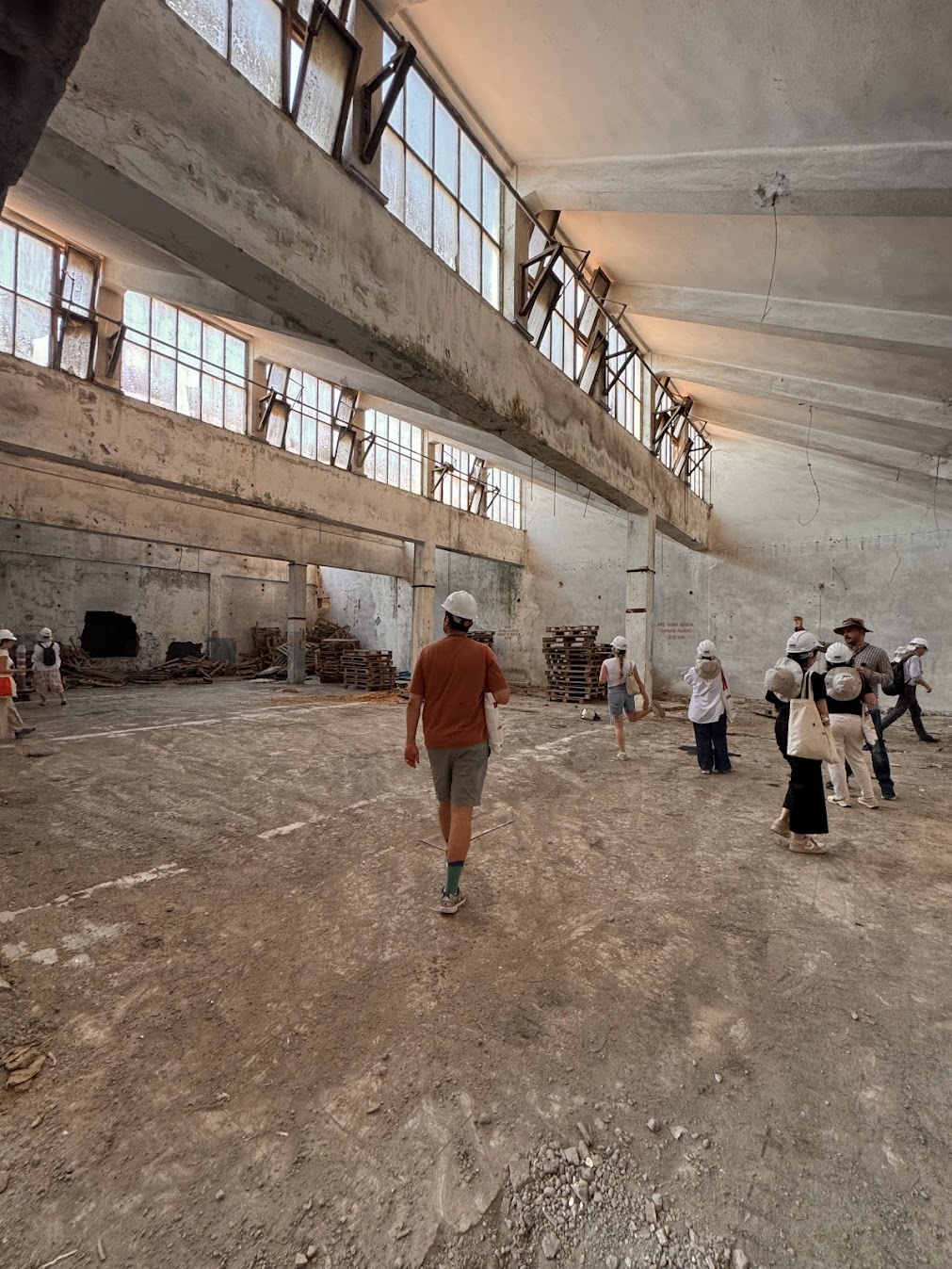
The first day introduced the historical and cultural significance of Bergama through presentations and visits to the Acropolis, including among others the Trajaneum, the Theatre, the House of Attalus, the Gymnasia, the Altar of Zeus and the imposing Red Hall in the lower city. The second day focused on the relationship between historic urban layers and modern development, including examples from Hungary’s (by Gergely Nagy) and Bergama's multi-layered heritage. Participants also examined the former Sümerbank Textile Factory (which is sadly not the part of the UNESCO WH Site) as an important example of twentieth-century industrial heritage and discussed its historical, social and cultural values. Further presentations explored the adaptive reuse of industrial sites and presented successful international examples (from Hungary) of integrating former factories into contemporary urban life (by Emőke Bodnár-Paripás).
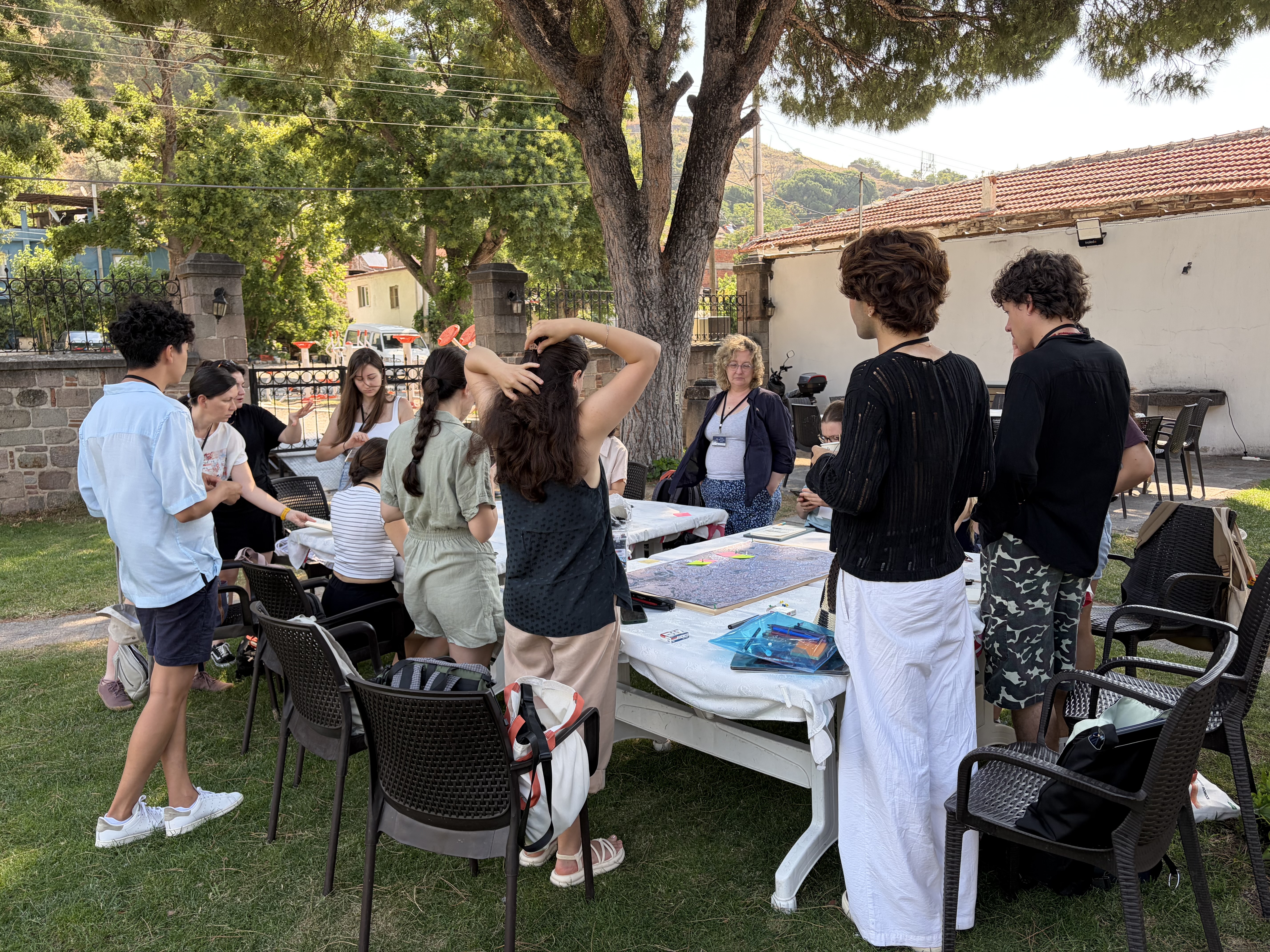
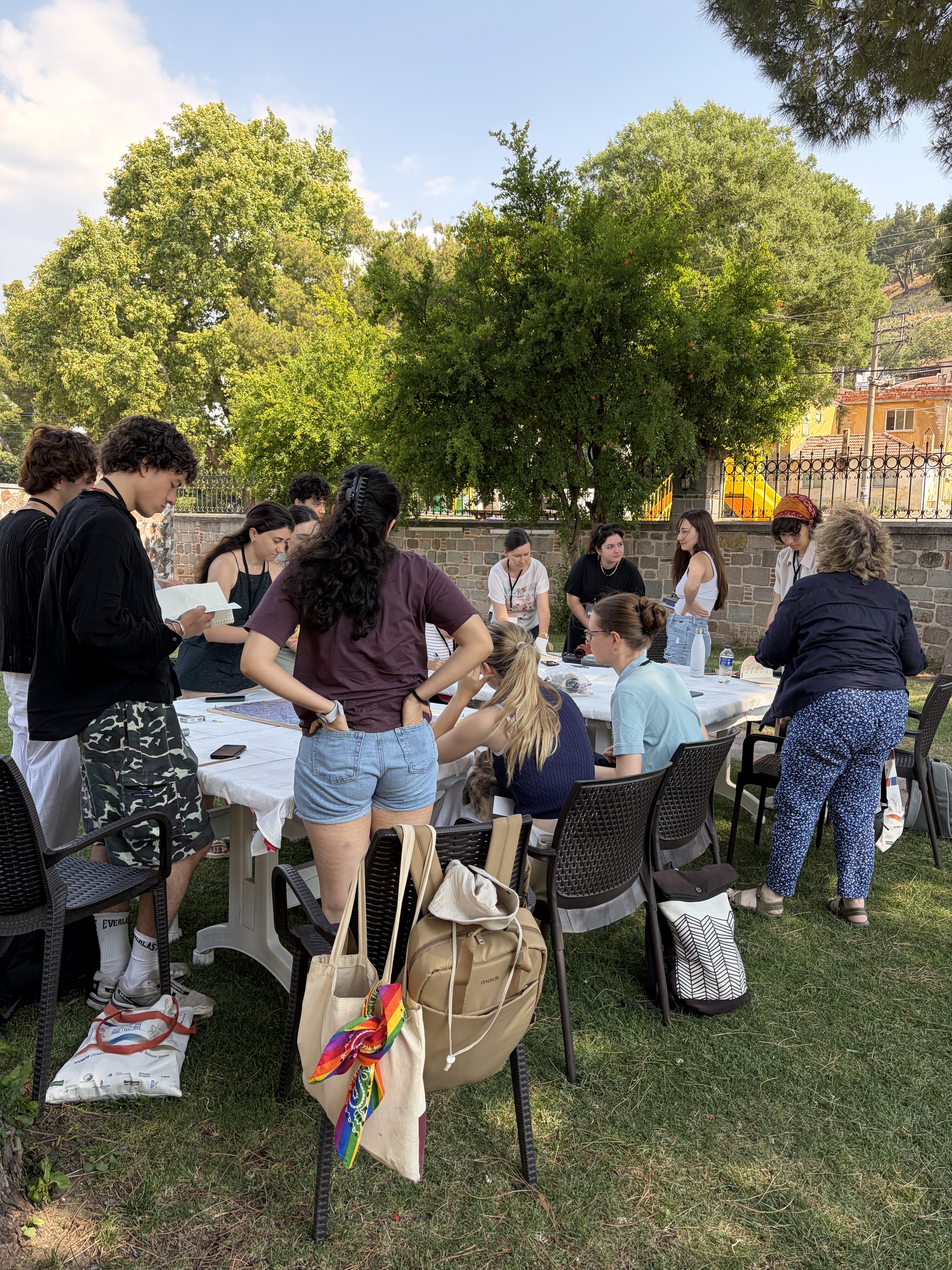
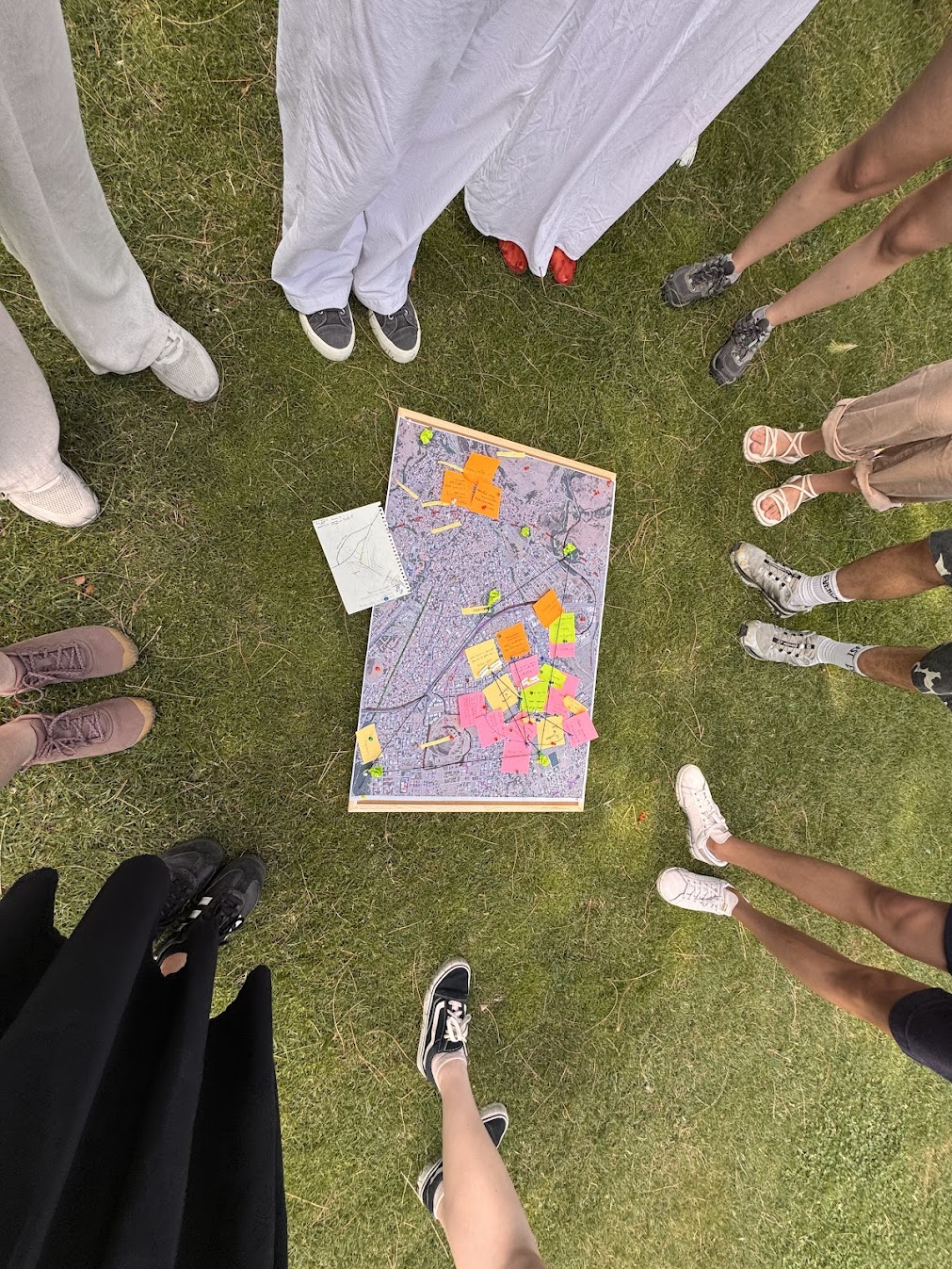
The following days included the workshop sessions. Gergely Nagy was one of the 4 tutors of Theme 1 – Red Hall, Emőke Bodnár-Paripás was one of the 4 tutors of Theme 2 – Sümerbank. On the workshop days of Theme 2 the tutors encouraged participants to analyse the connections between the factory, the city and the World Heritage site while identifying tangible and intangible heritage values. Working in smaller groups, they developed proposals for sustainable reuse strategies that would strengthen cultural, social and urban relationships. These ideas were refined through collaborative discussions, a mid-event roundtable meeting and intensive teamwork leading to final presentations. The public presentations addressed real challenges facing Bergama, including the 3 subthemes addressed by the summer school, such as the urban integrity of the Red Hall and its surroundings, the future of the Sümerbank Former Industrial Site and the narrative of the multi-layered cultural landscape of the city. The themes also generated interest from local decision-makers, including the Mayor of the City.
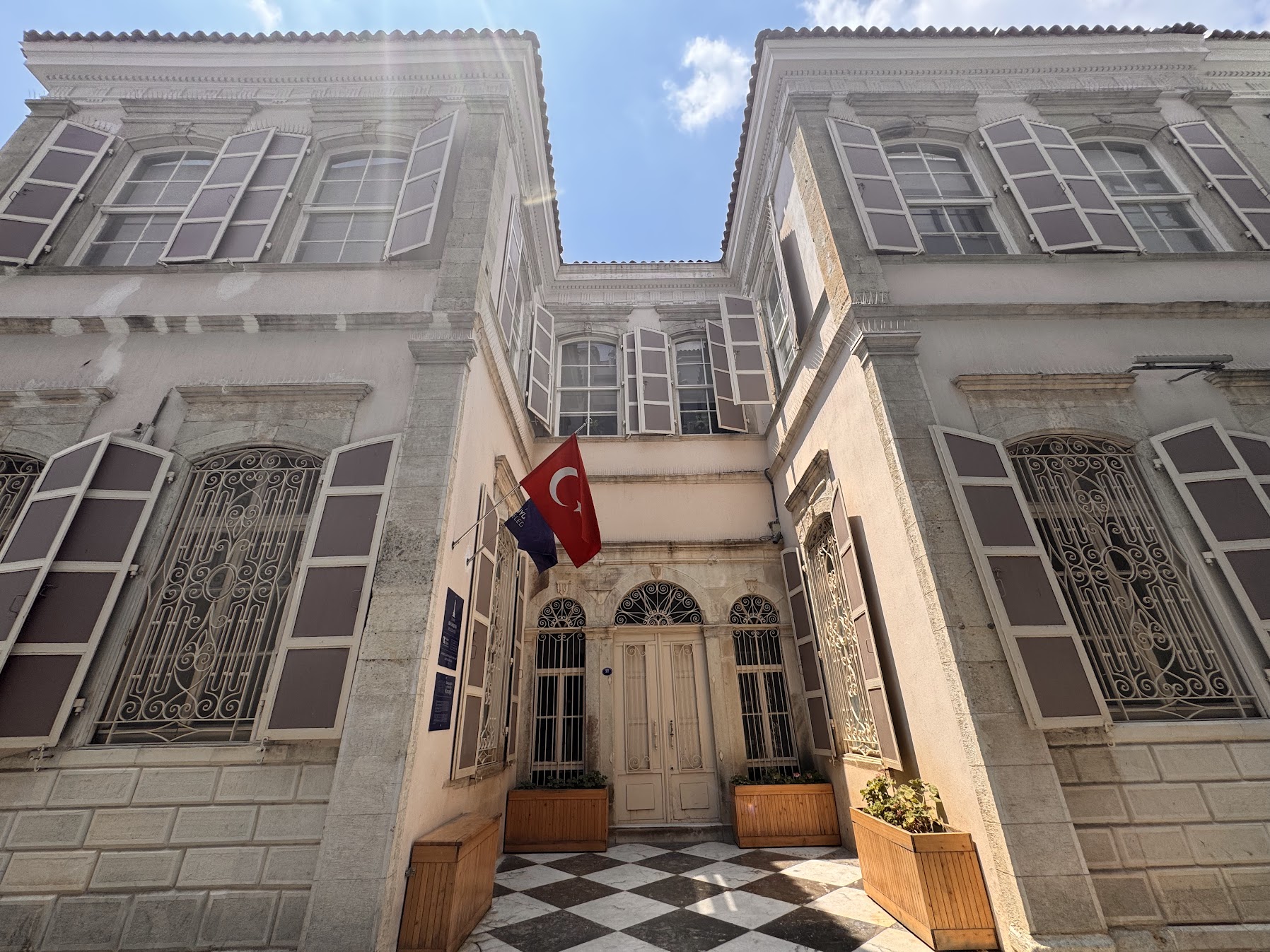
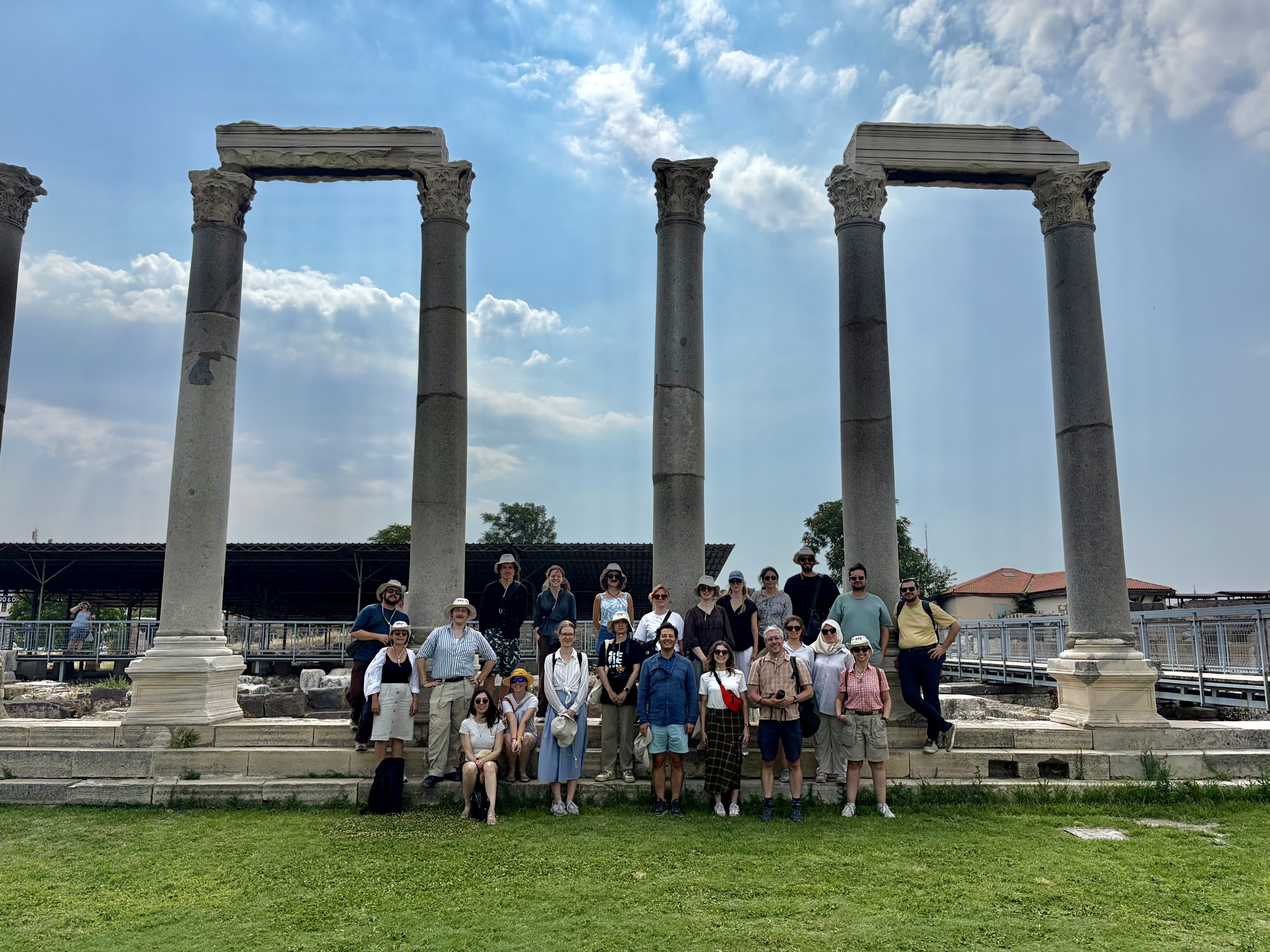
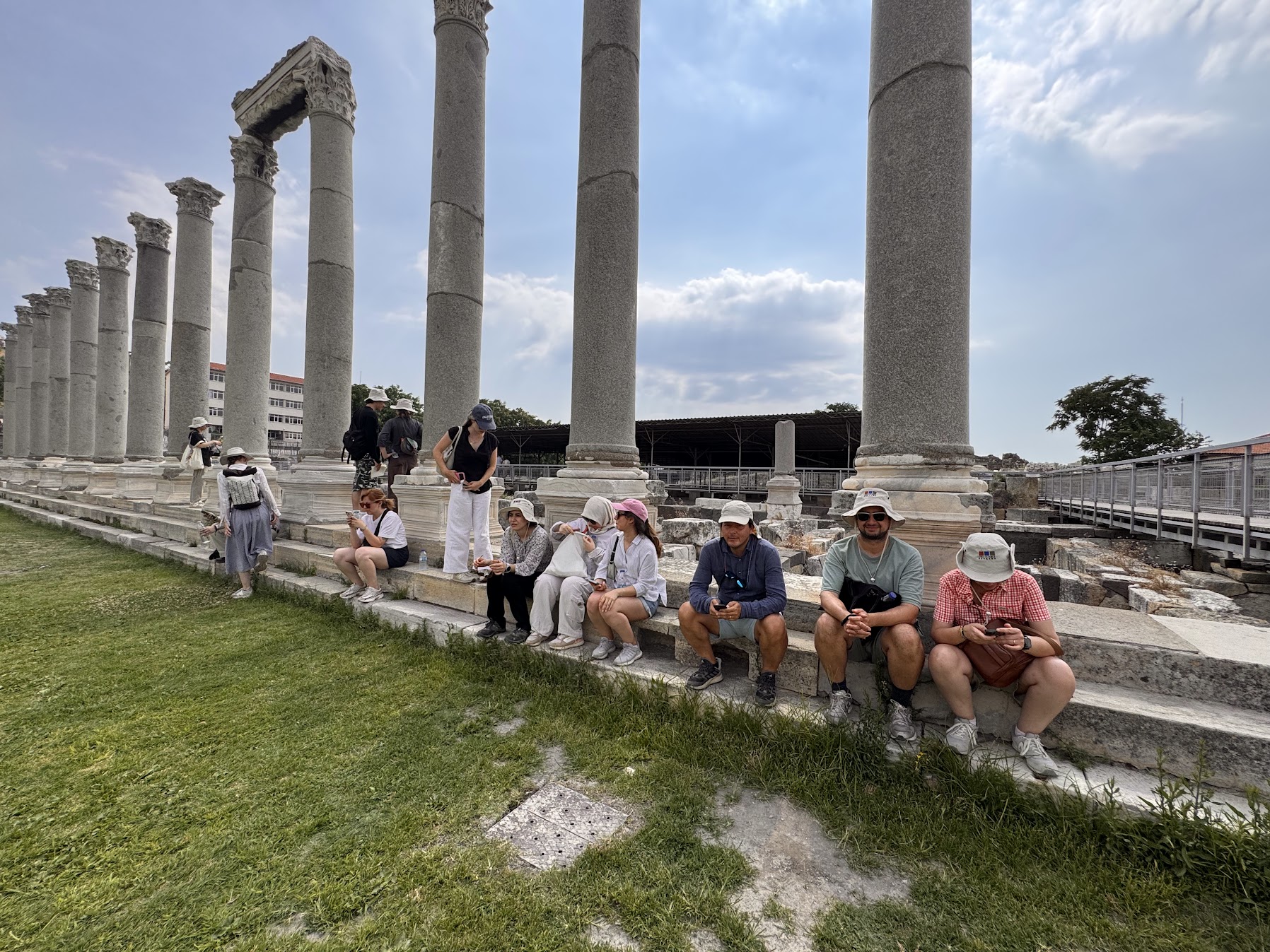
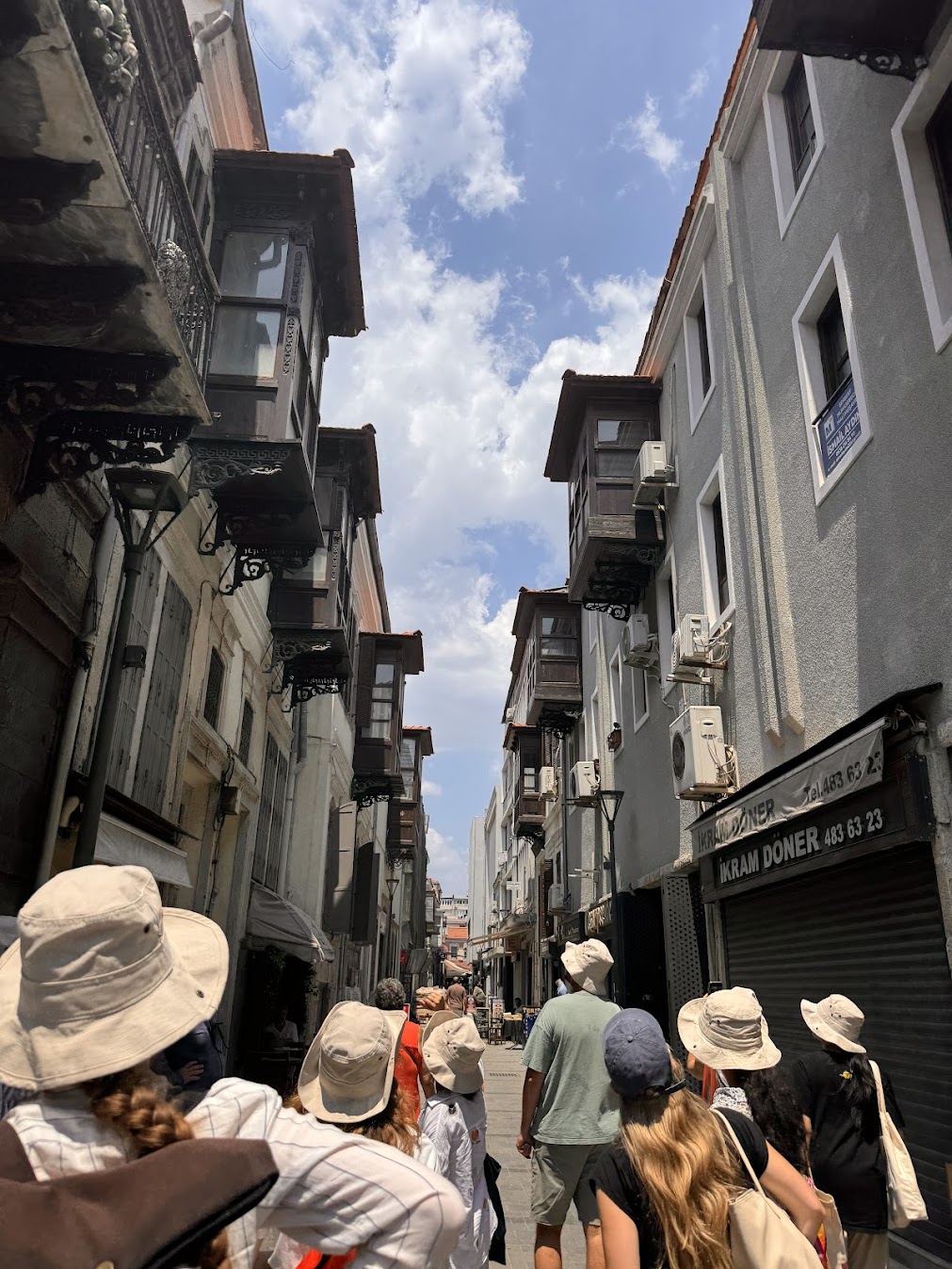
The summer school concluded with a closing ceremony and the presentation of certificates celebrating the participants' collaborative achievements. On the final day an optional study visit to İzmir introduced the city's historic waterfront, the Kemeralti Bazaar and the ancient Agora of Smyrna to the remaining participants, providing additional insight into the preservation of layered urban heritage in the region.
Overall, the programme demonstrated the importance of interdisciplinary and international collaboration, keeping the intangible and tangible heritage together, discussing today’s heritage conservation methods and visions for adaptive reuse with supporting the sustainable future of multi-layered historic cities.