Projekt tervezési terület (en)
NewPalaceScientific Students' Association of Built Rural Heritage (NTDK)
NTDK
50 YEARS in documenting RURAL built HERITAGE
For over fifty years, the Scientific Students' Association of Built Rural Heritage (NTDK) at Óbuda University's Ybl Miklós Faculty of Architecture has documented Hungarian folk architecture through hands-on learning. Its tradition of fieldwork links to the 1970s revival of folk music and dance houses, placing Hungarian survey-and-documentation (NTDK, 1976) and experimental design-build practices (Visegrád Camp, 1981) within a larger cultural renewal. Today, students perform highly accurate hand surveys during two-week nomadic camps, creating detailed documentation at a 1:50 scale, along with traveling exhibitions and published volumes that enhance spatial, analytical, and drawing skills. Looking ahead, a collaborative NTDK–Skanzen project is developing a searchable online archive featuring free-text and parameter-based queries, geolocation, and plot-level analysis. Future plans include expanding into ethnographic, photographic, 3D BIM, and multimedia heritage documentation.
today’s focus points (present) – learning-by-doing type of teaching method
The student society has been researching folk architecture of the Carpathian Basin for over fifty years. The Scientific Students' Association of Built Rural Heritage (further NTDK), at Óbuda University's Ybl Miklós Faculty of Architecture and Civil Engineering, documents these structures—landmarks of our past and present—with engineering precision, understanding architecture and ethnography when needed. This work supports the professional education of architecture students, heritage preservation, and the safeguarding of Hungarian folk culture. Preserving folk architecture is viewed as an essential duty, as each porch, barn, or wine press house reflects centuries of experience. Engineers and students can learn much from these solutions: pre-industrial methods are gaining importance amid climate change and environmental awareness, and surveying these structures offers students a sense of roots and stability amid the rapid pace of modern life.
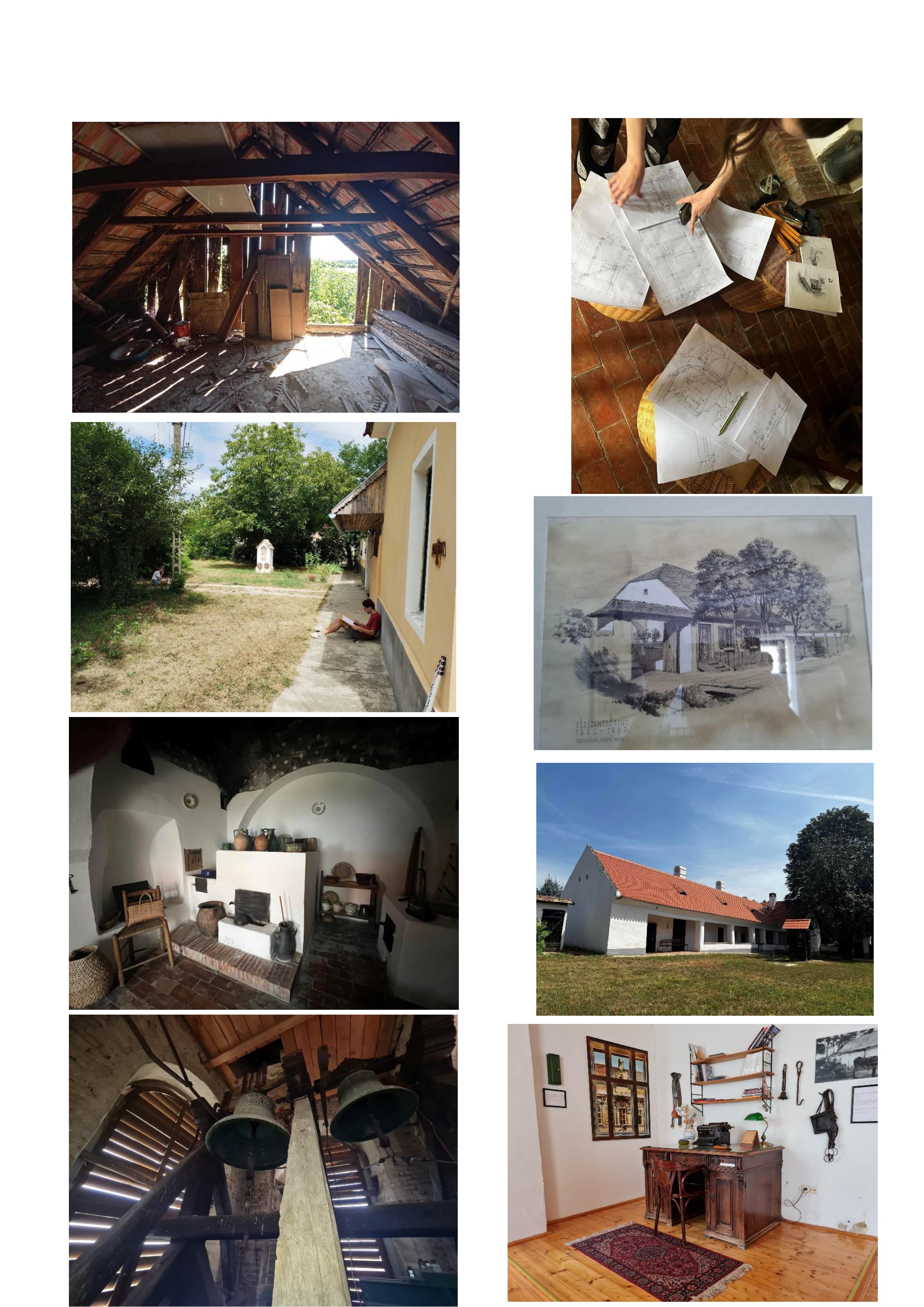
The success of the NTDK depends on collaboration among teachers, students, and the community near heritage sites. Students explore buildings and produce detailed 'manuals' with centimeter accuracy. This process boosts their spatial awareness, thinking, and drawing skills. The camp location is carefully chosen, and for two weeks, the survey team works nomadically, driven by community spirit and routine. Each day features evening group drawing sessions, ending with a closing exhibition and banquet. During the mid-year review, students prepare detailed survey documentation and create display boards for each building, used in a traveling exhibition and a volume. Optional lectures and workshops complement the program. (Badik-Szabó 2025)
Roots of Interest (Past) – INTERNATIONAL AND HUNGARIAN Parallels
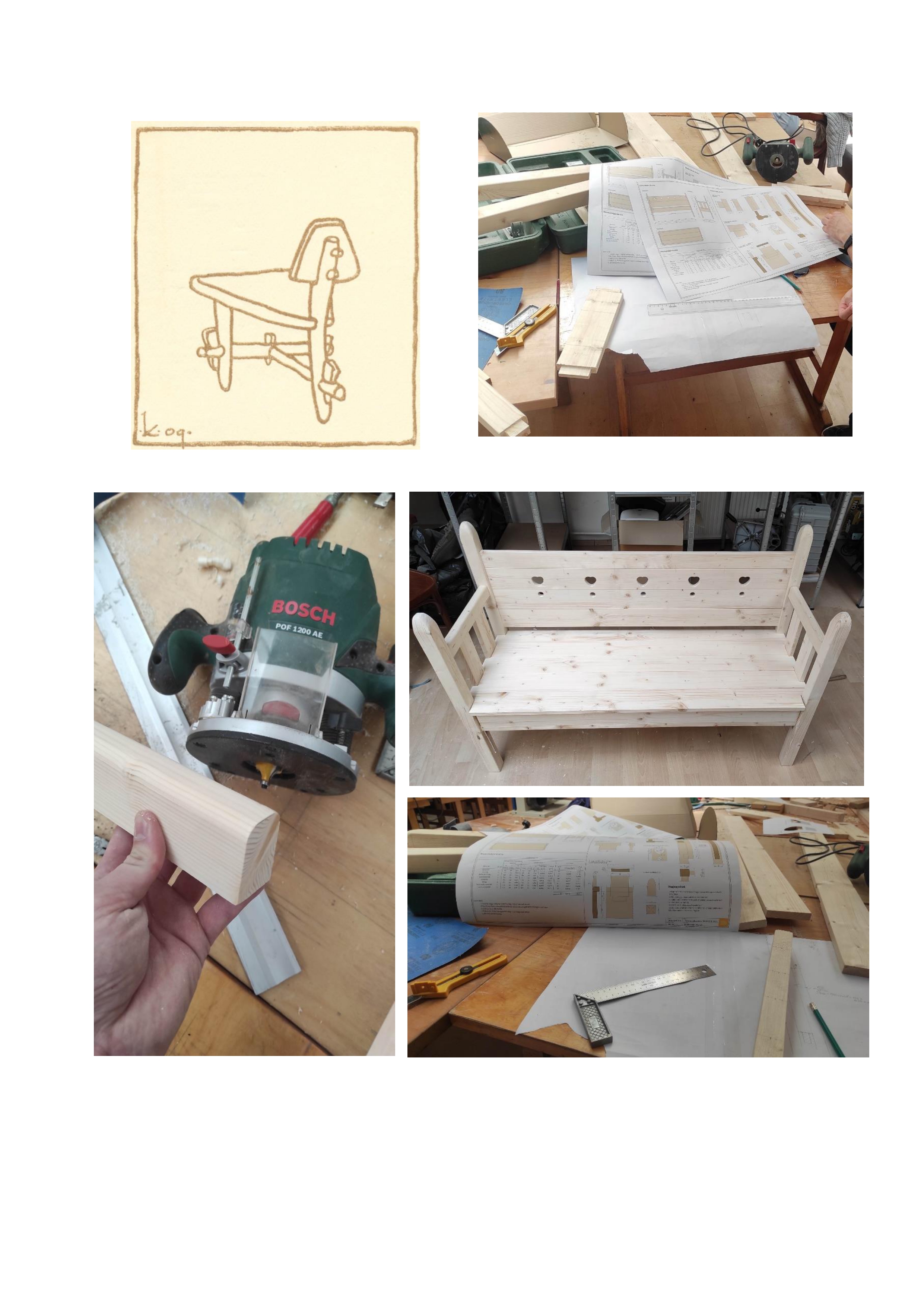
Survey camps focused on documenting folk architecture began as early as 1912 at Ybl’s predecessor institution, led by Ernő Foerk. As a formal continuation of this tradition, the Miklós Ybl Faculty’s NTDK was established in 1976 after nearly five years of fieldwork, aiming to organize survey camps to document the folk architecture of the Carpathian Basin. Today, NTDK maintains the master–apprentice pedagogy: it teaches folk architecture solutions through on-site demonstrations using existing buildings, while students contribute by documenting their predecessors’ work through surveys and drawings. This research and documentation phase was soon complemented by the Visegrád Camp (Salamin, Álmosdi 2002), launched in 1981, which introduced an experimental, self-built design-build approach similar to community-driven dance-house creative camps, inspired in part by Lloyd Kahn’s 1973 book Shelter. The traditions of survey-and-documentation (NTDK) and experimental building (Visegrád), rooted in the dance-house and folk-art movements, collectively highlight that the Hungarian approach to transmitting vernacular knowledge emphasizes practical, on-site training and reflects a broader effort to renew folk culture, rather than relying primarily on individual experts.
lights of Interest (future) — Living traditions and integrated technologies
For 50 years, campers have documented detailed designs of buildings, enriching their understanding of architectural history, ethnography, and construction. Over time, these drawings on tracing paper have become fragile and hard to access for researchers and the public. An online searchable archive, currently being developed, offers a solution. This joint project by the NTDK and the Szentendre Open-Air Ethnographic Museum (Skanzen) aims to provide a modern way to interpret built heritage by making these valuable folk architecture resources available. The platform features a search interface supporting both free-text and multi-criteria, parameter-based queries. It also includes a geolocation module to explore buildings within their spatial and regional contexts. Additionally, users can explore documents by courtyard and plot units, enabling analysis of a courtyard’s development in its broader environment. The project is ongoing, with plans for future expansion to include ethnographic, photographic, and 3D BIM heritage methods, and potential integration of audio and multimedia.