Projekt tervezési terület (en)
NewPalace
.
Union REMPART makes its Hungarian debut: the flagship of an international heritage conservation initiative in Hungary
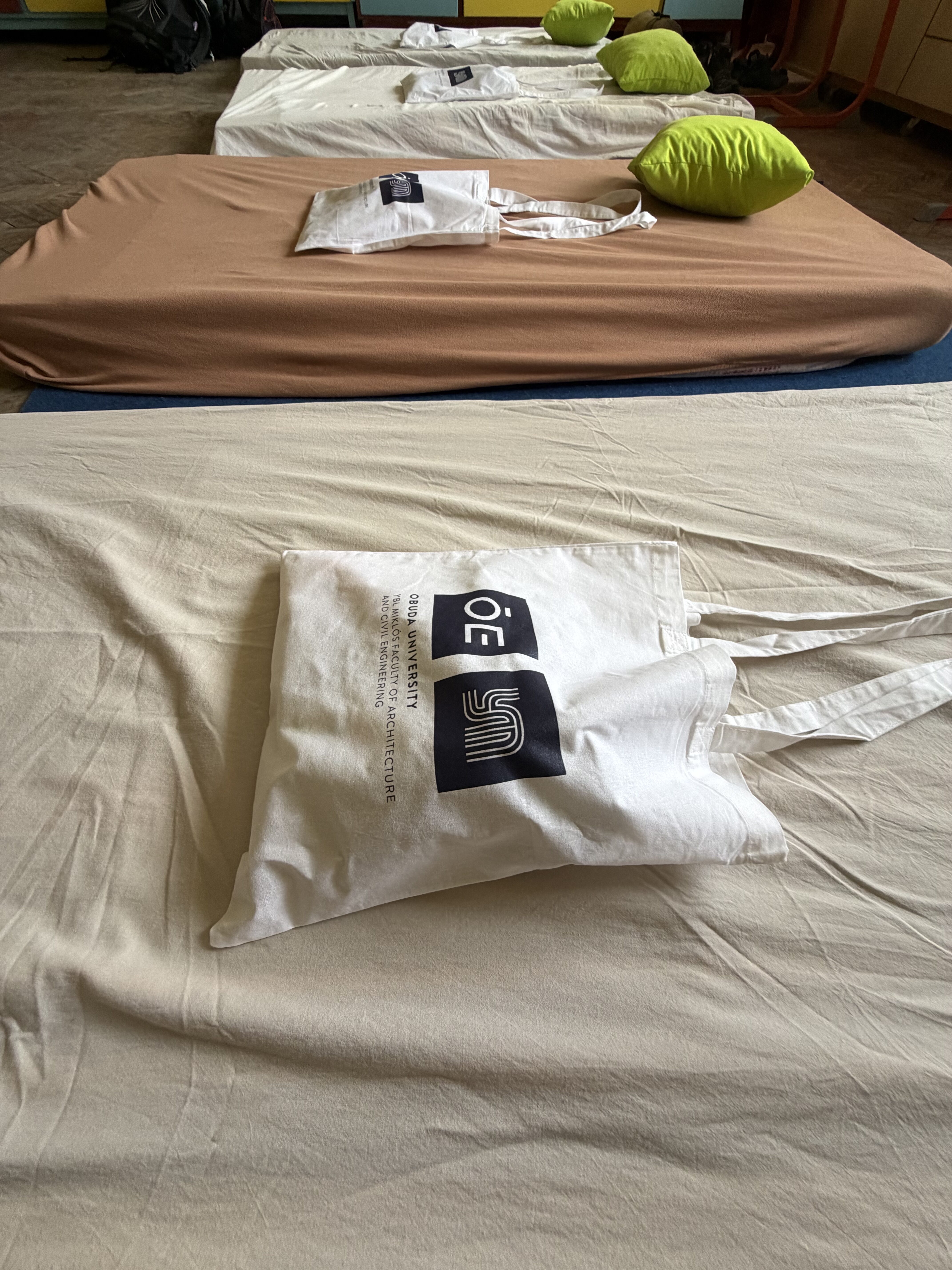
Between July 26 and August 8, 2026, Hungary hosted its inaugural heritage conservation camp inspired by REMPART, organized collaboratively by Óbuda University’s Ybl Miklós Faculty of Architecture and Union REMPART.
Union REMPART, a French organization with a broad international network, has been dedicated since 1966 to protecting heritage—both built and natural—and preserving traditional crafts. Each year, thousands of volunteers work to conserve monuments, aiming to promote social cohesion and cross-cultural sharing of values. The Ybl Faculty has developed a longstanding partnership with REMPART, with students regularly participating in French heritage projects known as chantiers. These camps bring together diverse international groups of all ages and backgrounds, fostering knowledge exchange, practical skills, and shared experiences that enhance heritage preservation and offer valuable learning opportunities.
Building on this collaboration, the flagship Várvölgy project—initiated by Dr. Zsuzsa Fáczányi, Deputy Dean for Research, and lecturer Balázs Váradi—represents a major milestone as Hungary’s first camp based on REMPART’s methodology. It also functions as a pilot for a planned nationwide series of annual heritage conservation camps. Future efforts aim, with support from the Association of the National College of Chief Architects, to annually select an endangered cultural or landscape heritage site, recognized as a local asset, with the involvement of local chief architects. International volunteers and Ybl students would work to preserve, restore, or revitalize these sites. Our long-term goal is to create a tradition that blends university education, practical conservation, traditional ‘low-tech’ trades, and international volunteering.
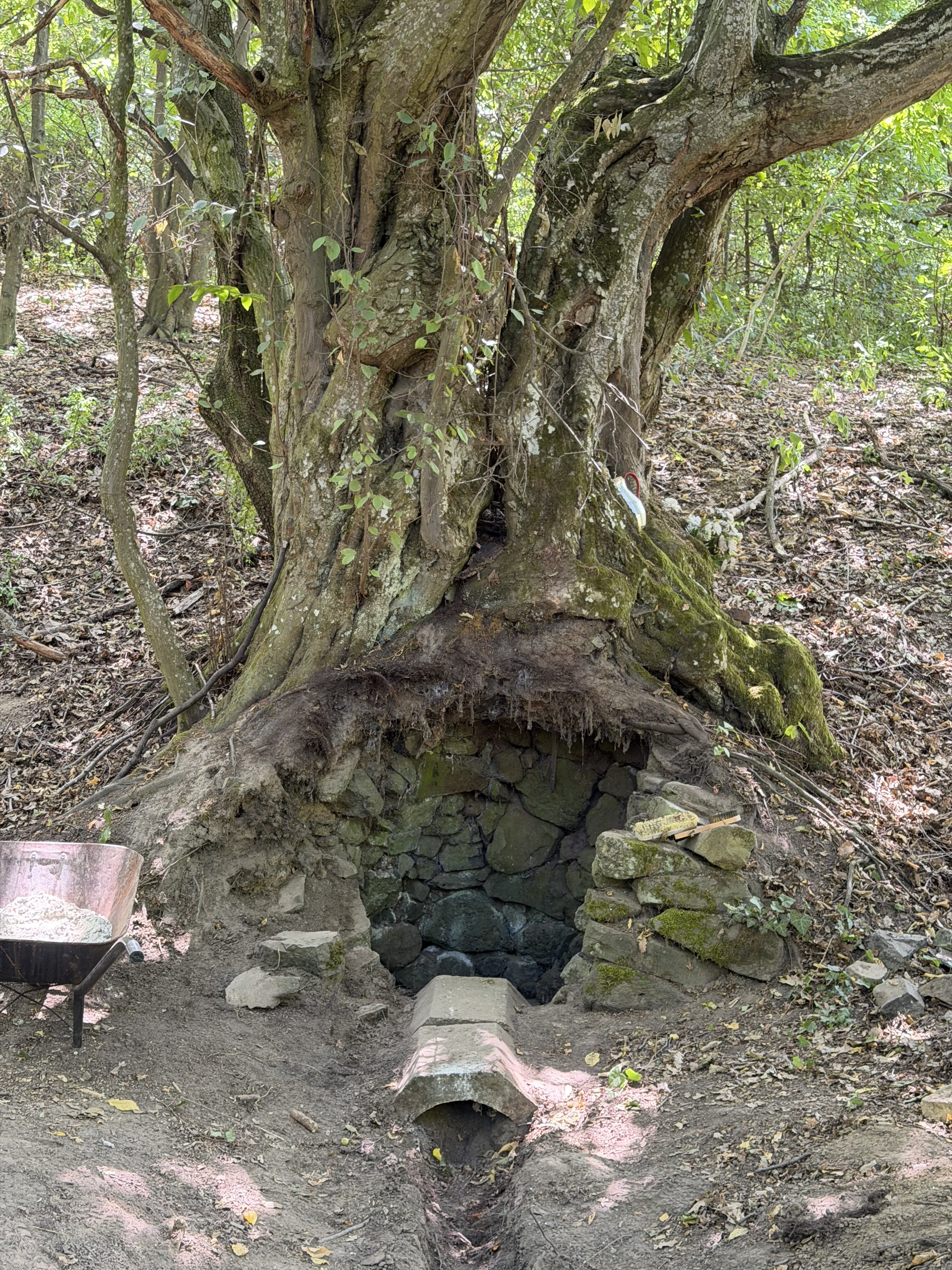
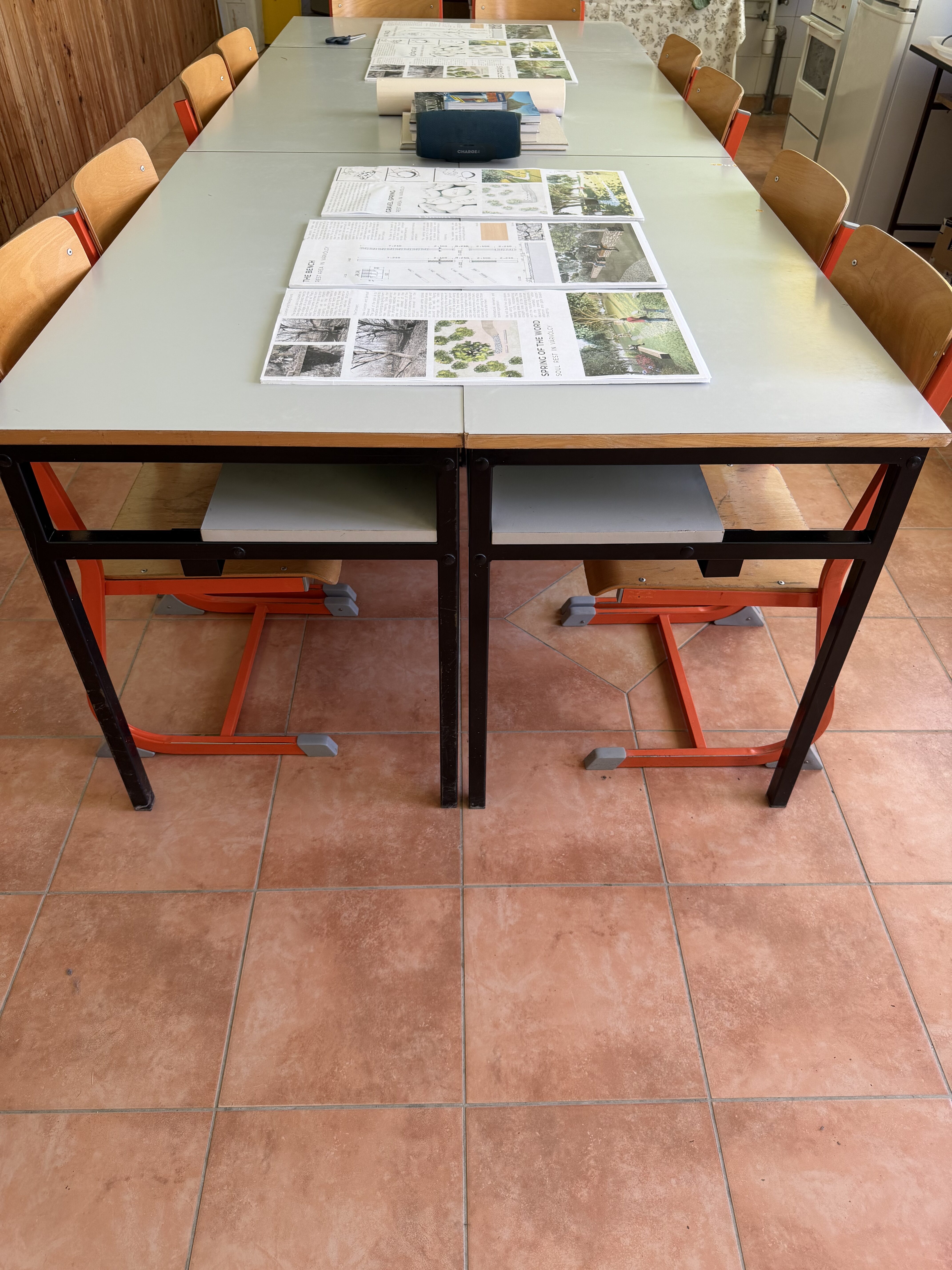
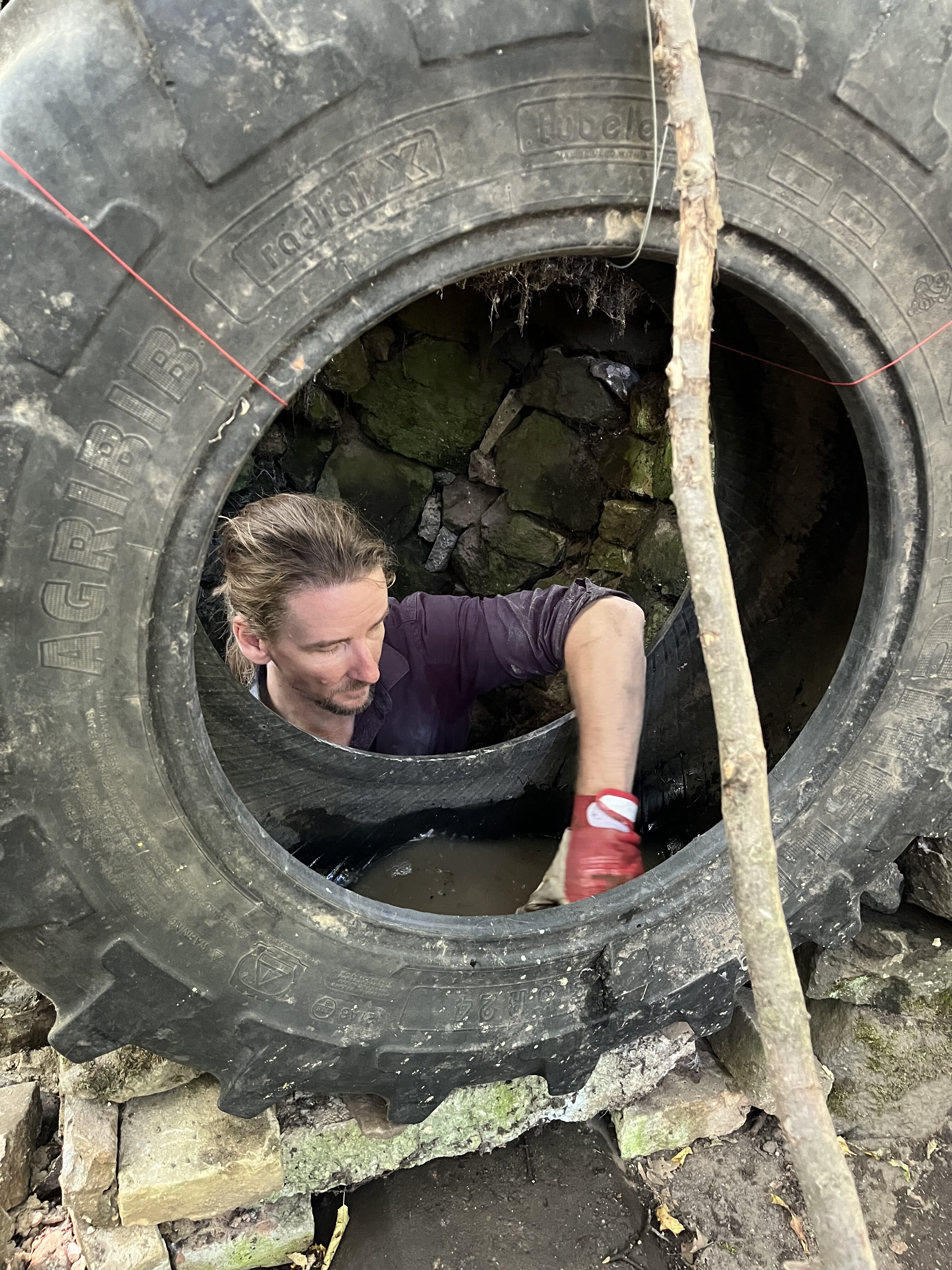
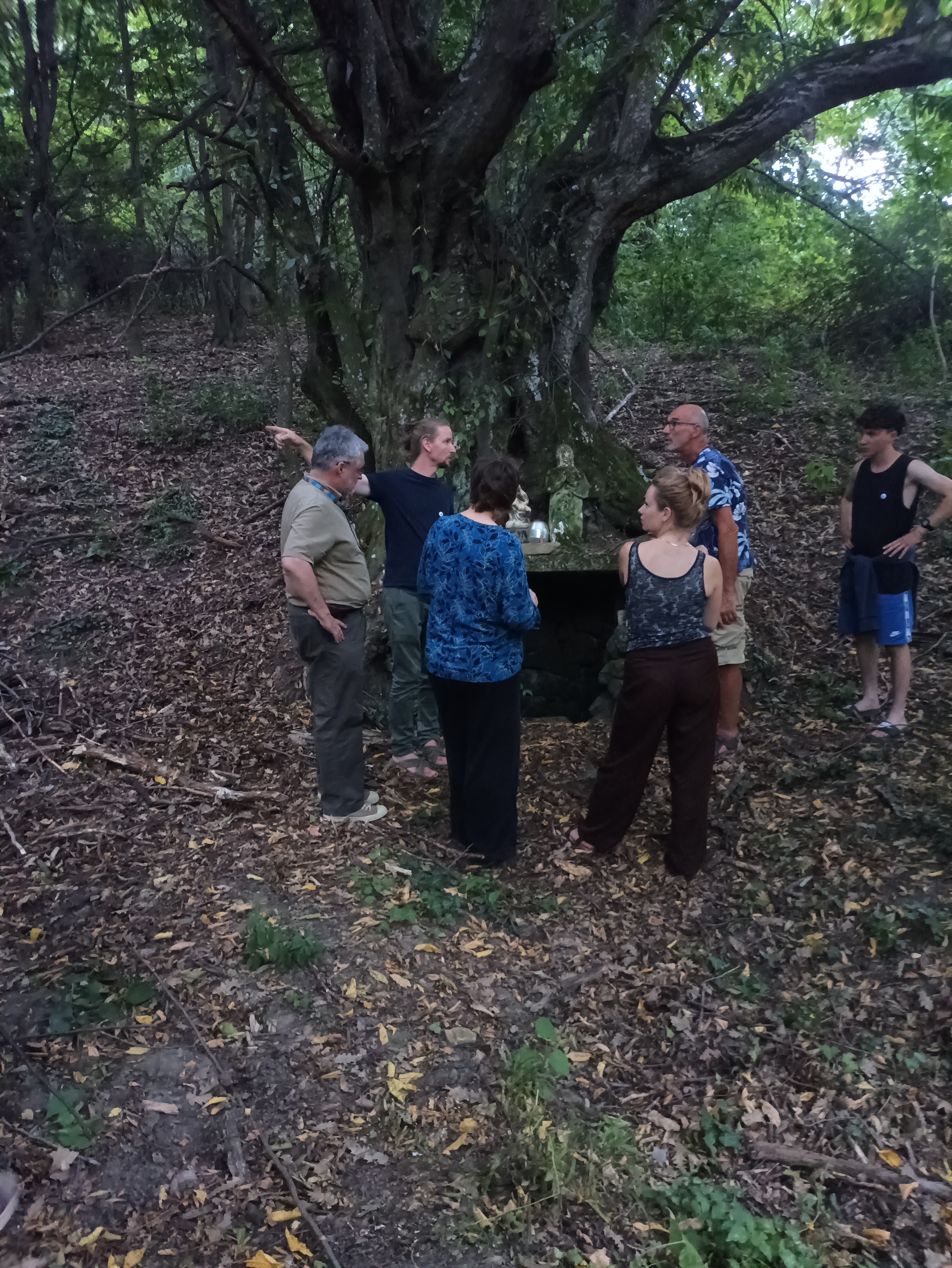
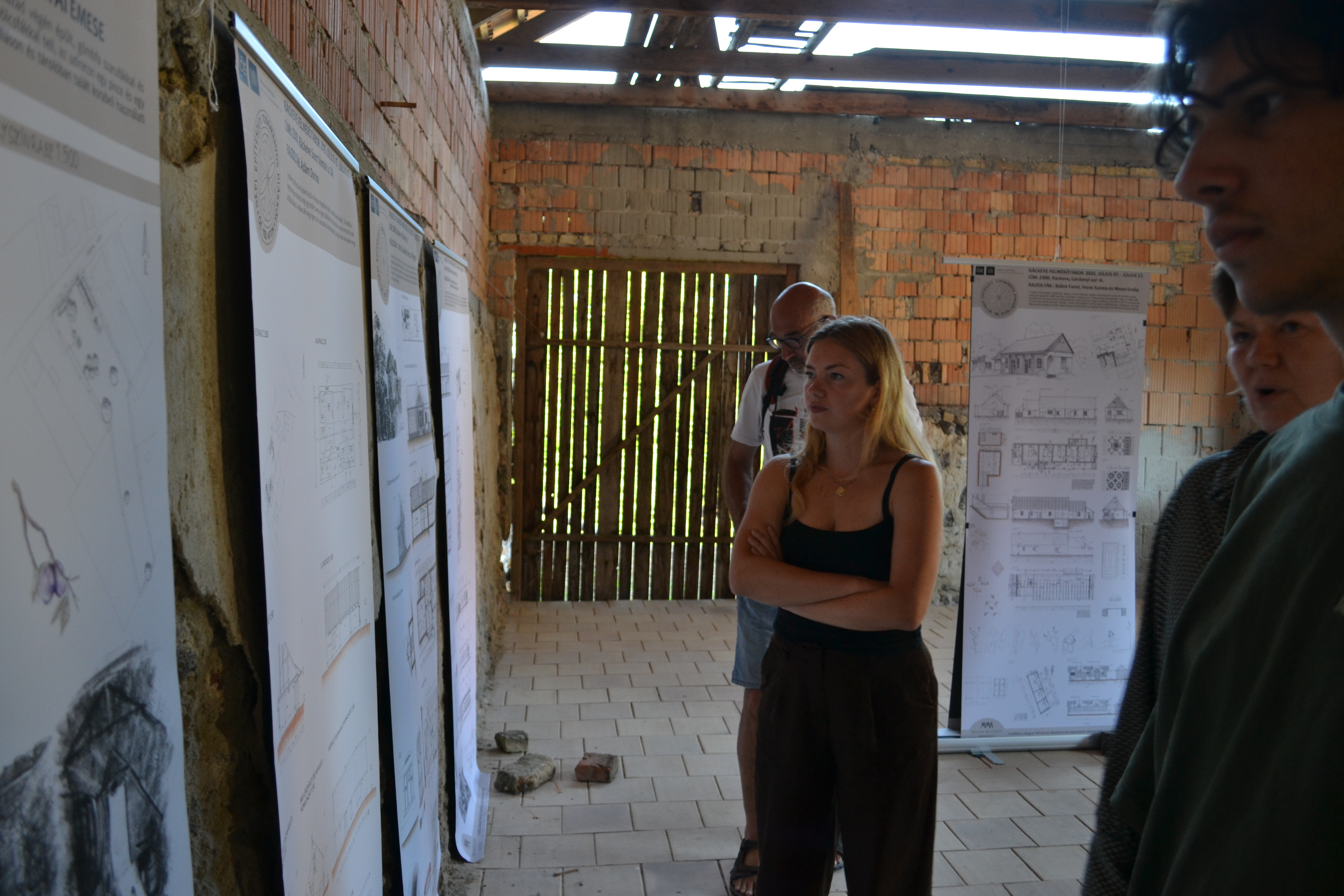
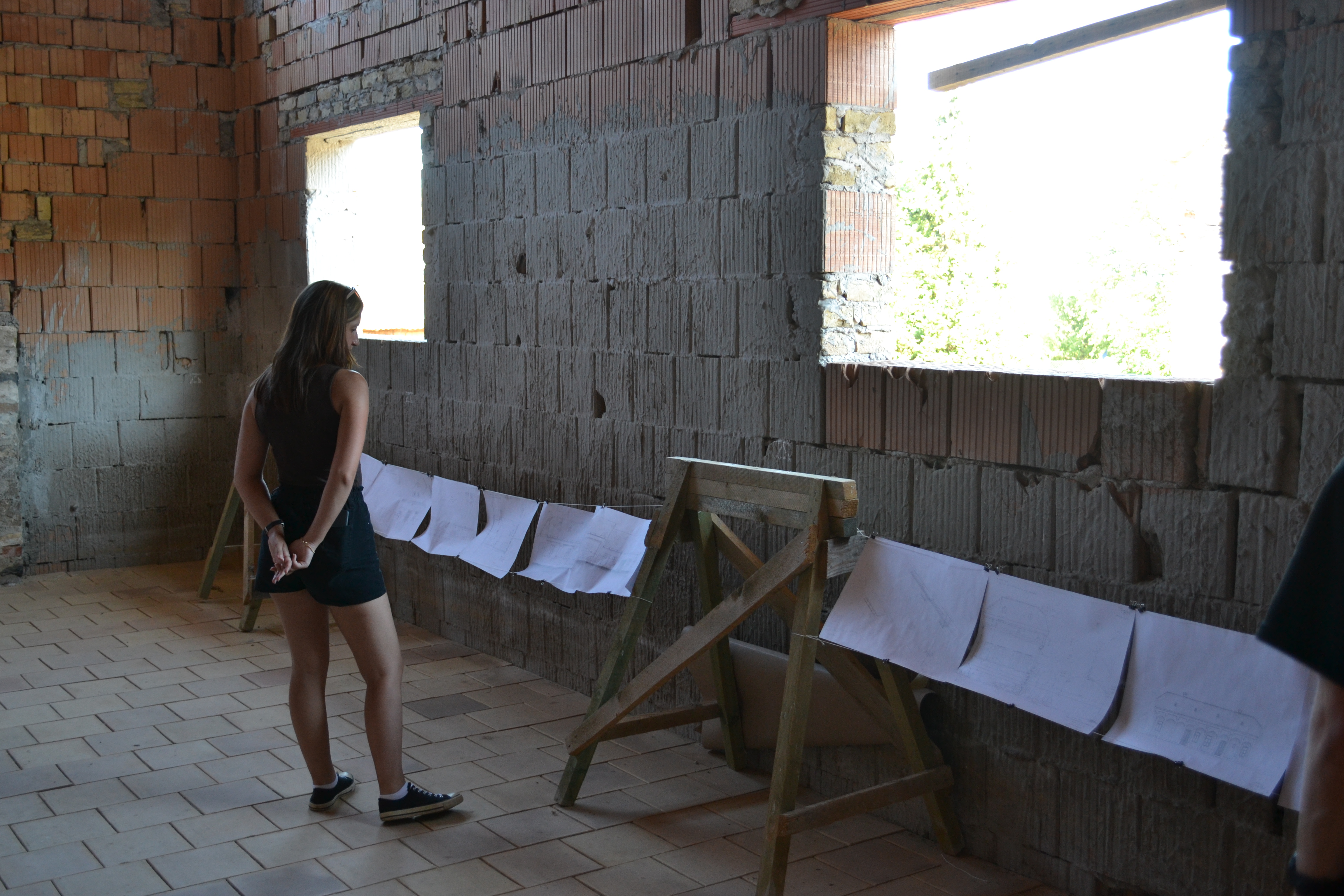
Before the camp, we offered a half-semester optional architectural design course at the Ybl Faculty, led by Dr. Csaba Rohoska. During the course, students surveyed the site and crafted detailed restoration plans for the area around Pap’s Well—a noted local heritage site that once served as an important water source. Their design aimed not only to rehabilitate the neglected well but also to reinterpret its significance as a community memorial.
Excerpt from the text on the commemorative plaque:
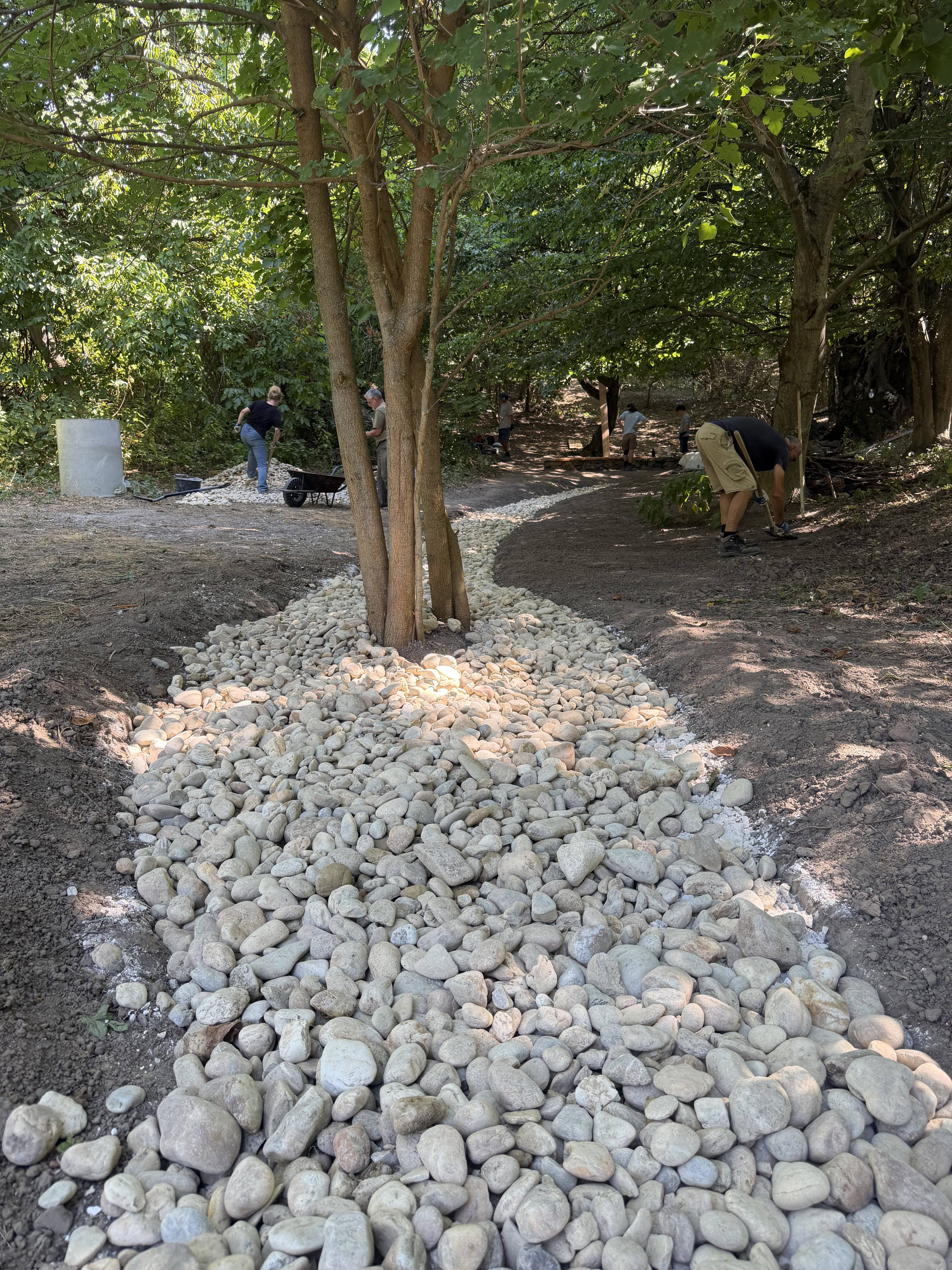
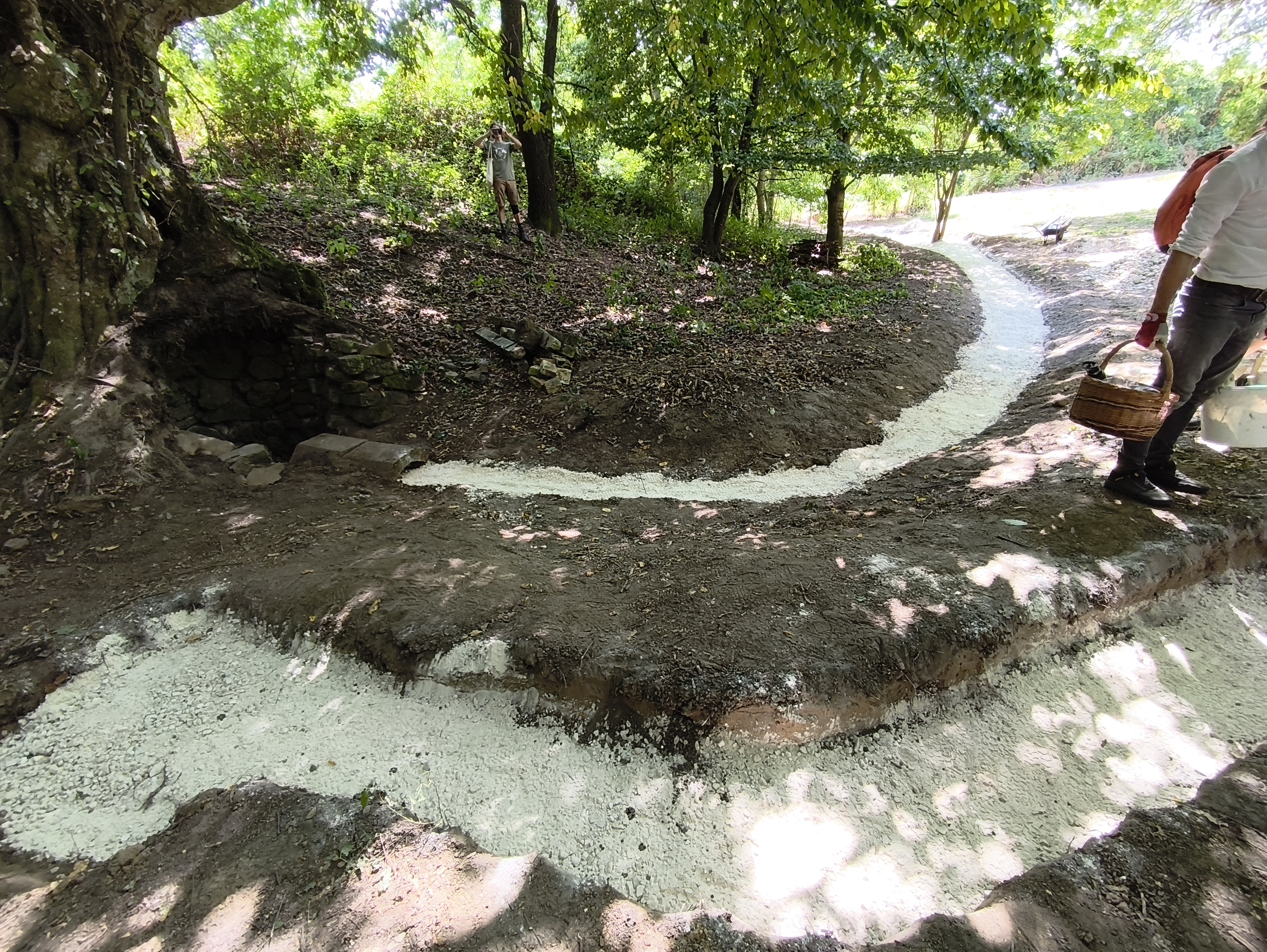
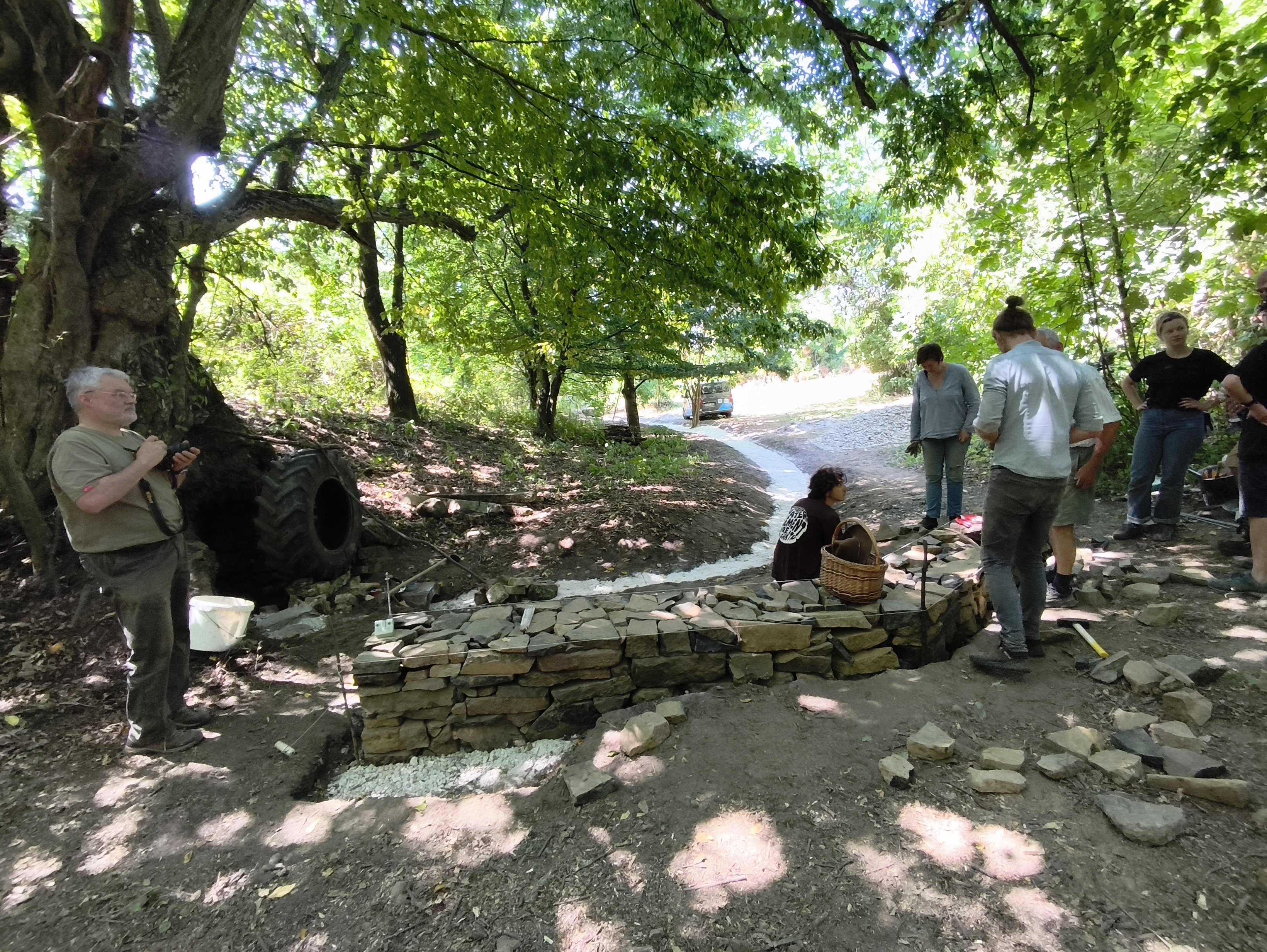
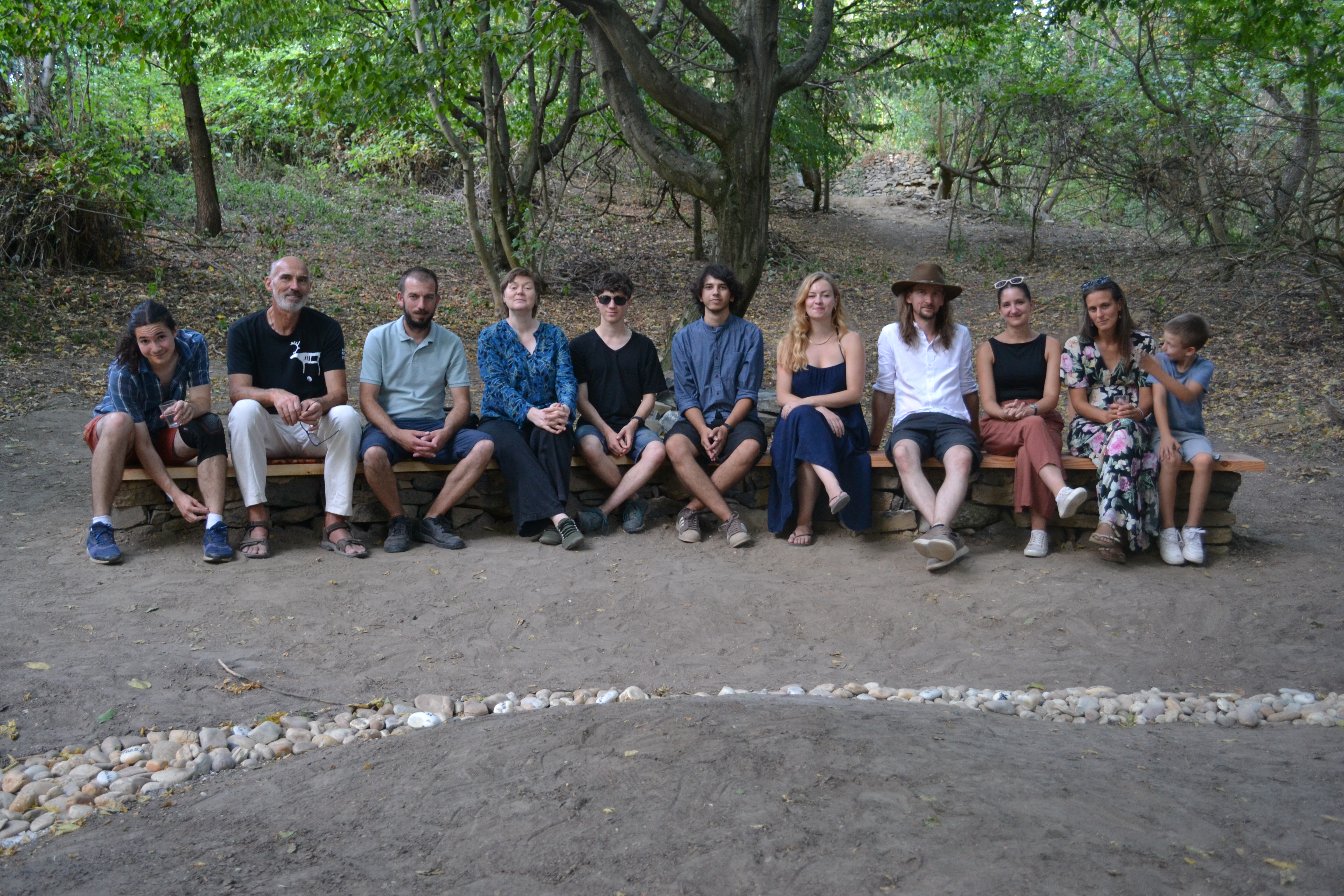
“We are standing at the now-dry spring called ‘Priest’s Well,’ which was once a vital water source for mountain residents. Today, only the dry stream bed and the well itself serve as remnants of its past. To honor this site, we have created three main features: First, the dry stream bed, which we filled with pebbles inscribed with Bible verses, inviting visitors to replace them with new ones. Second, we rearranged the ruins to form a functional space by building a dry-stone bench with a wooden seat from fallen stones of the nearby cellar, shaped to match the well’s curve. Third, we reconstructed the well’s gateway, once crooked, to include space for the Virgin Mary statue – currently being restored – and other small statues, bouquets, and offerings. Our goal is to offer a place for rest, reflection, sightseeing, retreats, remembrance, and weddings. We encourage you to add your own Bible verses, wishes, or quotes on white pebbles to keep this stream’s “water” flowing.”
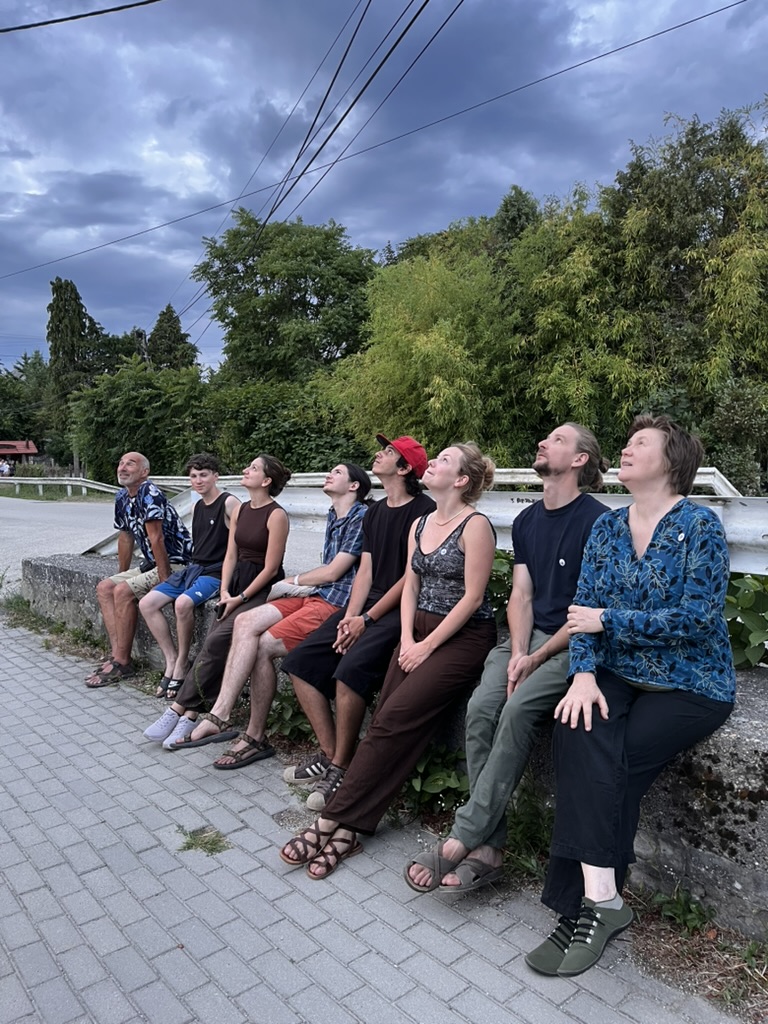
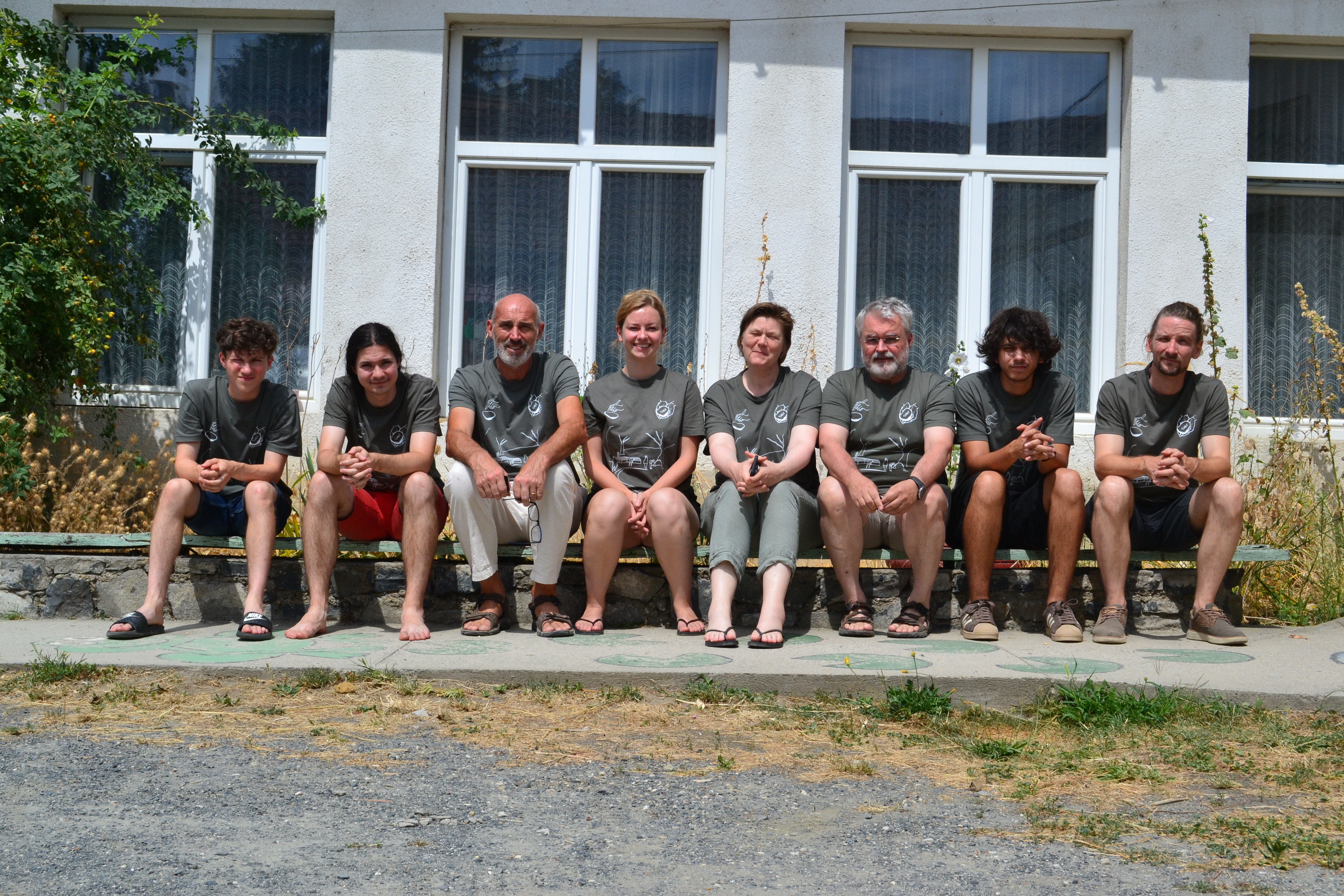
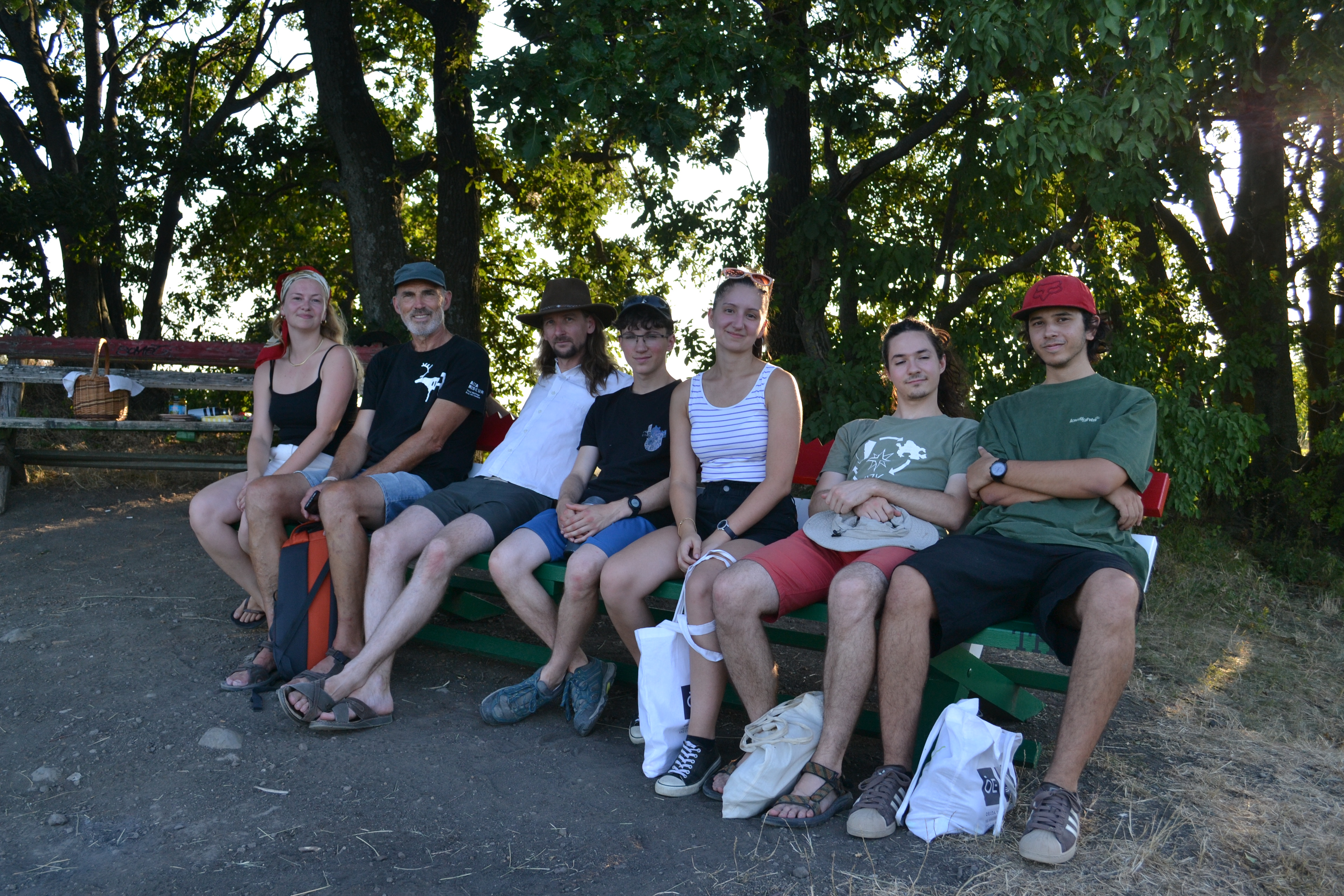
The practical workshop in Várvölgy was led by architect Balázs Váradi, a Ybl Faculty lecturer and former chief architect of Várvölgy. Billie Bazin, coordinator of Union REMPART, provided expertise on the international REMPART methodology and practical skills. Representing the Ybl Faculty, Dr habil. Zsuzsa Fáczányi and Dr Aurél Benárd also supervised the project. The international team included French volunteers Hervé and Maël, along with Ybl students Bálint Horváth, Anna Szendrei, and Márton Helfrich, who, with Imola Bodnár, developed the design proposals during the preparatory course.
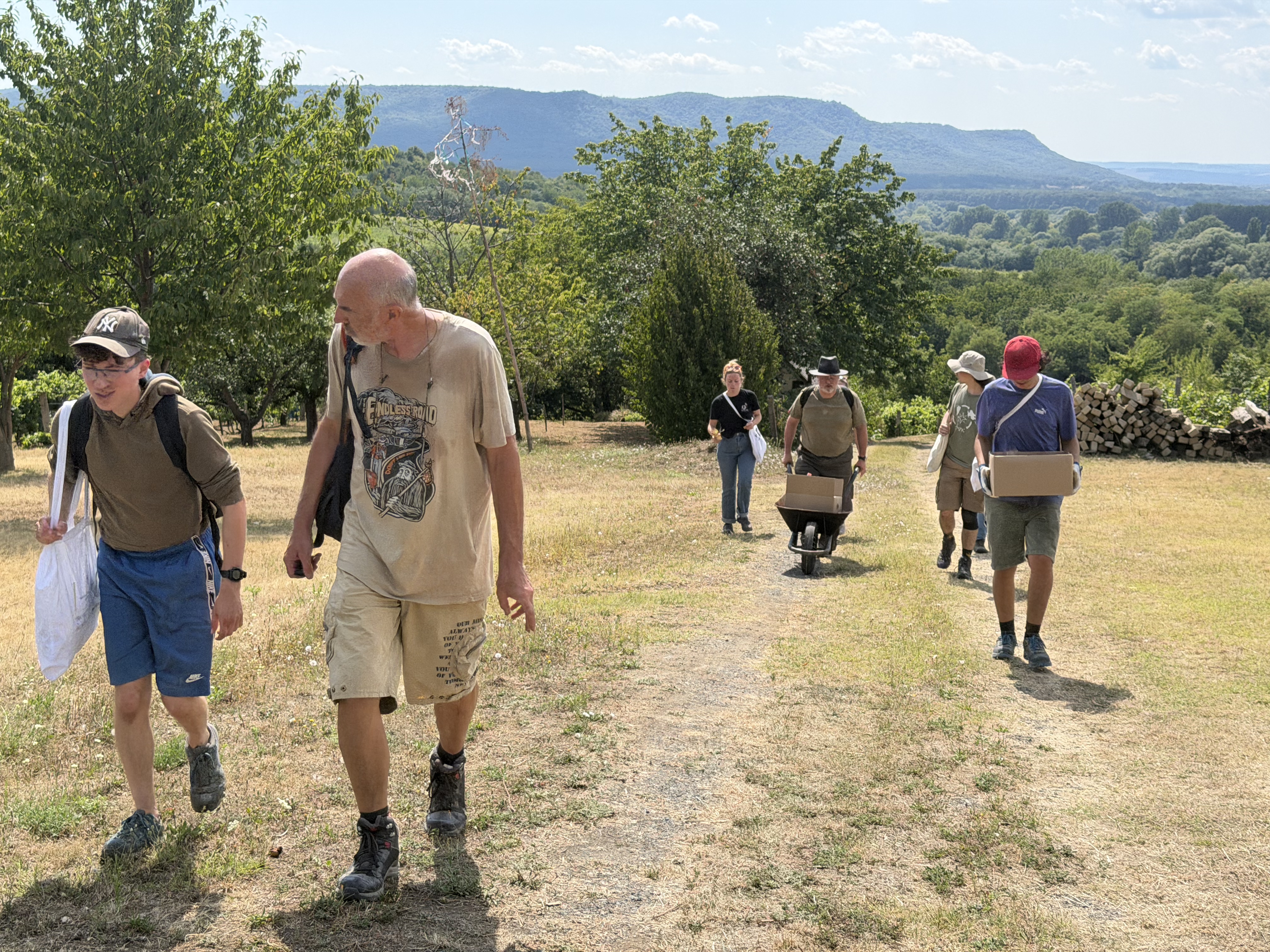
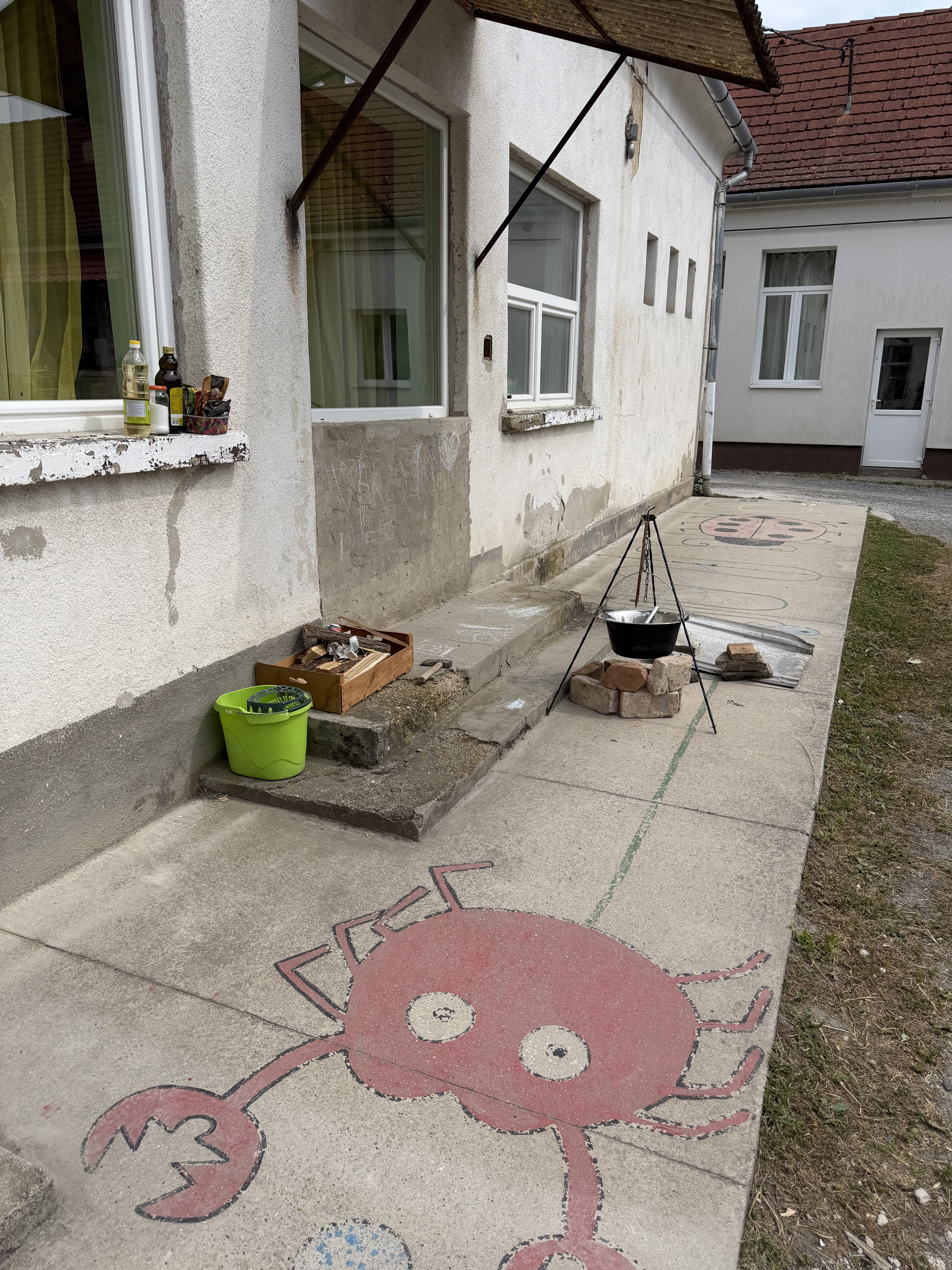
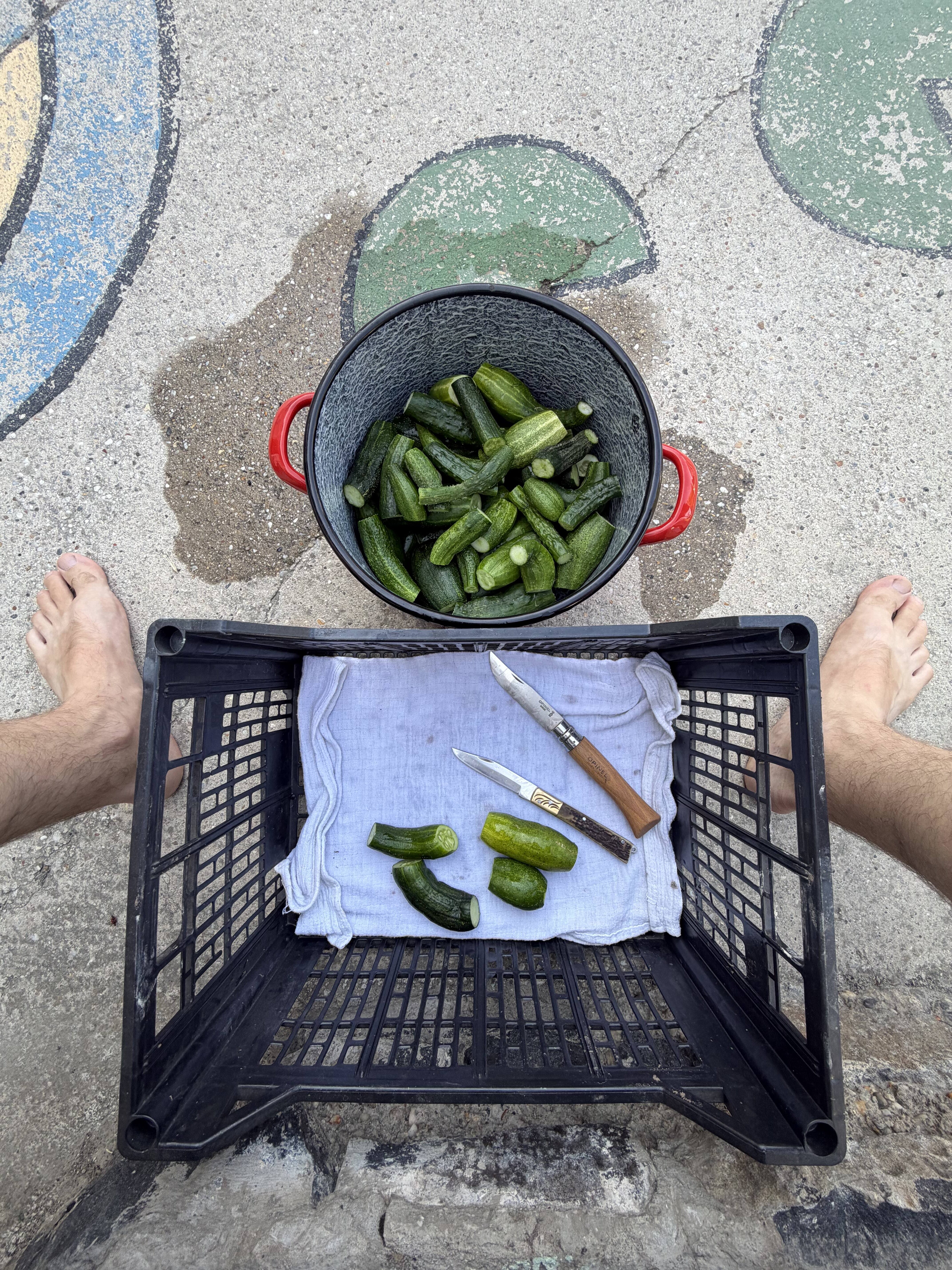
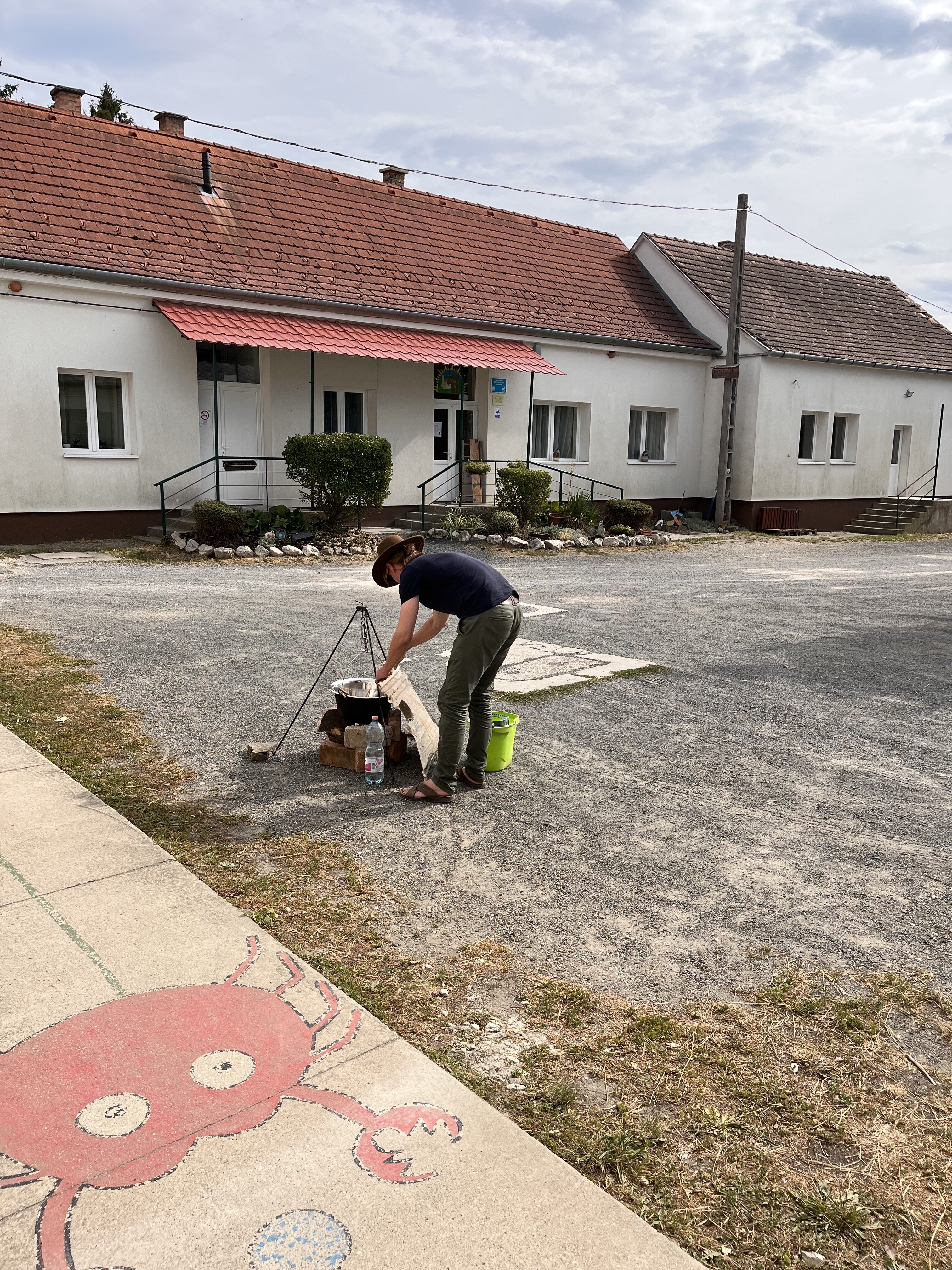
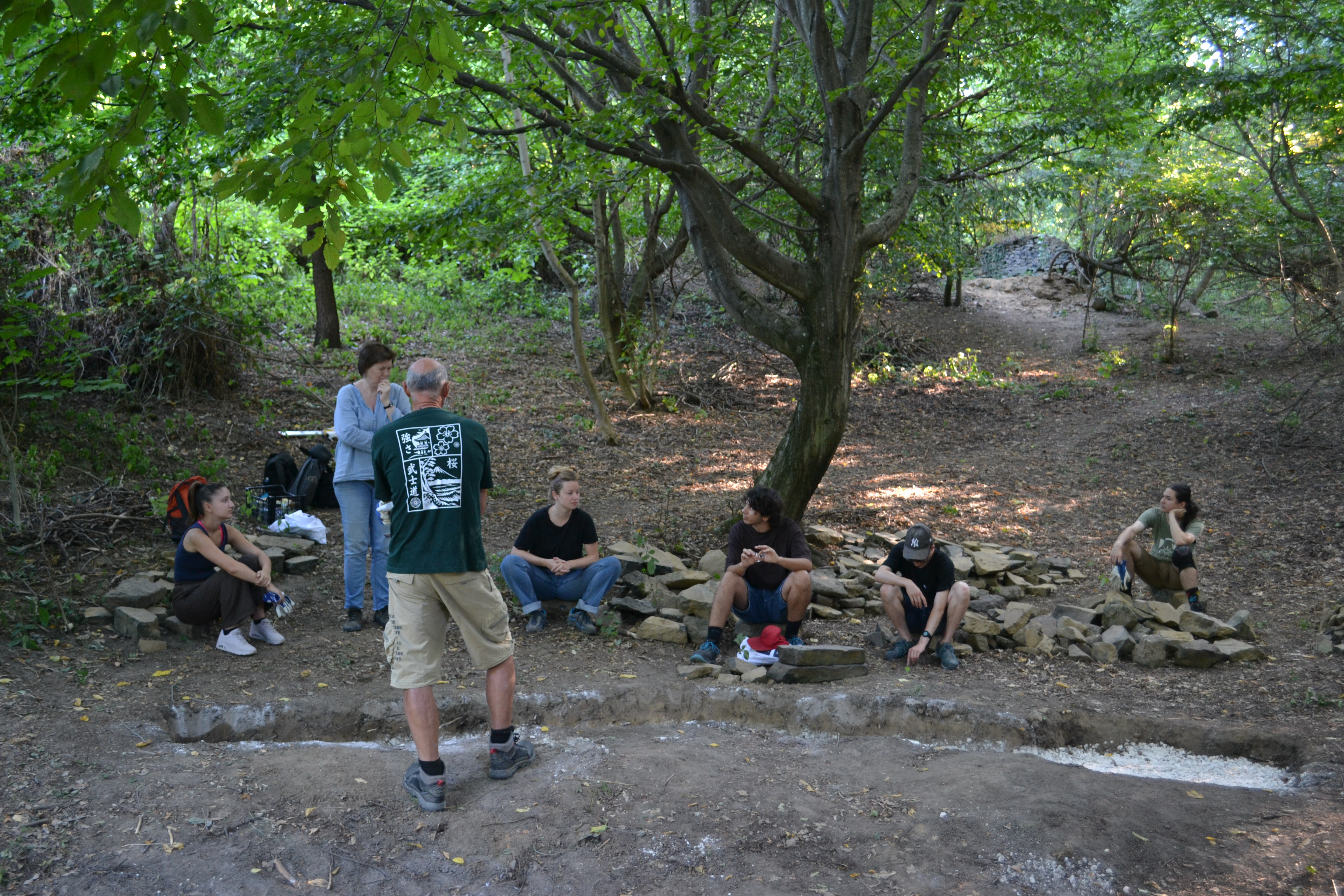
Upon arrival, volunteers were welcomed with traditional Hungarian fake-goulash cooked in open fire, in a cauldron. Over the meal, participants introduced themselves, setting the stage for the upcoming intensive work.
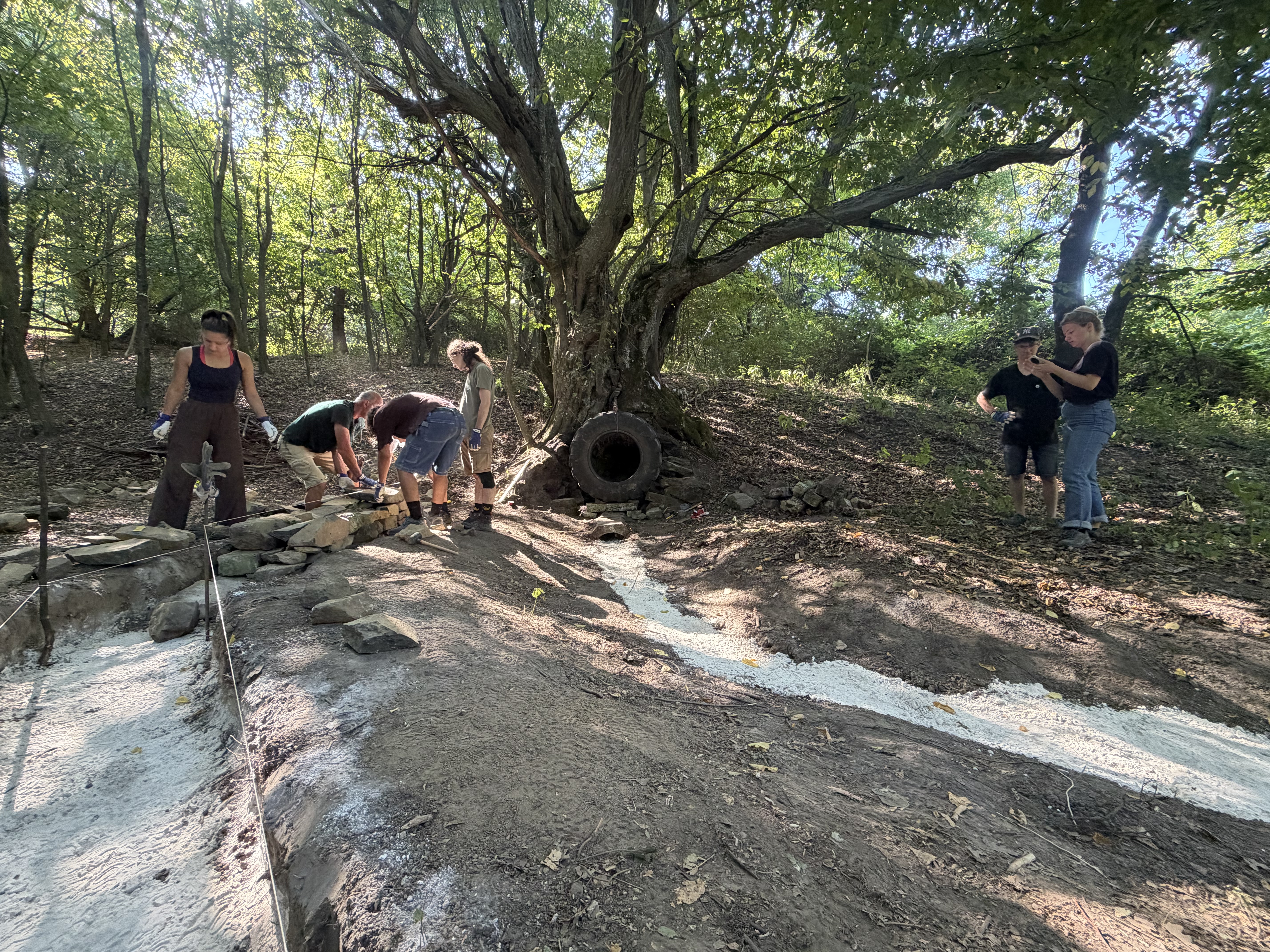
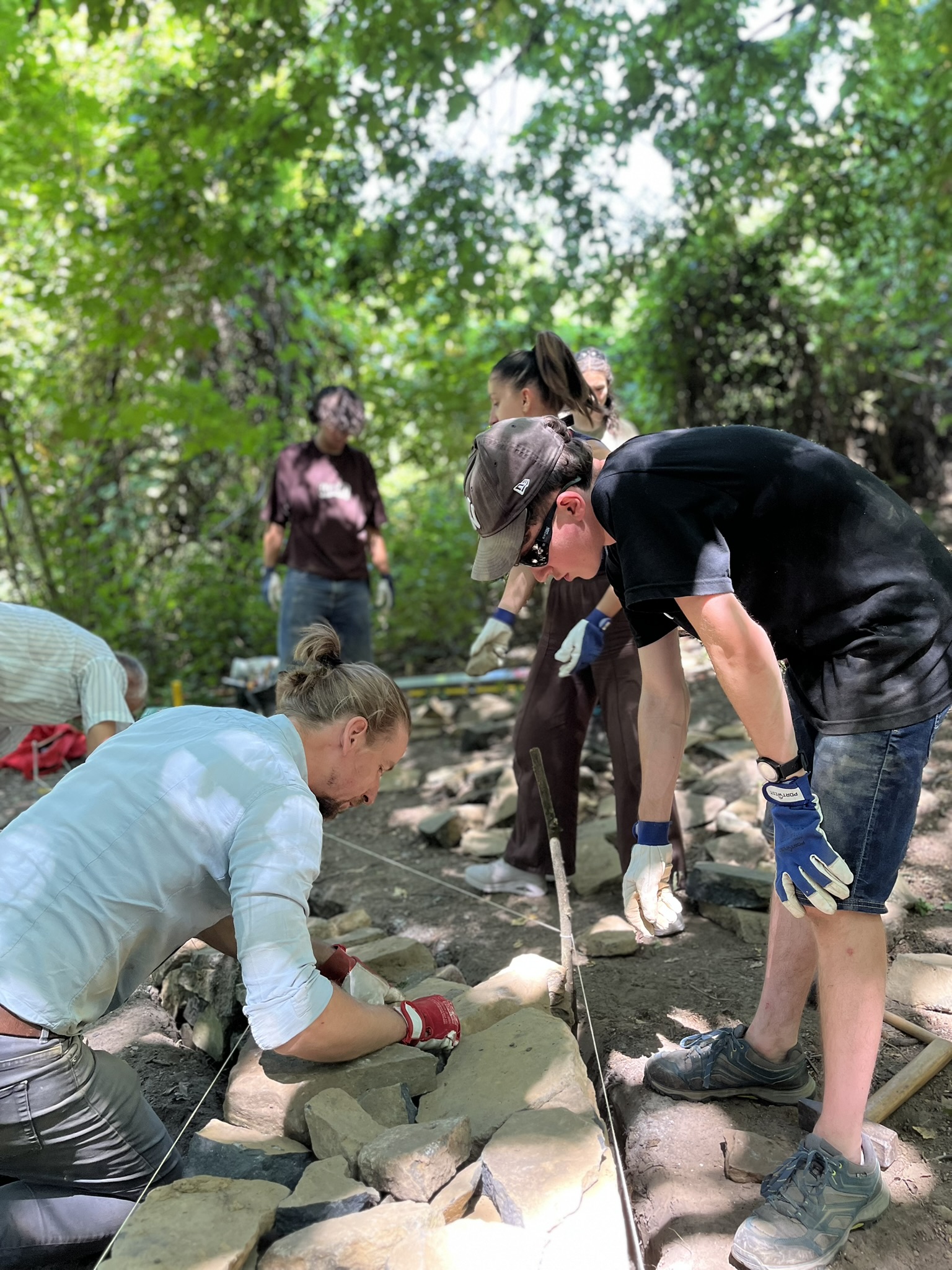
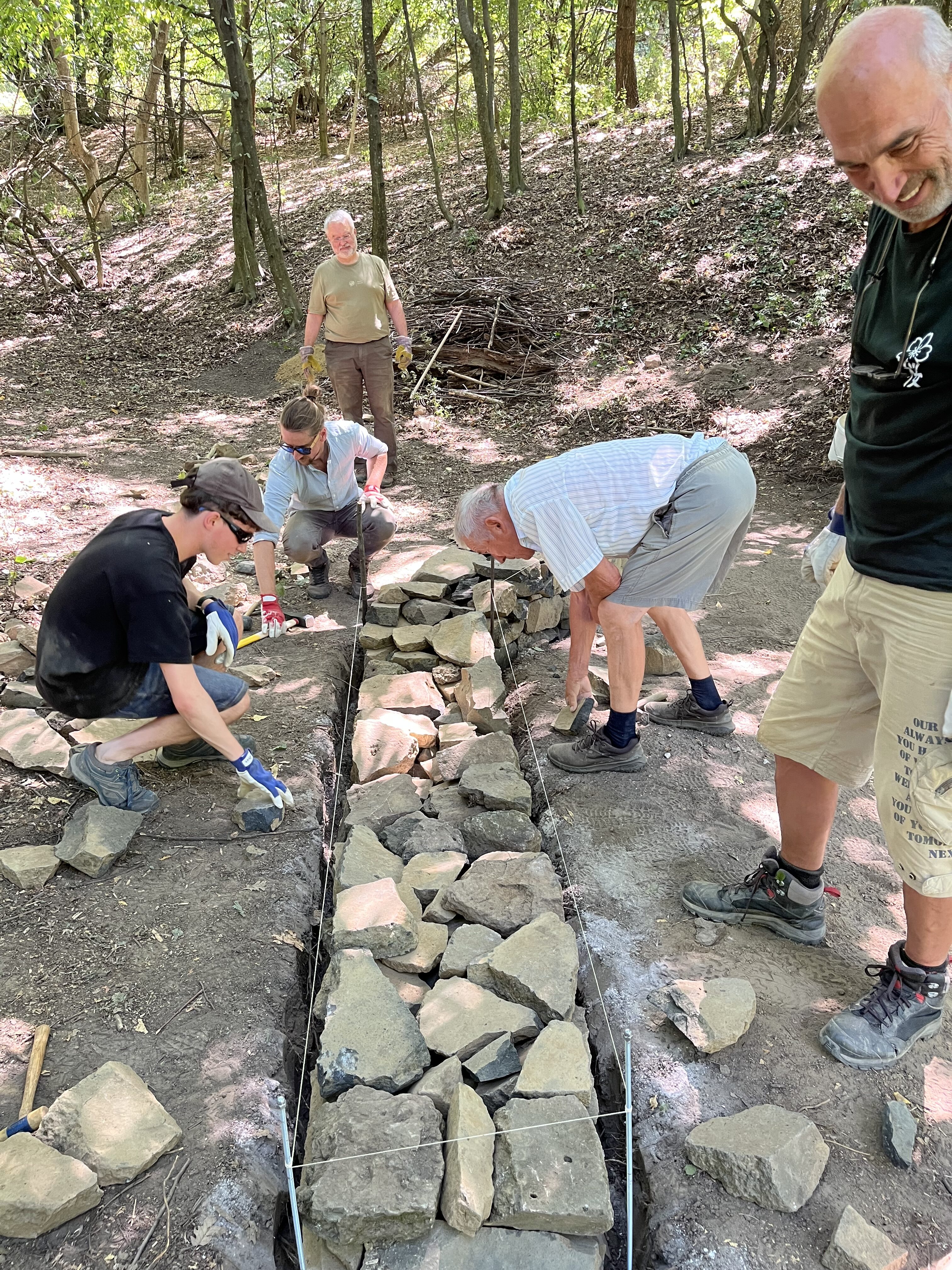
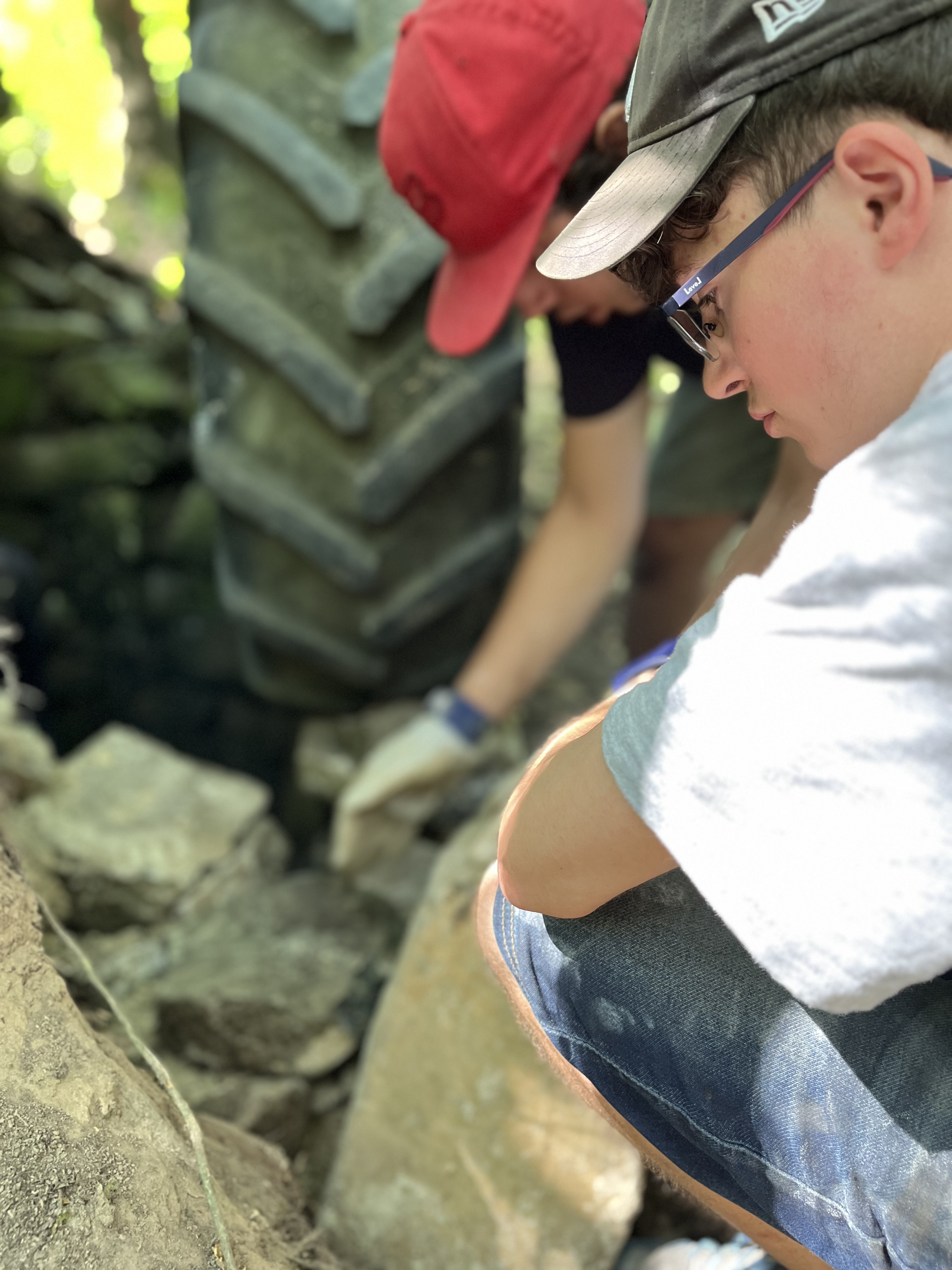
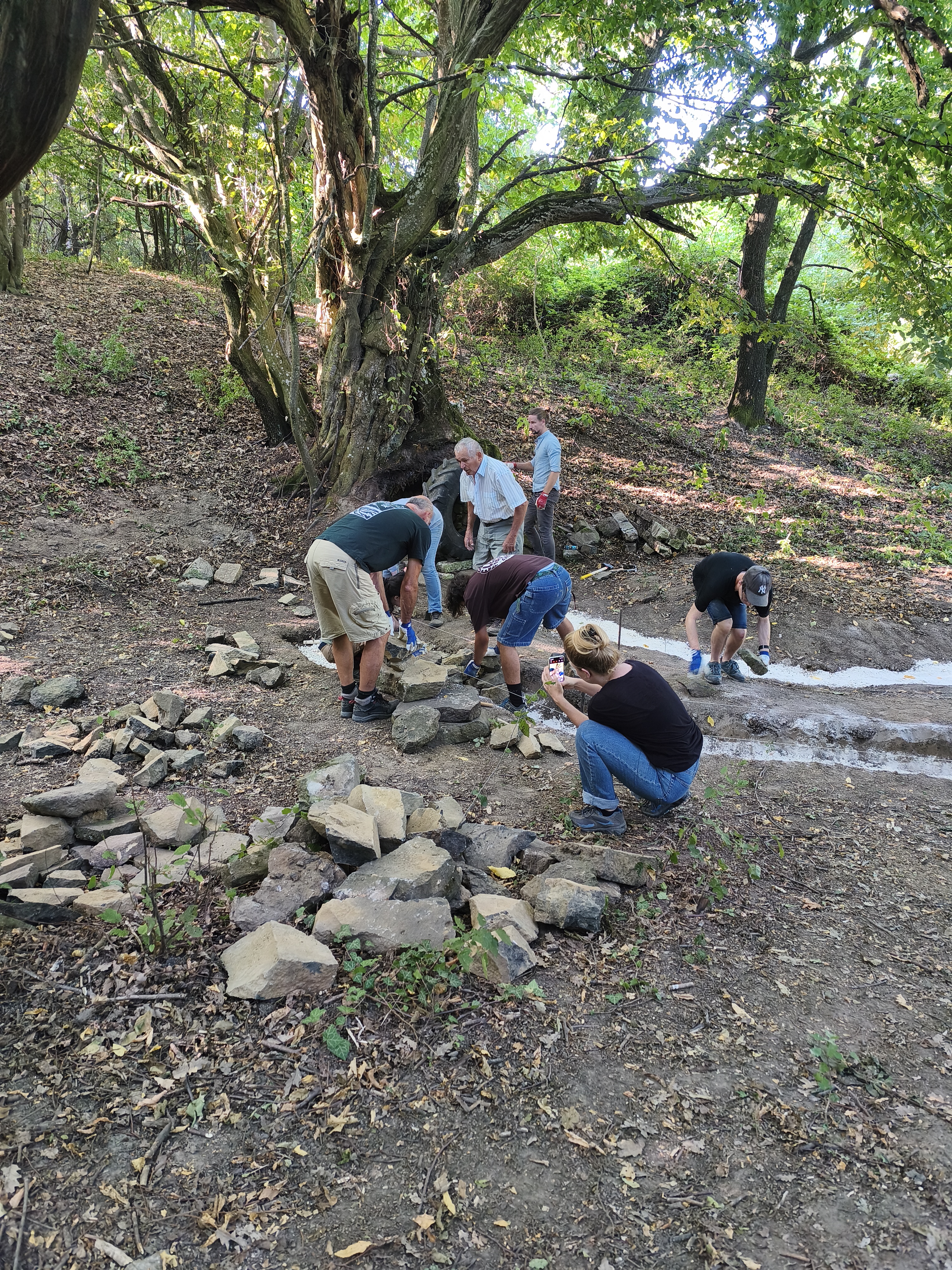
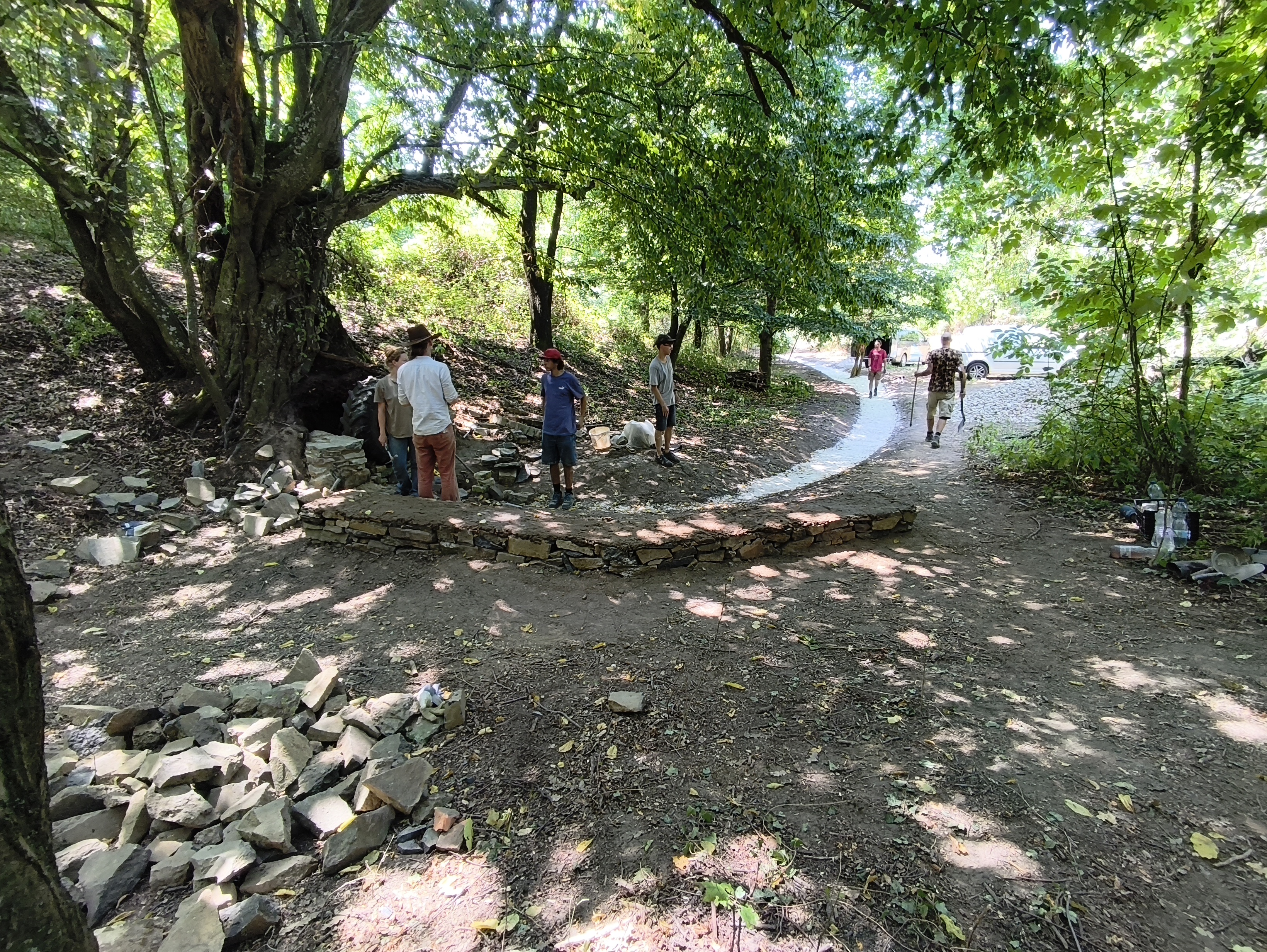
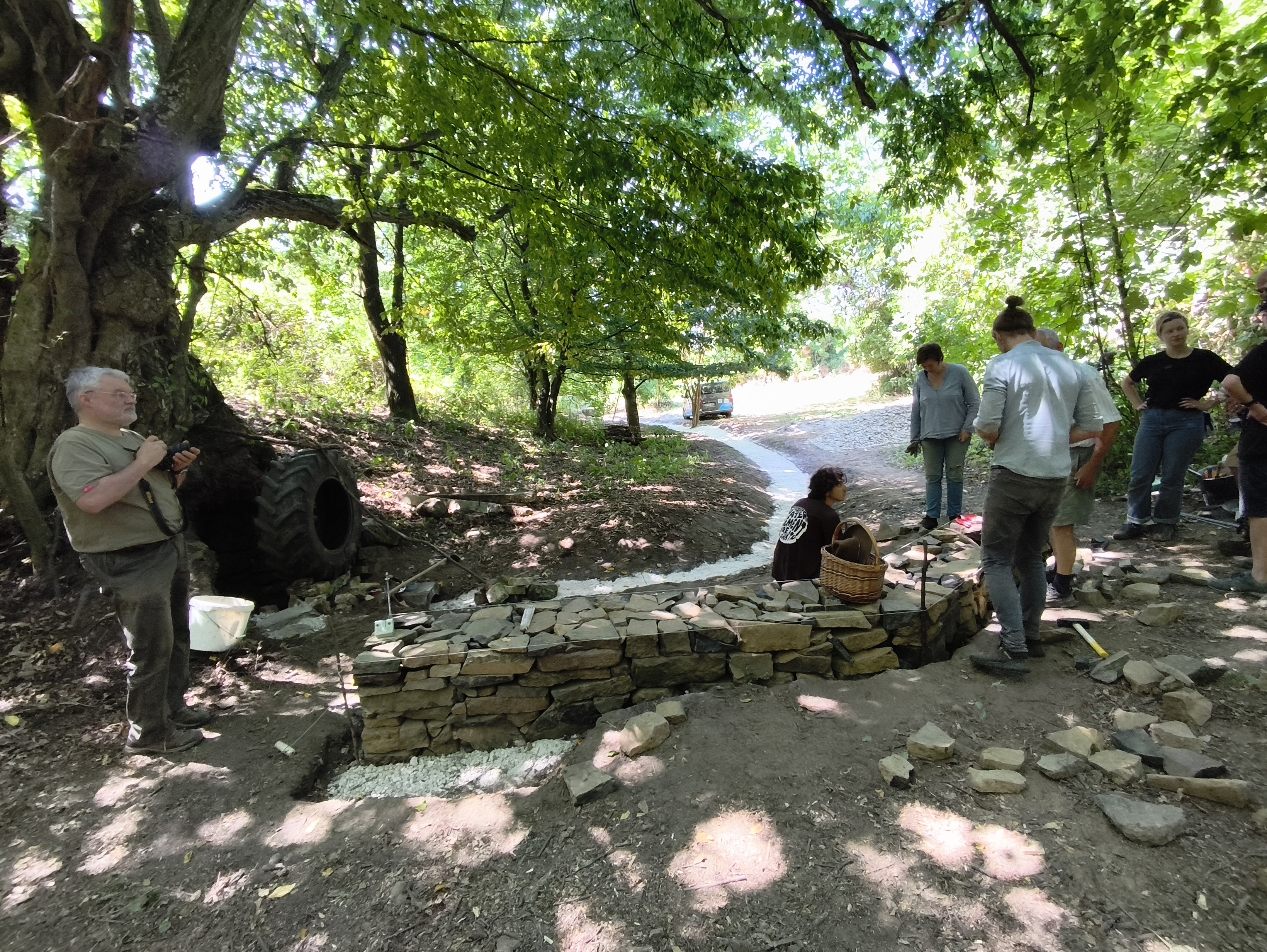
The project comprised three main parts: building a bench designed by students; artificially restoring the stream bed—interpreted as both landscape and sacred symbol; and reconstructing the gate to the fenced spring.
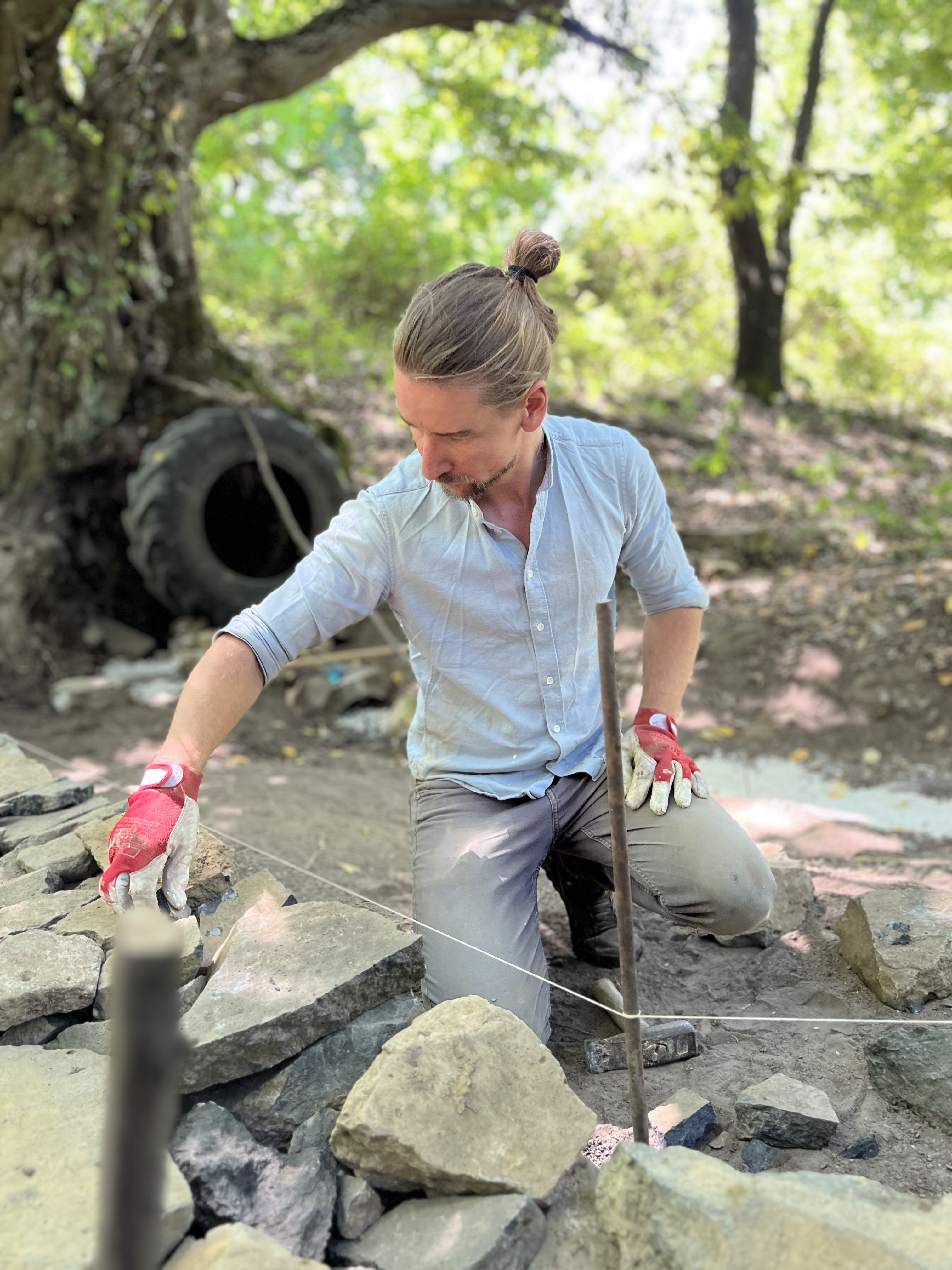
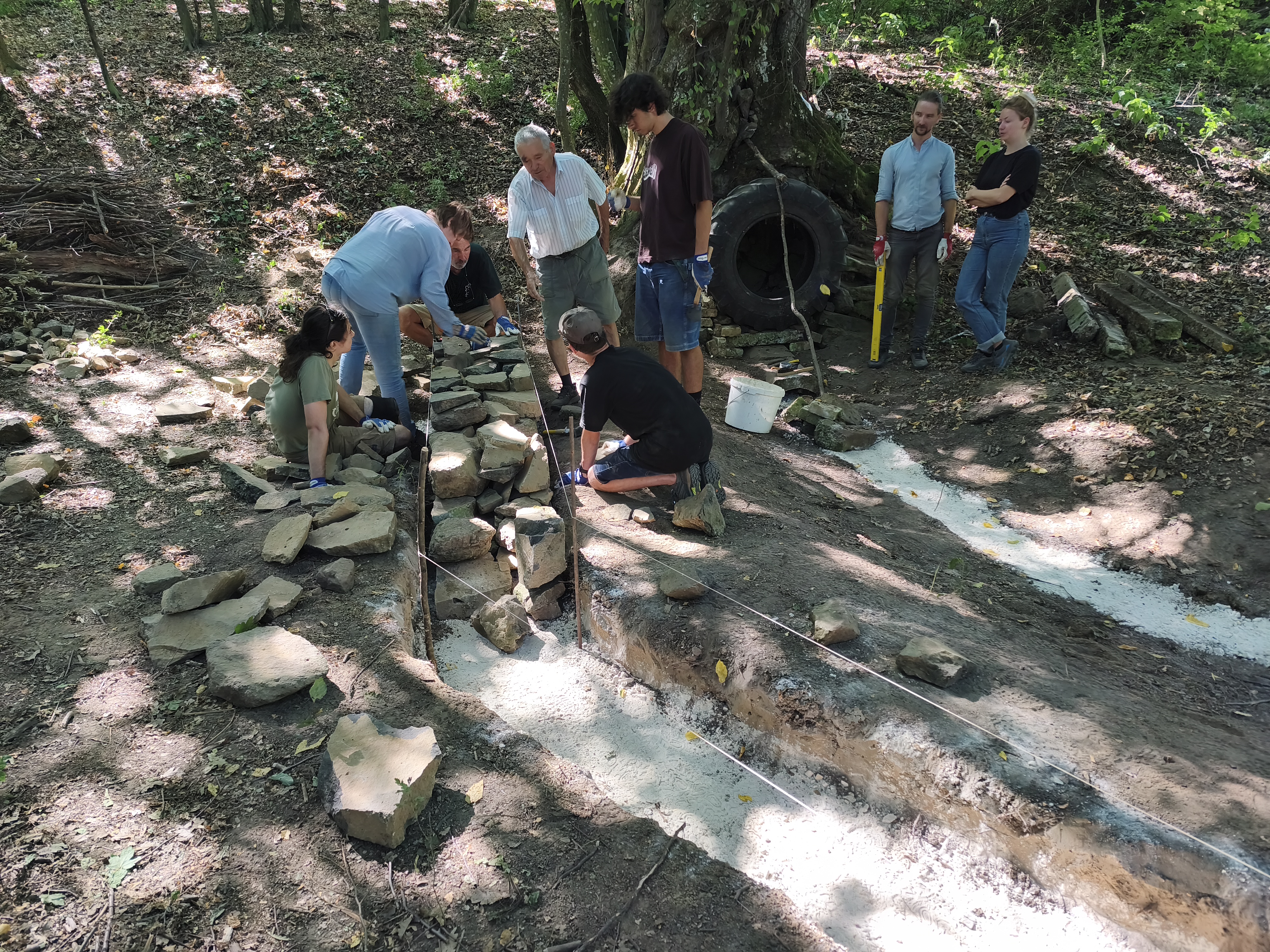
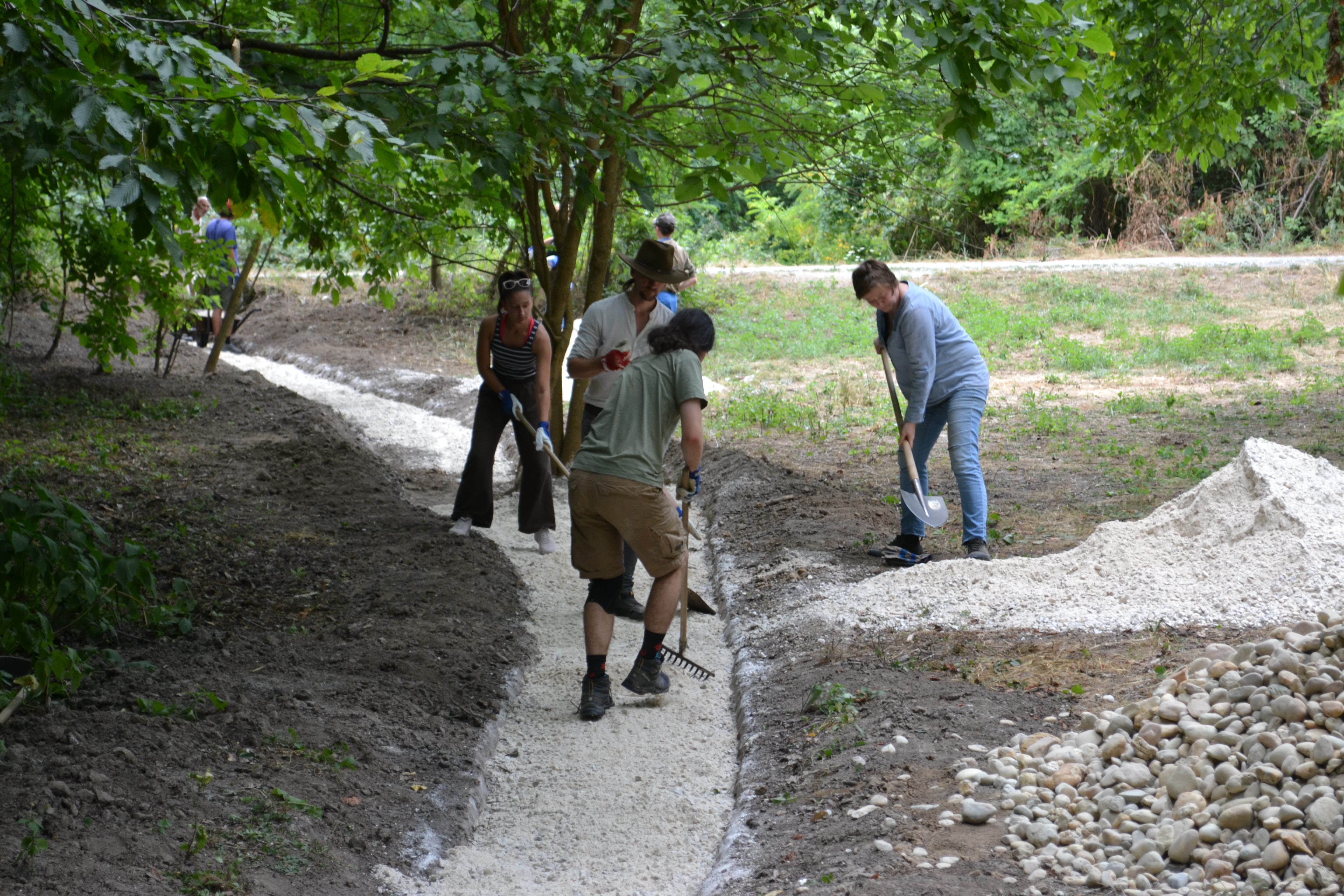
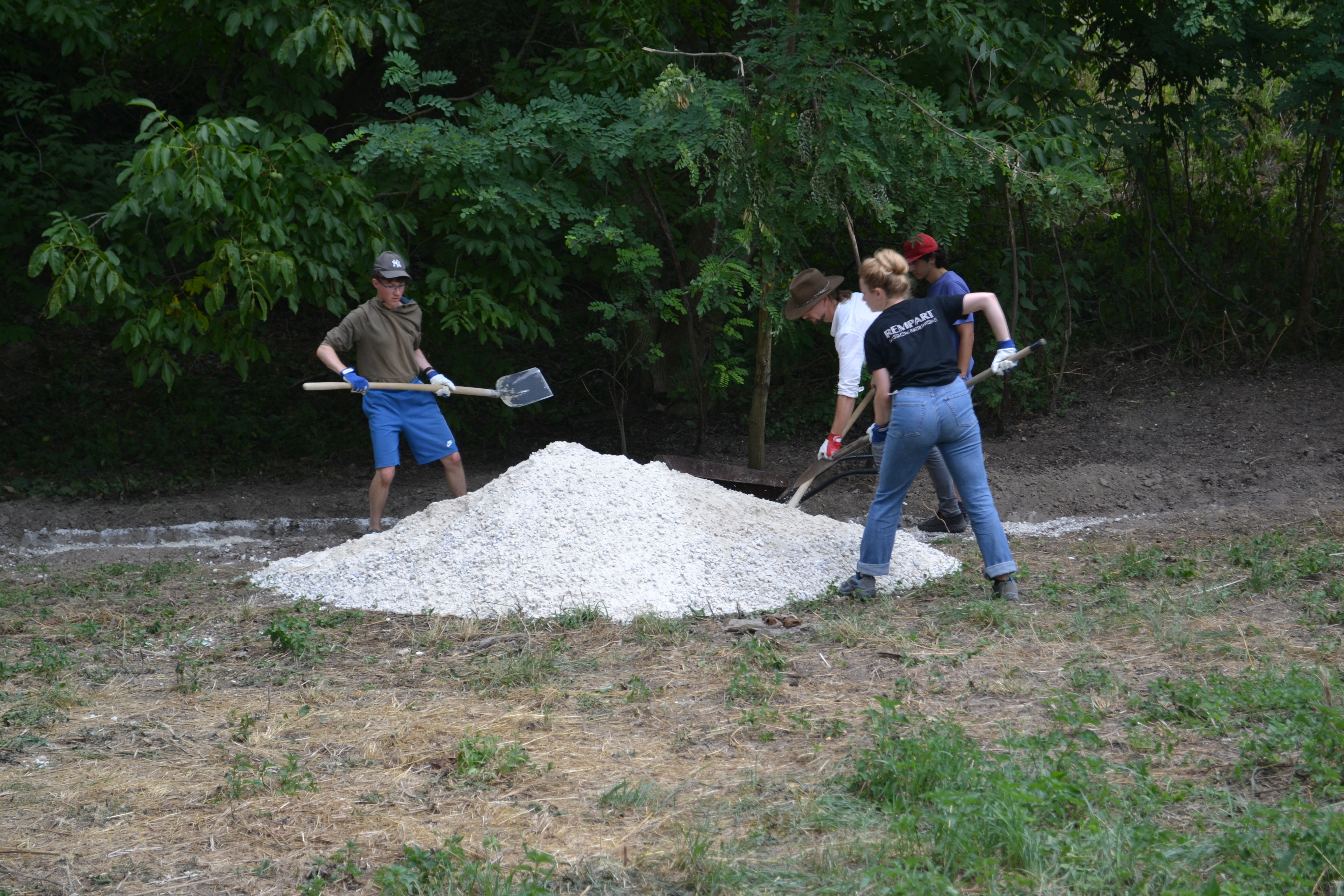
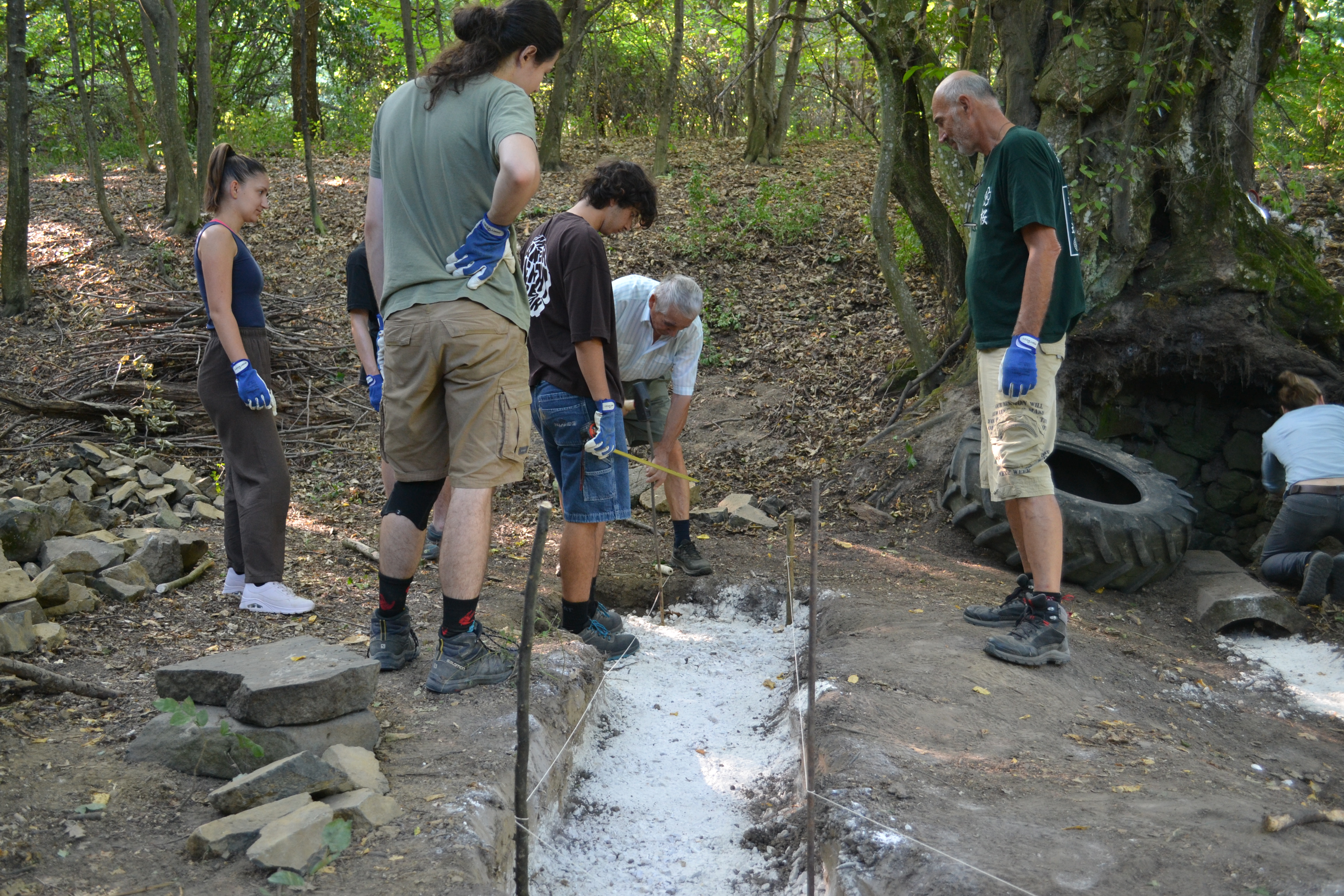
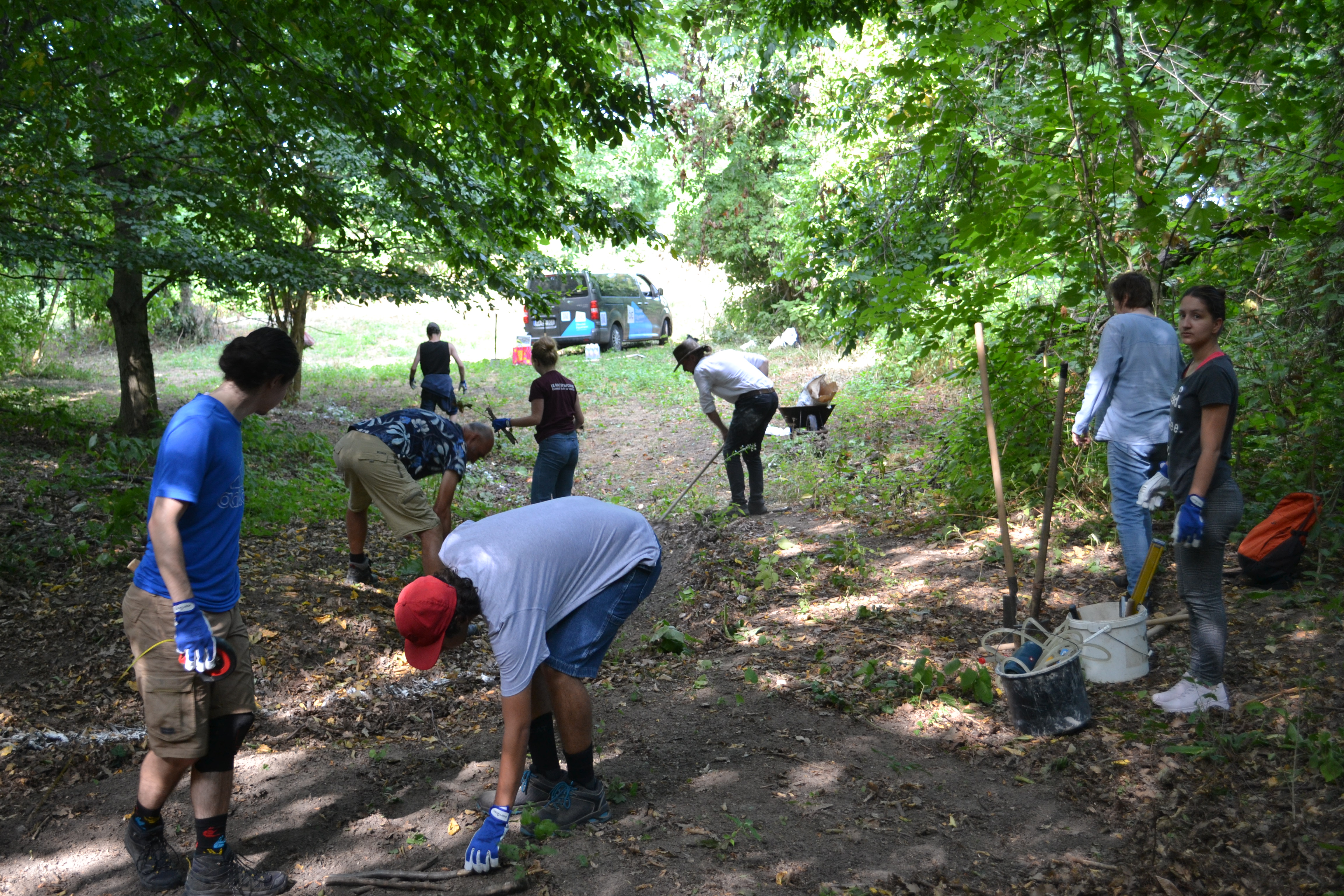
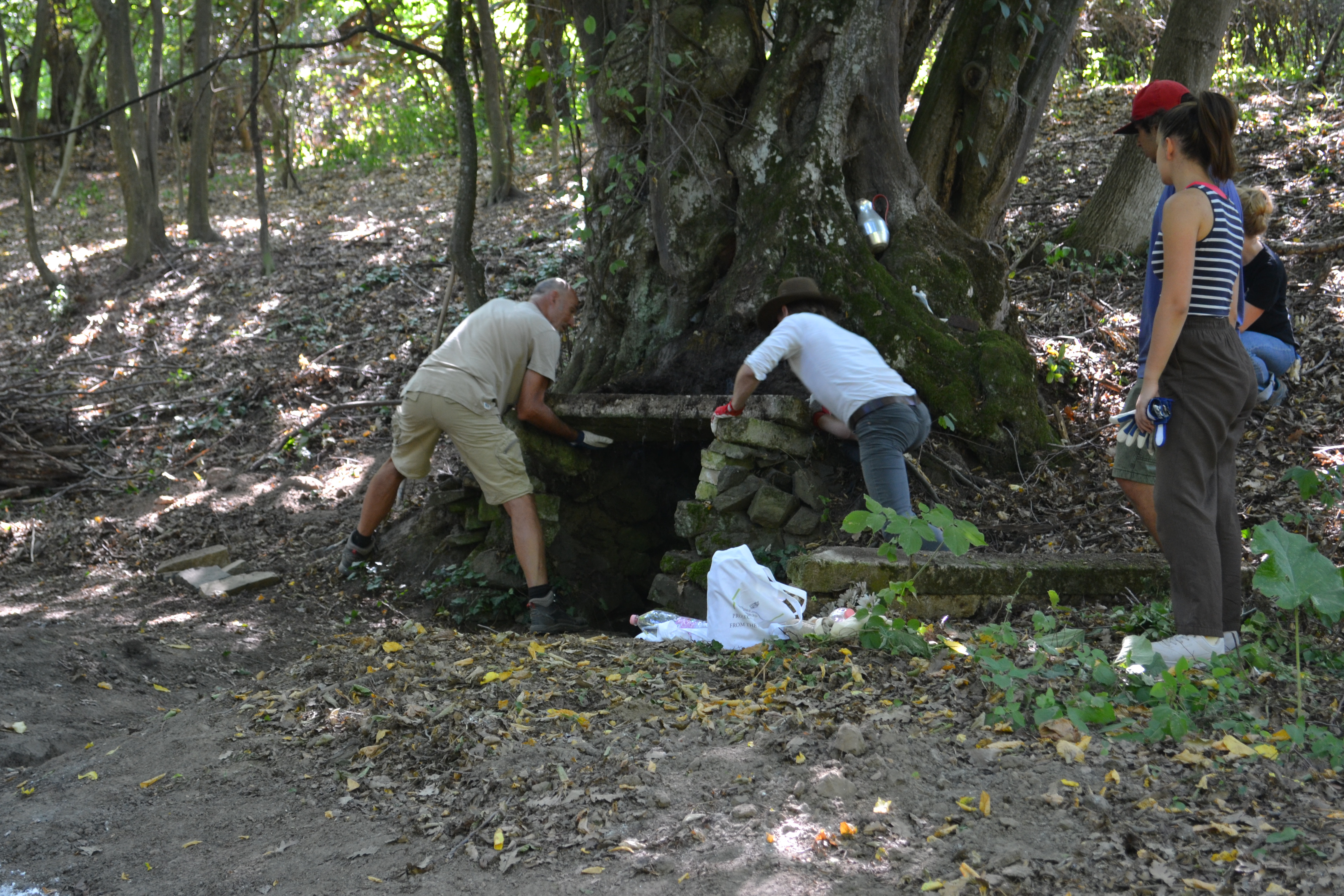
Initially, the team cleared the site. After a preliminary mowing by the local council, they conducted a thorough cleanup and landscaping. They symbolically restored the former watercourse bed, covered with local dolomite chippings, topped later with river pebbles.
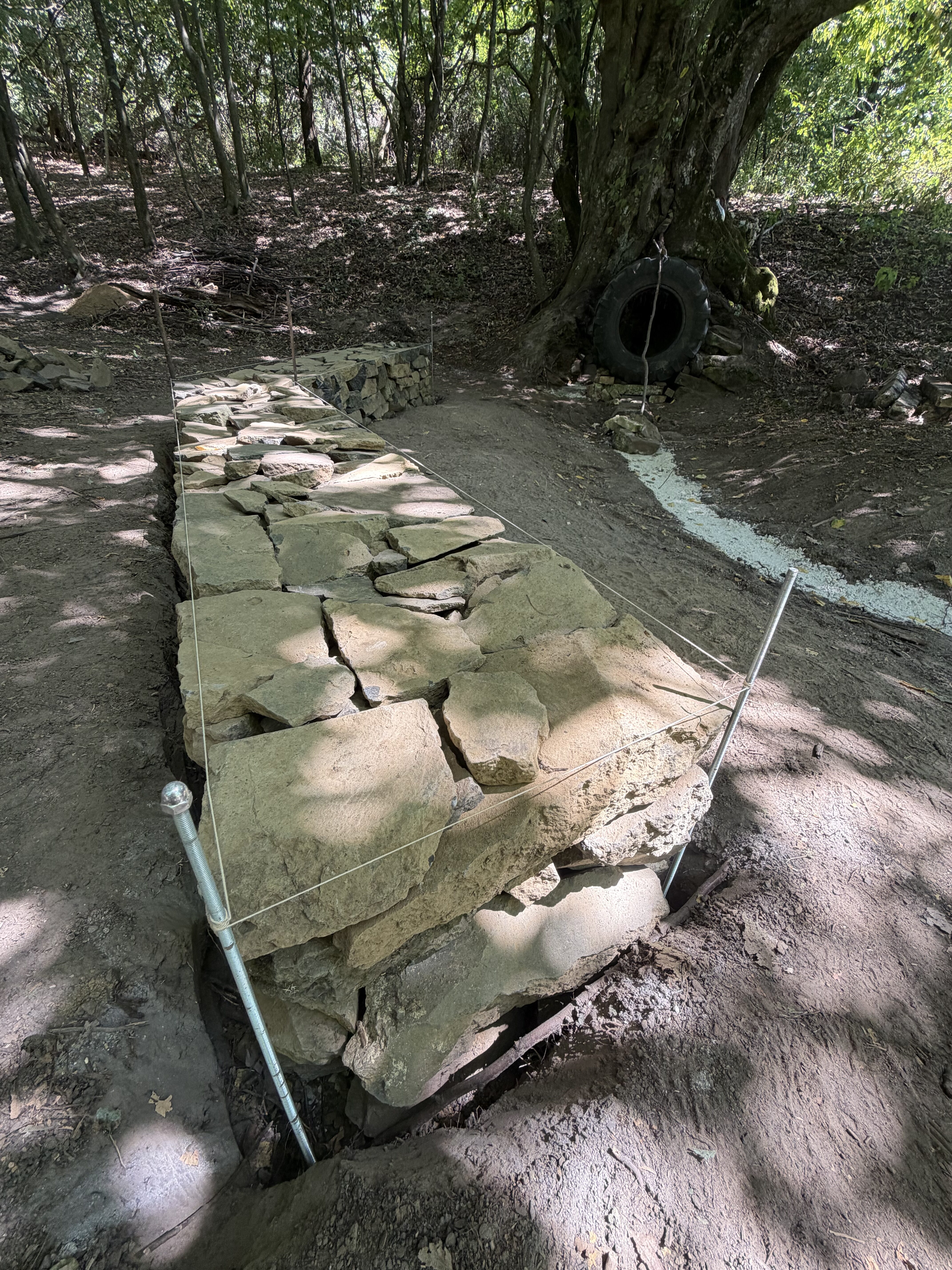
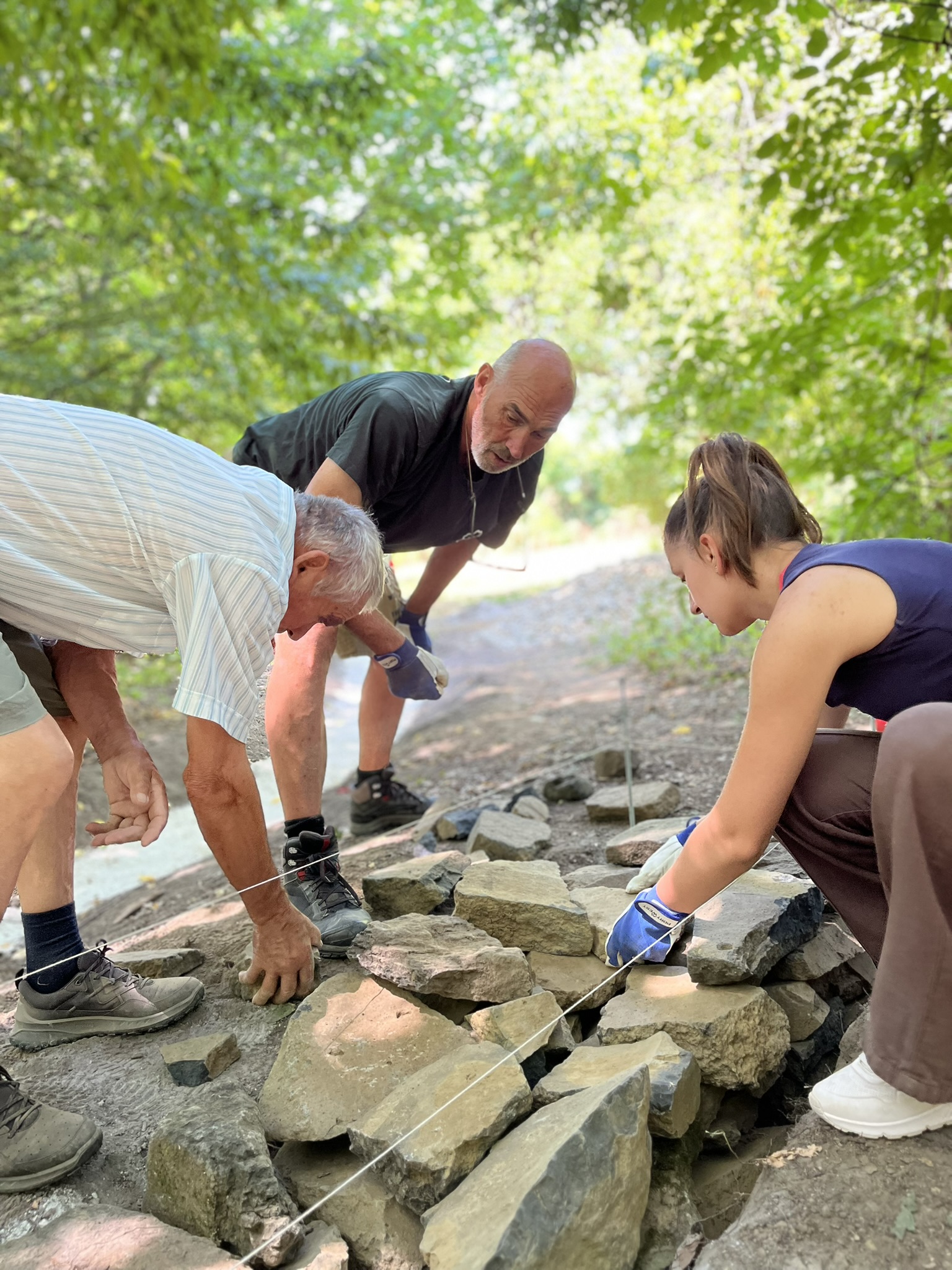
Next, they built a rest bench using dry-stone walling with stones from a nearby ruined wine press house. The students decided on a broken line design for the bench on site. Mud was applied to the stone surface, which grew to its final height, and finished with a larch seat.
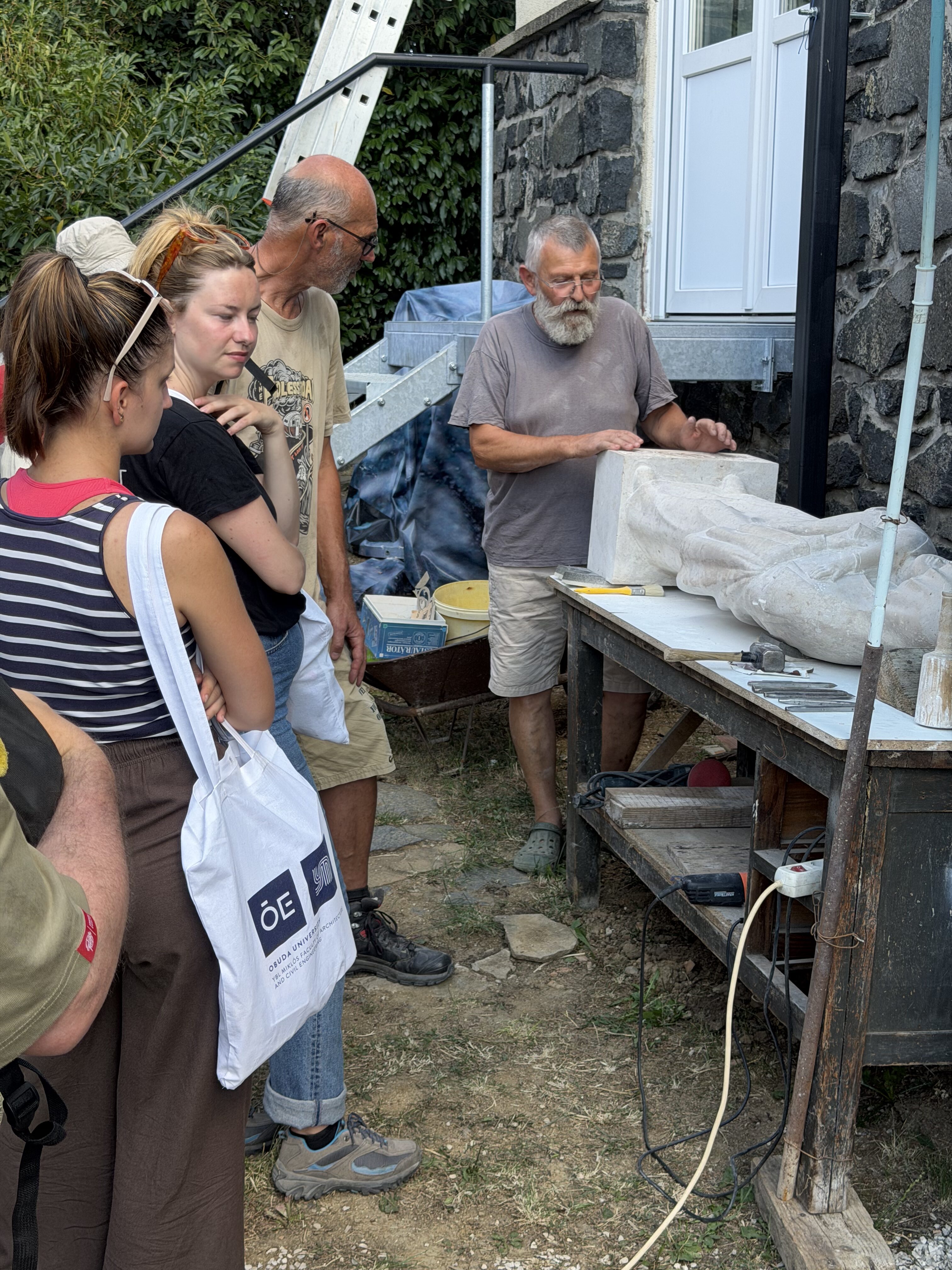
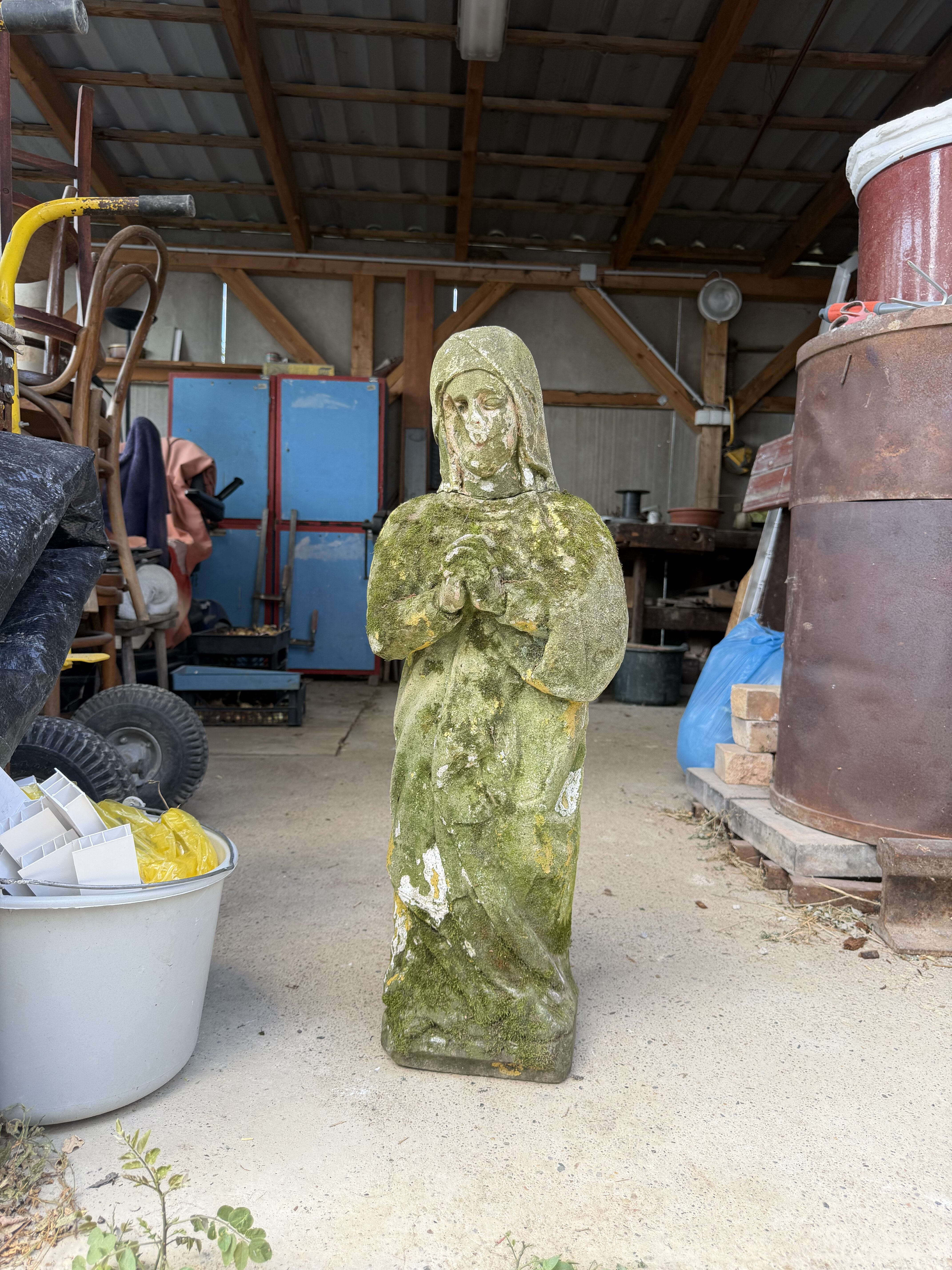
The original covering and entrance to the fenced spring were dismantled down to the plinth. In their place, a stone arch gateway was erected, designed on site. It housed small statues previously located there, including the 18th-century Virgin Mary statue, which had lost its head over time. Lajos Orr, a local sculptor, carefully restored it by cleaning and reattaching the head.
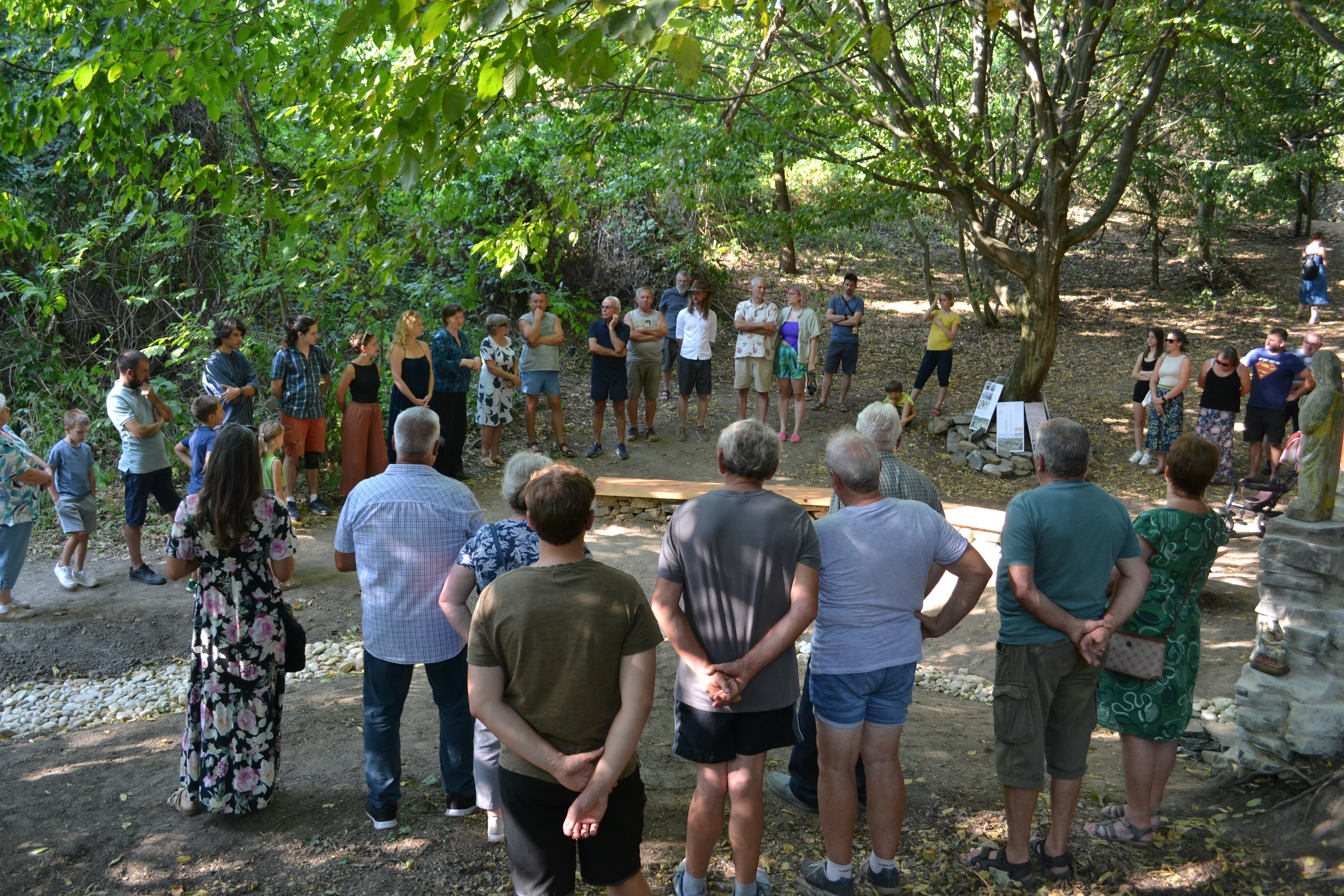
Despite almost unbearable heat in the second week, participants worked hard and finished on time. The Pap Well was restored and handed over during a meaningful closing ceremony. Notables present included Tibor Fülöp, Chief Architect of Zala County; Valéria Szabó, a faculty lecturer; and Prof. Dr Anthony John Gall, Dean of our Faculty, whose speech highlighted the event.
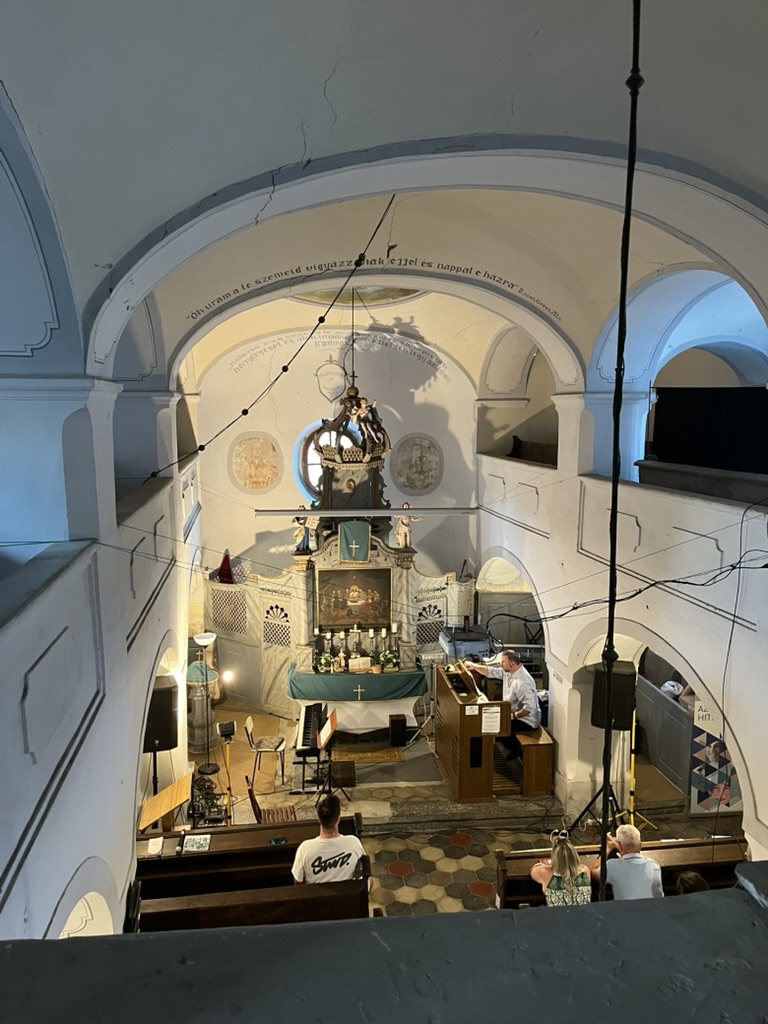
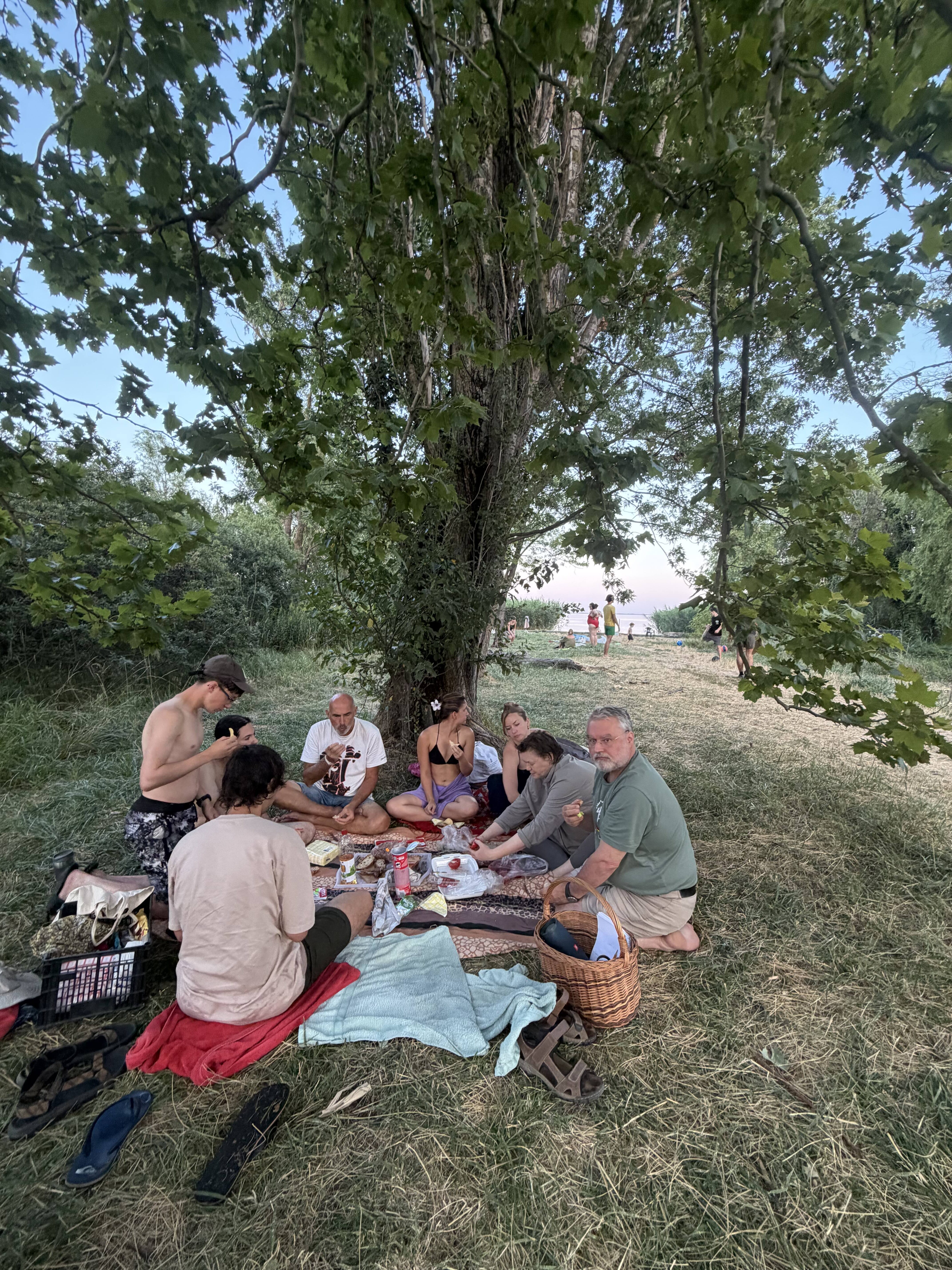
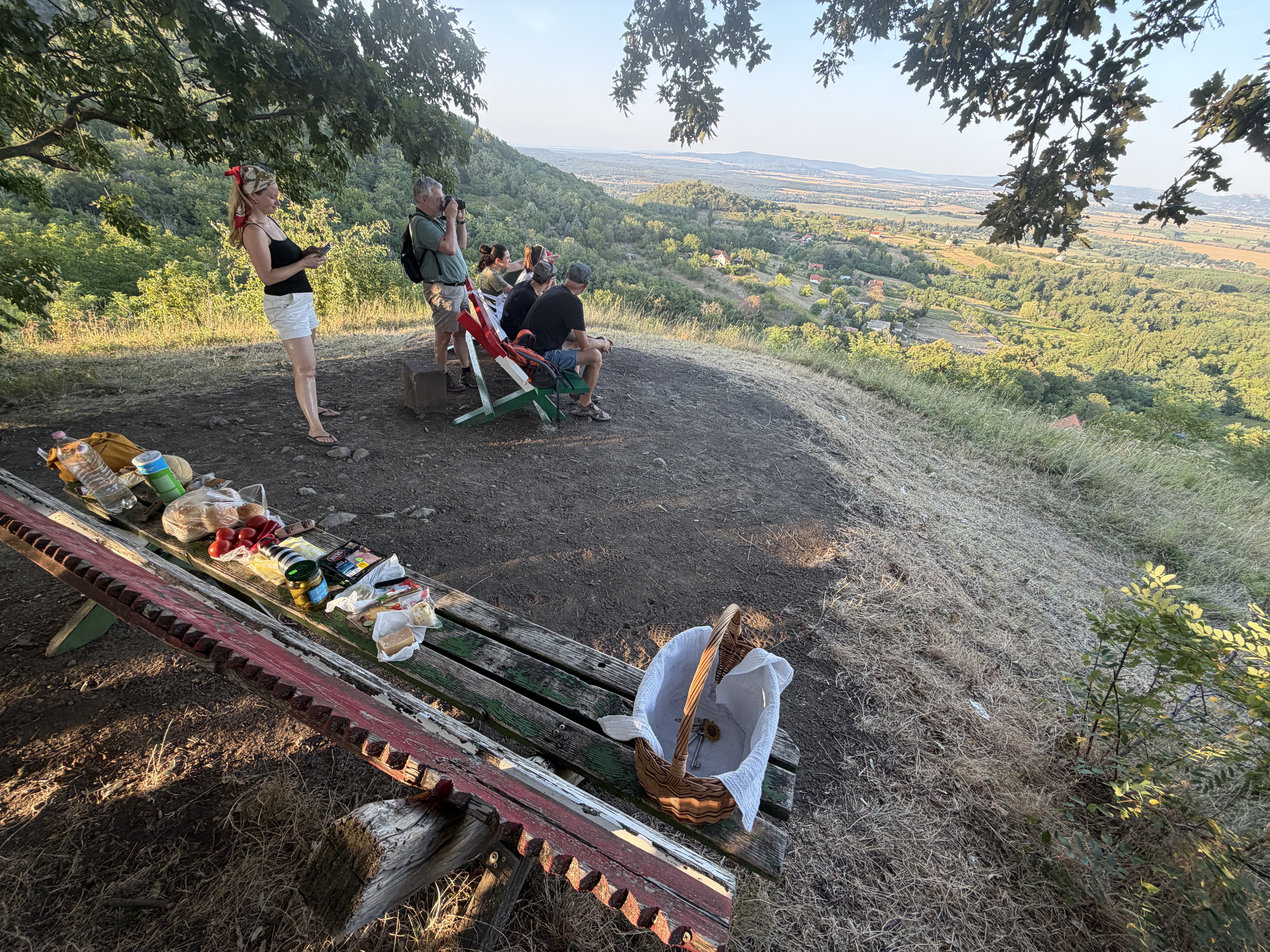
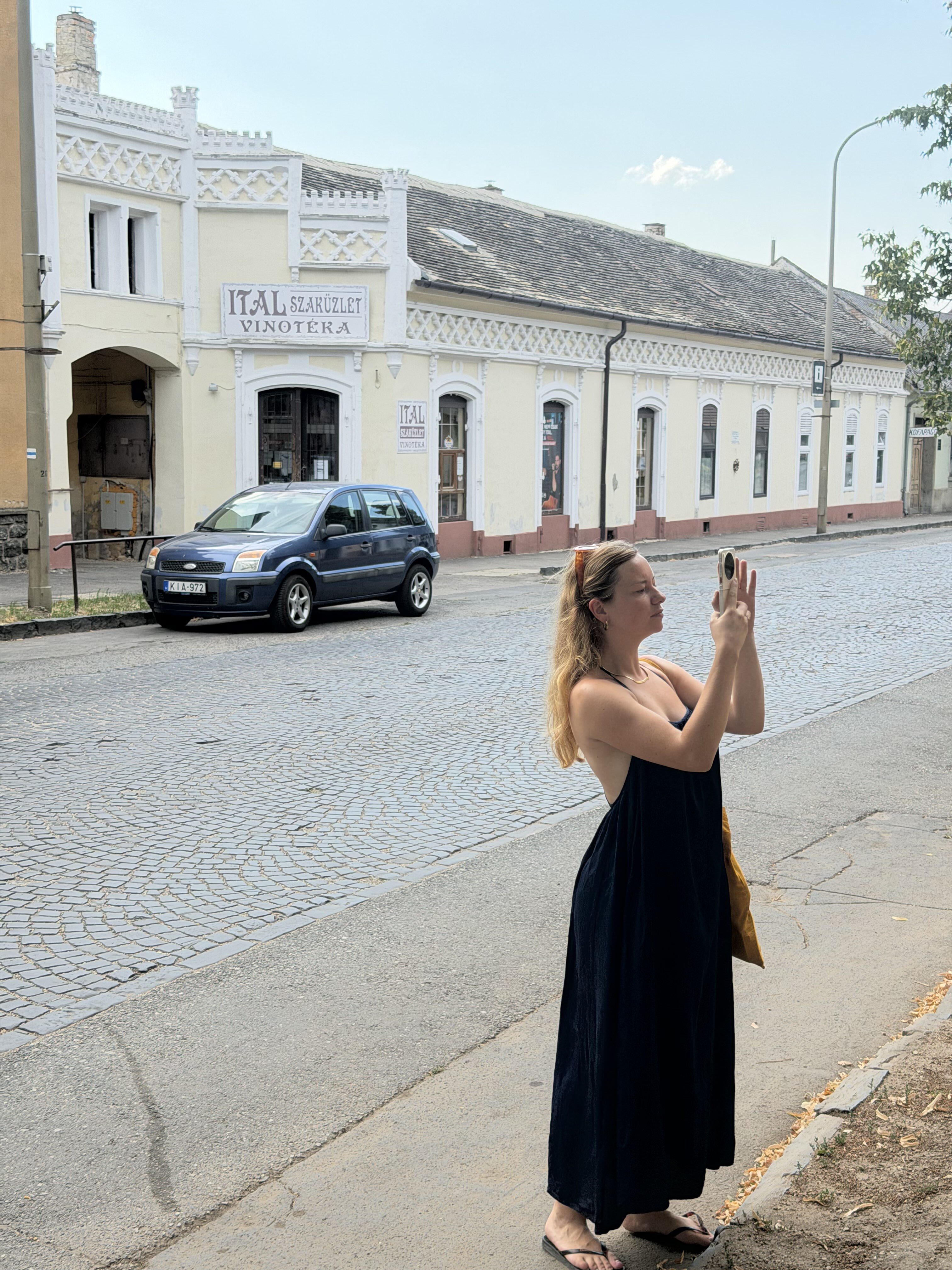
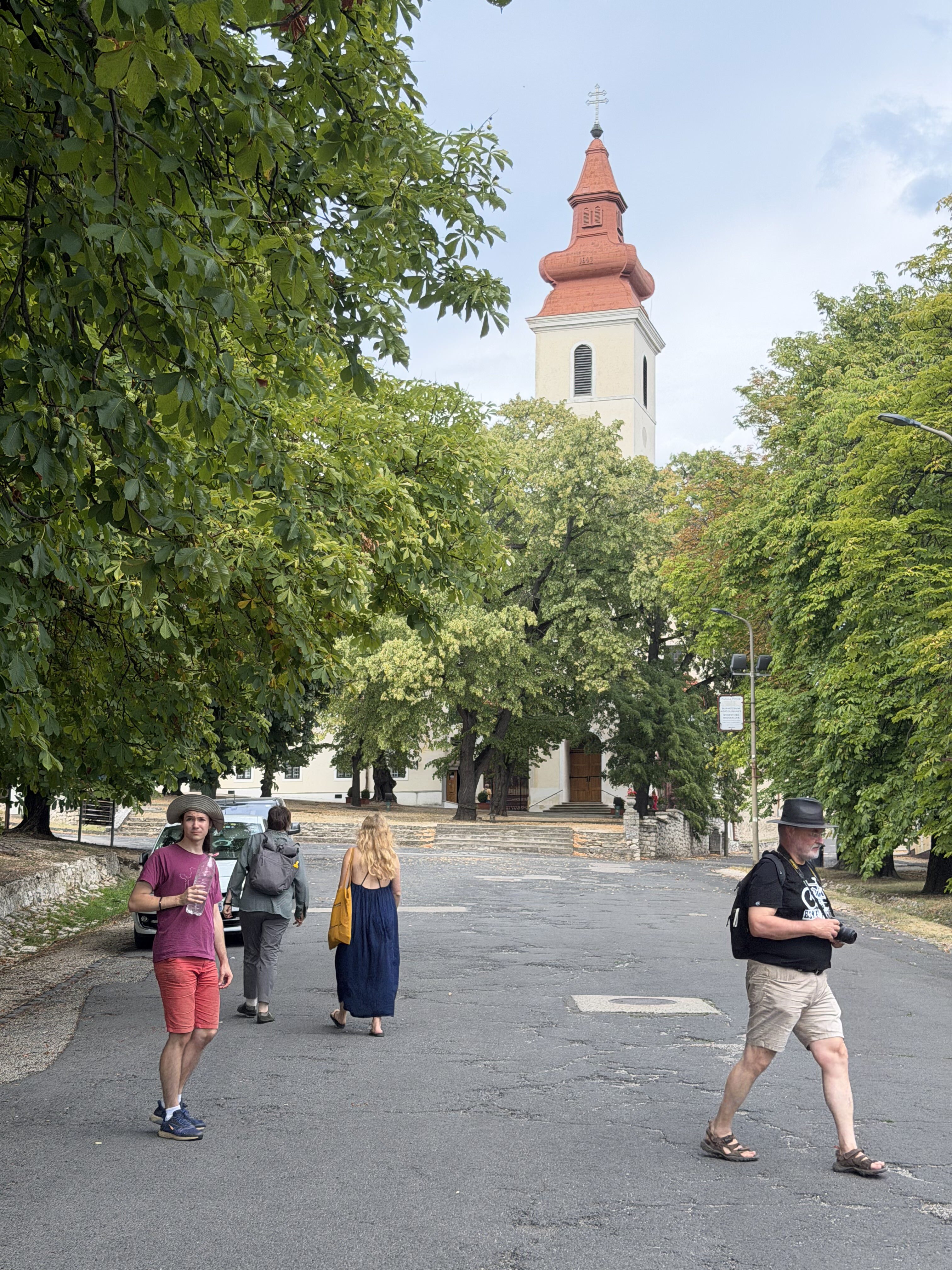
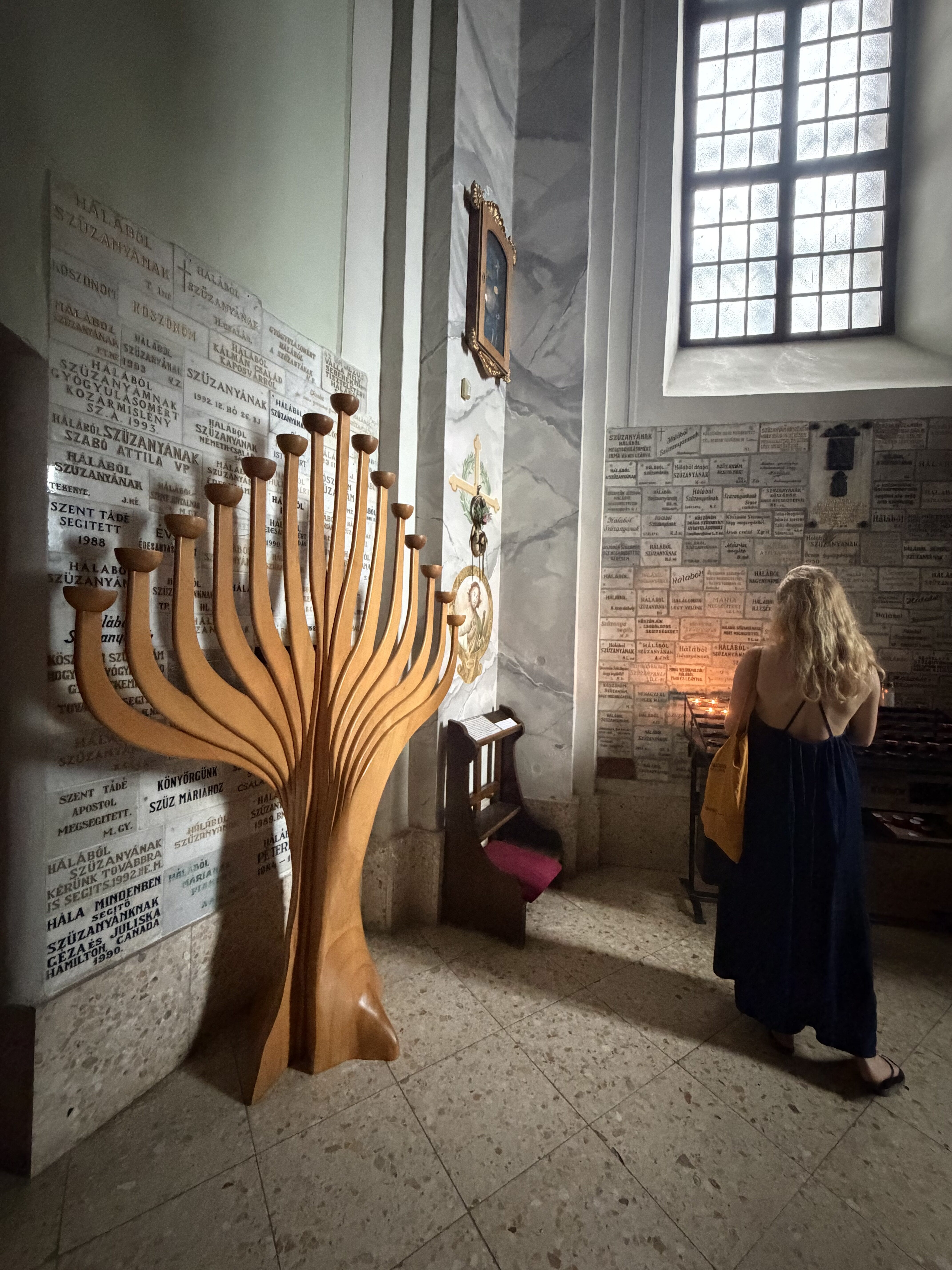
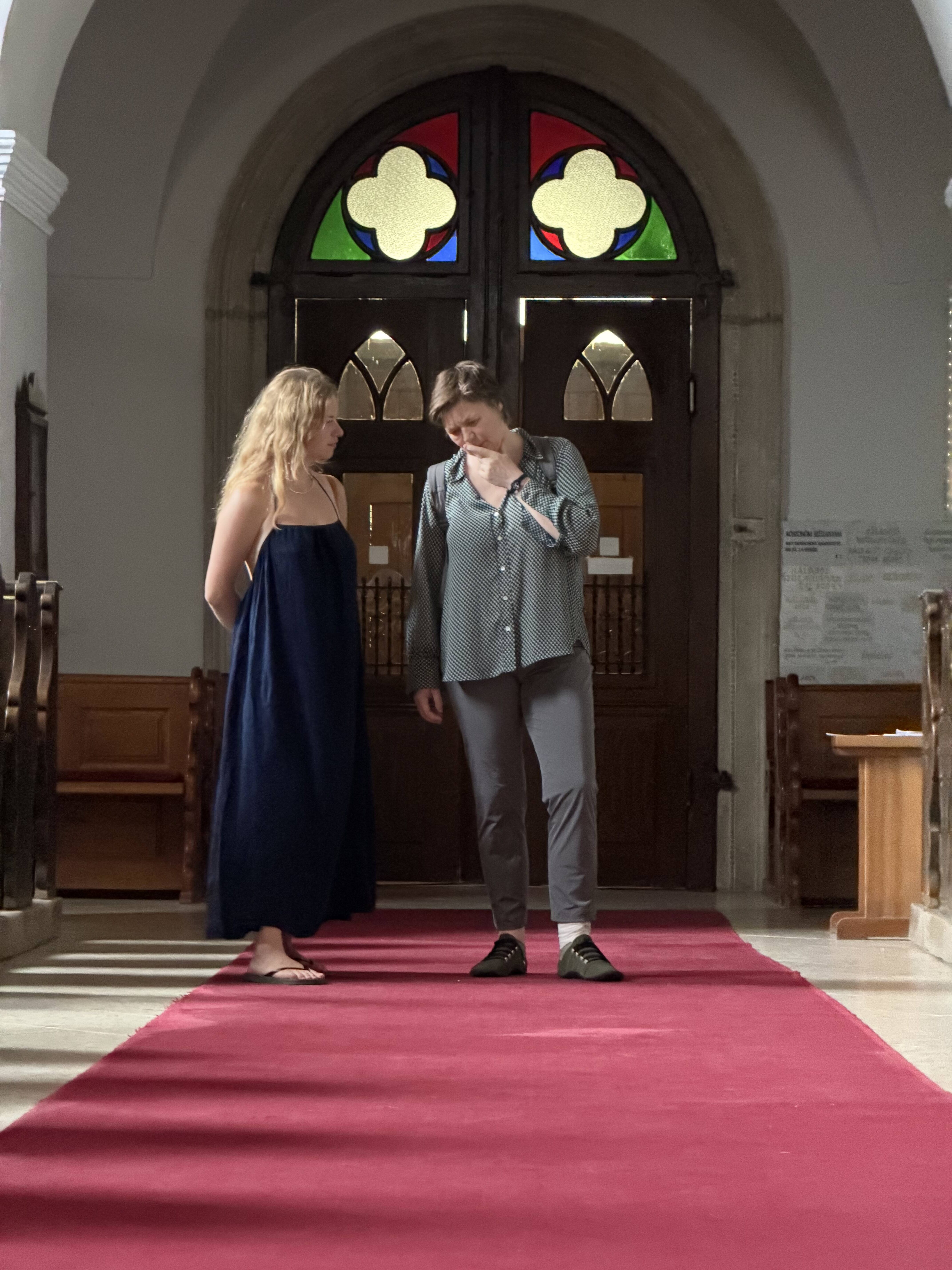
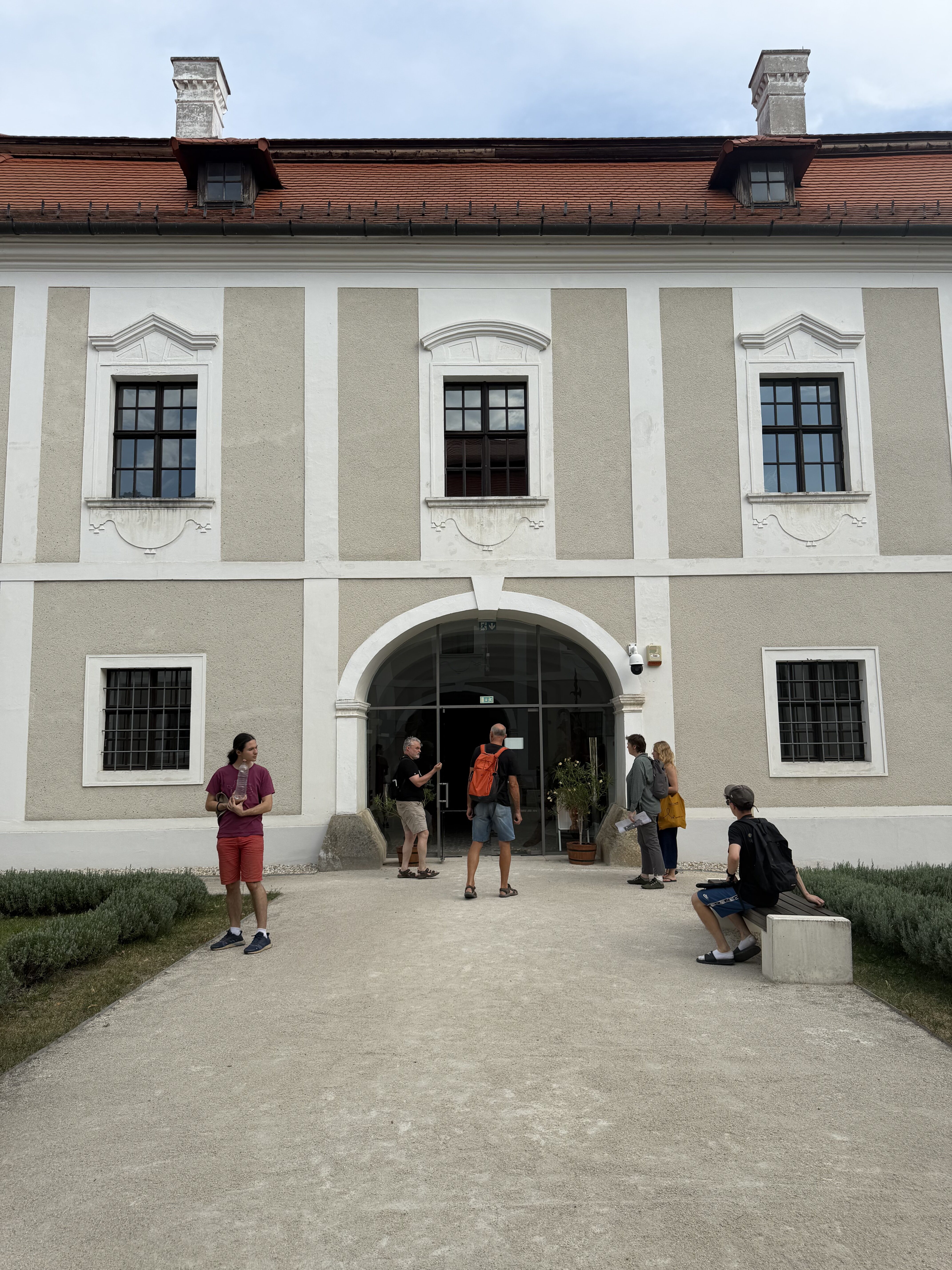
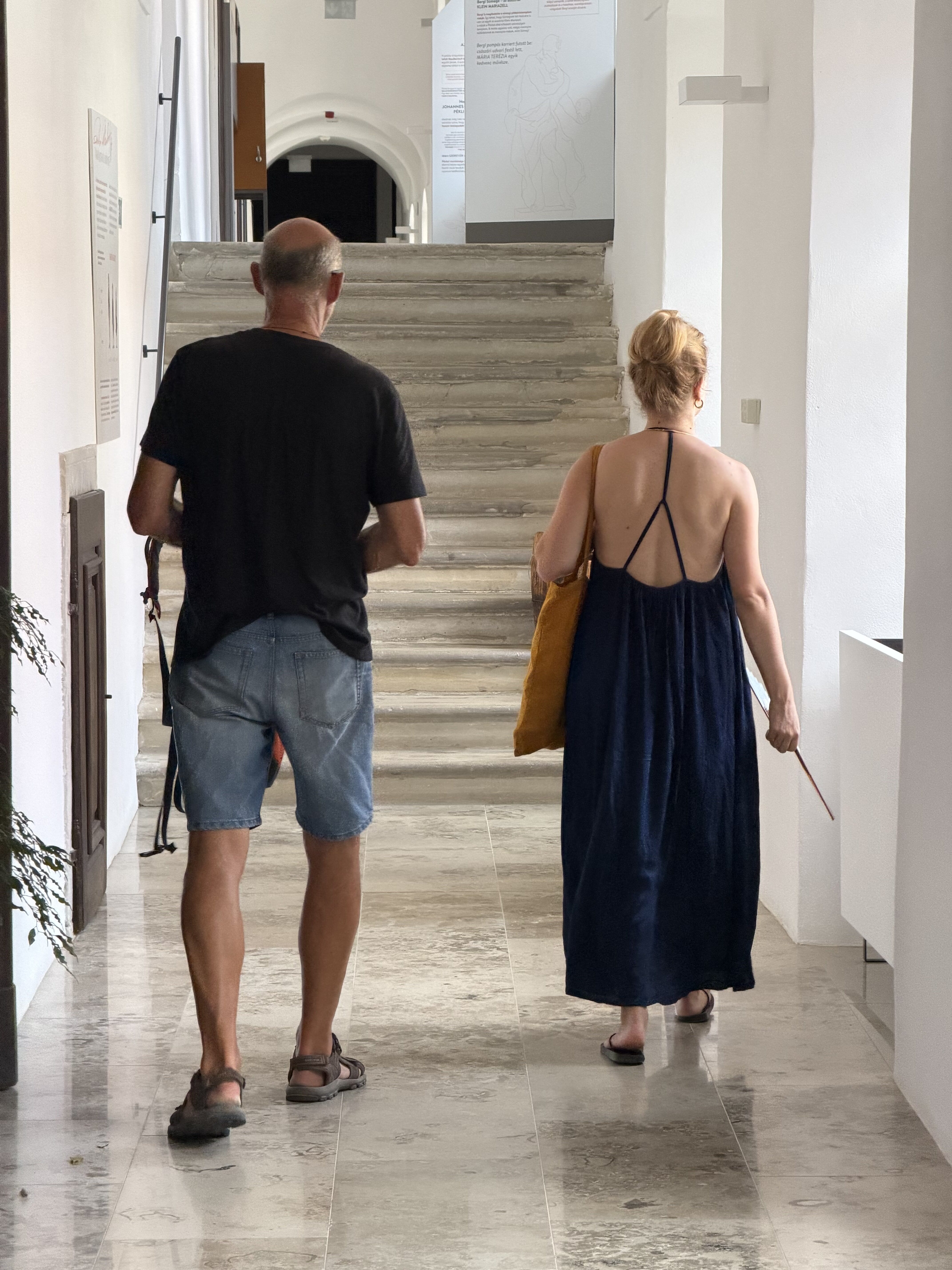
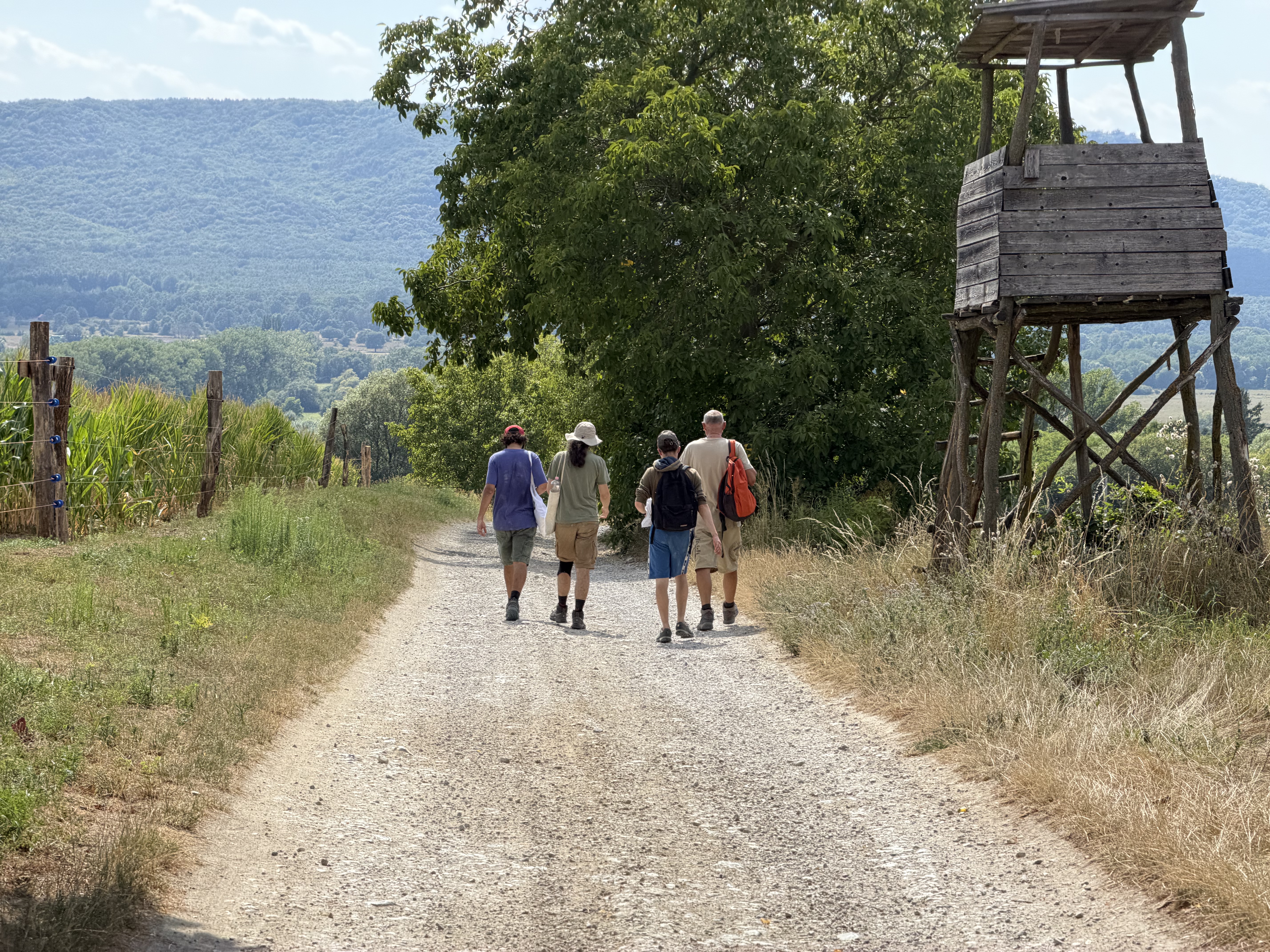
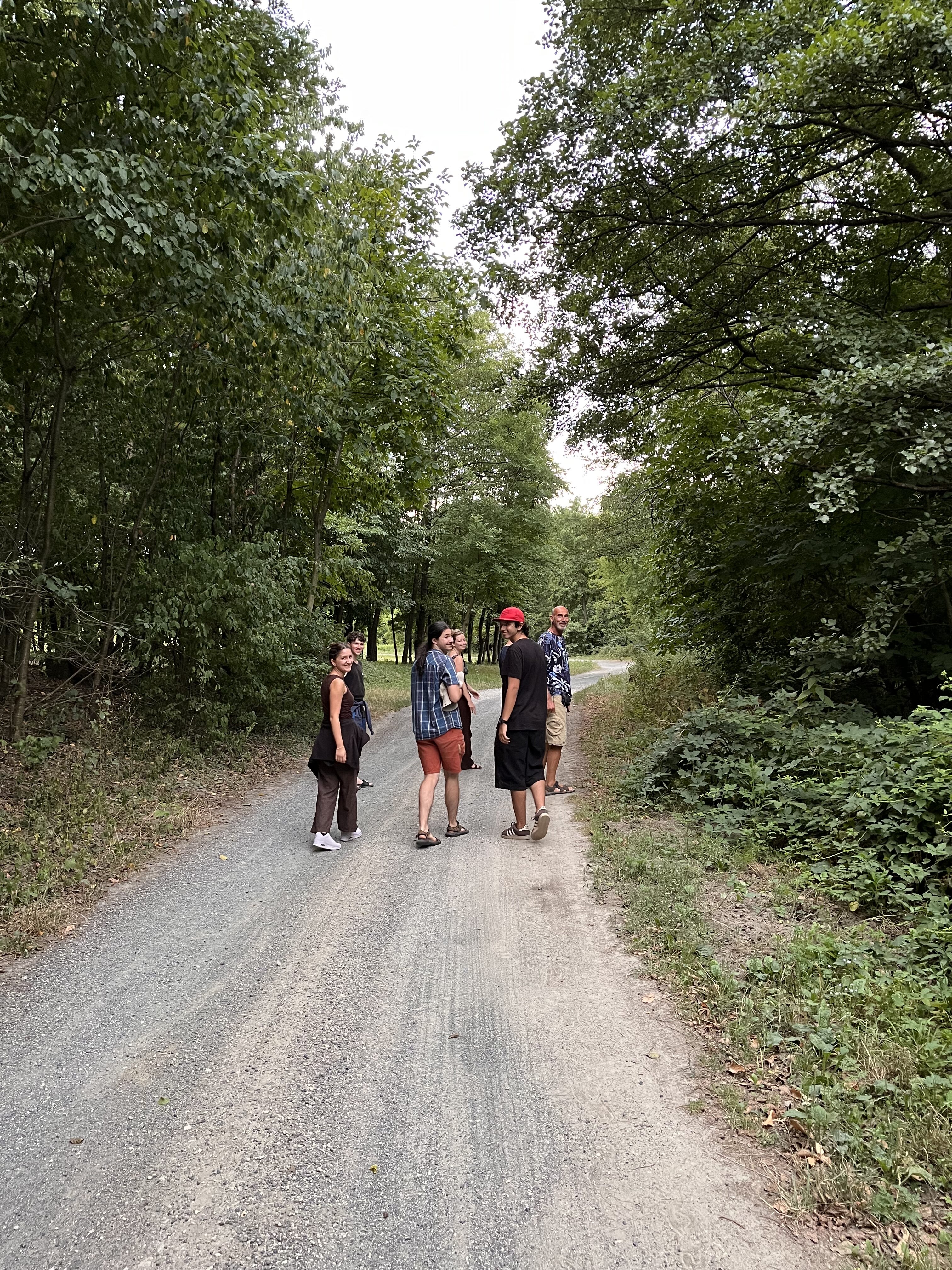
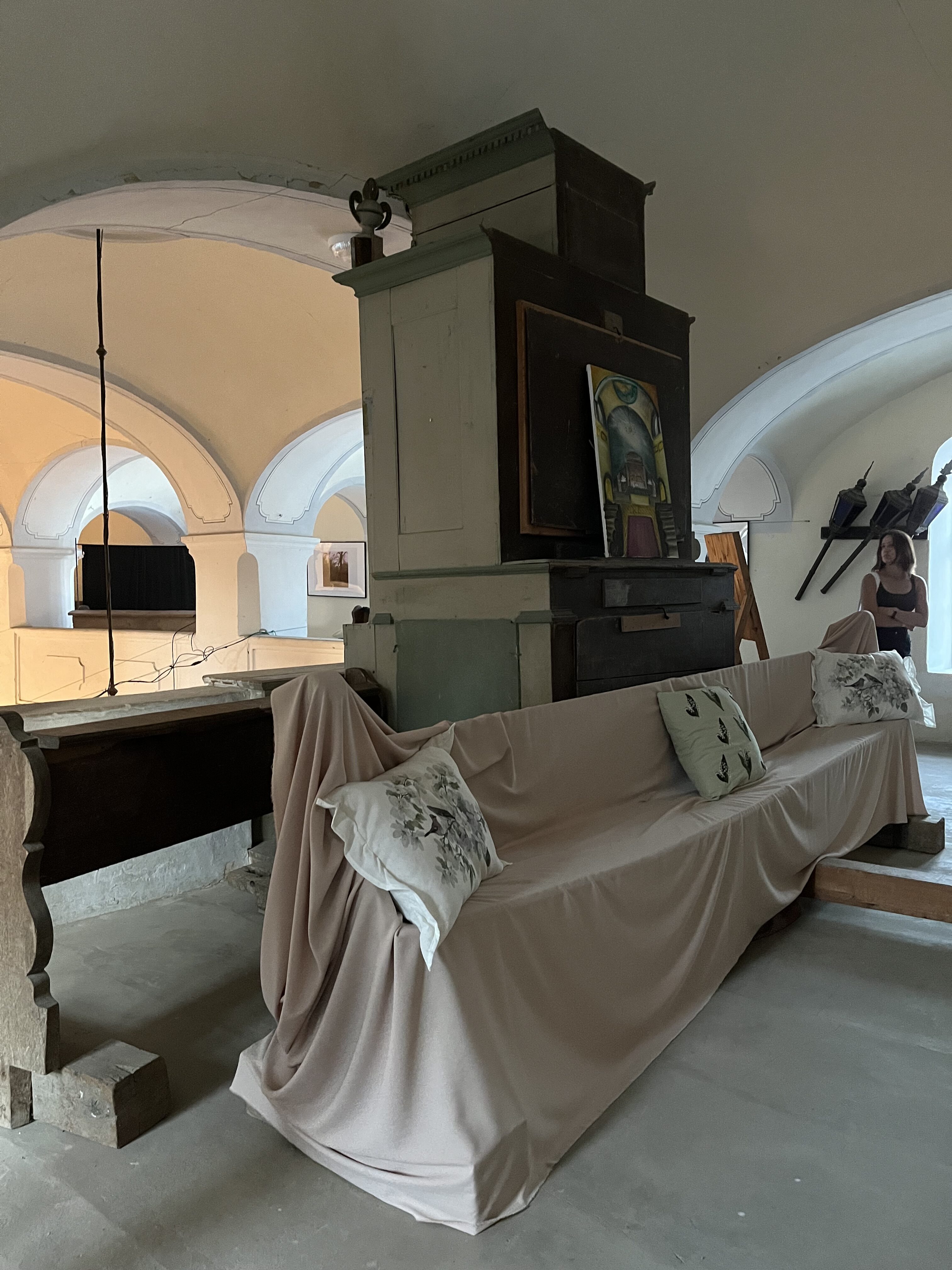
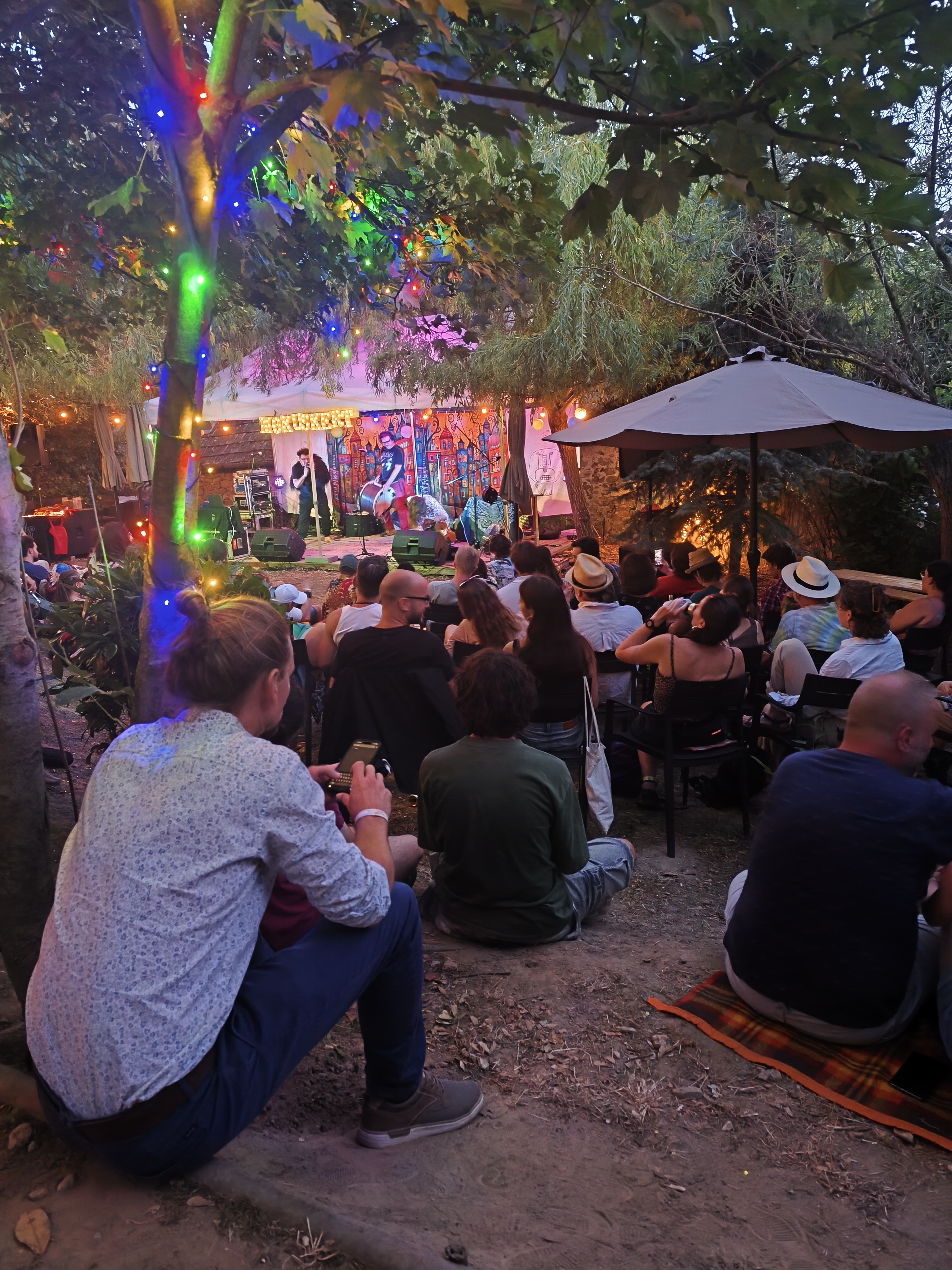
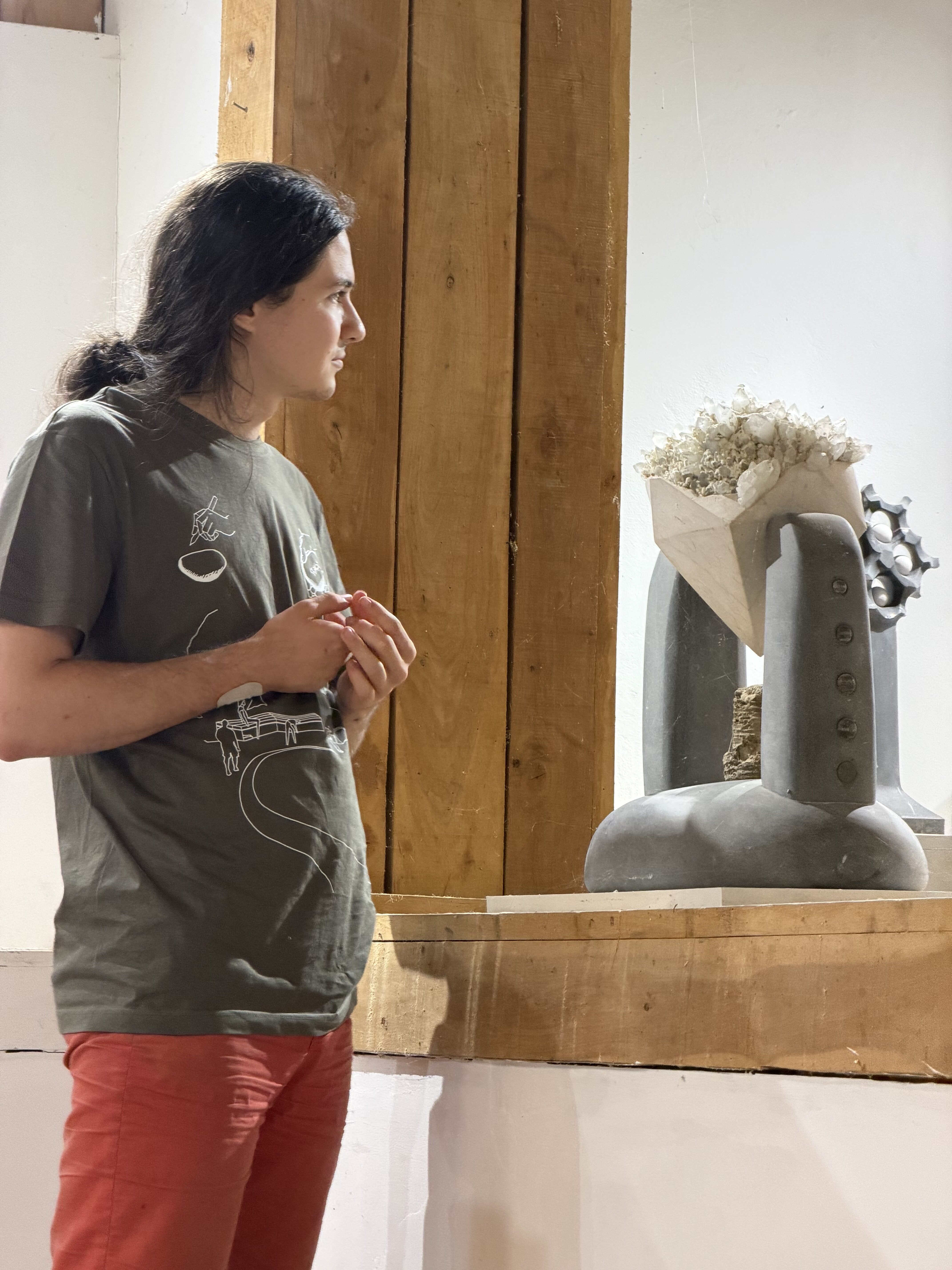
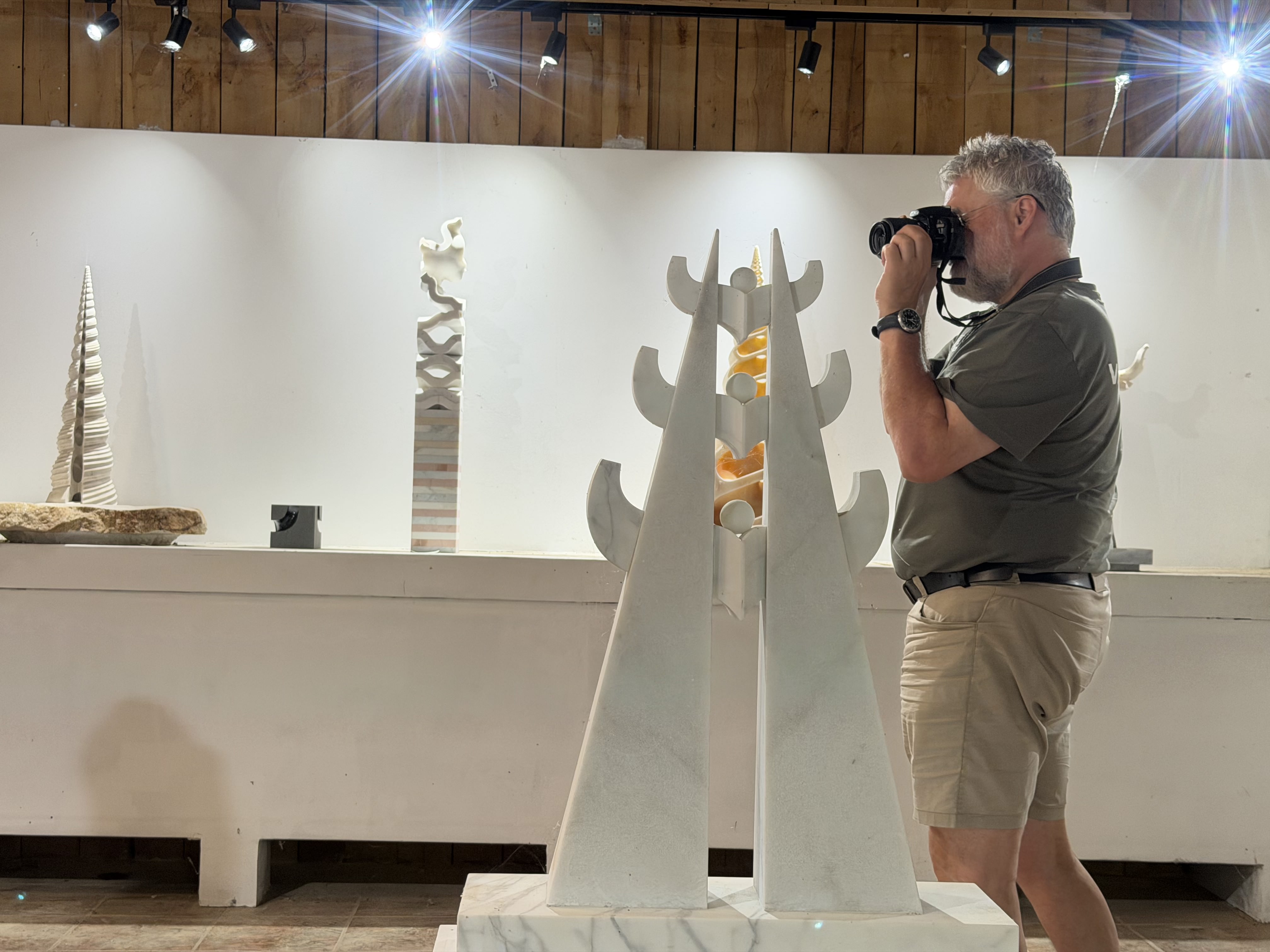
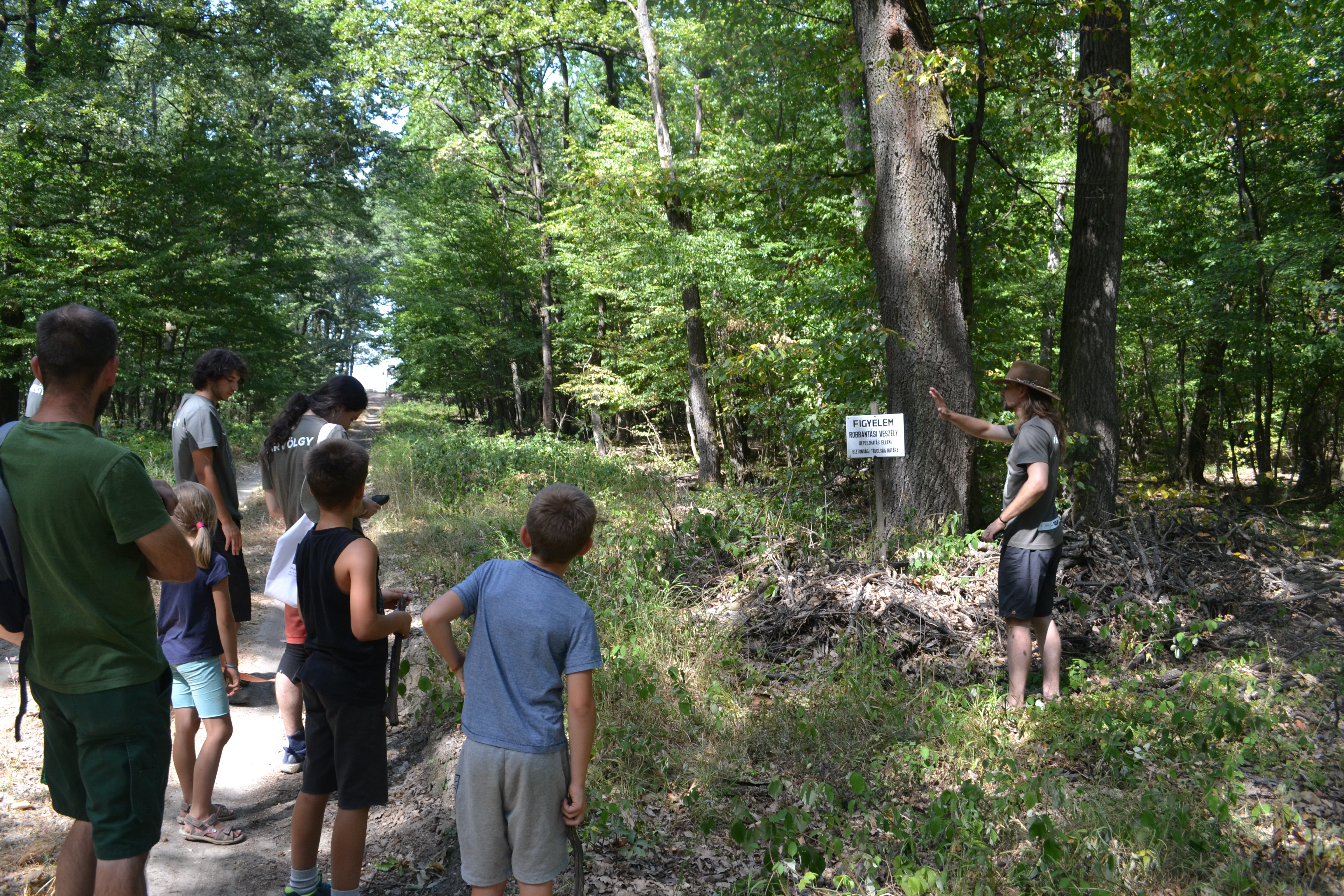
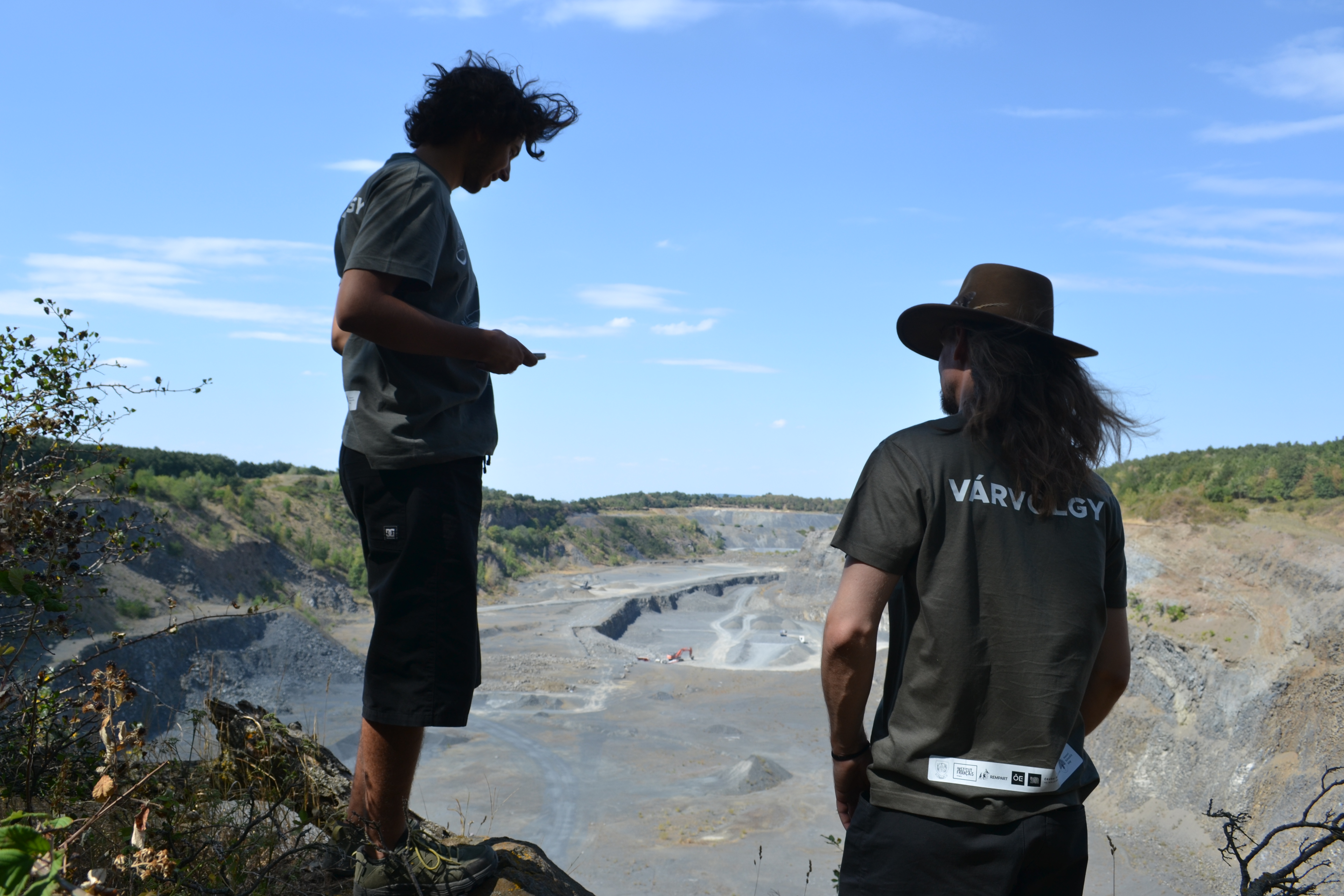
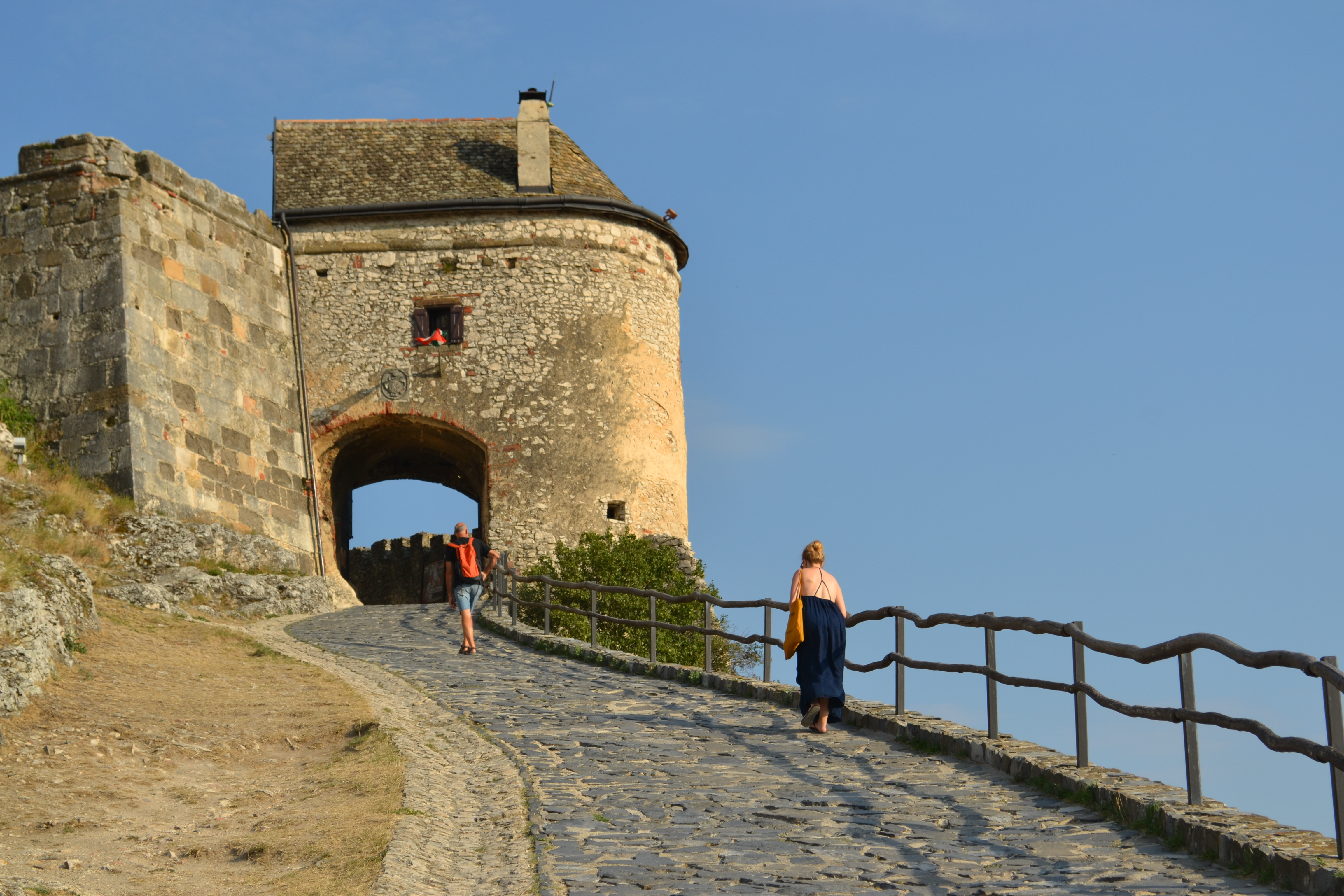
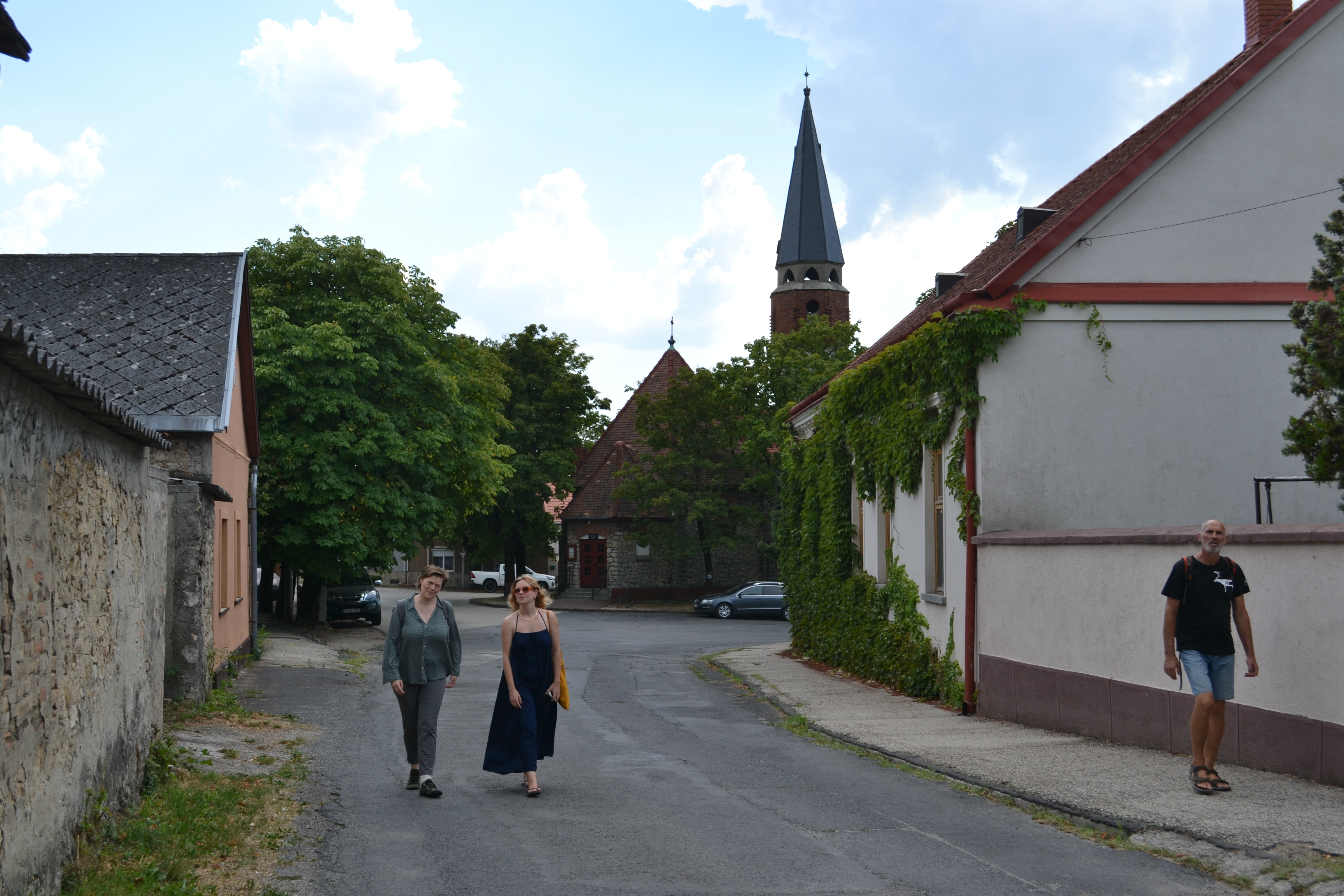
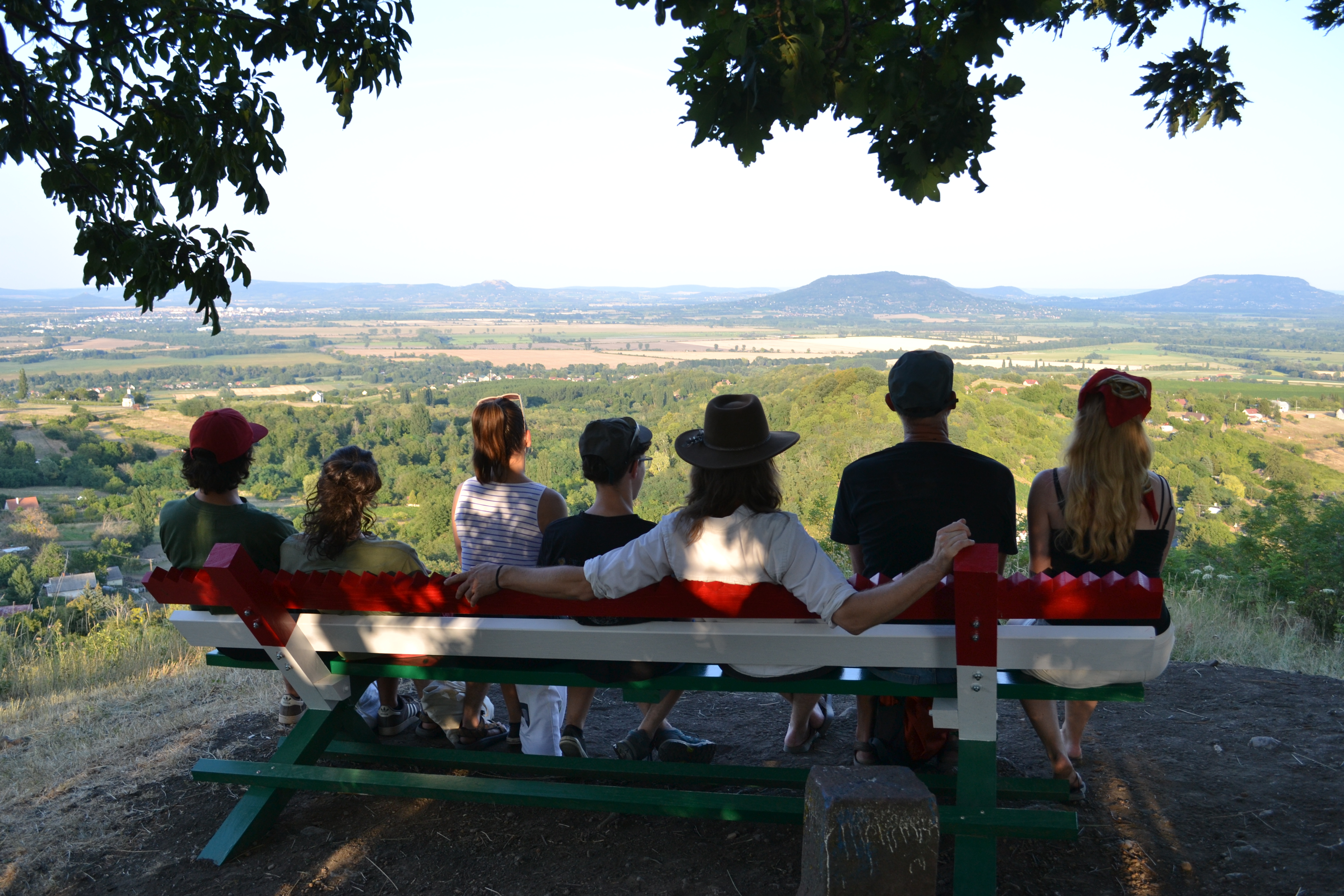
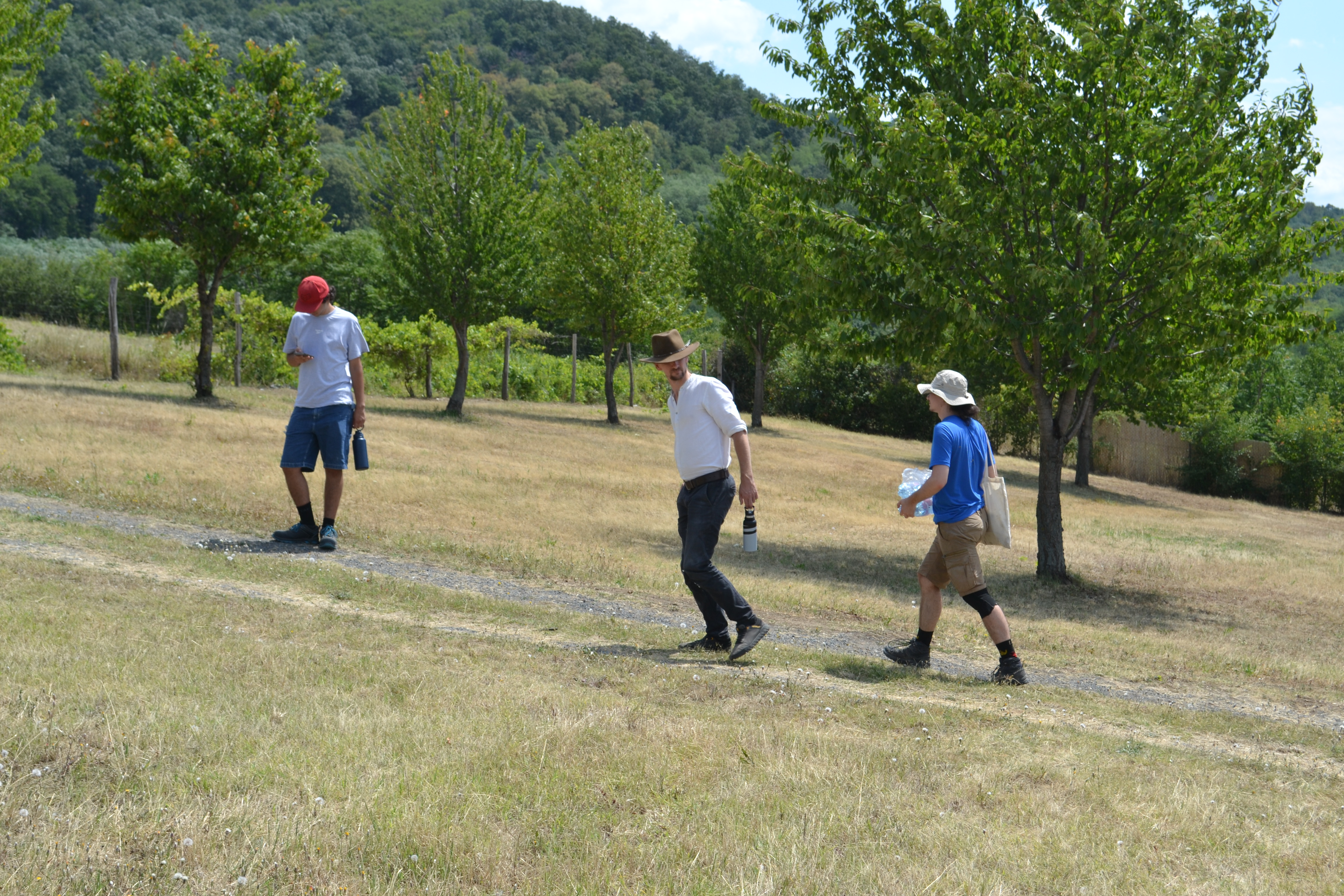
Besides construction, the camp featured cultural activities such as visiting the bishop’s palace and Sümeg castle, exploring Szigliget and Lake Balaton, cooking sessions, picnics, hikes, attending the NTDK exhibition at the Valley of the Arts, and musical activities, all fostering new friendships.
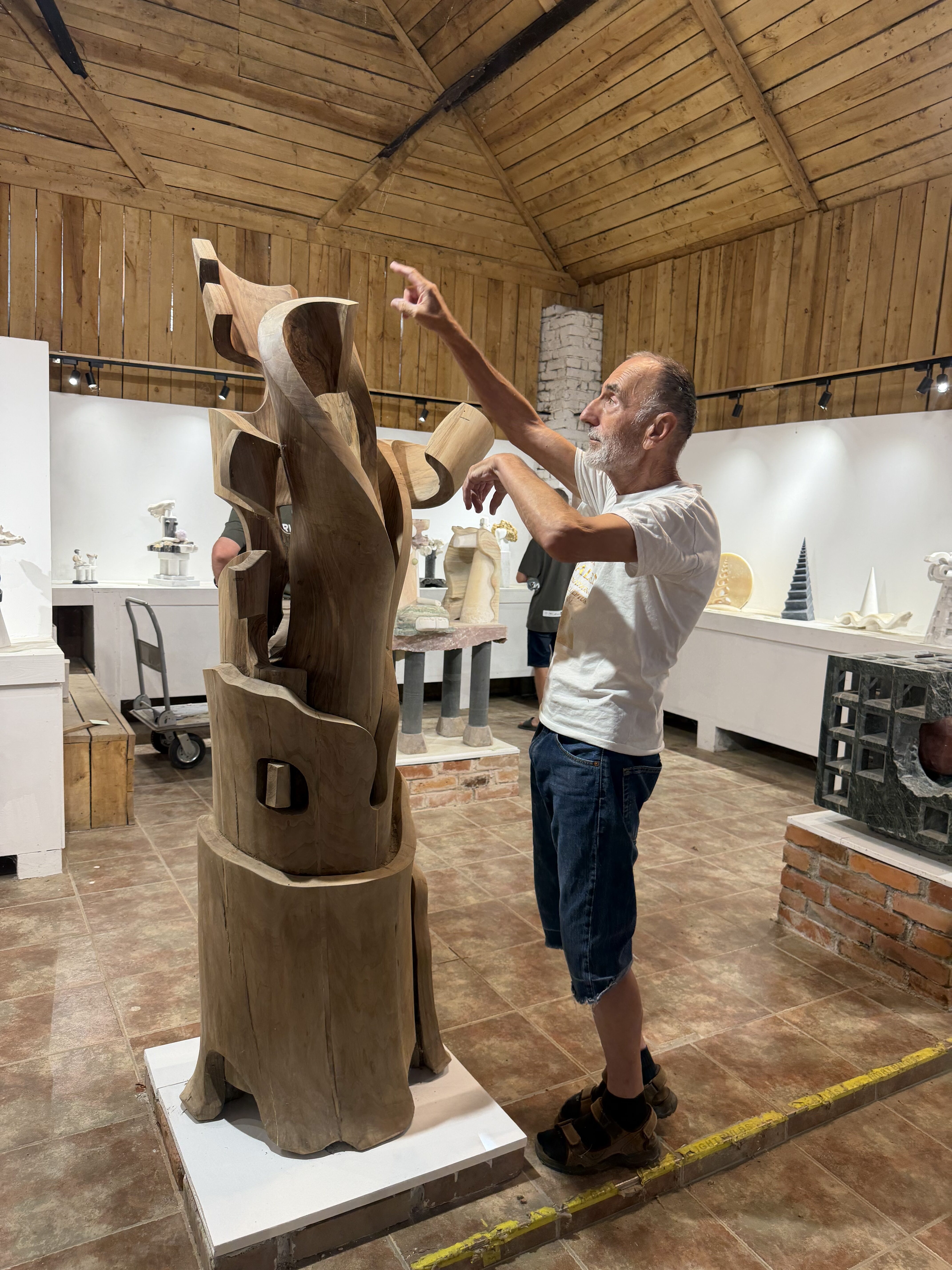
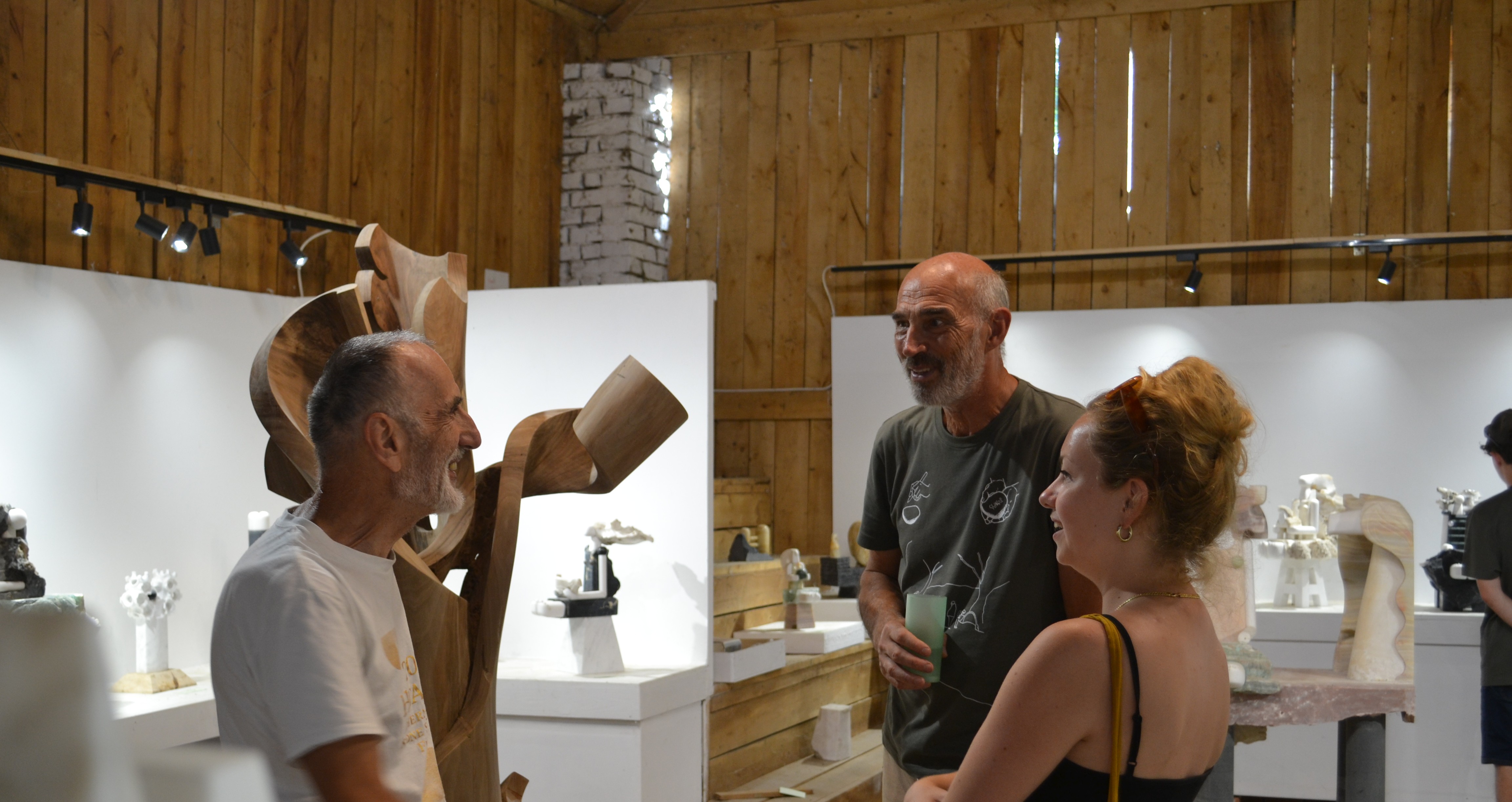
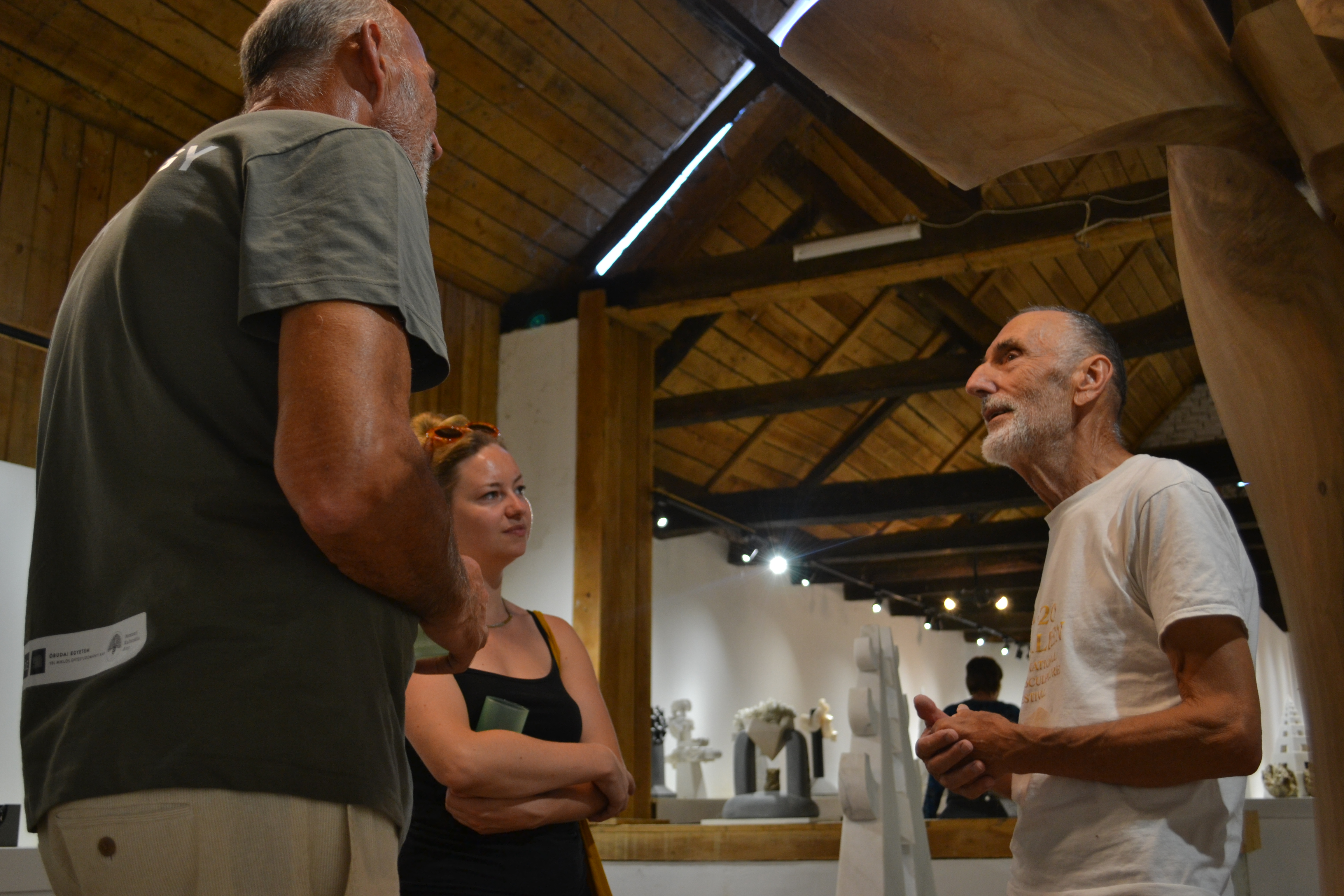
During a public event, Billie Bazin presented the Union REMPART organisation to the villagers and interested attendees, while sculptor József Visy discussed his work as a restorer and artist in France. Later, participants had the opportunity to see more of his work during a visit to his studio in Balatonmagyaród.
The success of the Várvölgy project highlights the promise of combining university learning, heritage conservation, and international volunteering. The Ybl Faculty, in partnership with Union REMPART and the National College of Chief Architects, plans to continue these camps in Hungary. We hope the first Hungarian REMPART camp will start a lasting tradition, welcoming international volunteers and Ybl students annually to new public heritage projects across Hungary.
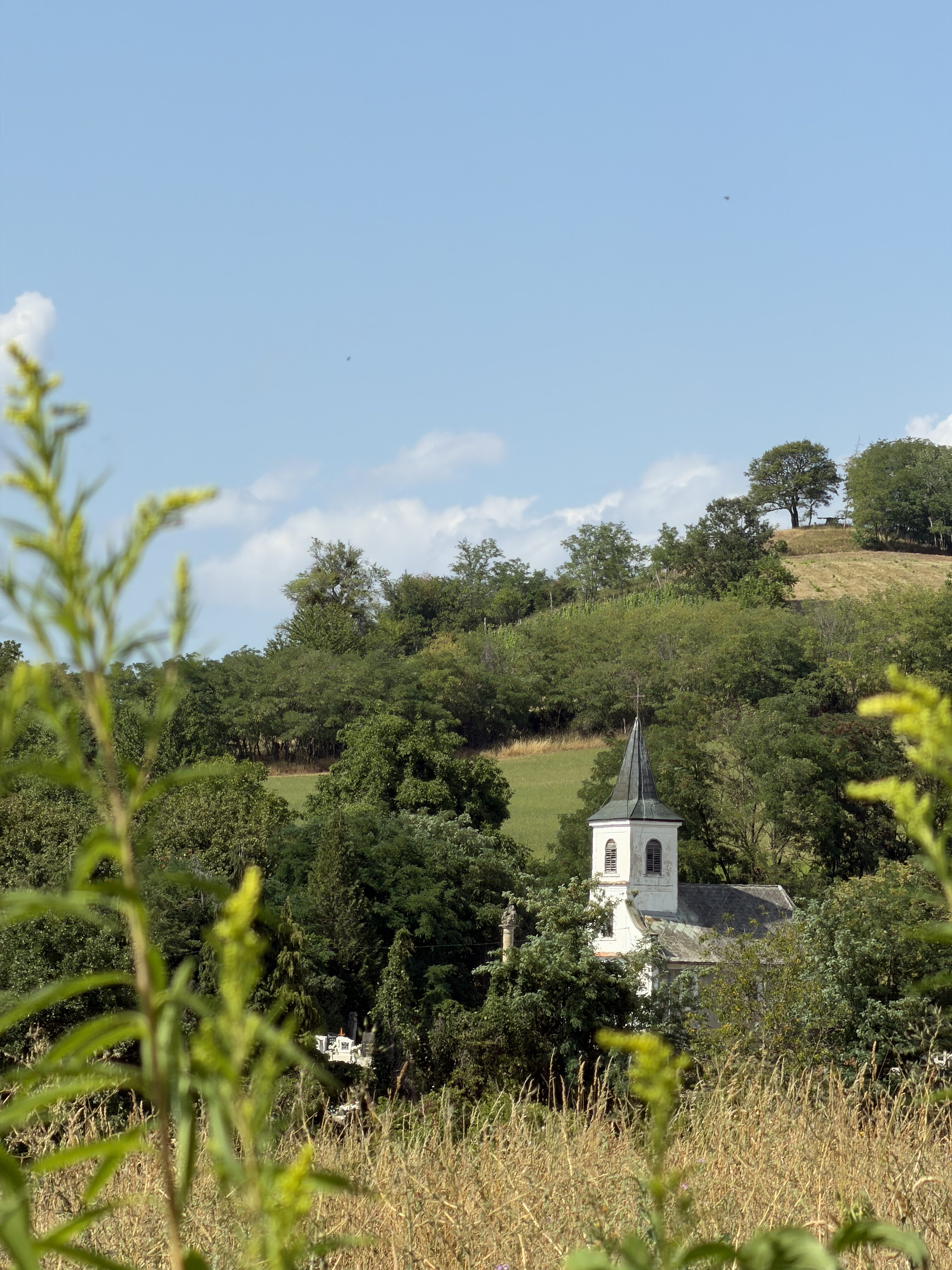
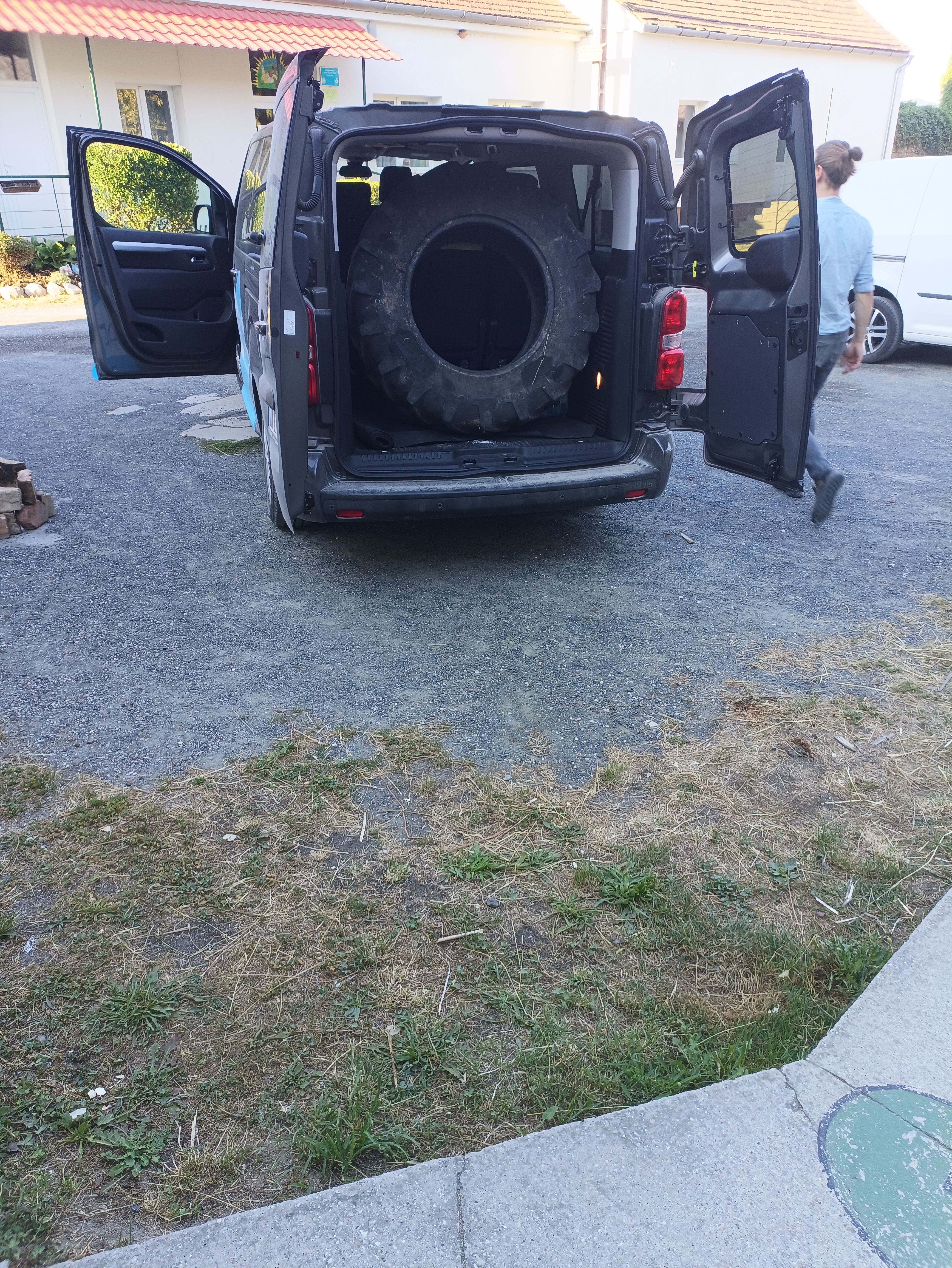
The successful launch of Hungary's first REMPART camp owes much to the dedication and support of our international and local partners. We sincerely thank Marie-Georges Pagel-Brousse, President of Union REMPART, whose vision and continuous backing were vital in shaping the Hungarian camps. We also appreciate Johanna O’Byrne and Billie Bazin from Union REMPART’s international affairs team for their role in implementing this pilot. Our gratitude extends to the French Institute in Hungary for their early support and for fostering this unique Franco-Hungarian heritage partnership. The project also depended heavily on the Local Council of Várvölgy for providing the venue and on the local community, especially Mayor Balázs Barcza and his family. Additional thanks go to Jenő Barcza, Dániel Cserép, Endre Czimondor, Borbála Kecskés, Zoltán Keczeli, Mercédes Kopcsányi, Tibor Lakatos, Lajos Orr, József Visy and Ferenc Nagypál. This initiative took place on the vineyard hills of Várvölgy, supported by the National Cultural Fund (NKA), with logistical aid from Óbuda University, particularly their minibus, along with the other partners mentioned.
designed by:
Imola Bodnár, Márton Helfrich, Bálint Horváth, Csaba Rohoska, Anna Szendrei
built by:
Aurél Benárd, Billie Bazin, Zsuzsa Fáczányi, Márton Helfrich, Hervé Hingant, Bálint Horváth, Maël Rouxel, Anna Szendrei, Balázs Váradi