Projekt tervezési terület (en)
NewPalace
.
Lecturers and students from our faculty at the 3rd International Conference on Folk Architecture
conference
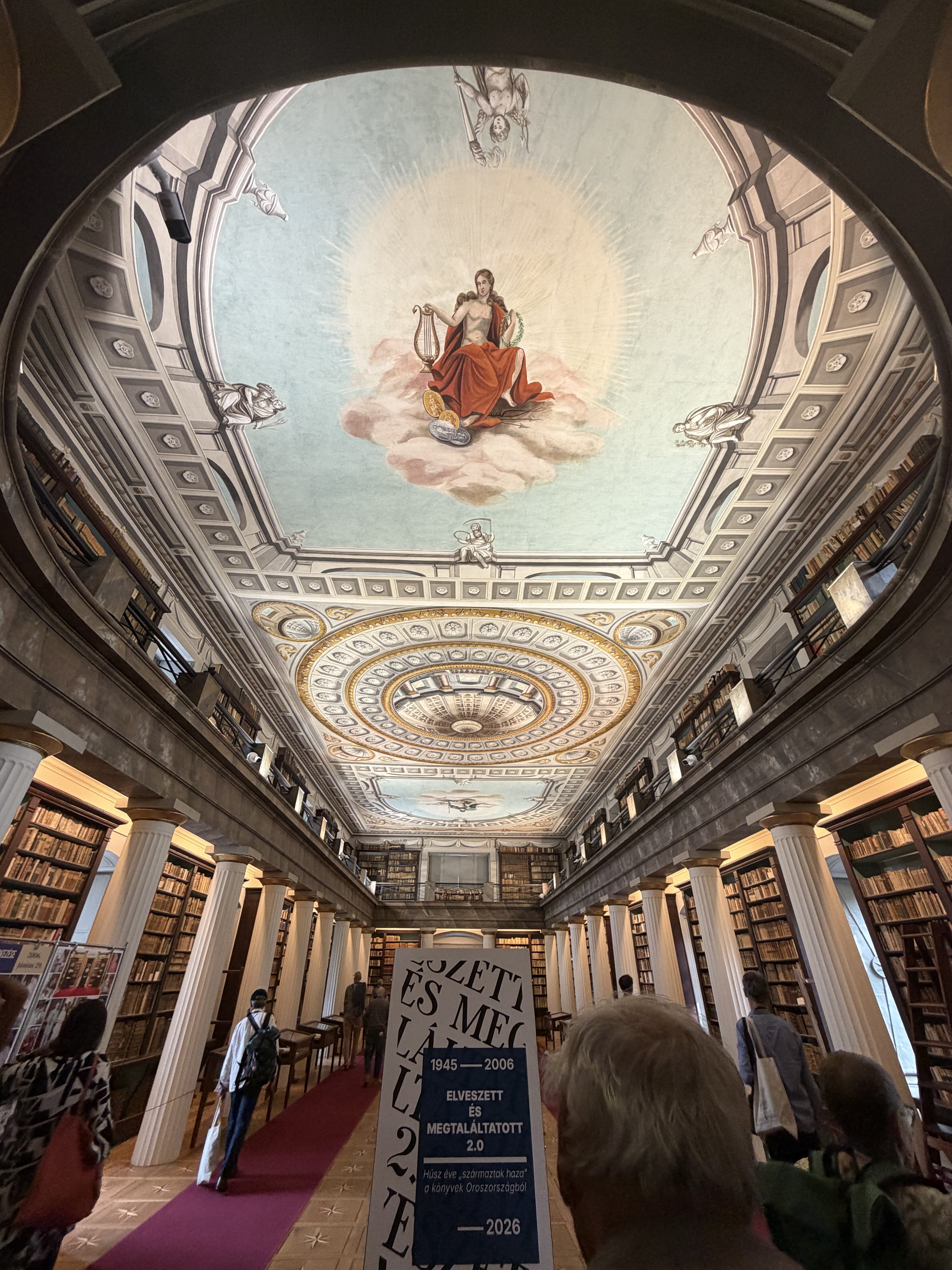
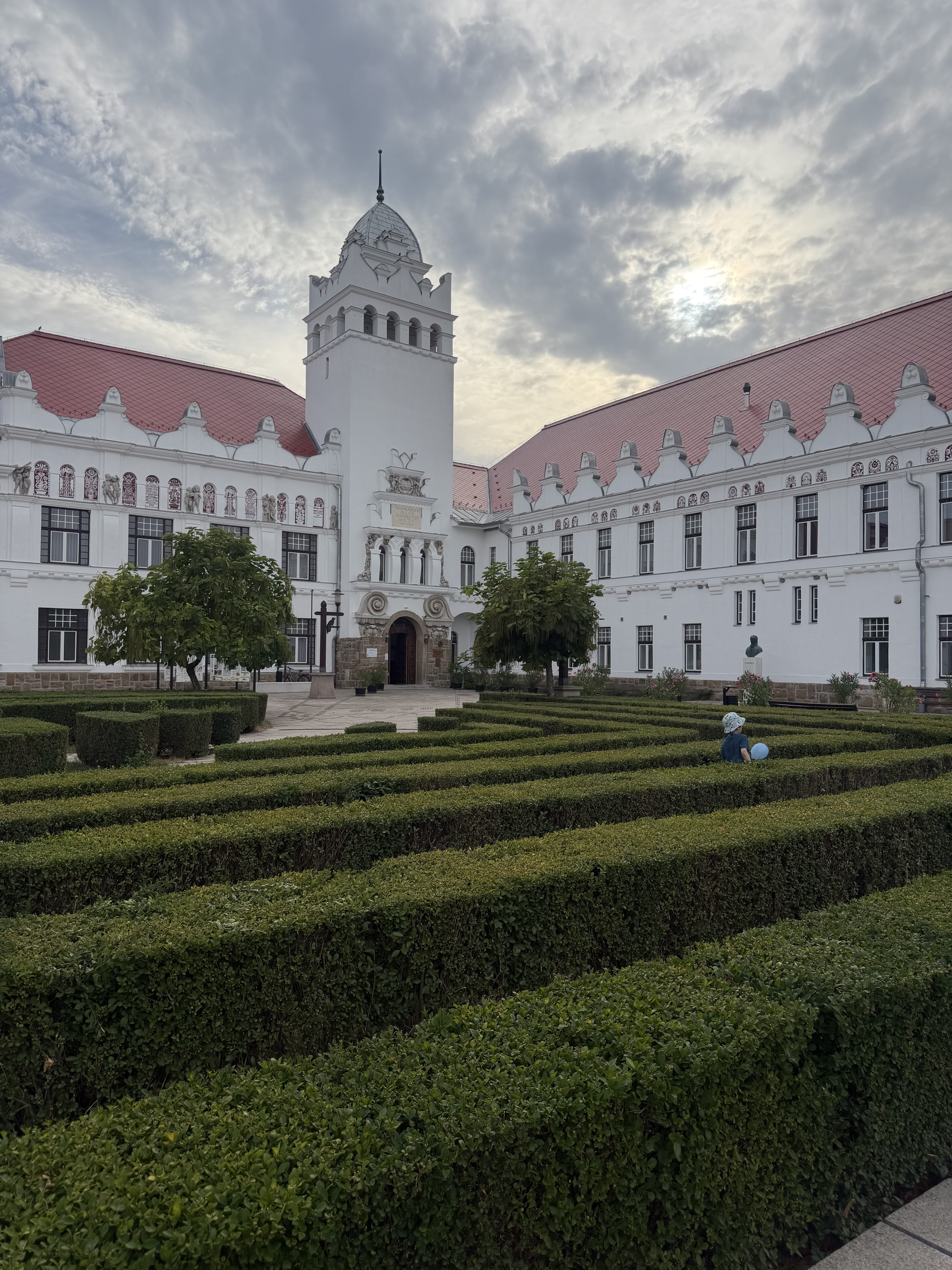
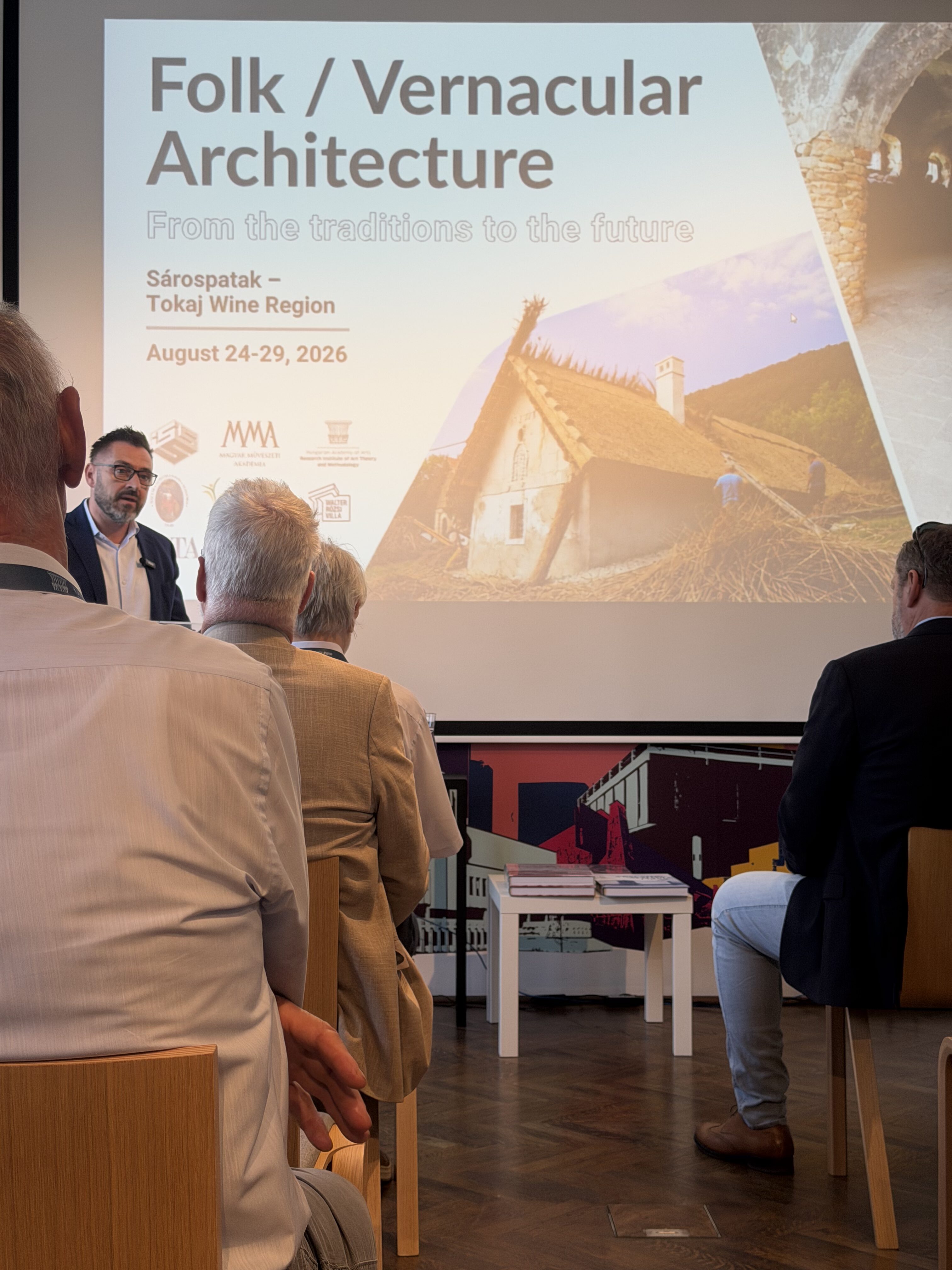
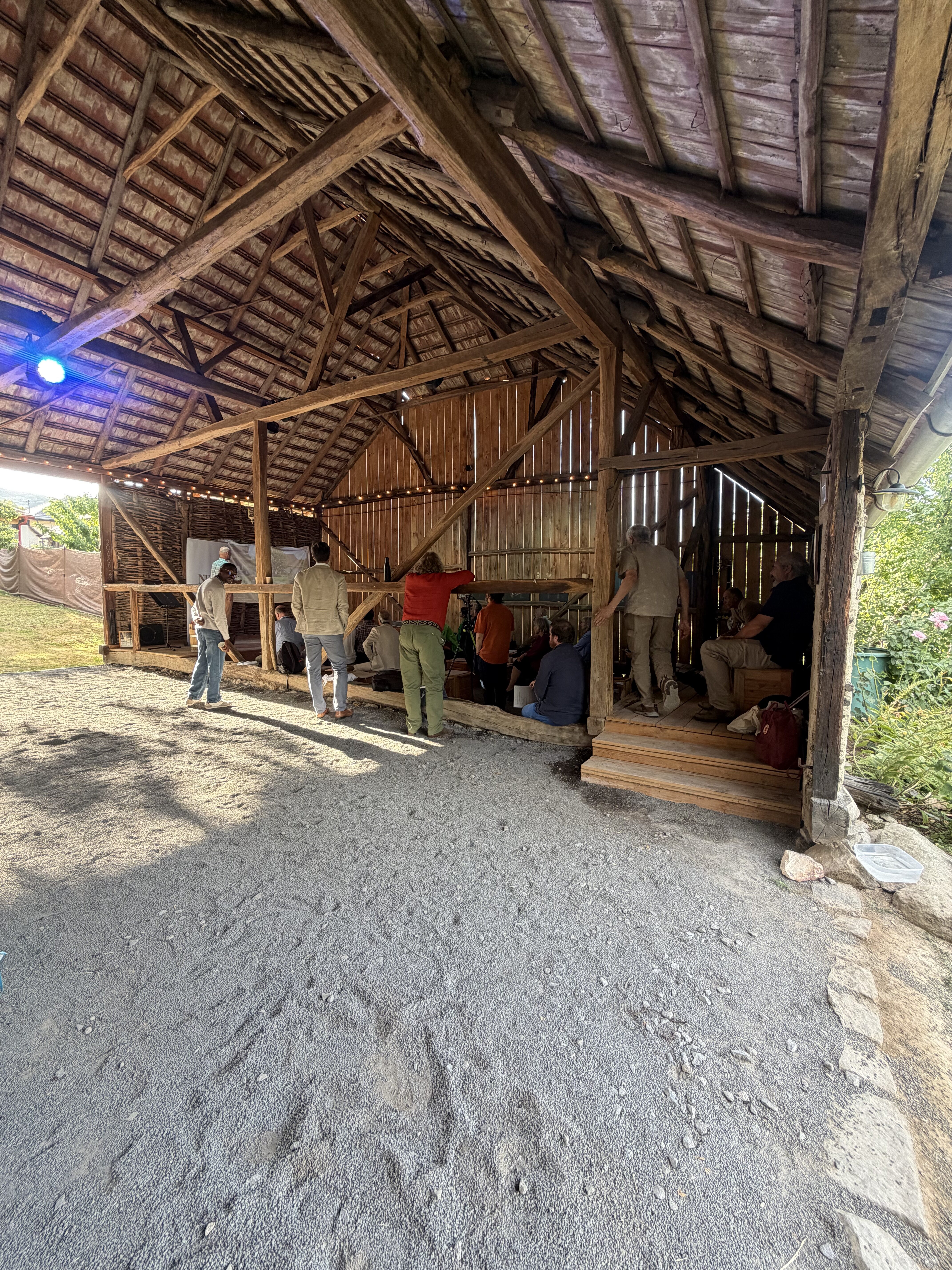
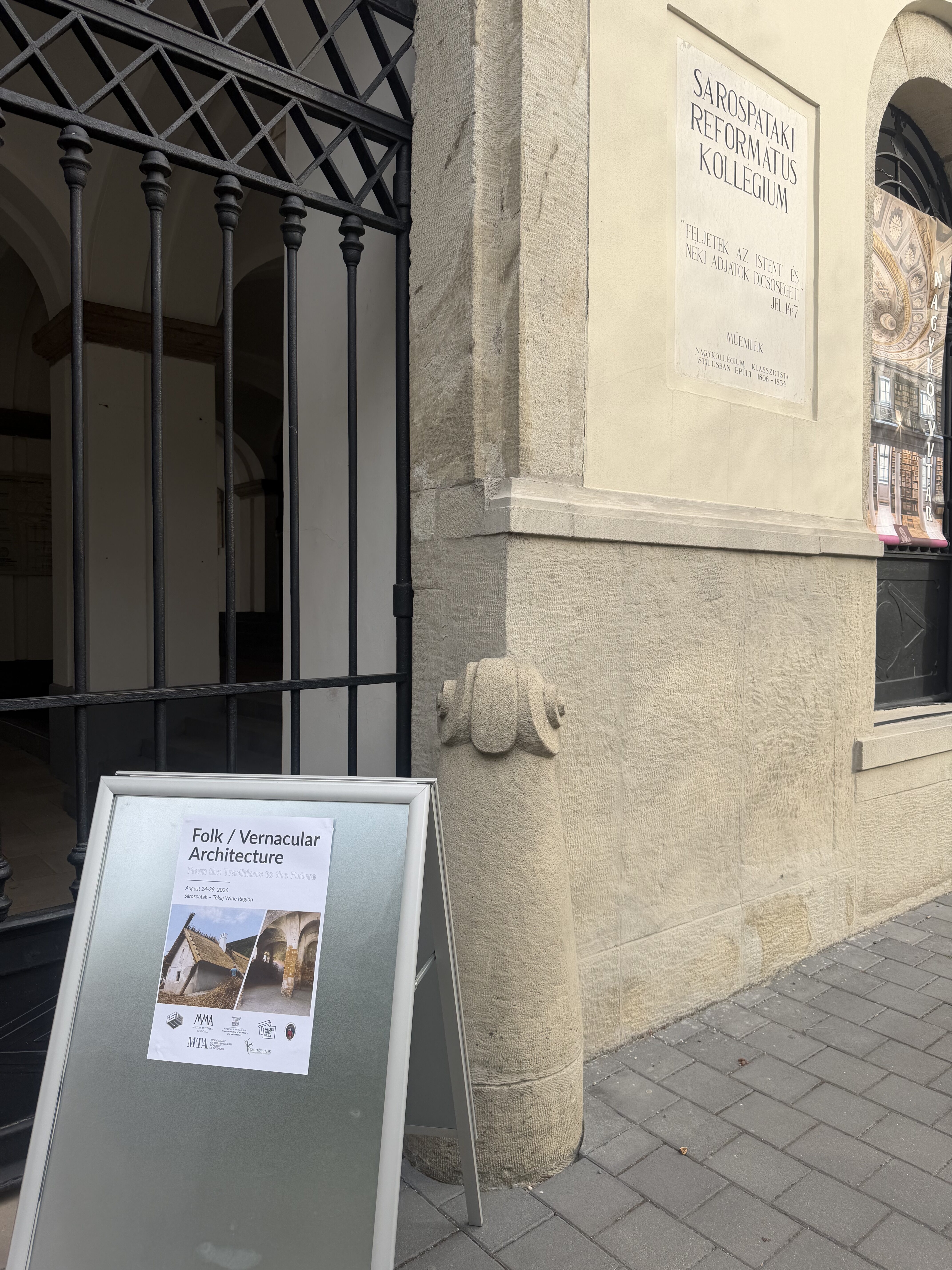
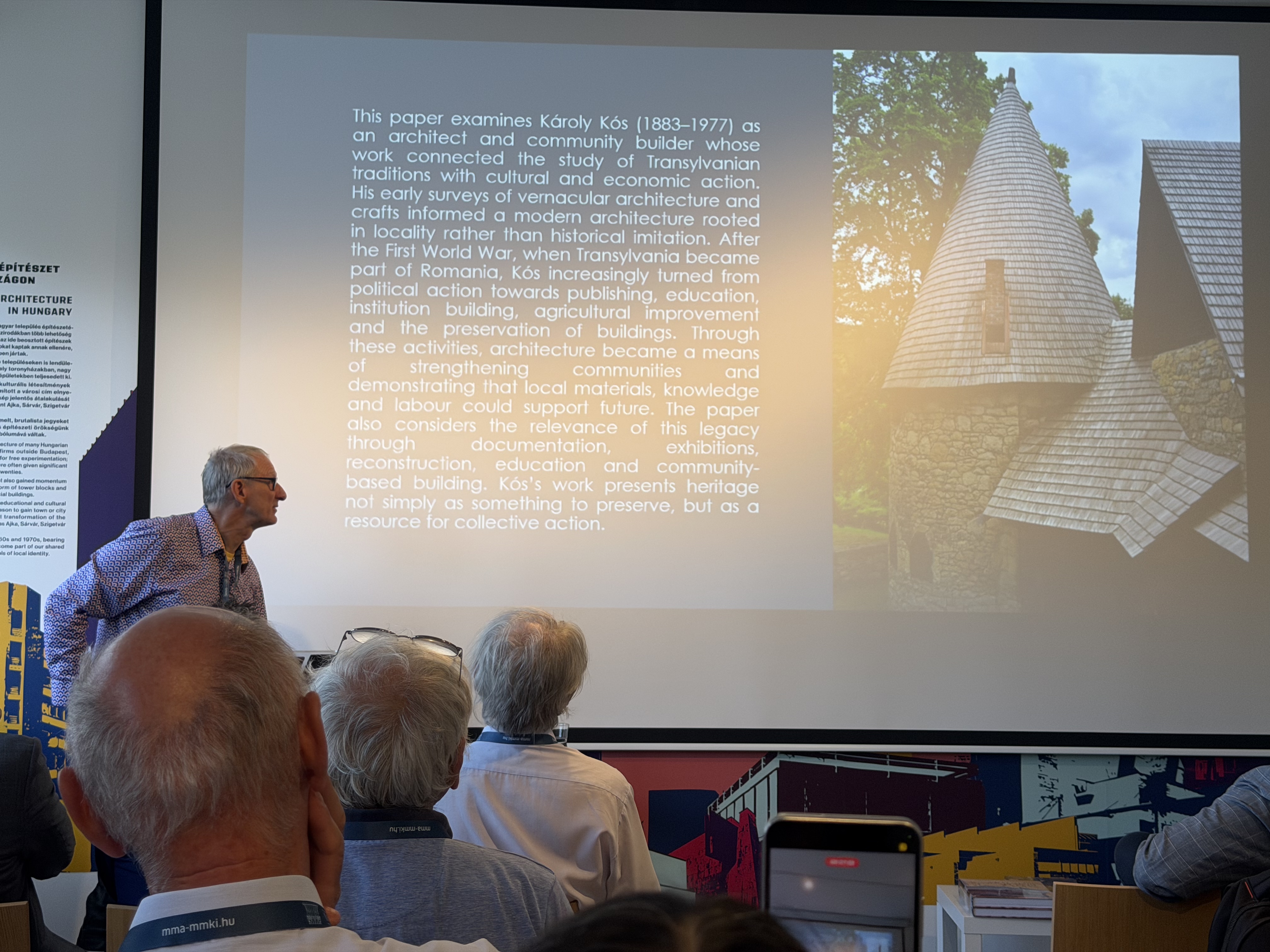
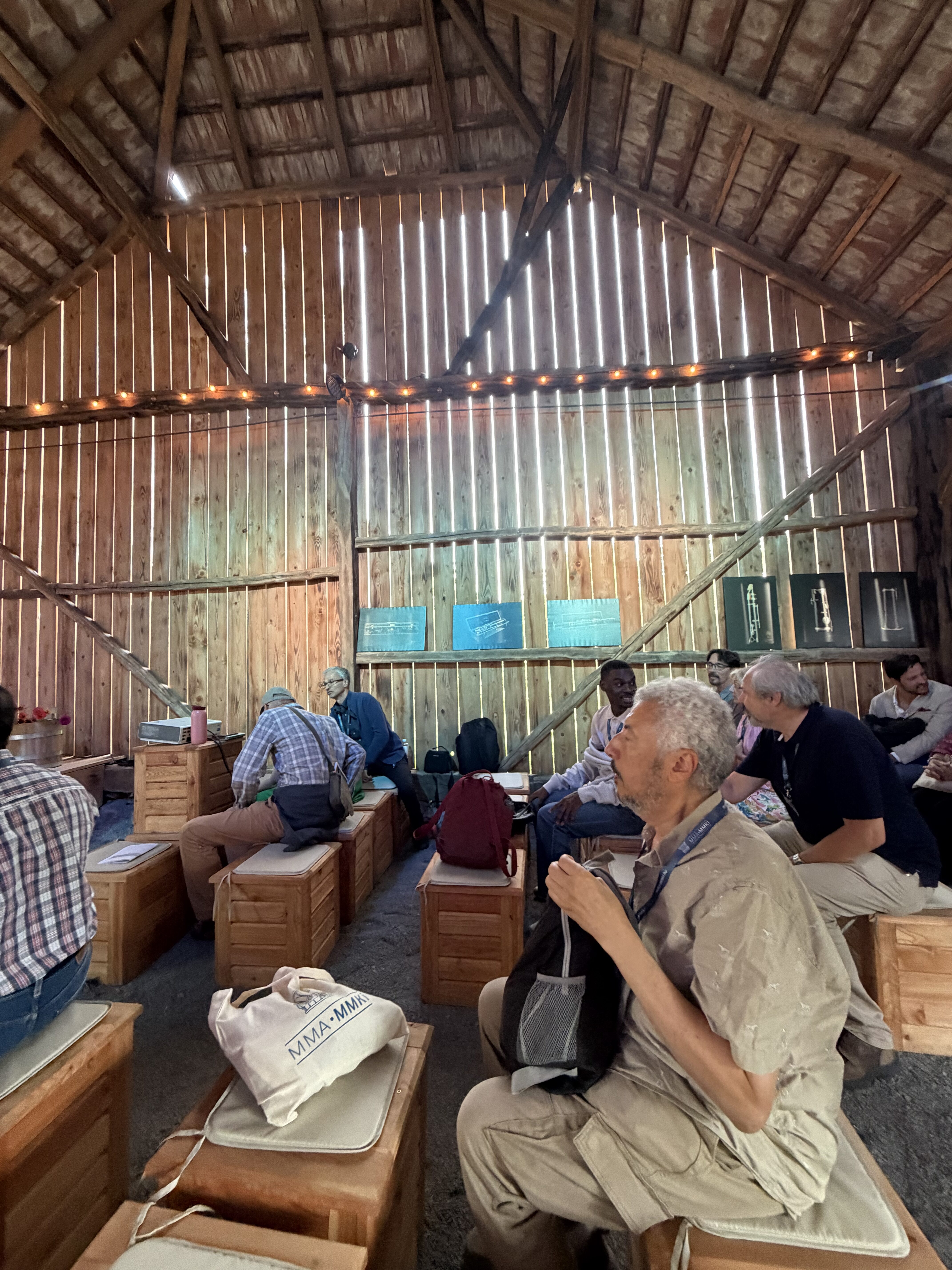
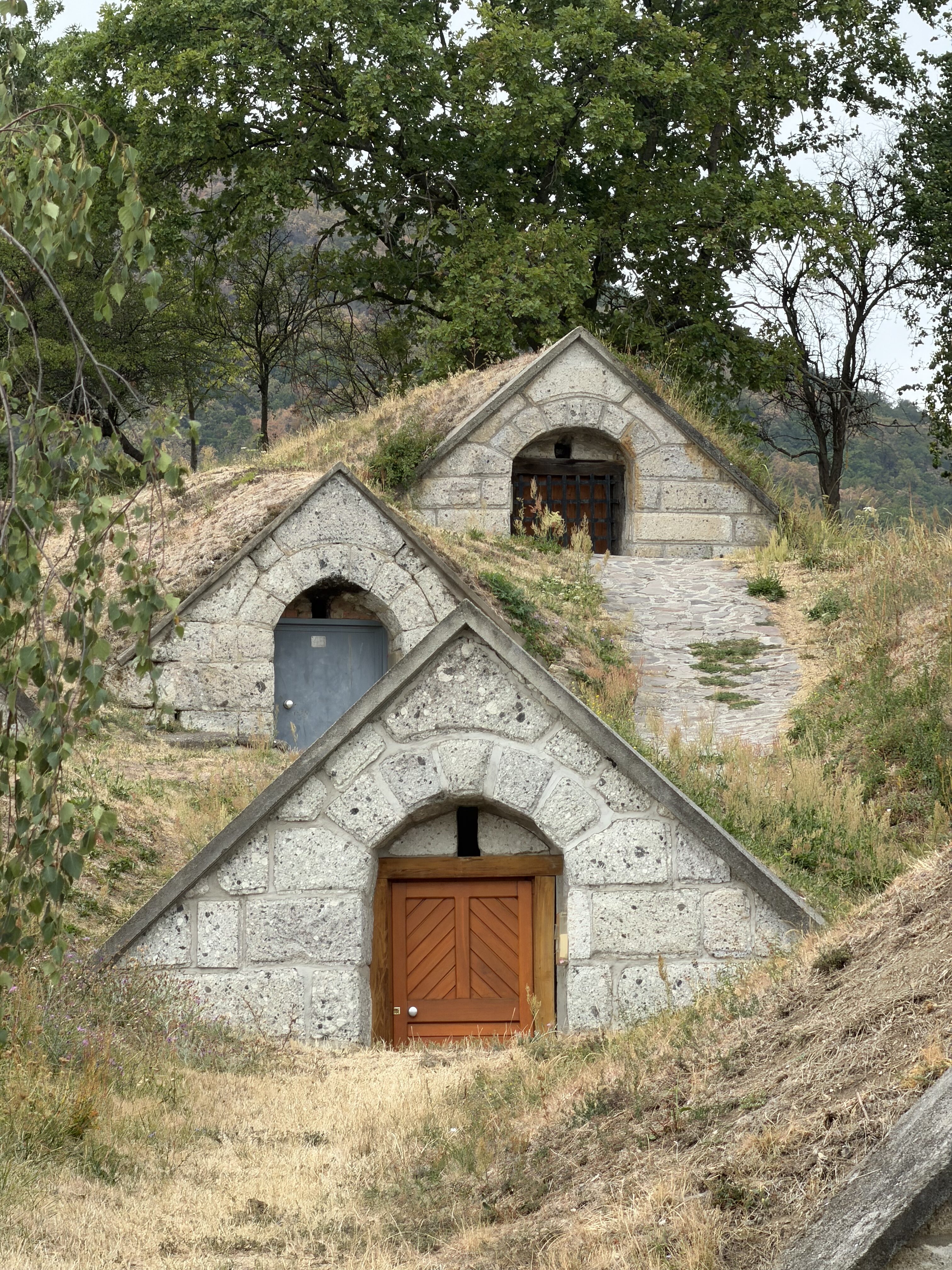
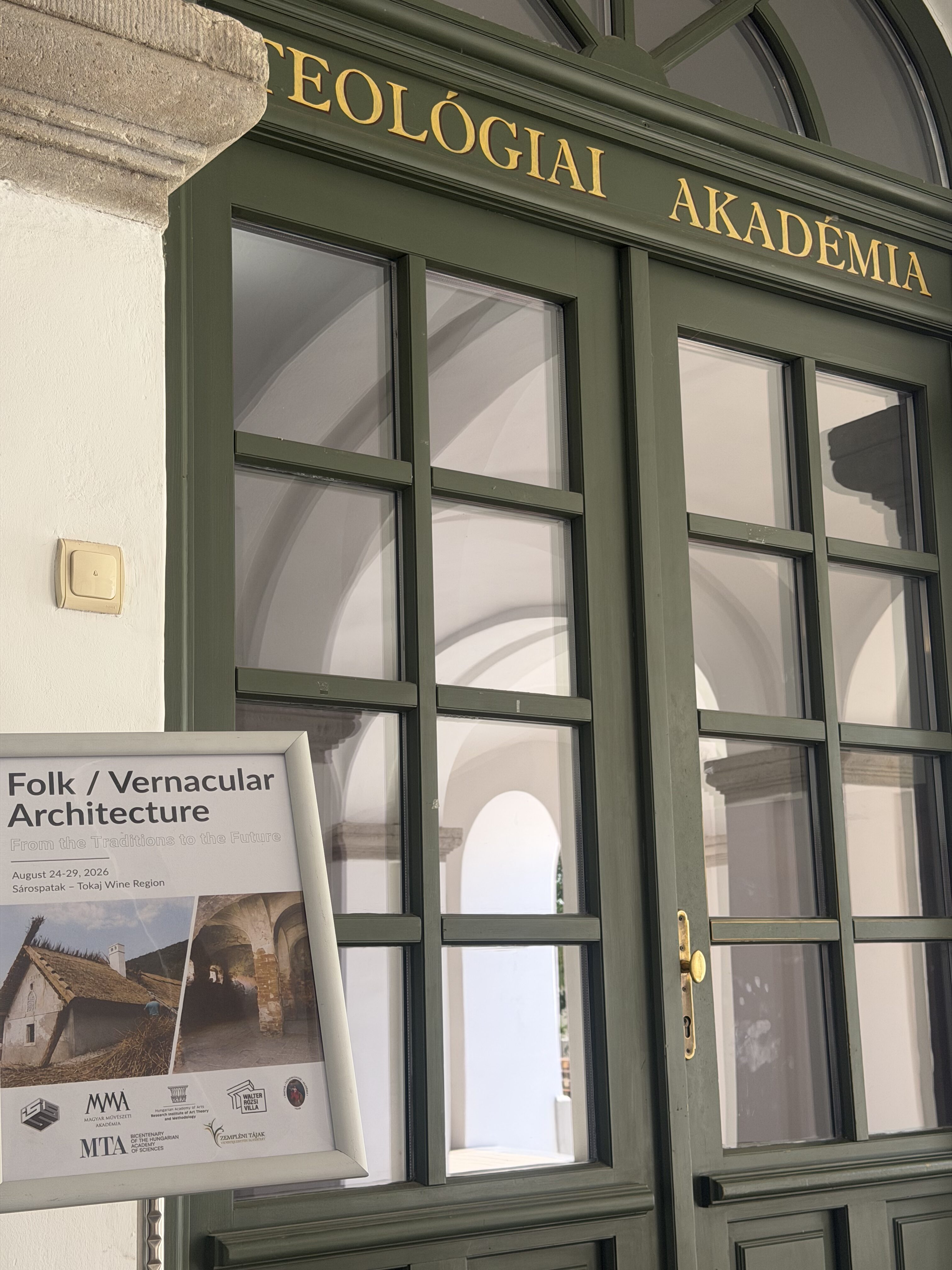
From August 24 to 28, 2026, the Symmetry Foundation, together with the Working Committee on Folk Architecture of the Veszprém Regional Committee of the Hungarian Academy of Sciences (MTA VEAB) and the Institute for Art Theory and Methodology of the Hungarian Academy of Arts (MMA MMKI), held the 3rd International Conference on Folk Architecture titled "Folk / Vernacular Architecture: From the Traditions to the Future” in Sárospatak, a town within the UNESCO World Heritage region of Tokaj.
The event was opened by the Dean of our Faculty, Prof. Dr Anthony John Gall PhD, at the Valter Rózsi Villa in Budapest.
Over the following days, our Faculty's lecturers and students also participated as invited speakers. Experts from countries including Portugal, Japan, Finland, and Angola discussed topics related to the values and resources of folk architecture through symposia and study visits.
Among our lecturers, Dr habil. András Géza Krizsán DLA discussed the activities of the My Grandfather’s House Foundation, emphasizing the importance of long-term knowledge transfer and the progression from apprentice to master in preserving traditional building culture, ensuring the survival and continuity of traditional crafts.
Zsuzsanna Nádasi-Antal, a PhD student at the Doctoral School of Architecture, Design and Technology and one of our lecturers, delivered her first lecture in the ‘Journey to Transylvania’ section, titled ‘Transylvanian motifs in Hungarian interior design between the two world wars: the role of the Royal Hungarian School of Applied Arts’. Her second lecture, ‘The regional distribution of Hungarian folk heating systems: fuel, heat-storing mass, and the traditional floor plan,’ further elevated the event’s standards.
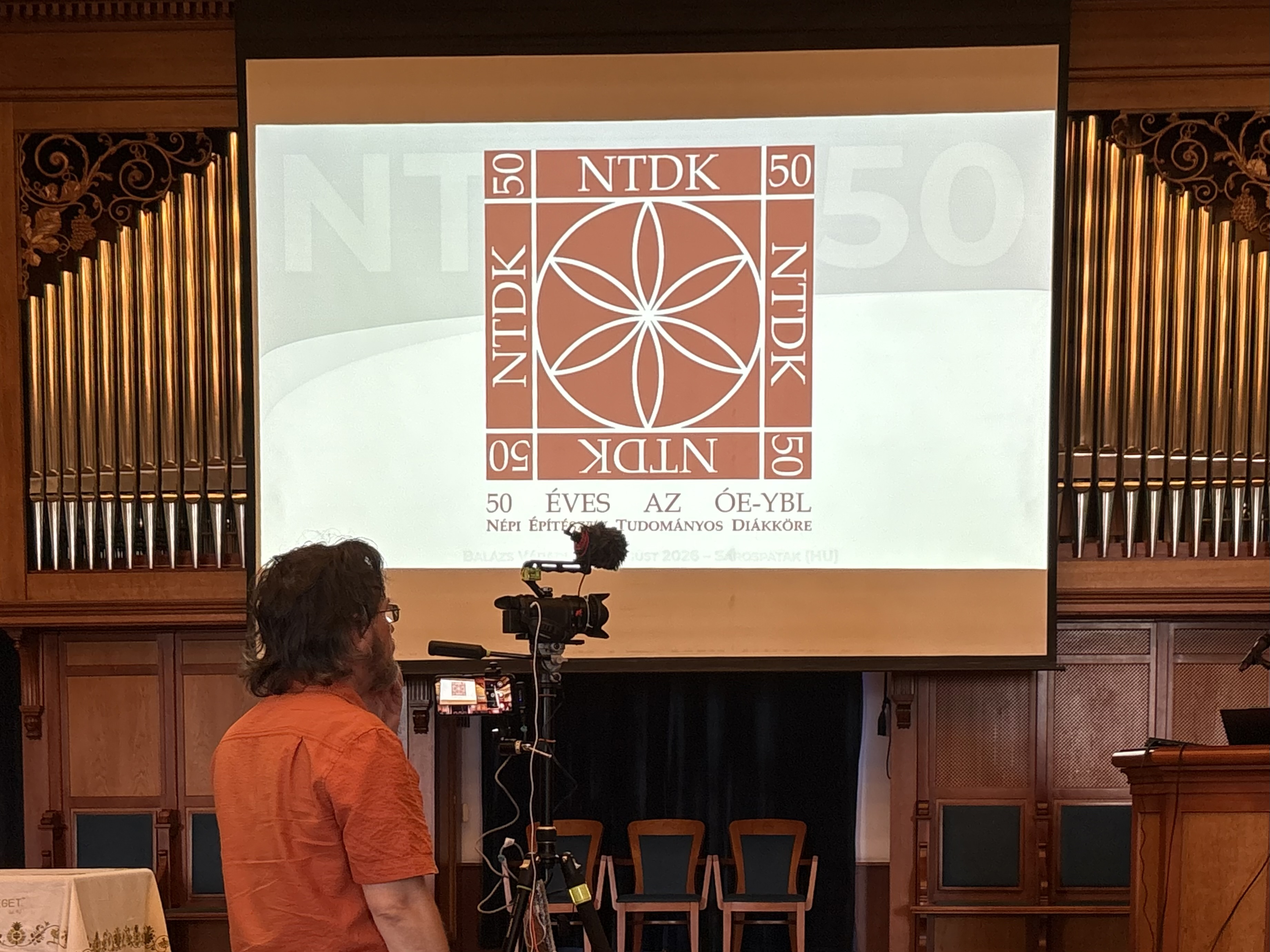
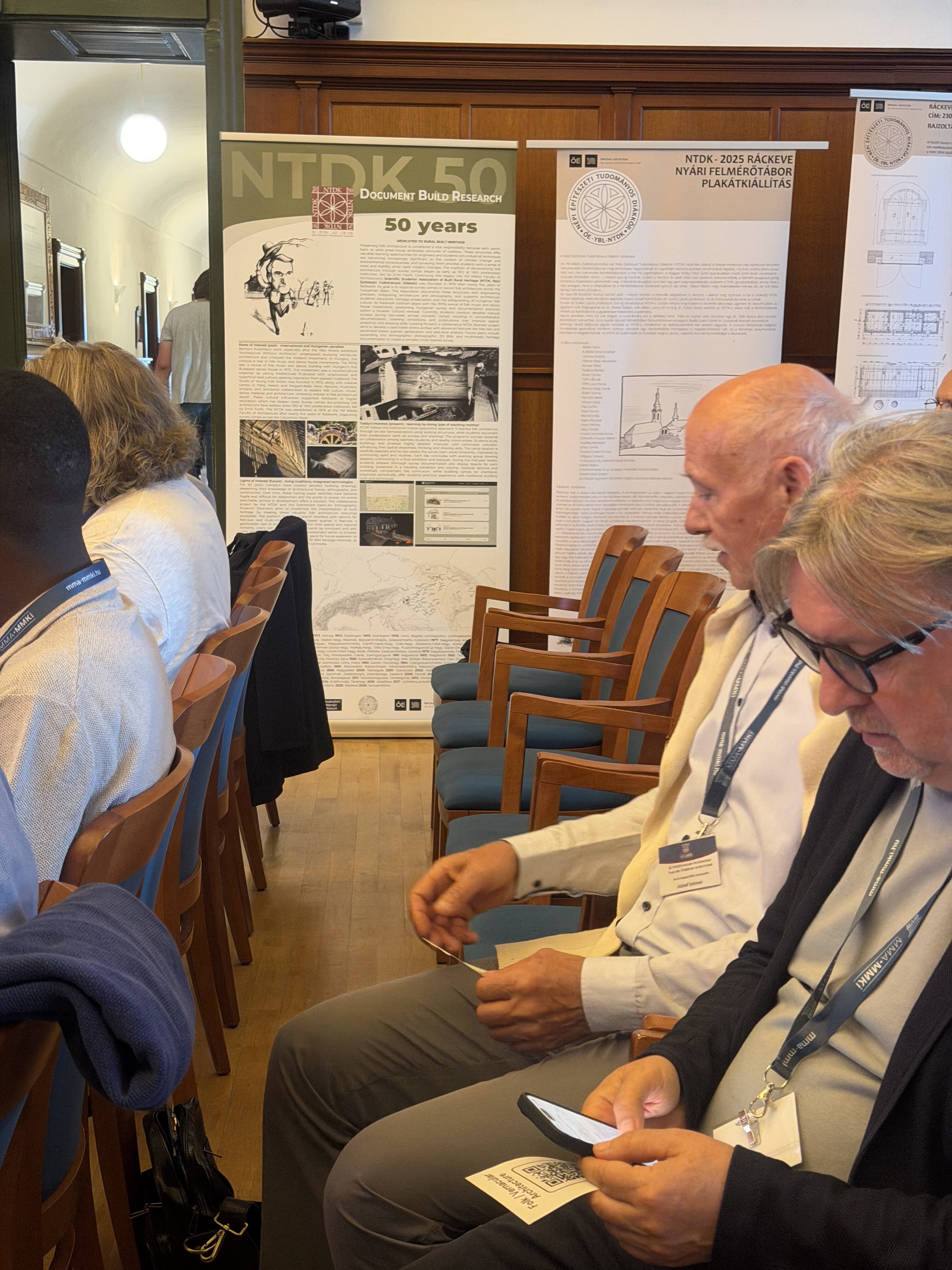
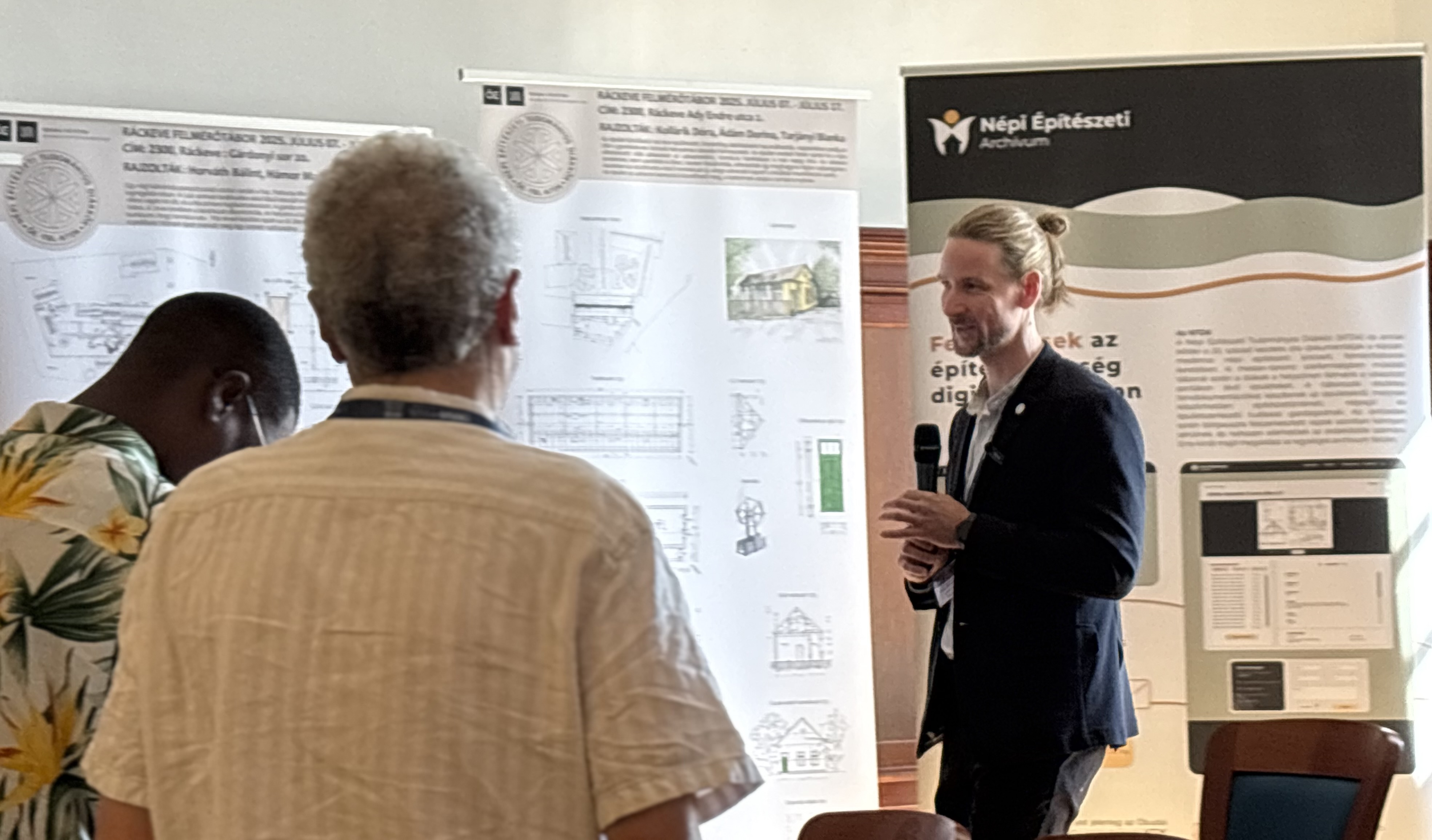
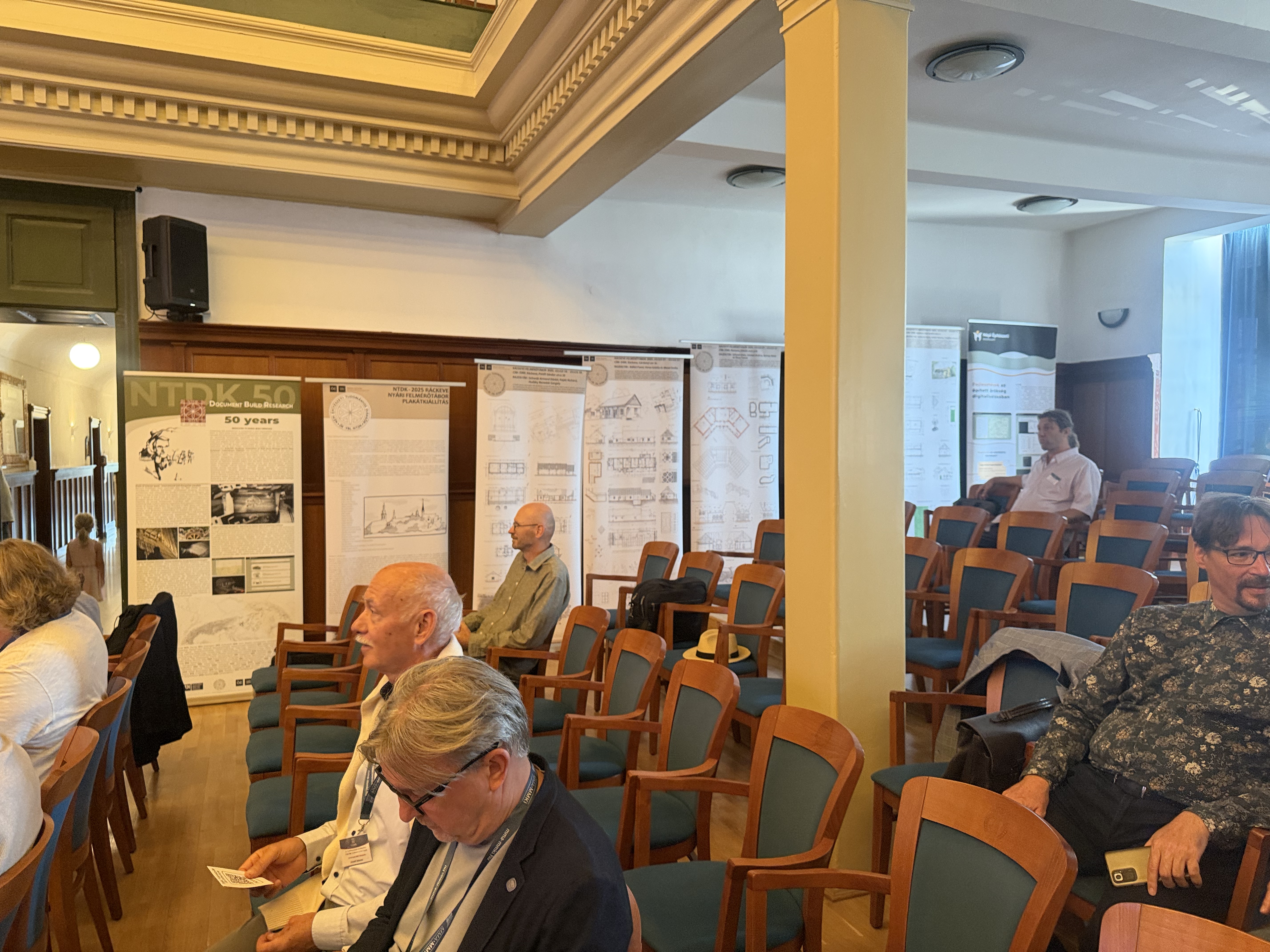
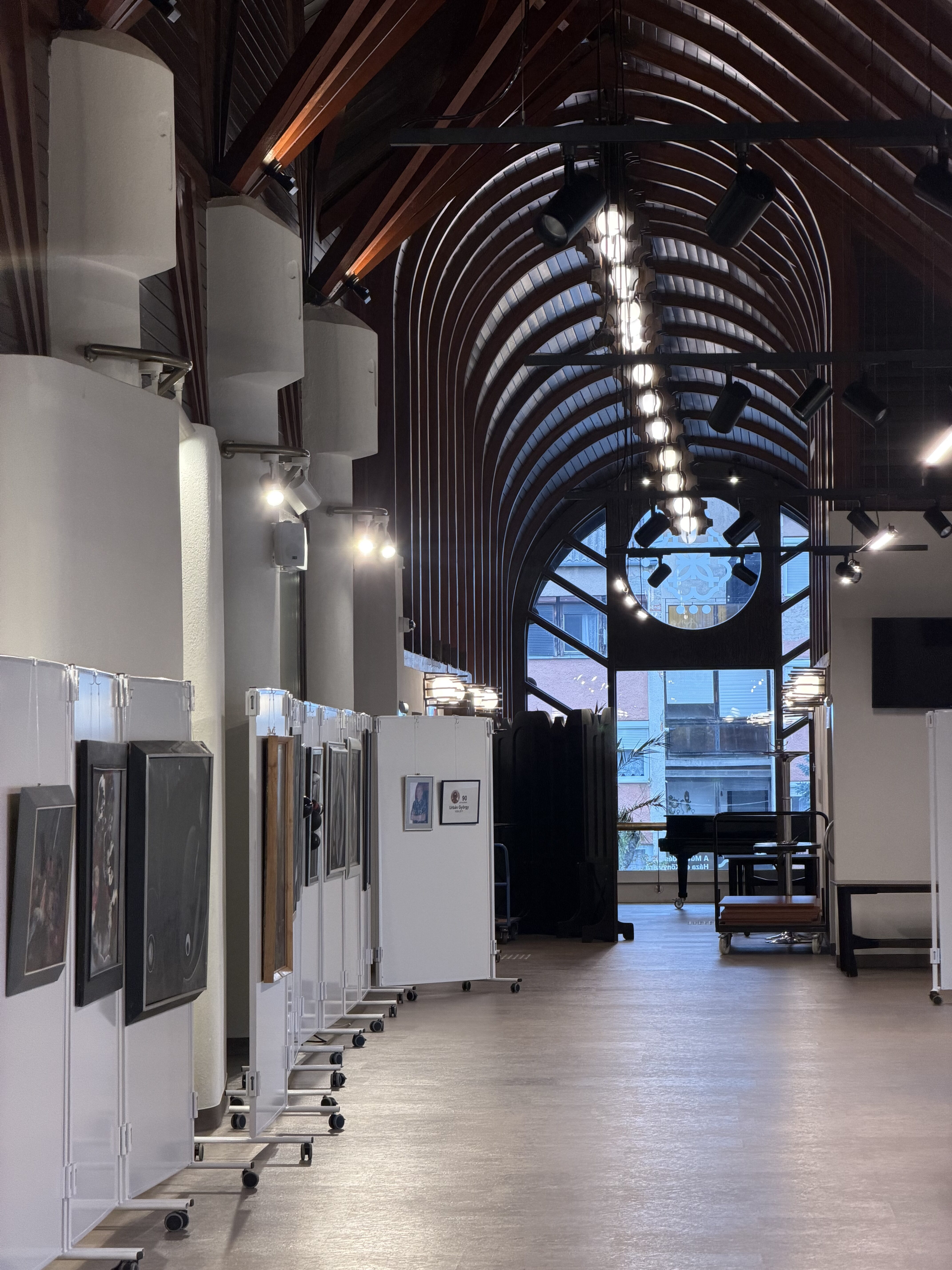
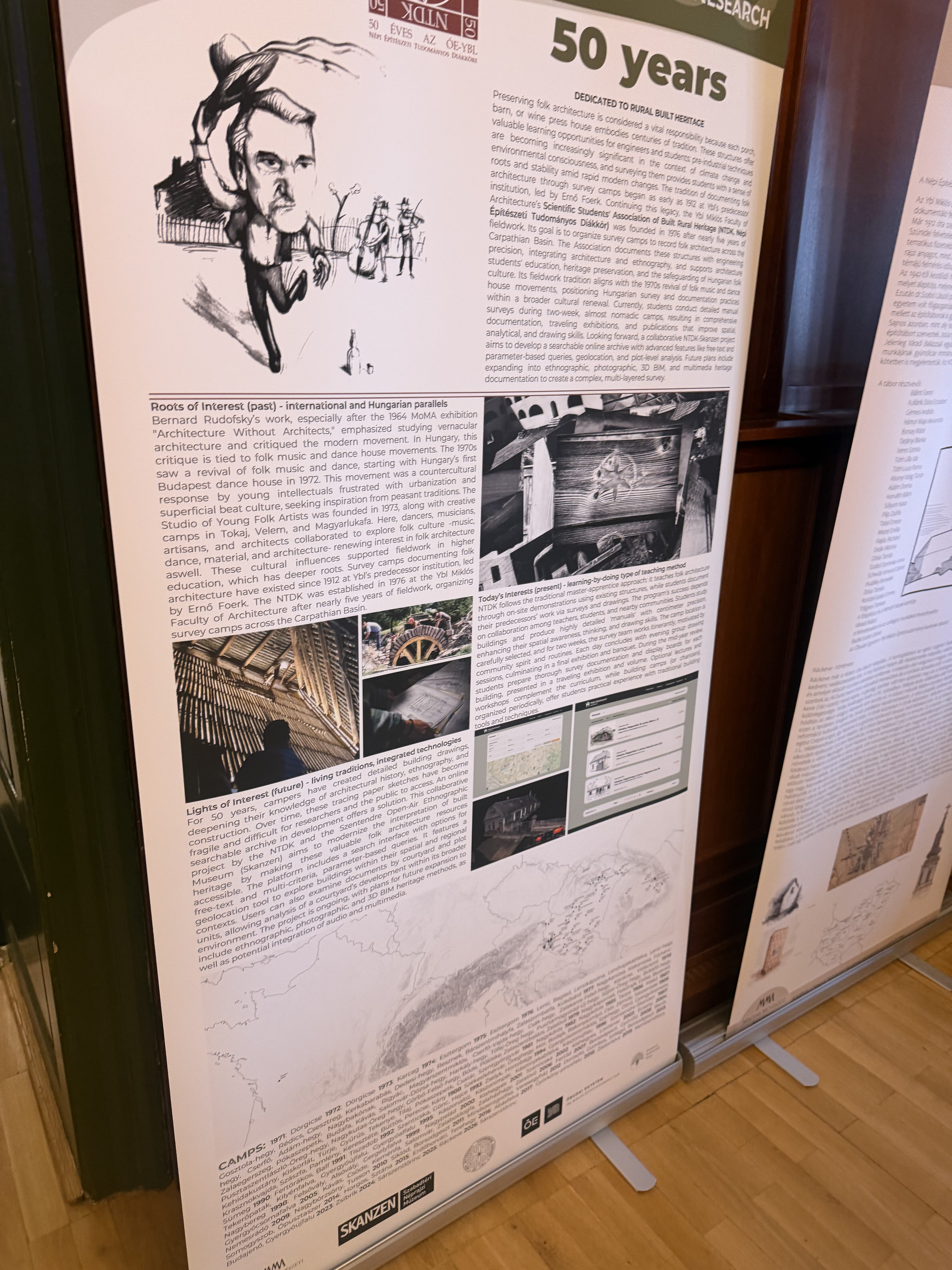
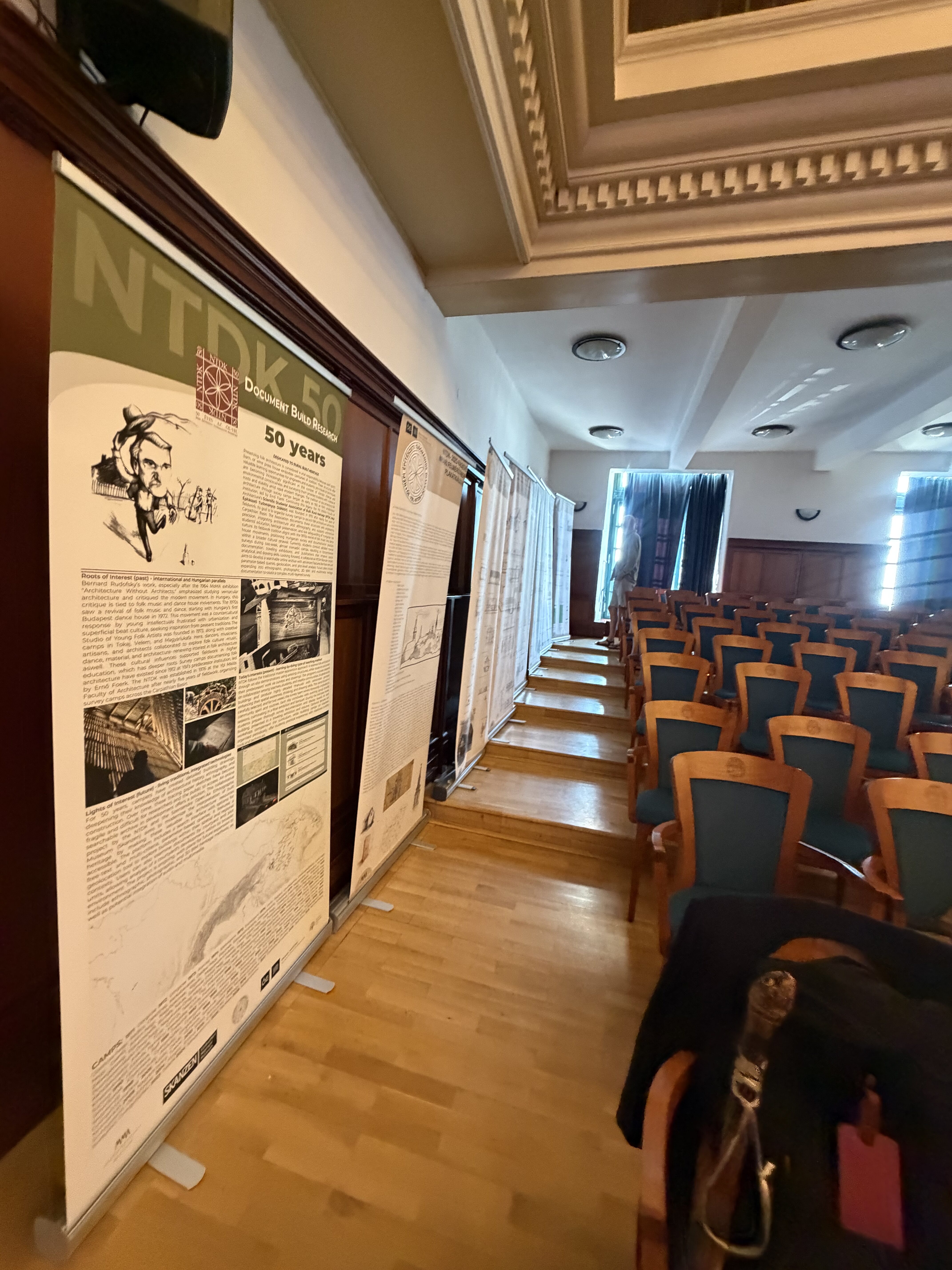
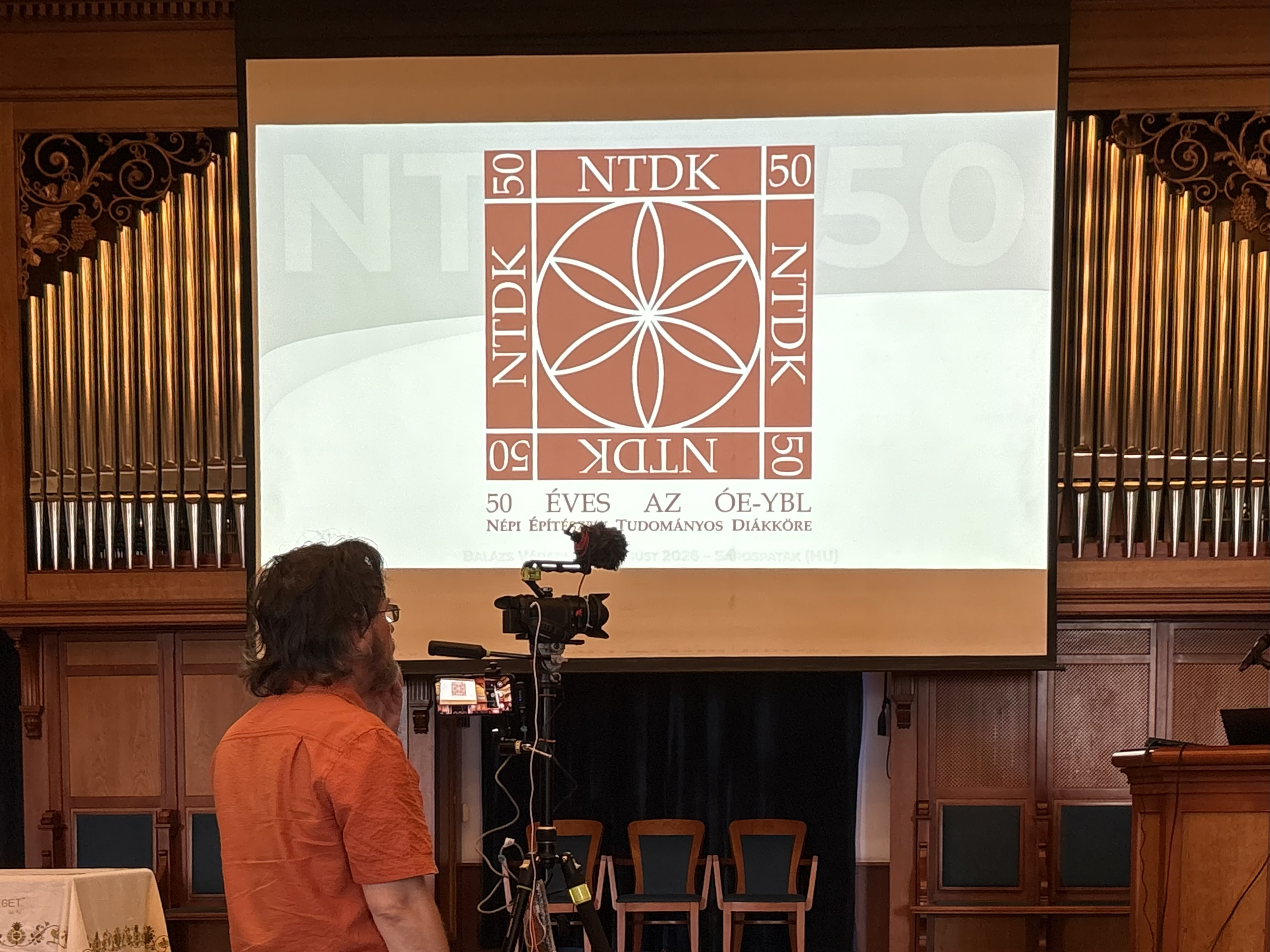
Also a PhD student and co-leader of the NTDK, lecturer Balázs Váradi, summarized the work, history, and future plans of our Faculty’s Student Research Group on Folk Architecture in his talk, ‘NTDK 50: 50 Years of Documenting Rural Built Heritage.’ An exhibition showcasing the group’s work was also opened, alongside a guided tour presenting the Student Society’s activities to international experts. The exhibition included a summary display related to the lecture, materials from the 2025 Ráckeve survey camp led by Dániel Badik-Szabó, and a project by final-year student Fanni Bálint, who organized survey materials from the 50th NTDK anniversary into a digital format as part of the EKÖP scholarship.
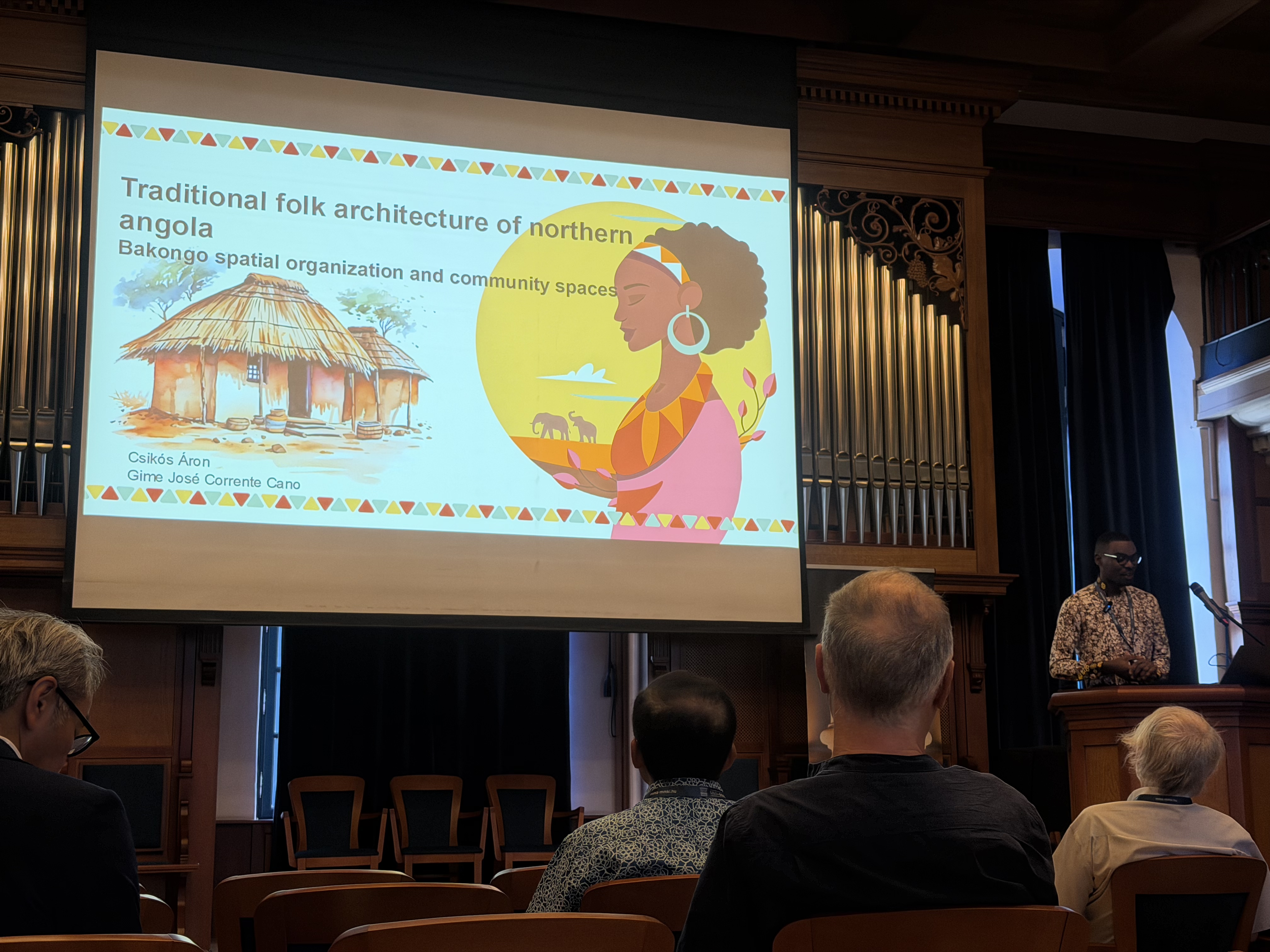
Finally, student Gime José Corrente Cano presented ‘Traditional Folk Architecture of Northern Angola: The Spatial Organisation and Communal Spaces of the Bakongo,’ detailing the unique architectural features developed in his homeland and how they transformed under colonization.