Projekt tervezési terület (en)
NewPalace
.
GreenQual workshop – Osaka
Óbuda University | International Collaboration
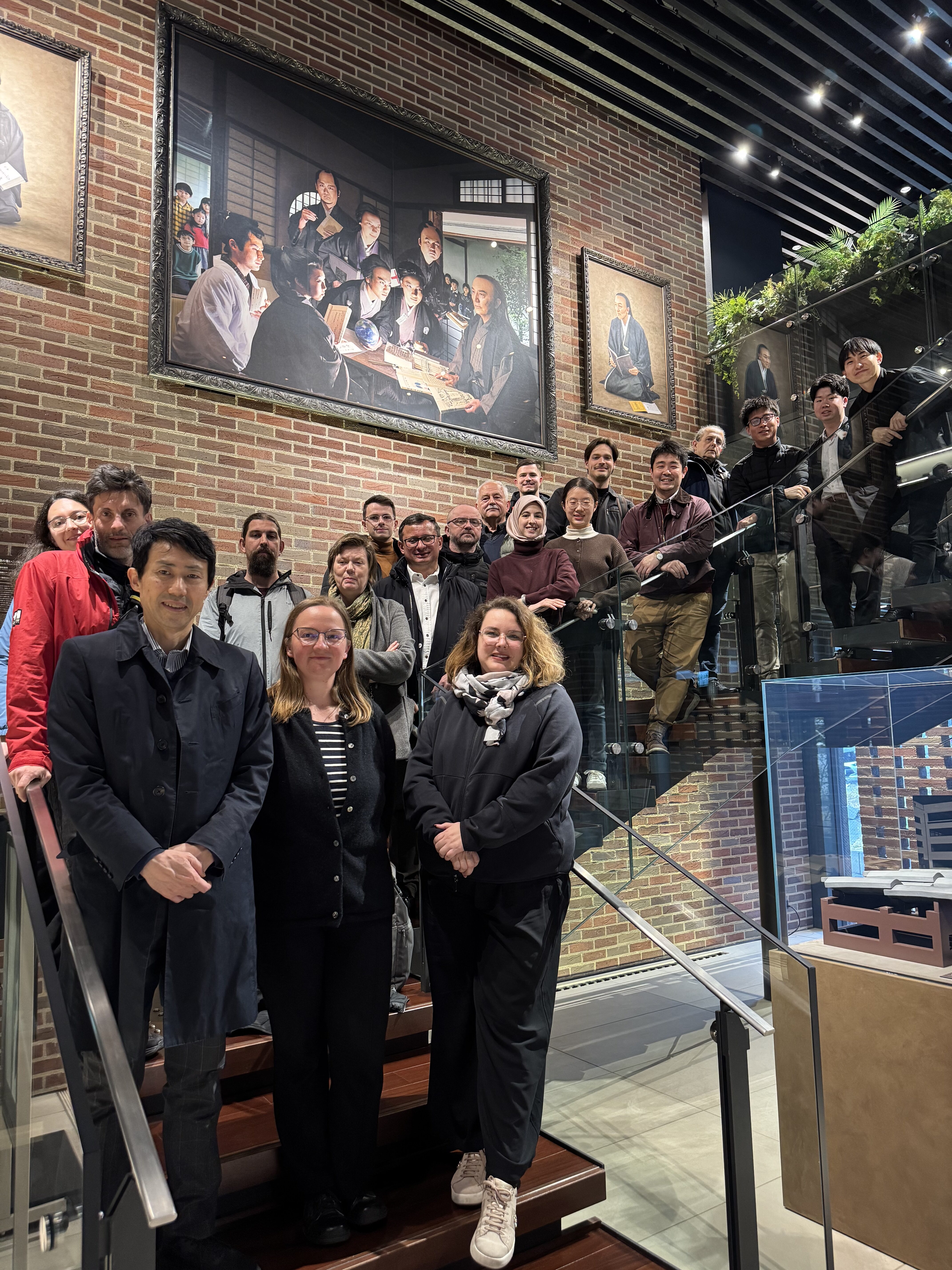
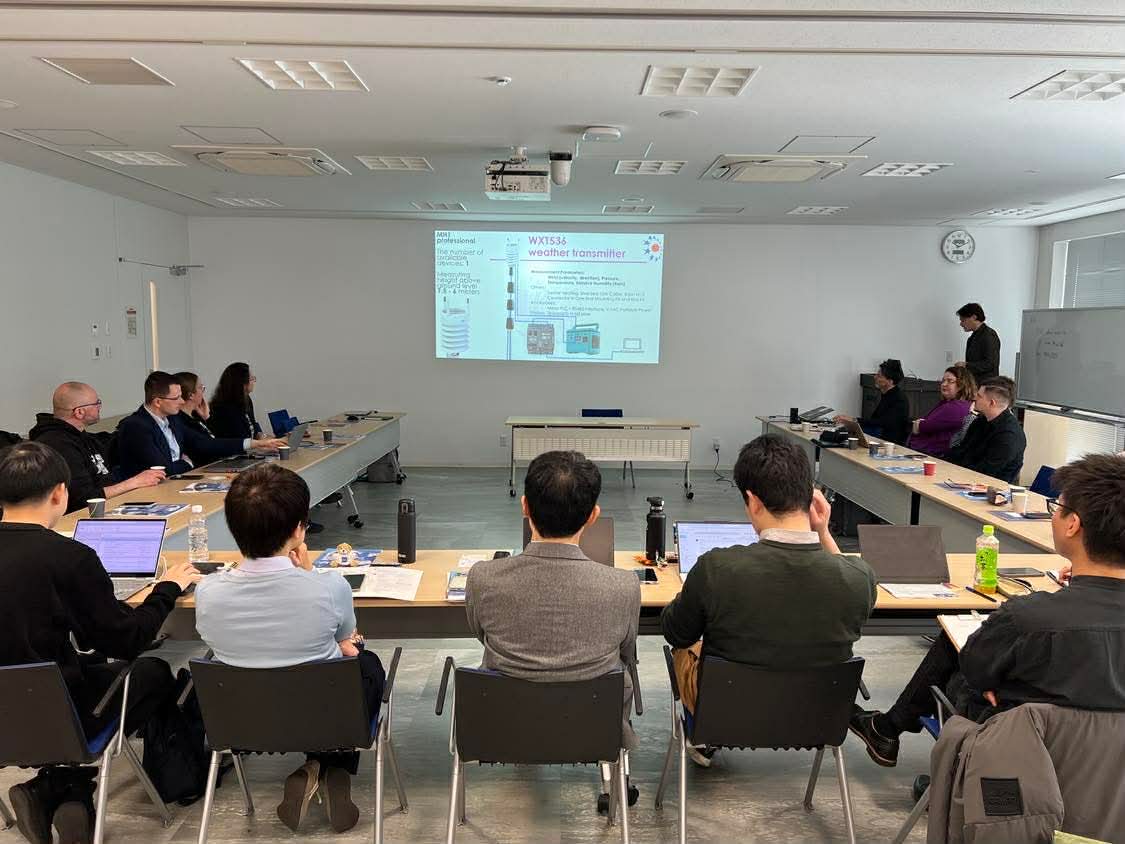
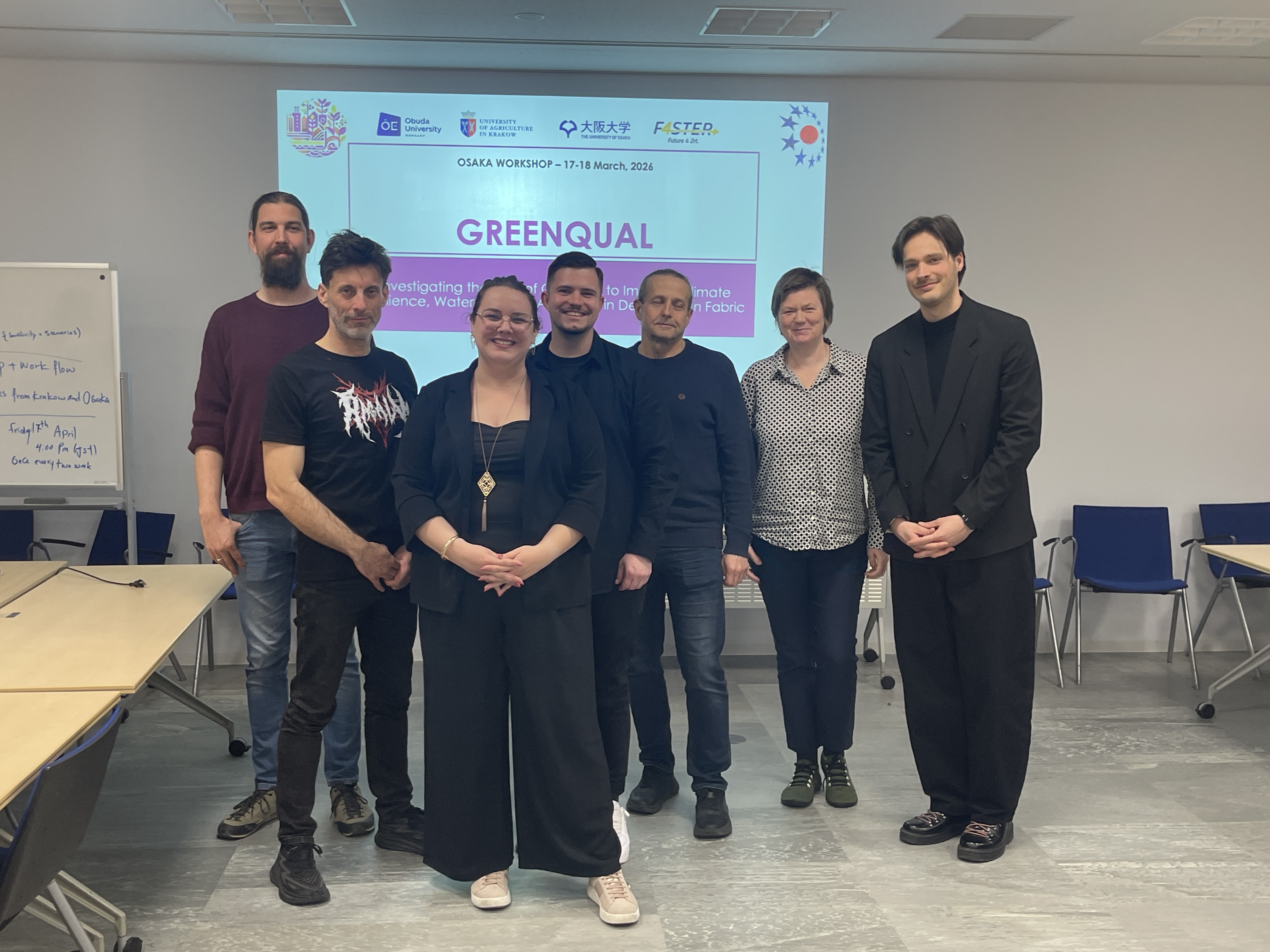
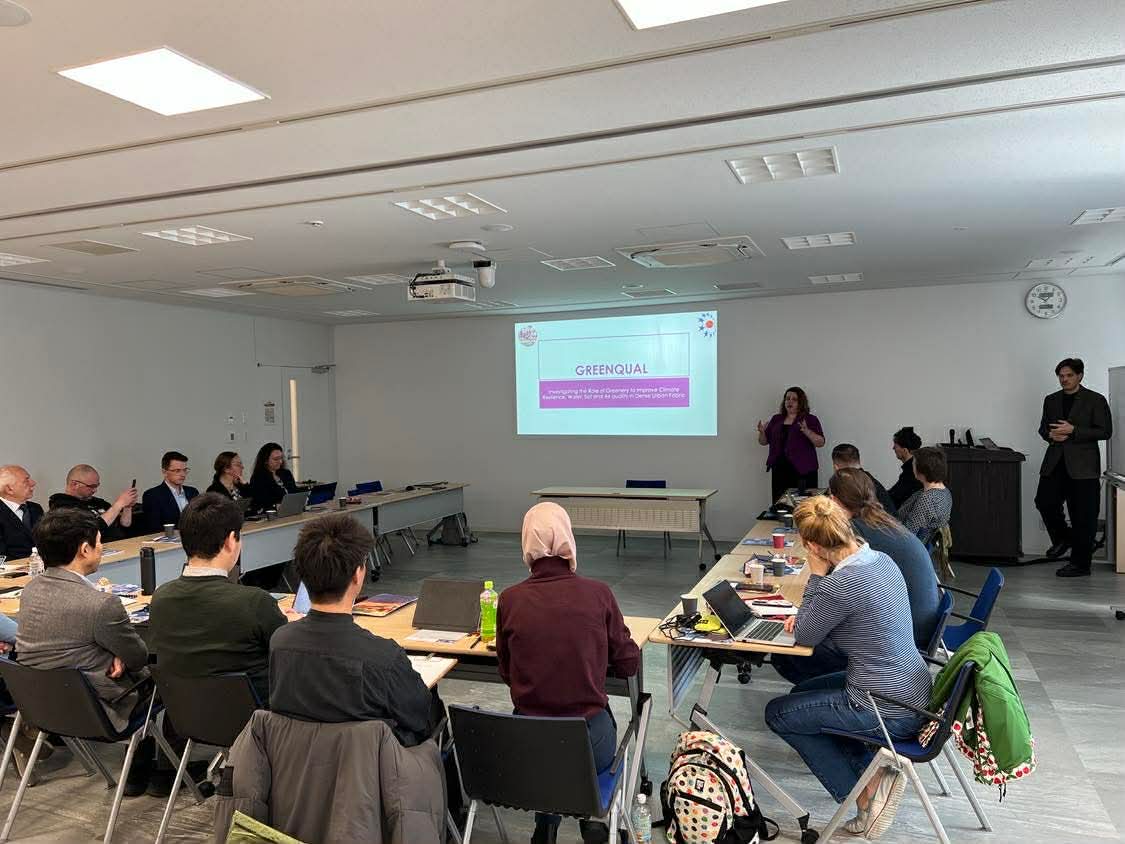
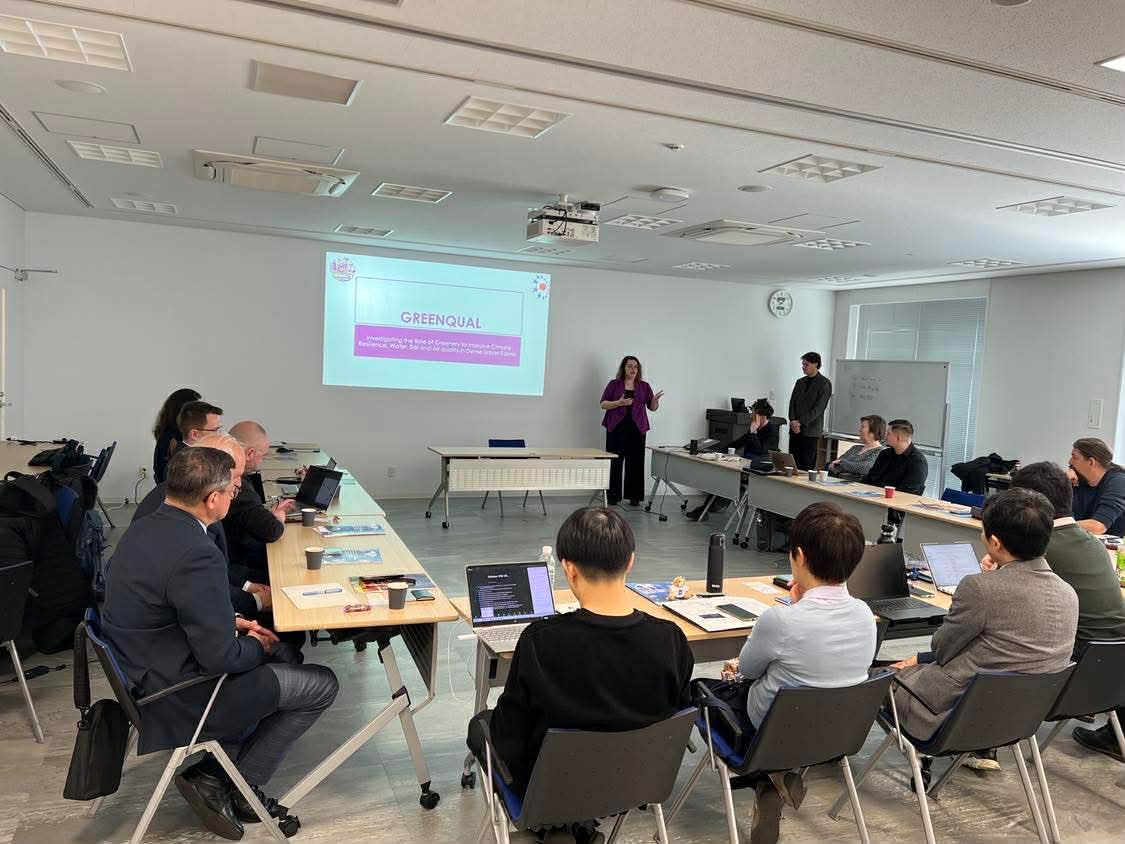
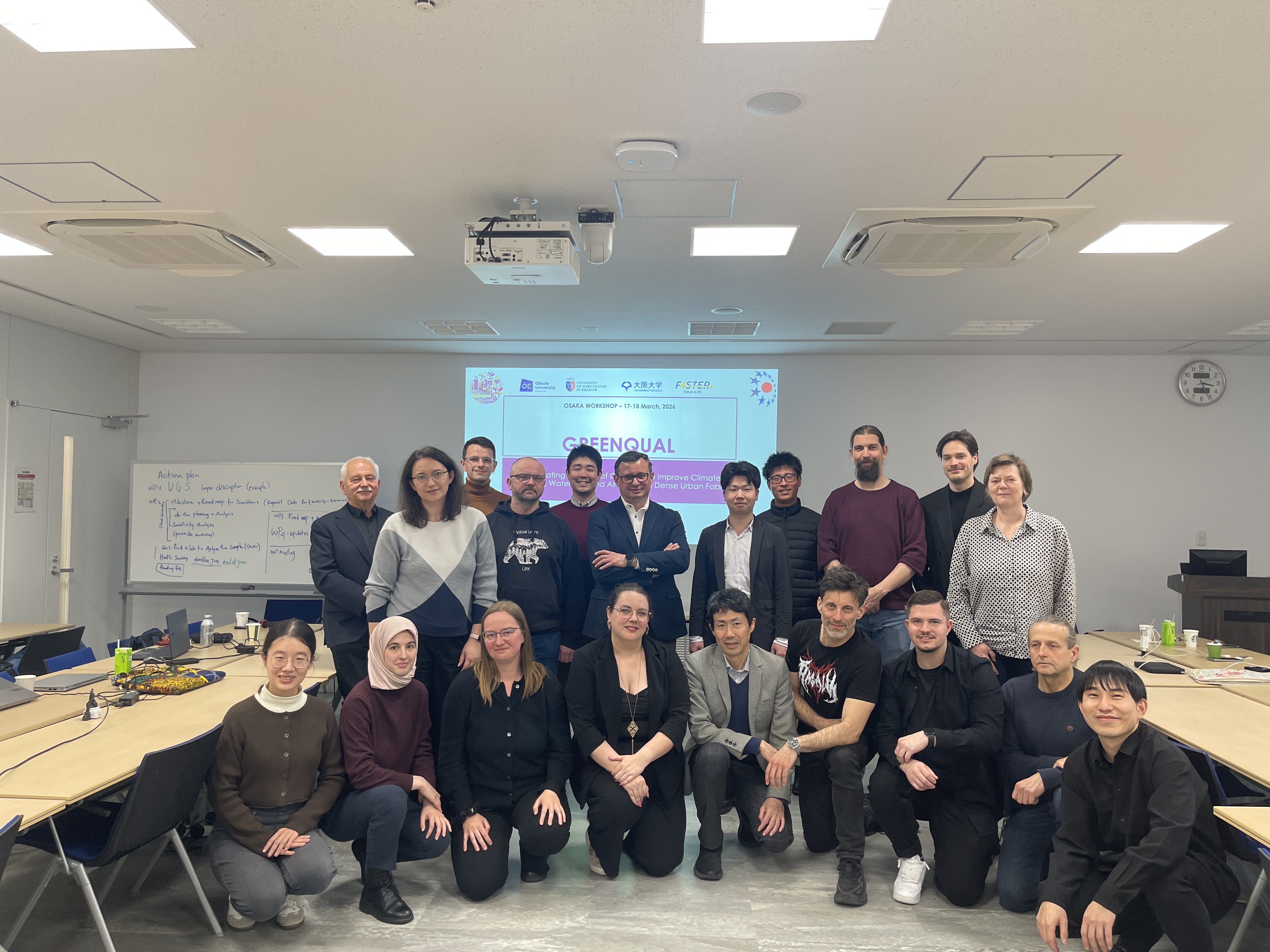
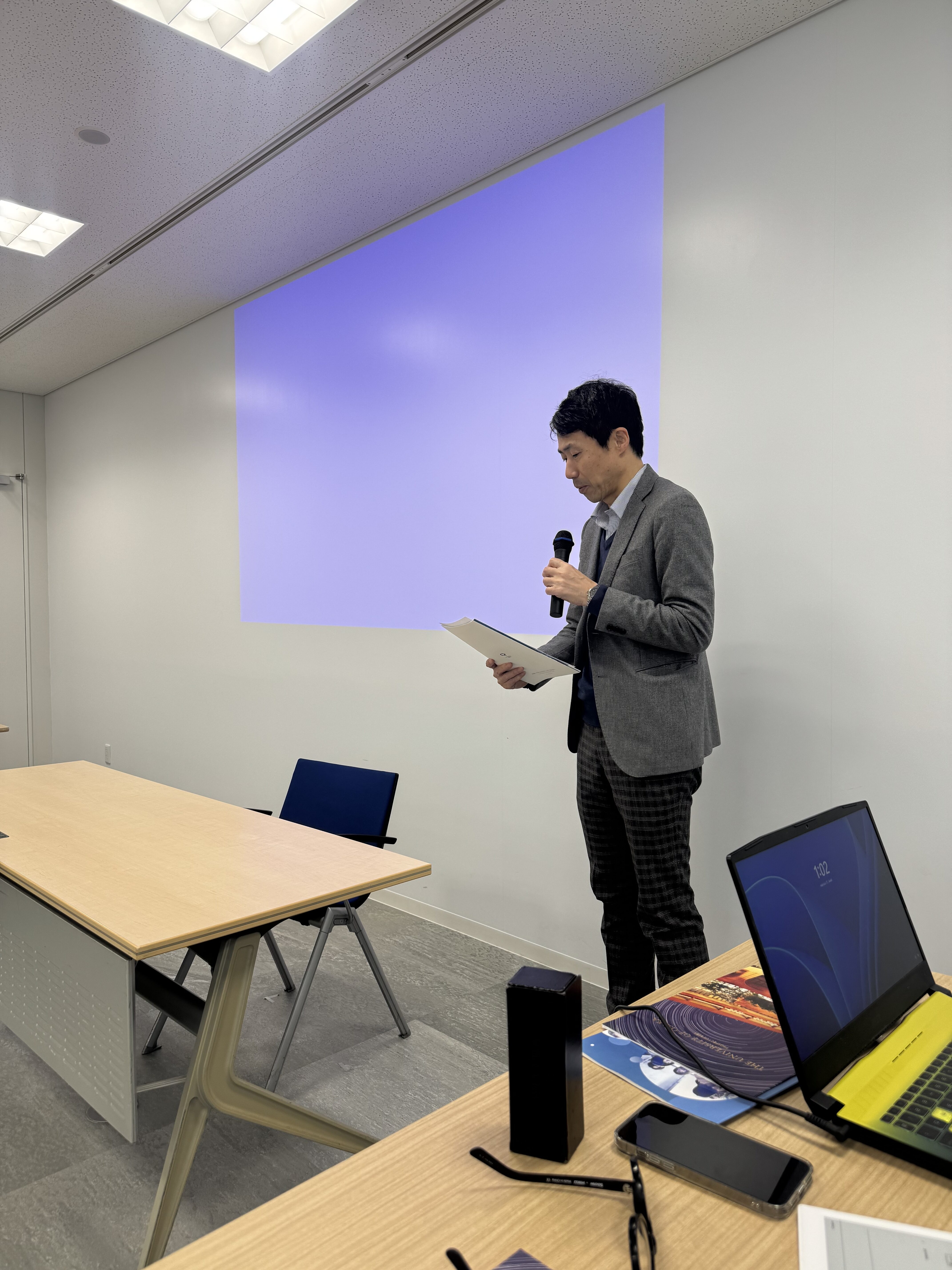
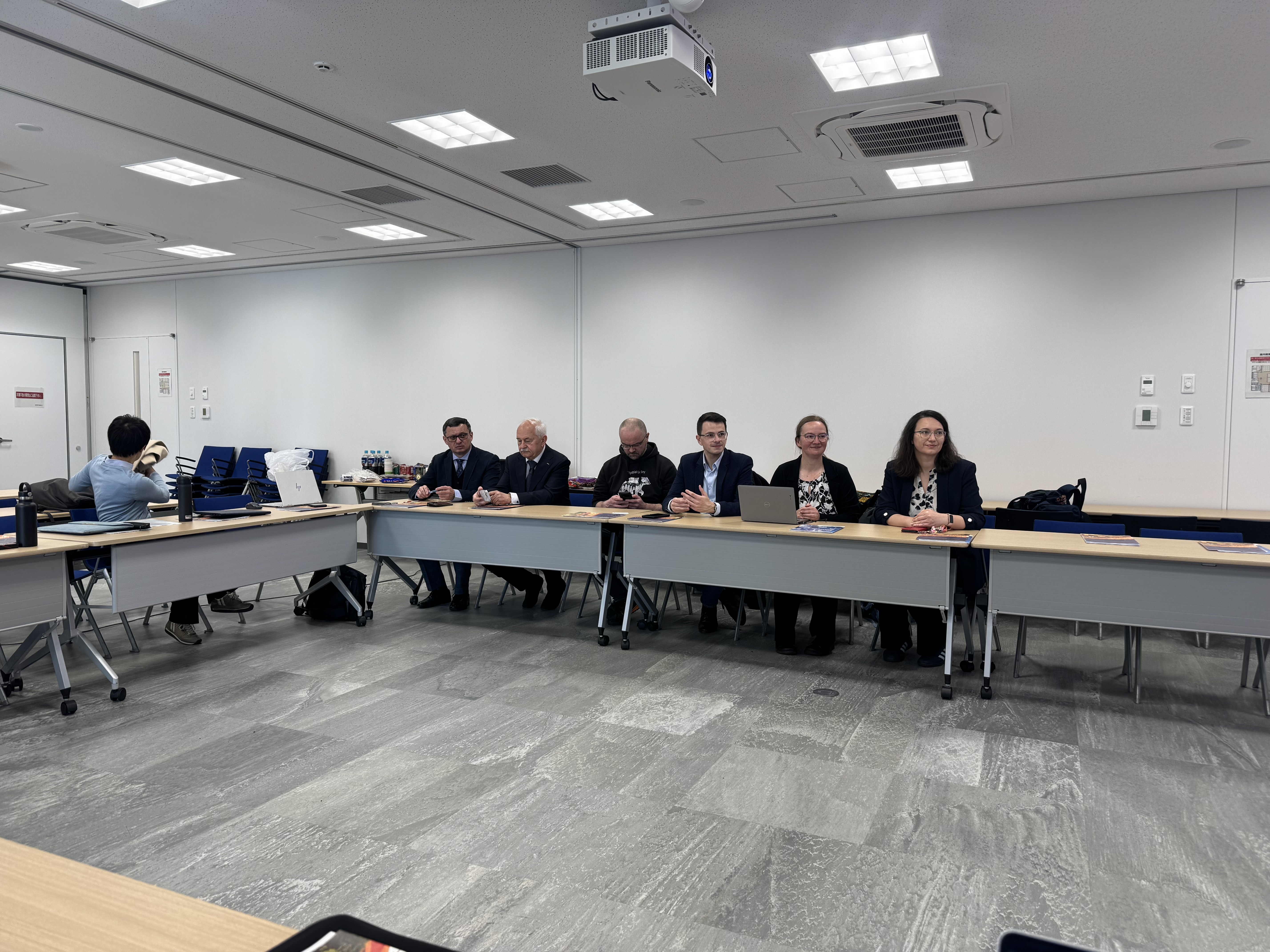
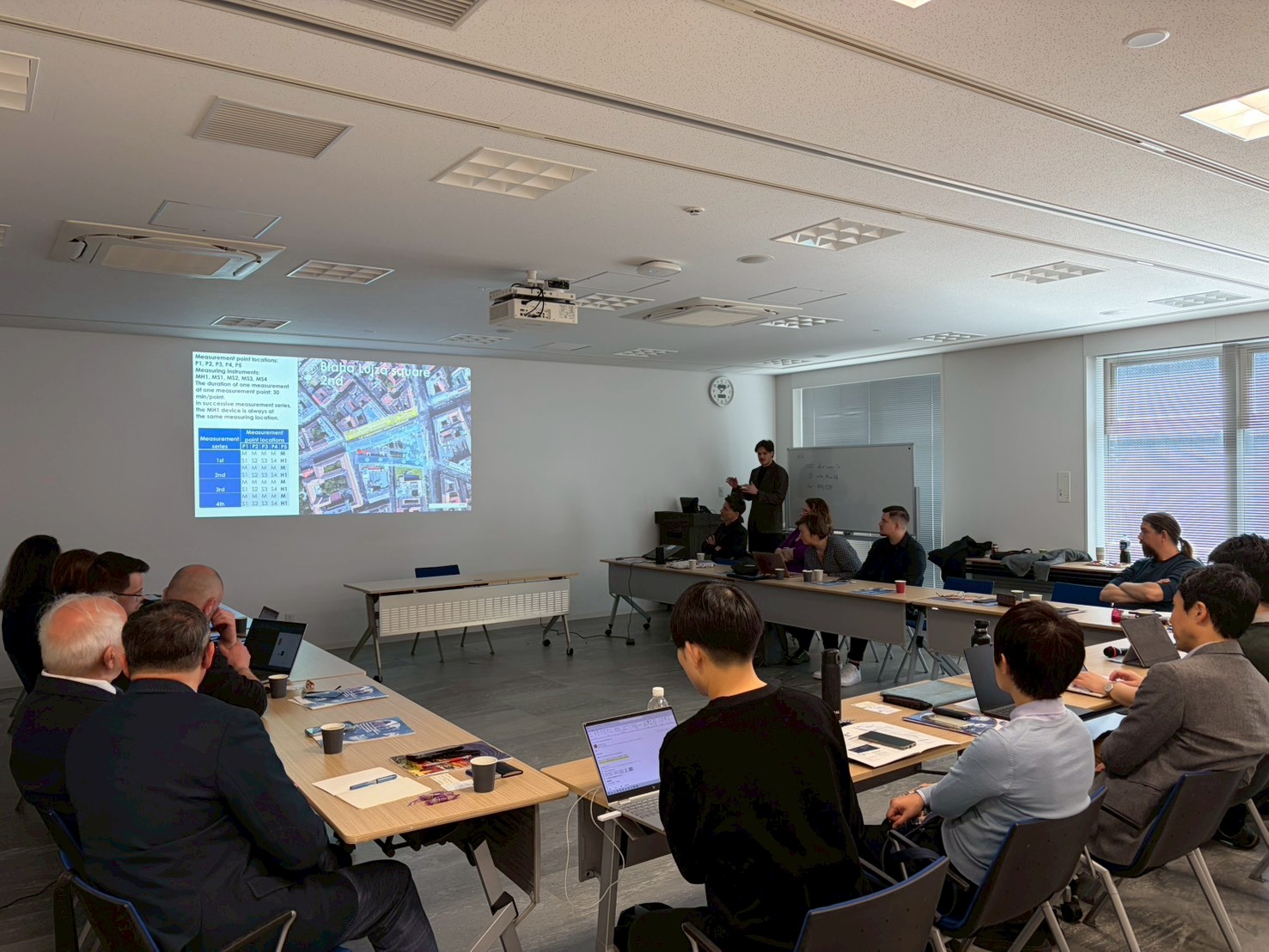
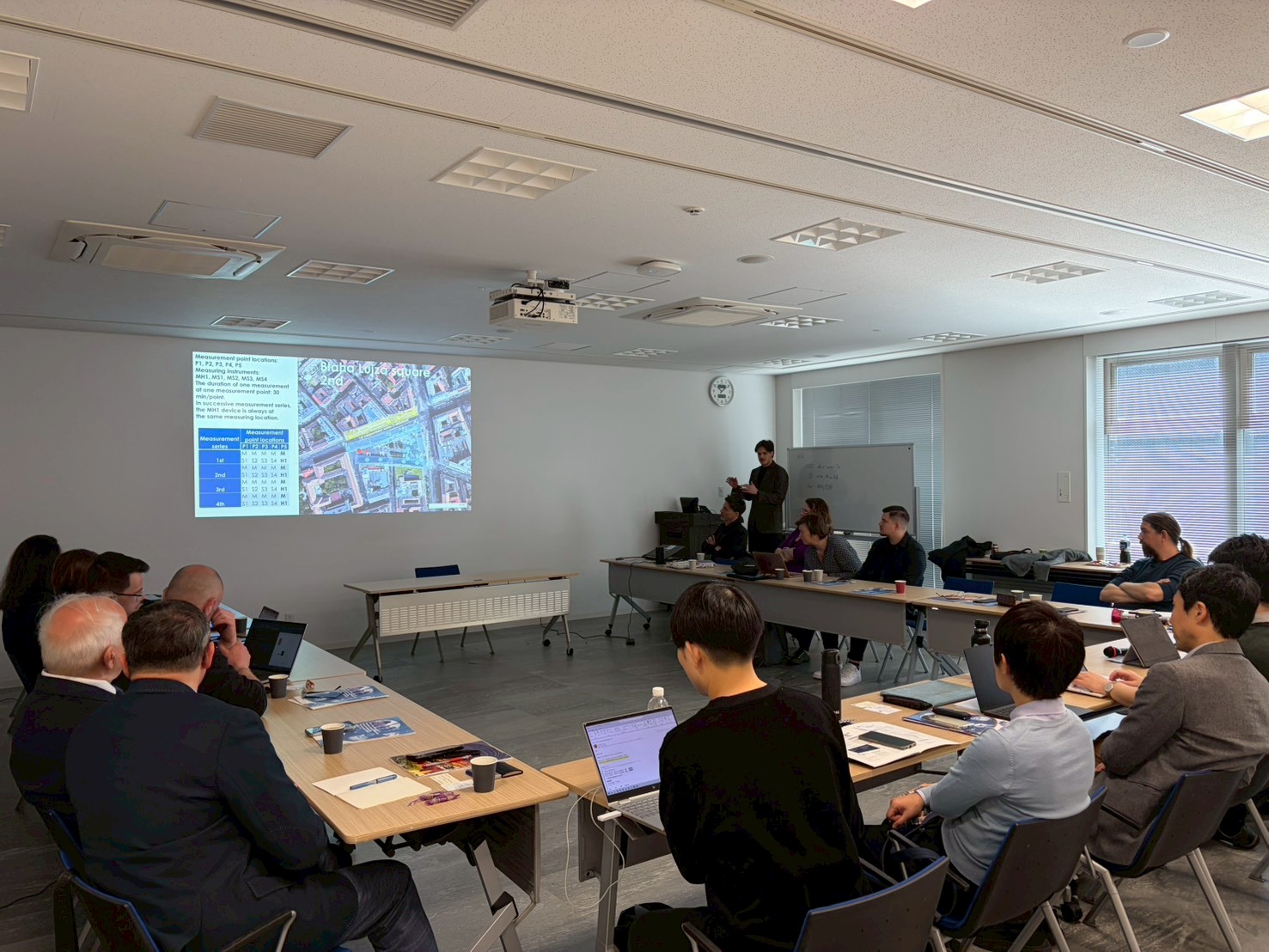
The team of Óbuda University participated in the second workshop of the GreenQual project, held in Japan at the Nakanoshima Center building of Osaka University in Osaka. The primary objective of the workshop was to review the project’s progress, coordinate ongoing research activities, and define the professional tasks for the upcoming period.
Participants (Óbuda University)
Óbuda University was represented at the workshop by the following colleagues:
• Dr. habil Viktória Sugár PhD
• Dr. habil Zsuzsanna Fáczányi, PhD
• Prof. Dr. István Kistelegdi DLA, PhD
• Dr. Attila Kerekes, PhD
• Péter Kiss
• Marcell Nánási
• Martin Kolman
Professional Programme and Contributions
On the first day of the workshop, participating universities presented their research results and progress. The team of Óbuda University delivered an individual presentation outlining their key achievements, with particular emphasis on outputs supporting project integration as well as resilience and carbon neutrality objectives.
Following the presentations, an interactive workshop session was held, during which participants jointly mapped the relationships between work packages, identified key dependencies, and defined directions for further development.
As part of the day’s programme, a site visit in Osaka was also organized, where participants were introduced to the planned locations of the measurement campaign to be carried out in the following days. The site visit also provided insight into contemporary green infrastructure solutions and modern parks, with special attention to material use and design principles. Participants gained an understanding of how the private sector is involved in the development and maintenance of urban green spaces. A notable example is Umekita Park, where commercial units and shopping mall operators in the surrounding area actively contribute to the park’s operation and maintenance.
The second day focused on technical integration and the joint design process. Participants addressed in detail:
• the harmonization of data, indicators, and scales,
• the development of information flow and interconnections between work packages,
• and the methodology for the joint design of optimized urban green spaces.
Results and Significance
As a result of the workshop, the relationships between individual project components were clarified, and a joint action plan for the next phase was established. The collaborative work contributed to ensuring that project outcomes more effectively support the development of sustainable, resilient, and carbon-neutral urban environments.
Partners
The project is implemented in cooperation with the following partners:
• Óbuda University
• University of Agriculture in Krakow
• Osaka University
• F4STER
We would like to express our gratitude to all partner institutions for their contribution, professional collaboration, and support, which significantly advance the successful progress of the project.