Projekt tervezési terület (en)
NewPalace
.
The NTDK celebrated its 50th anniversary with heart-warming nostalgia
NTDK
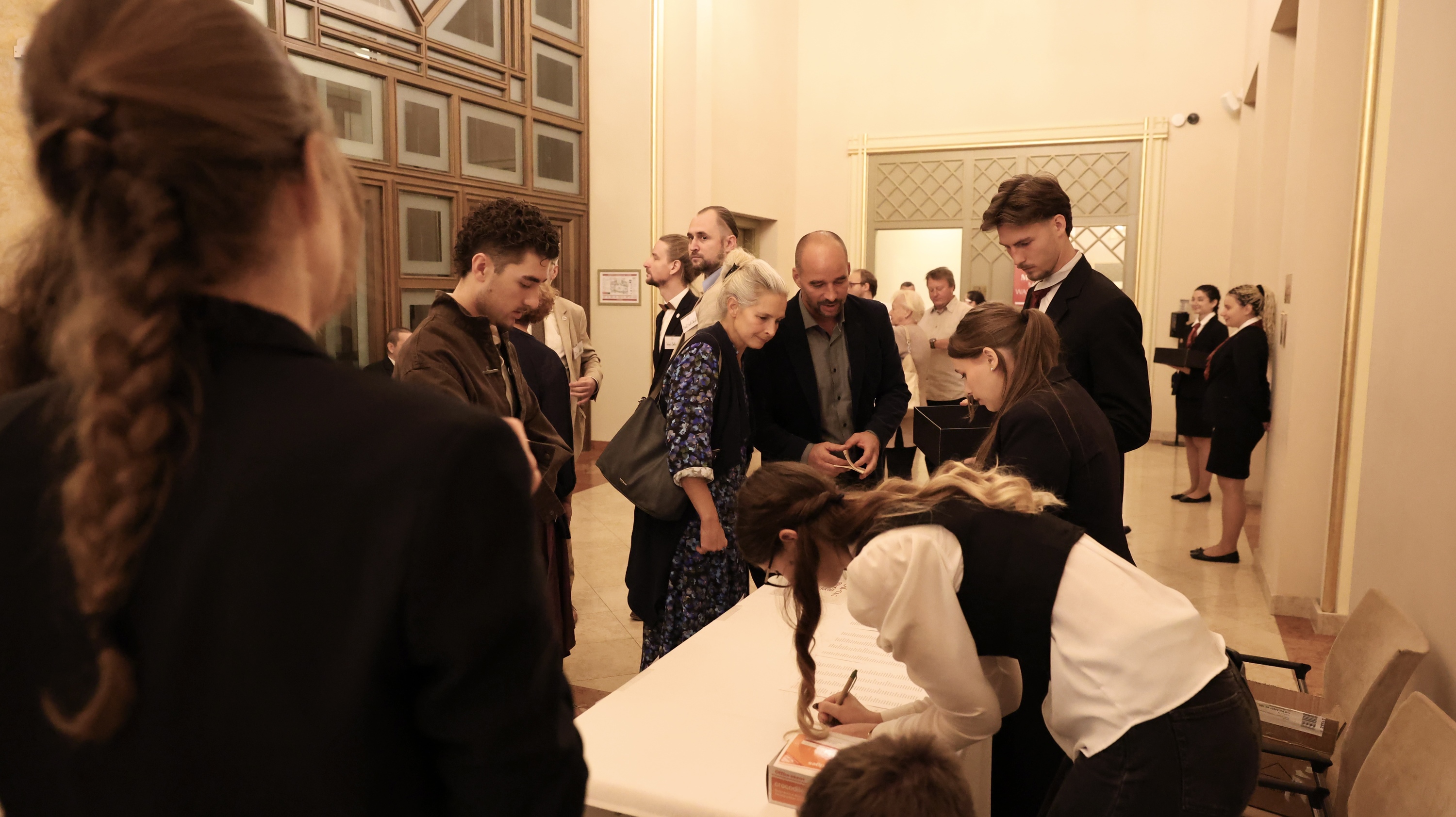
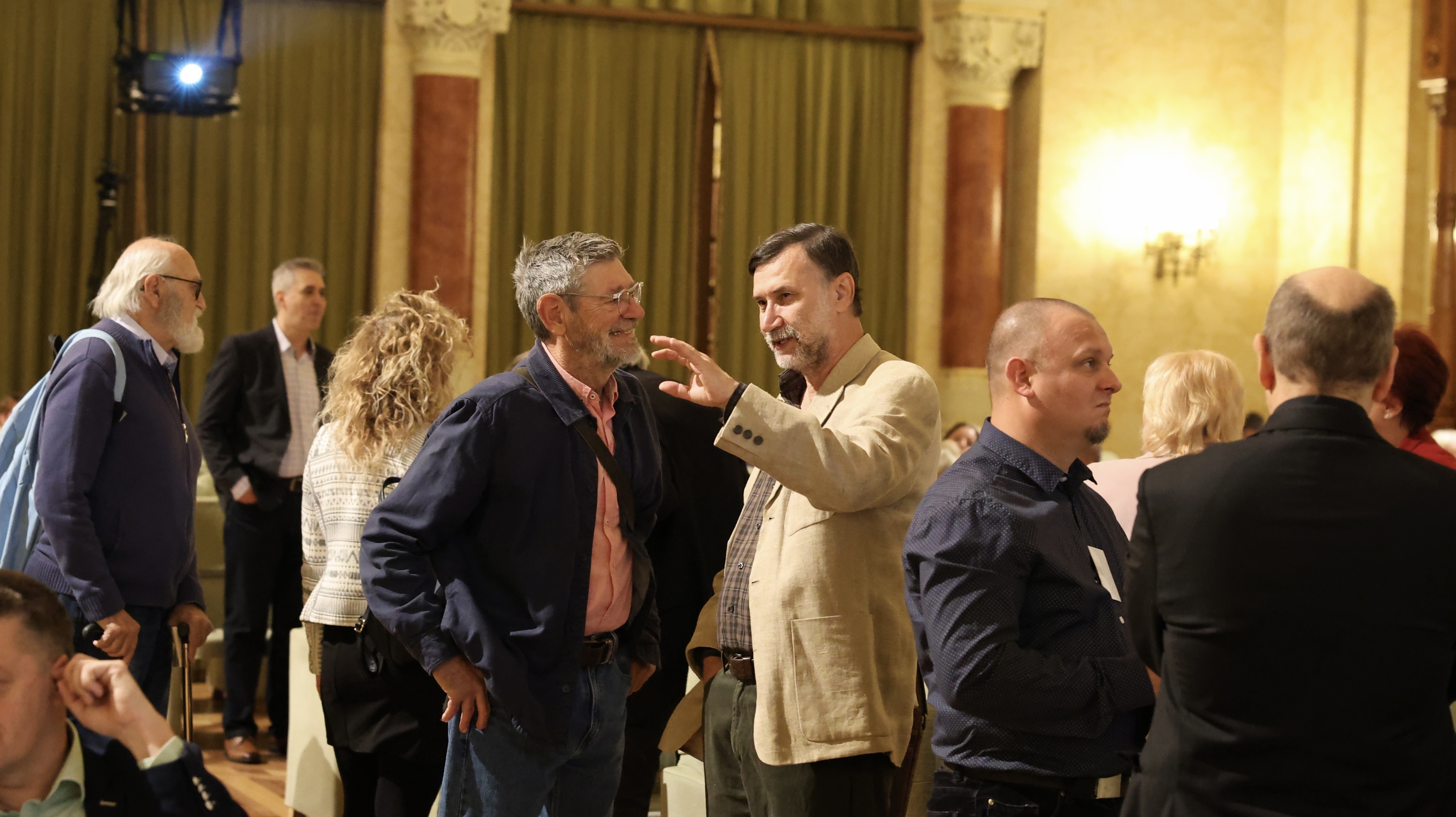
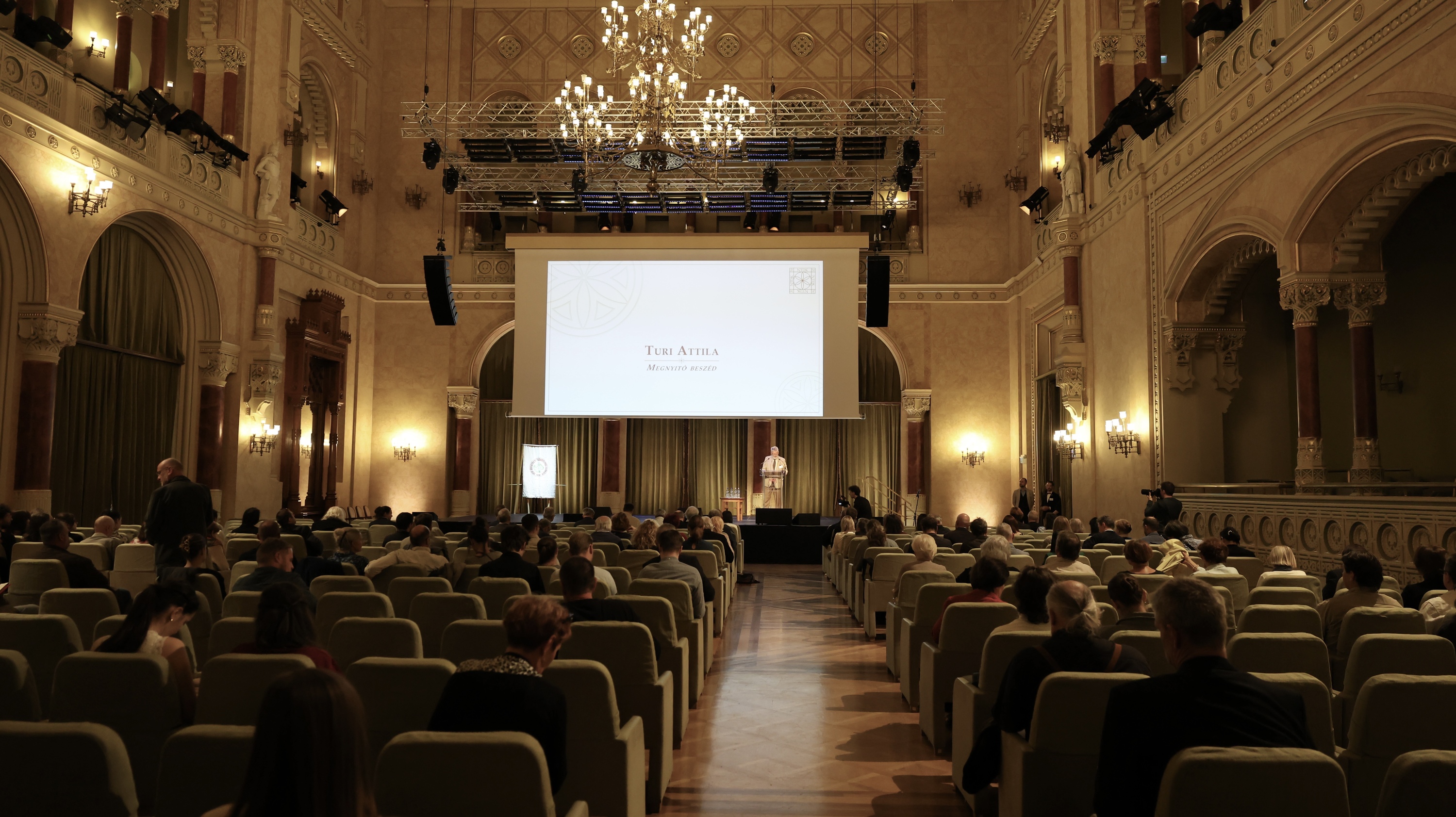
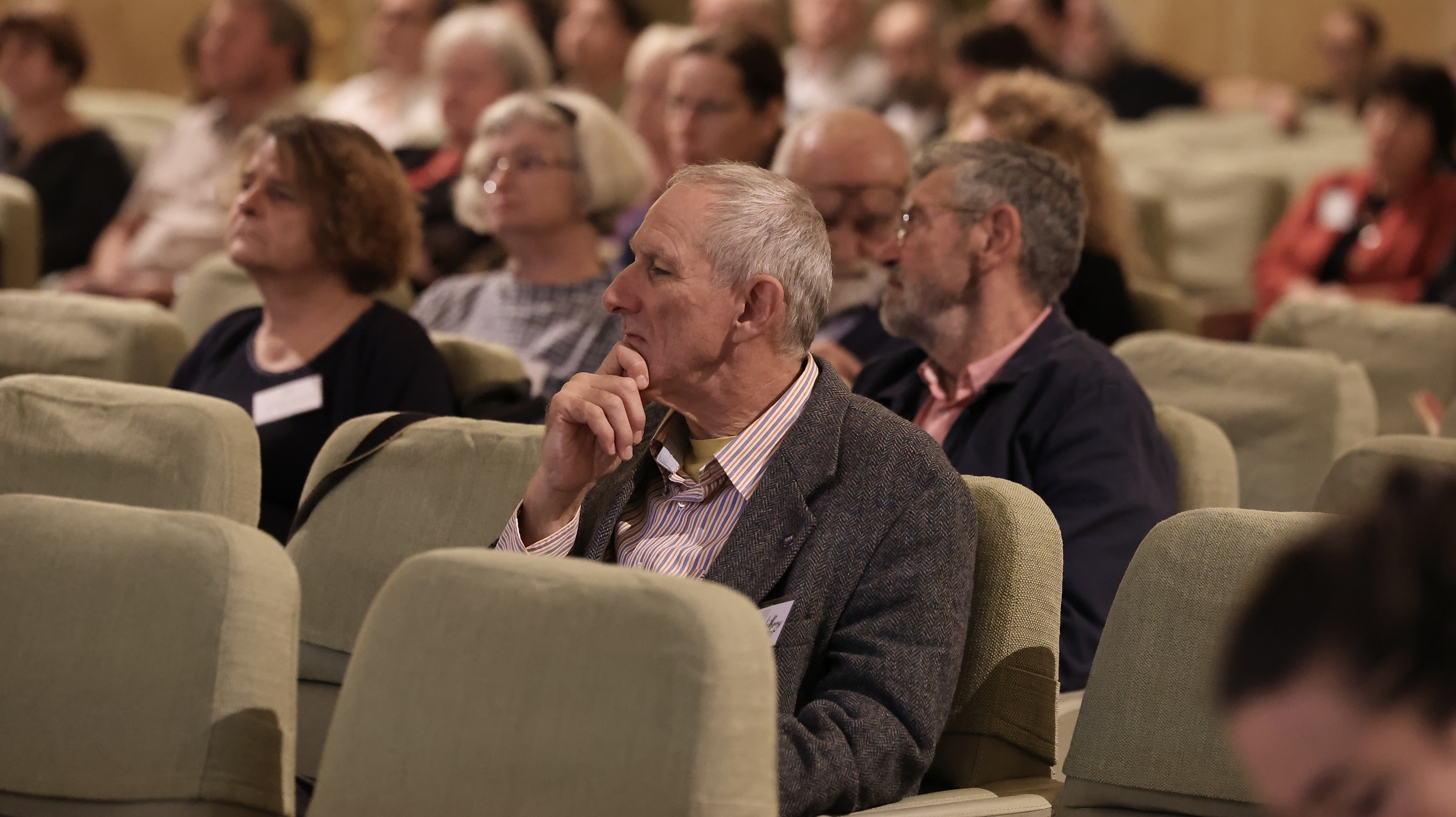
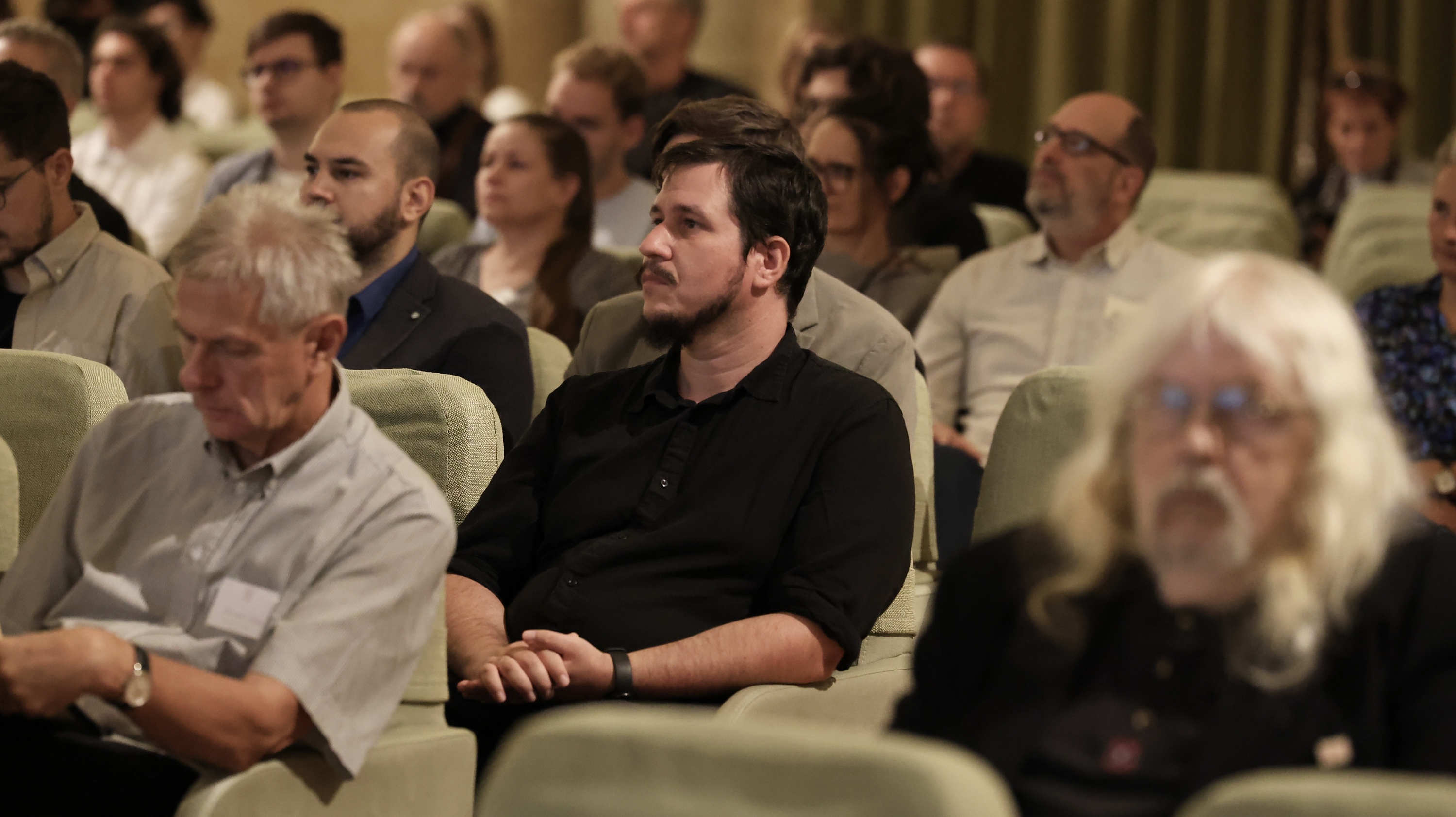
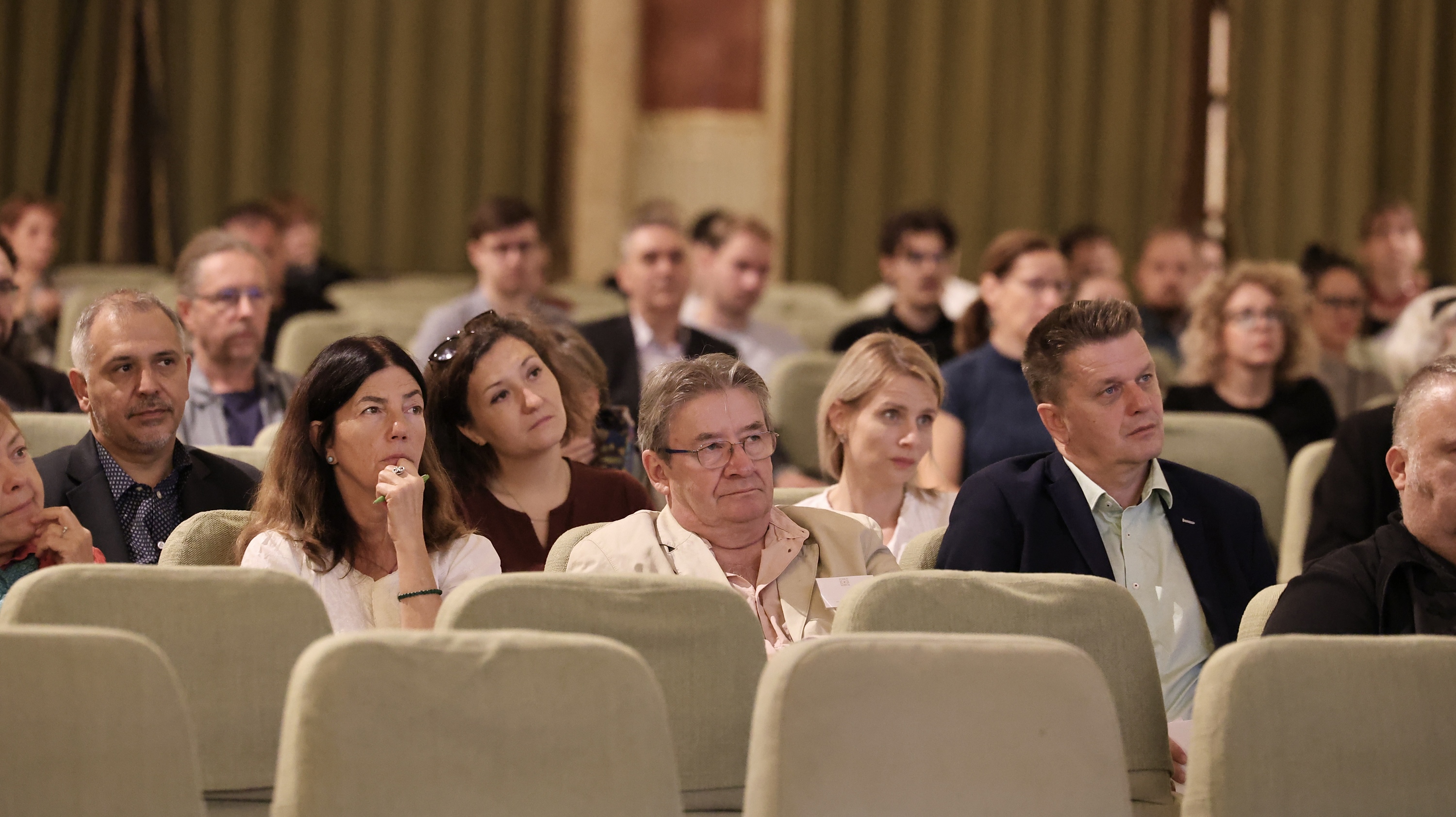
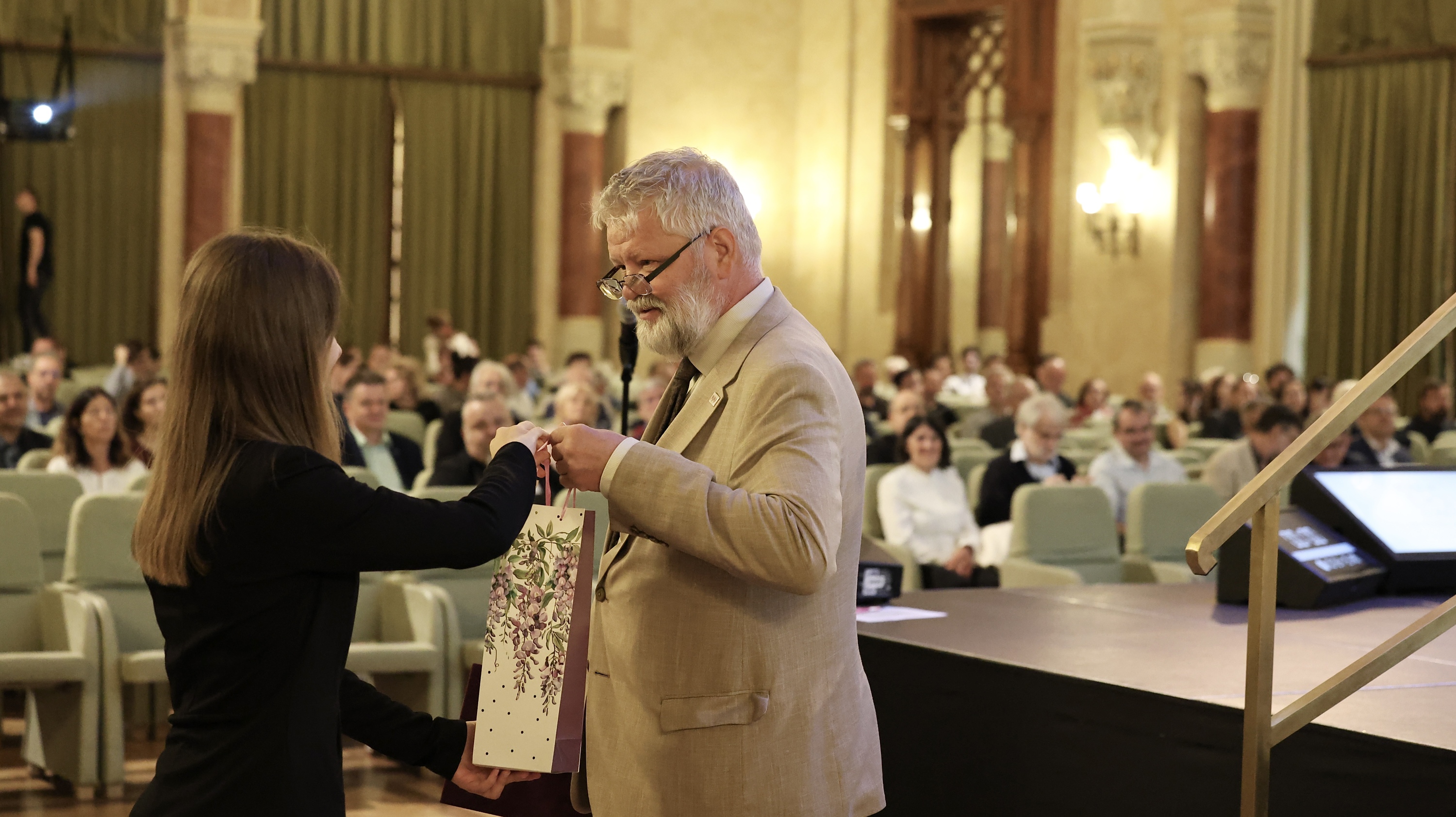
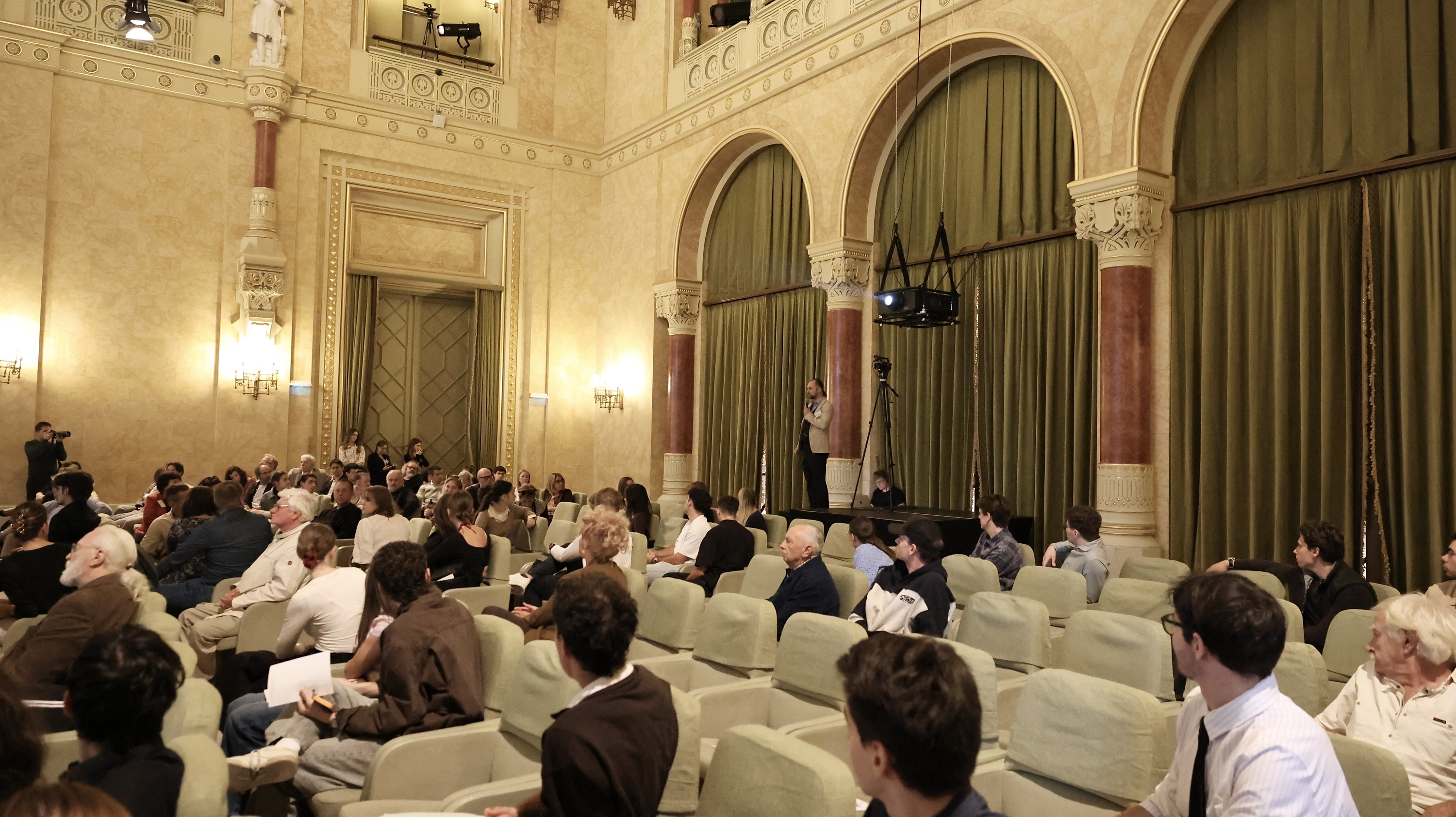
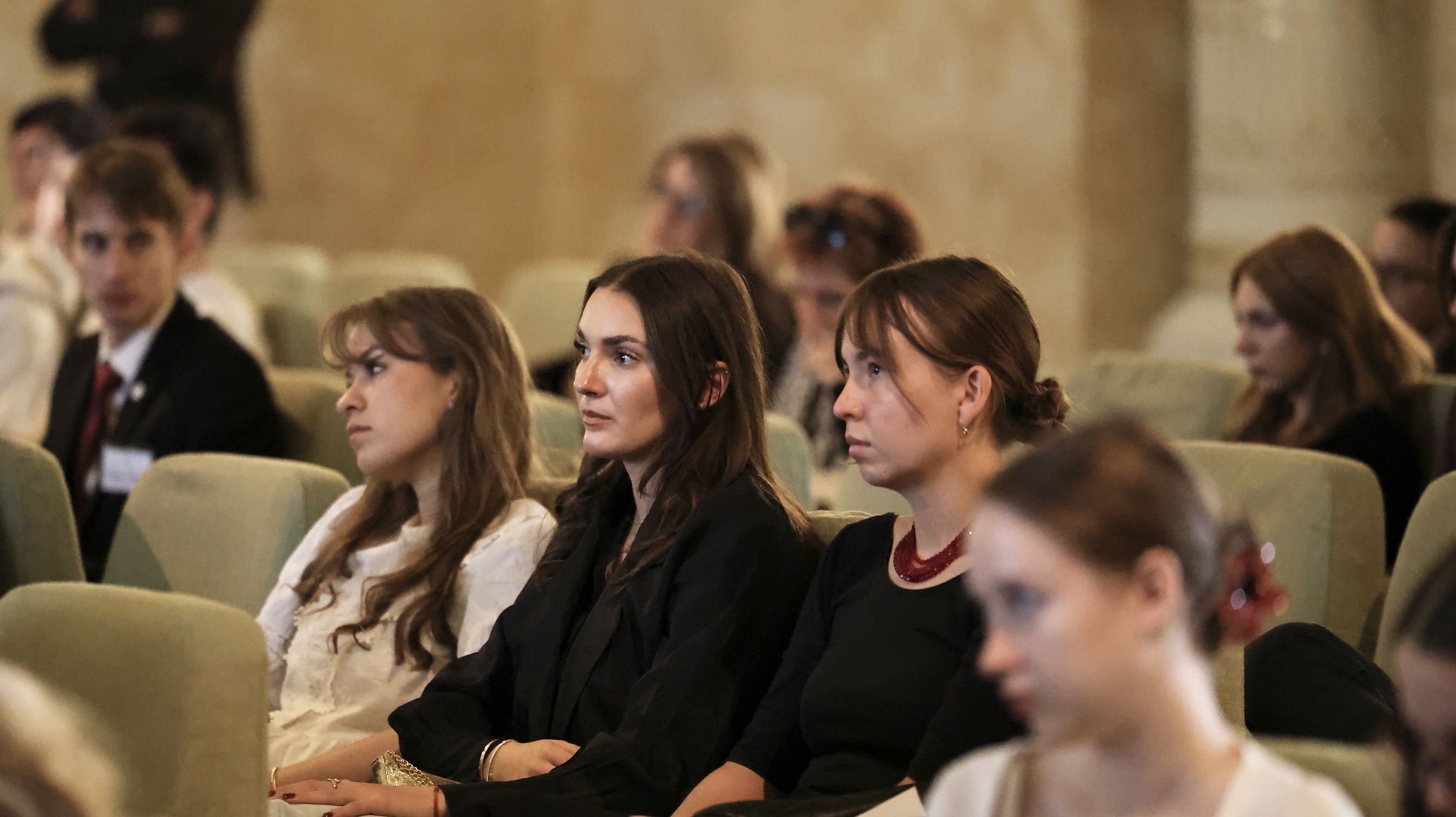
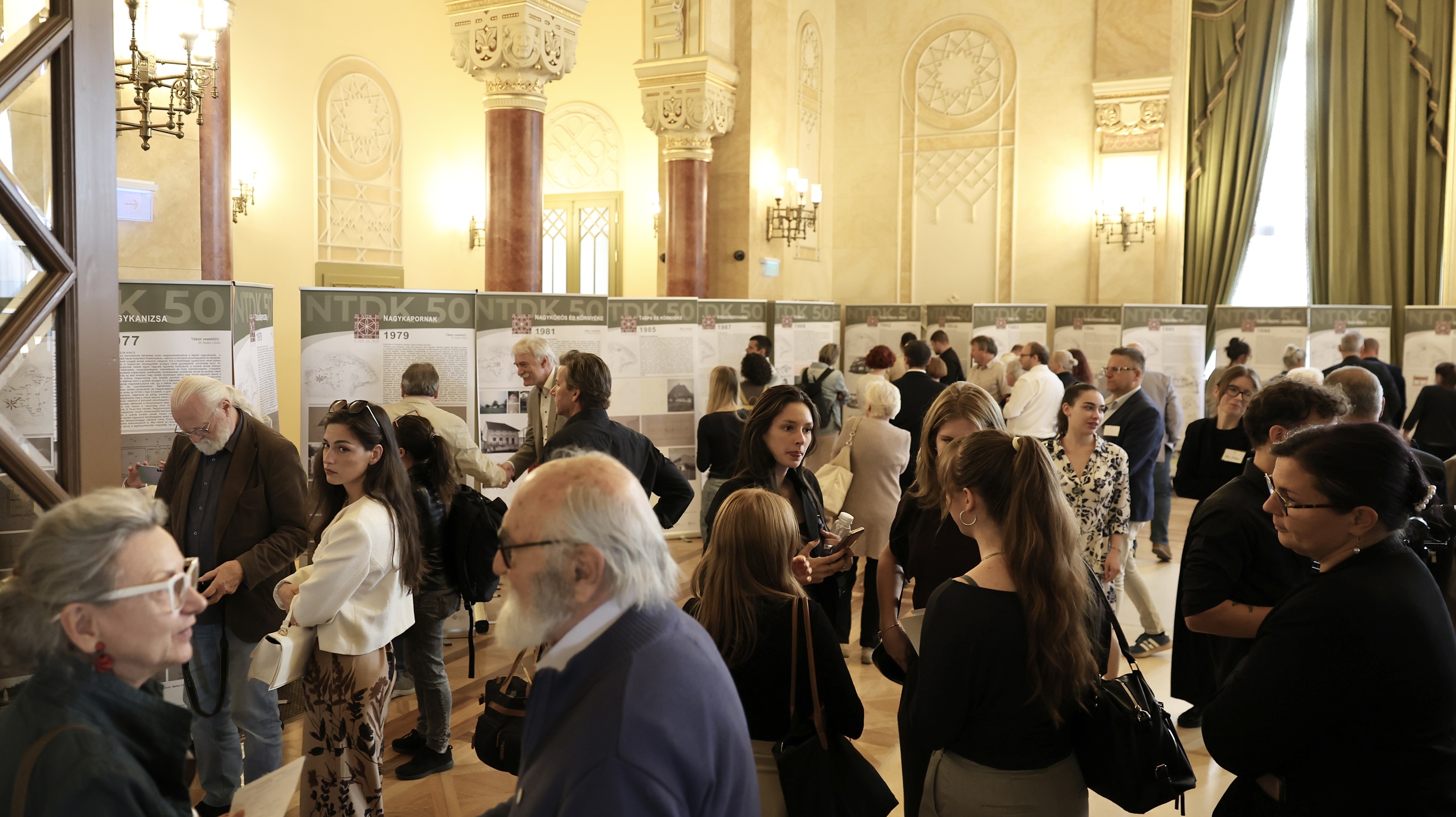
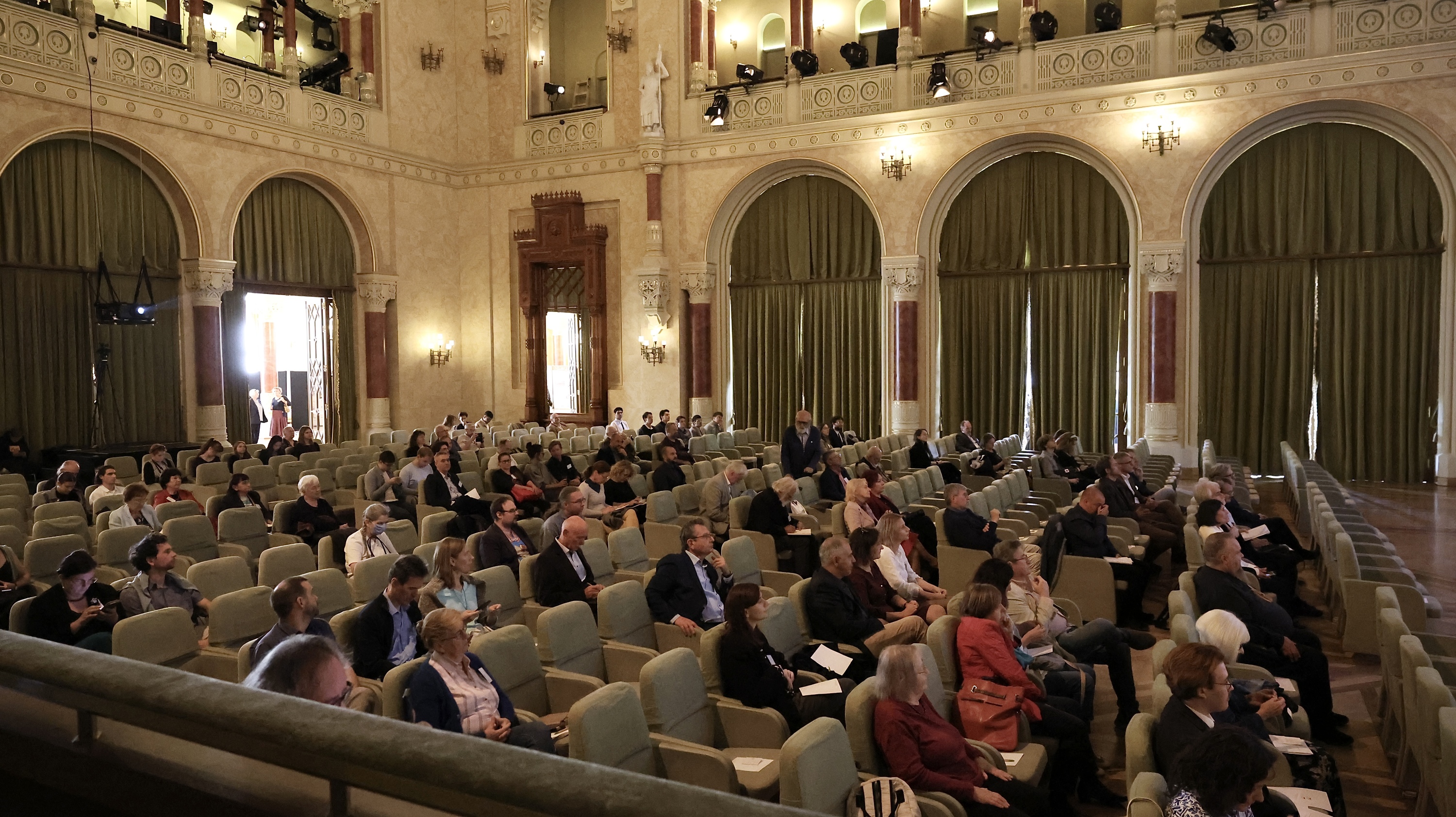
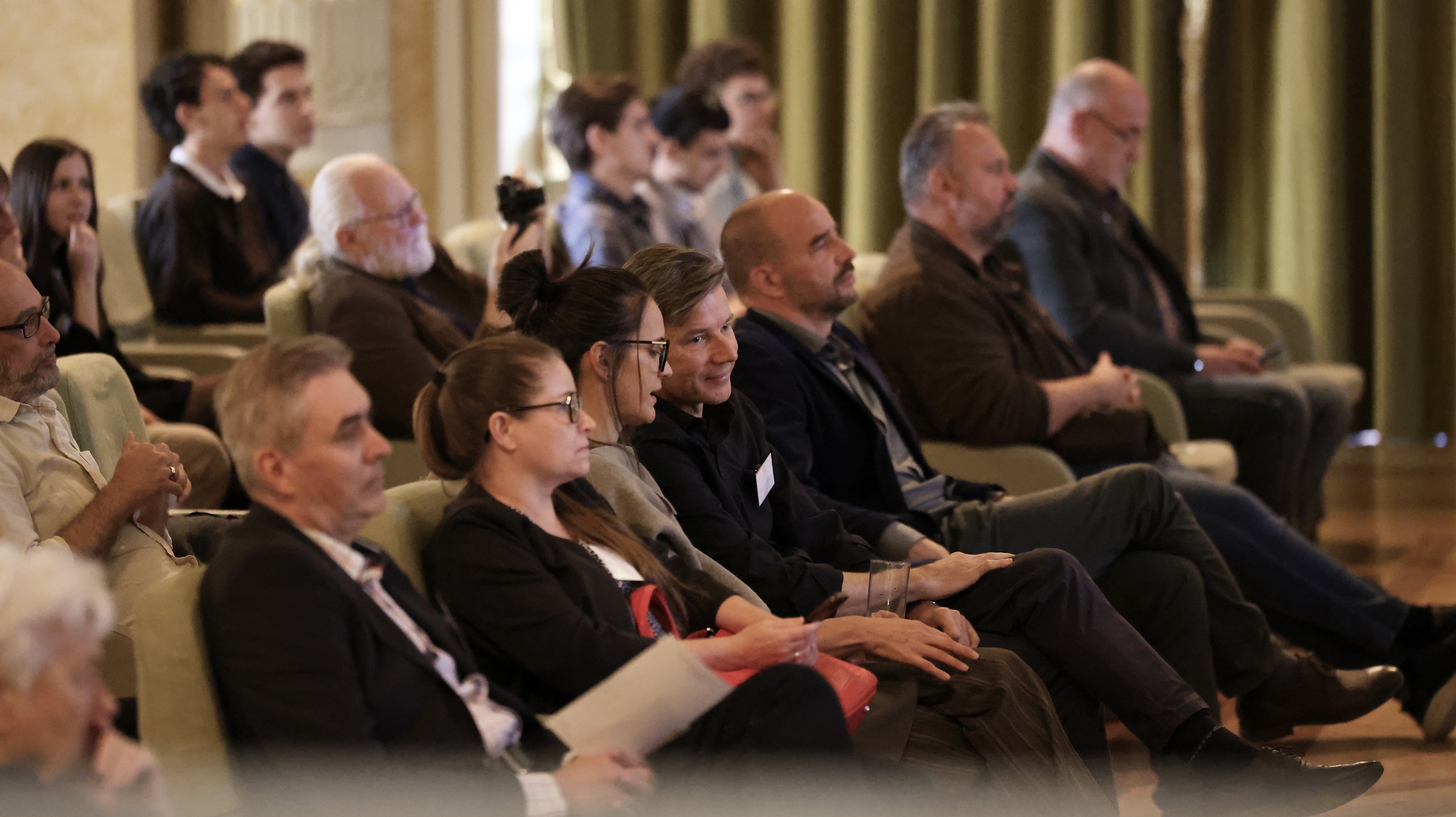
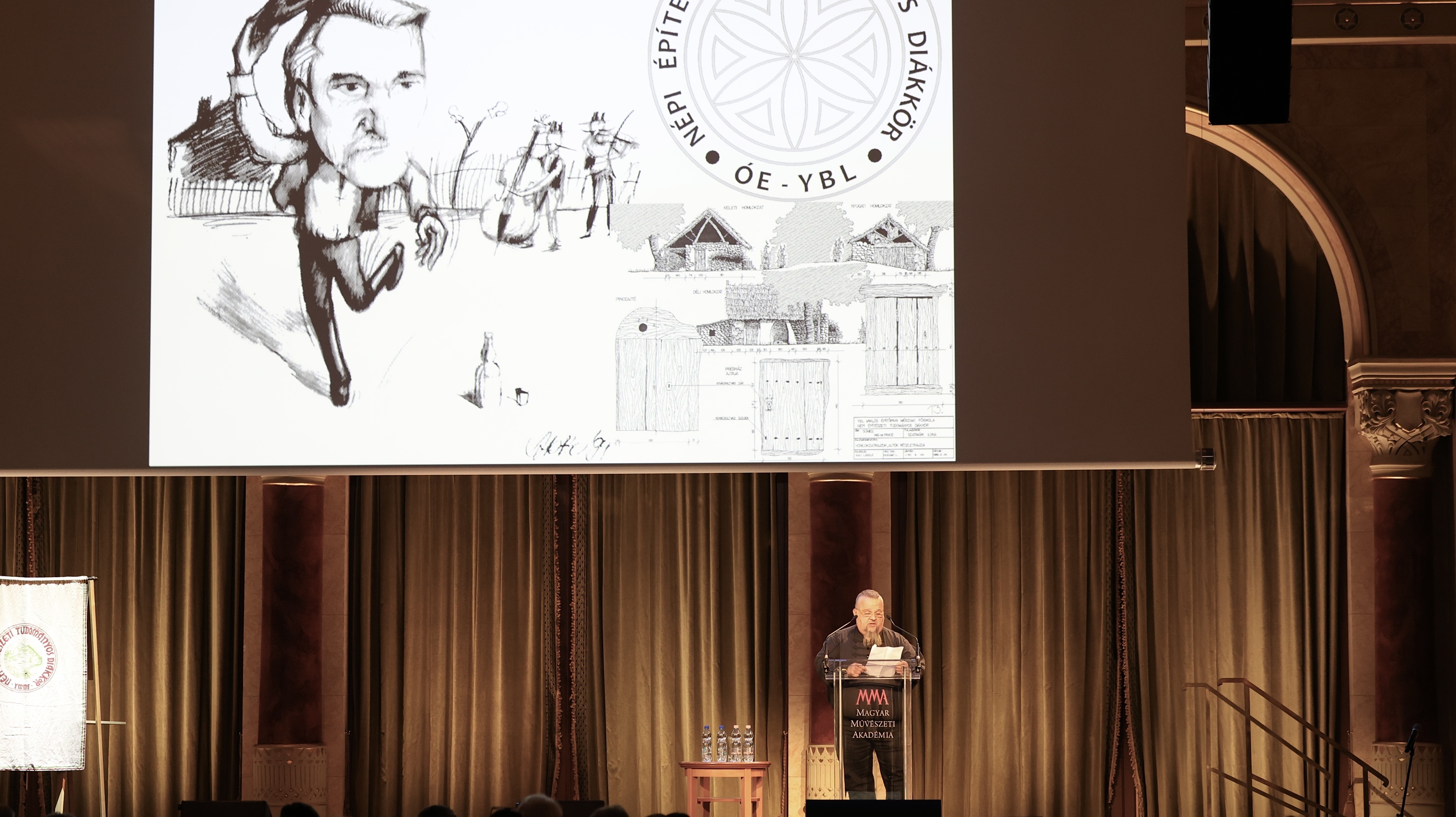
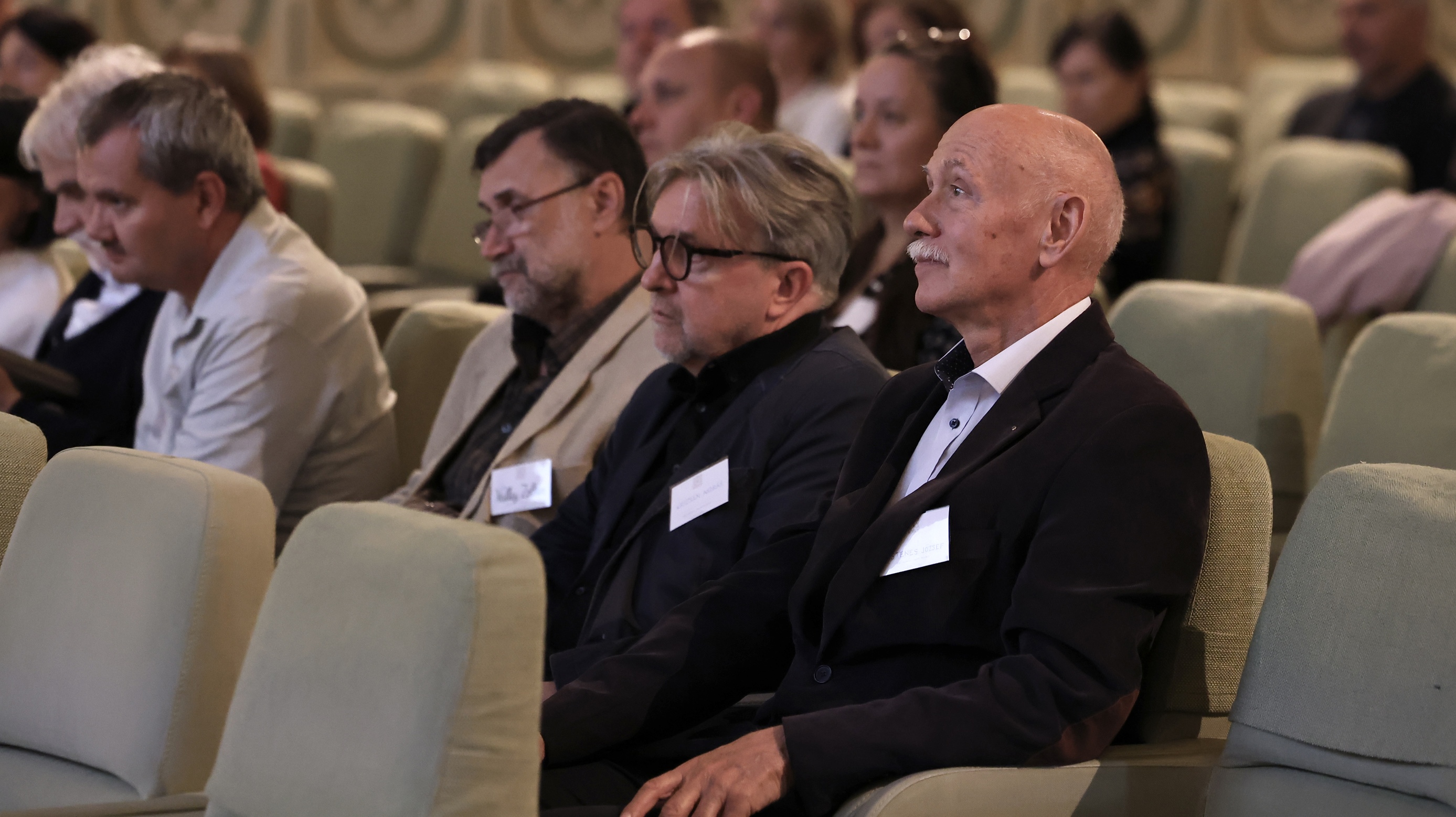
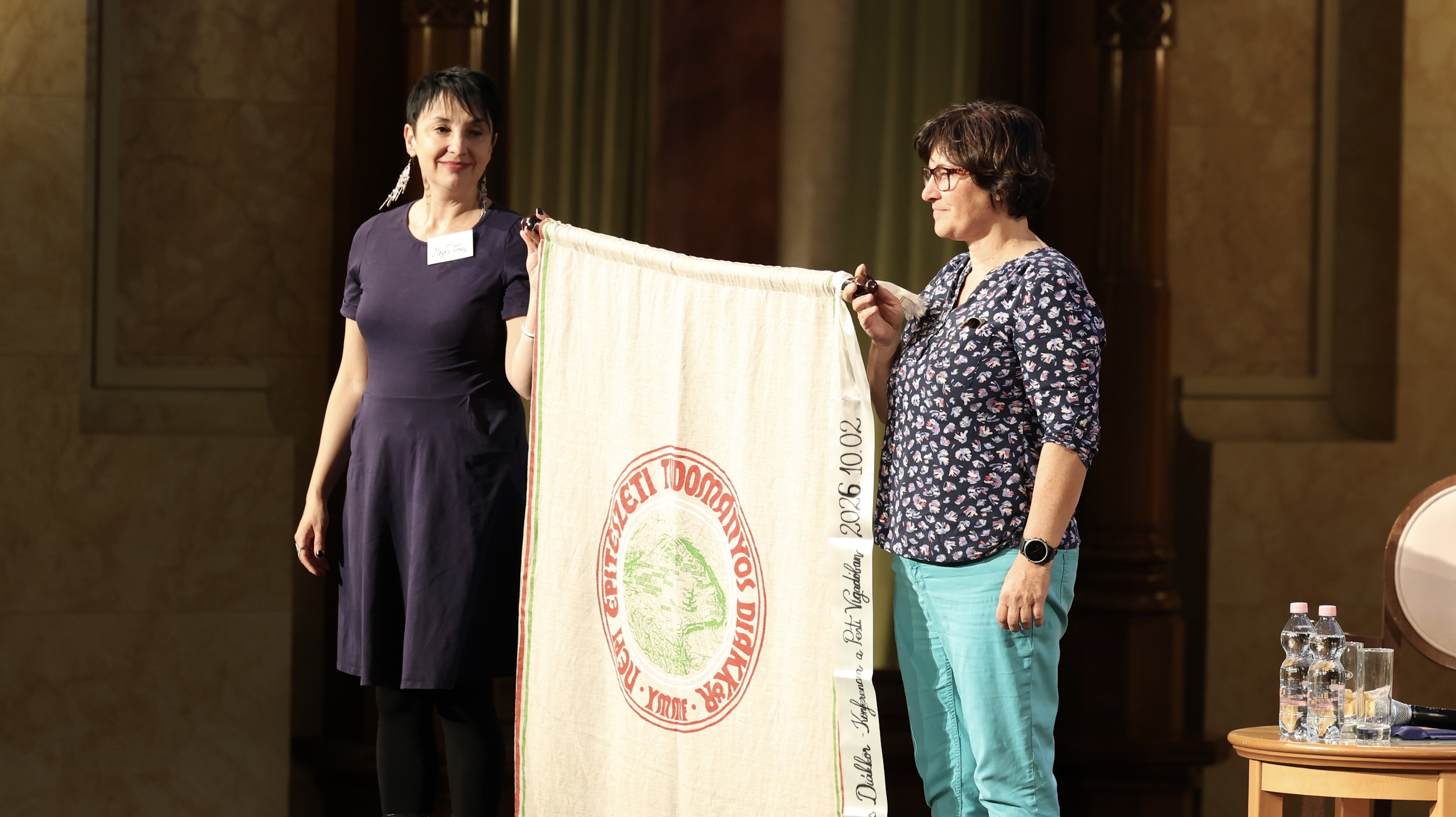
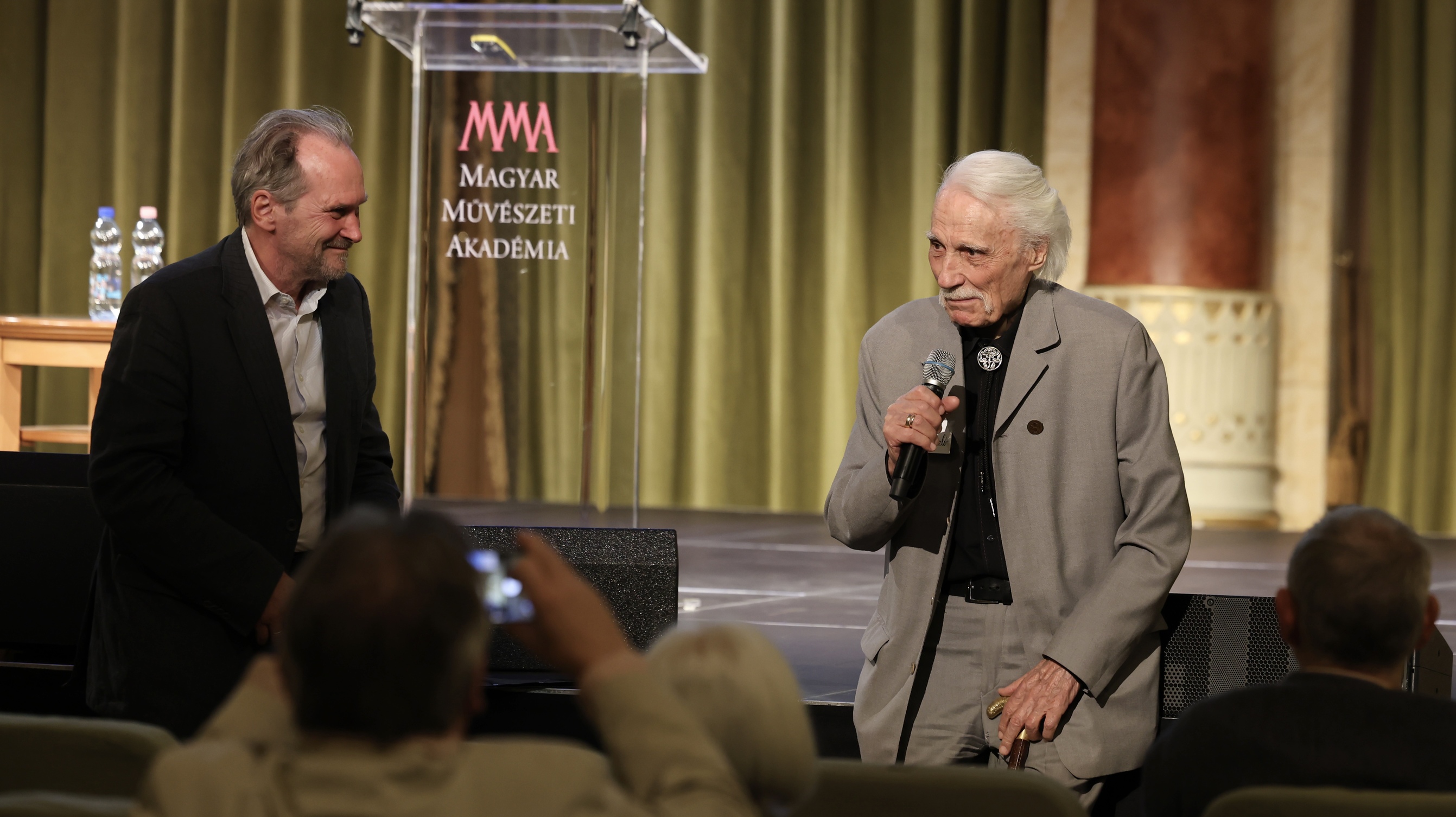
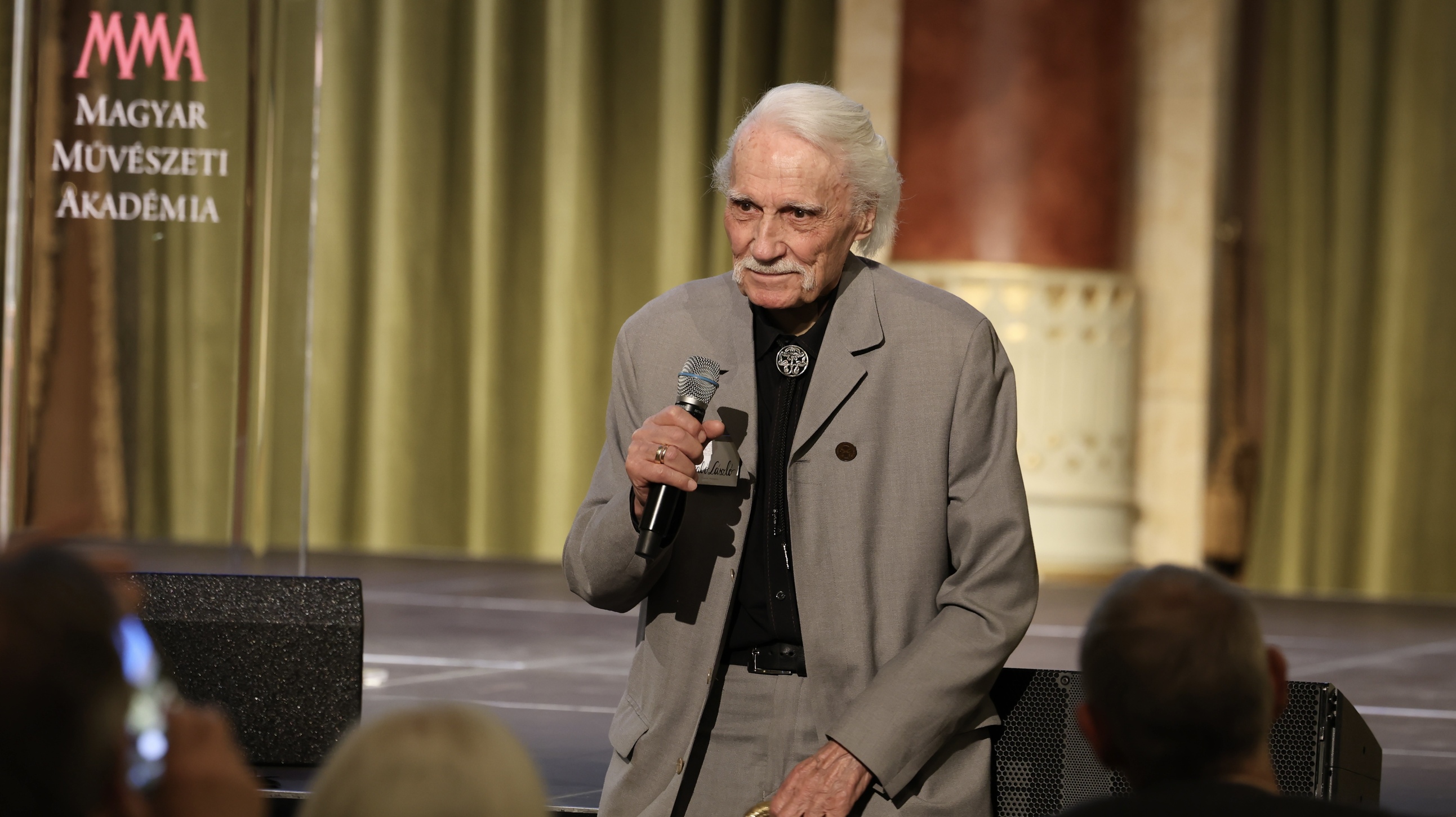
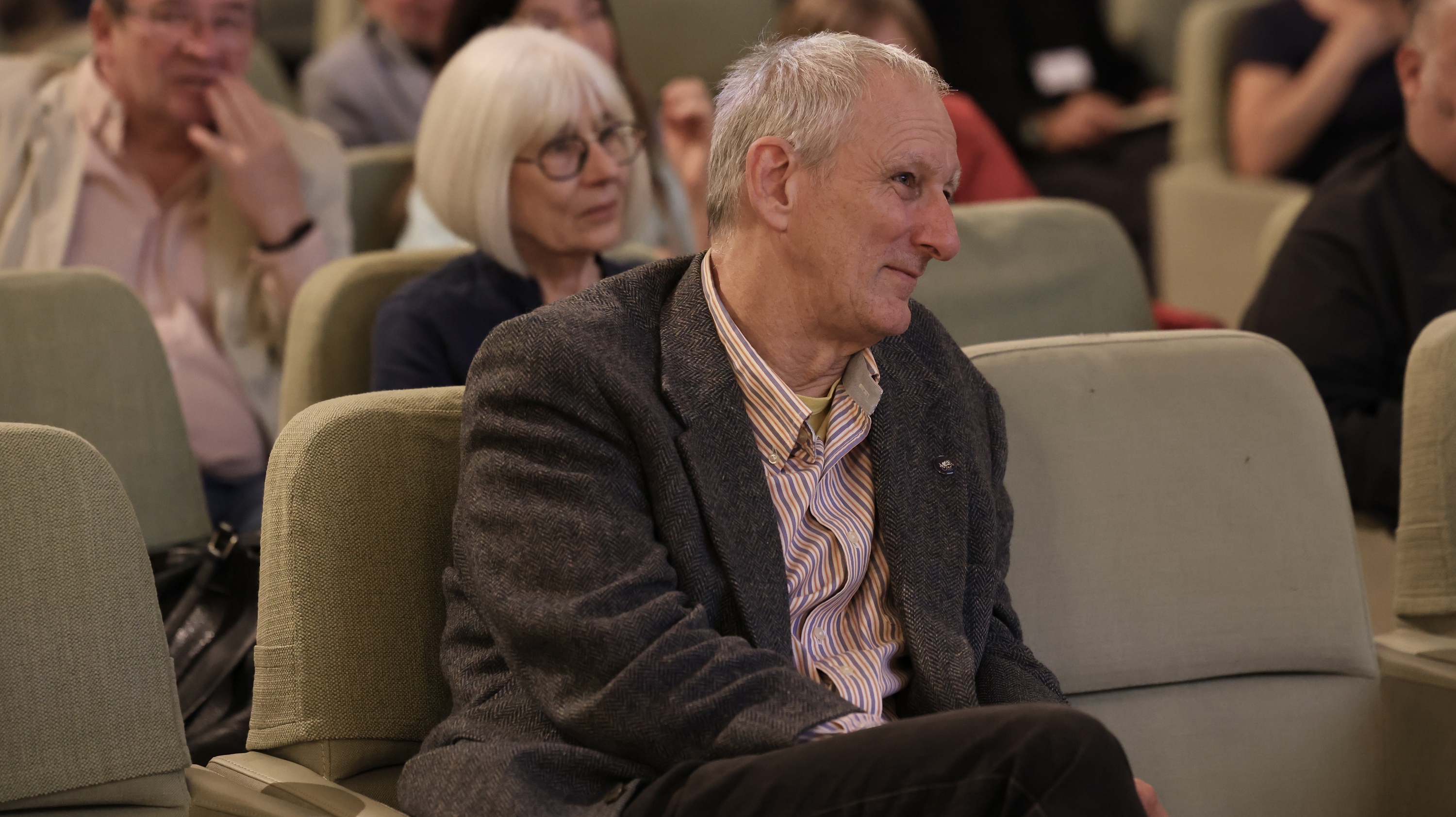
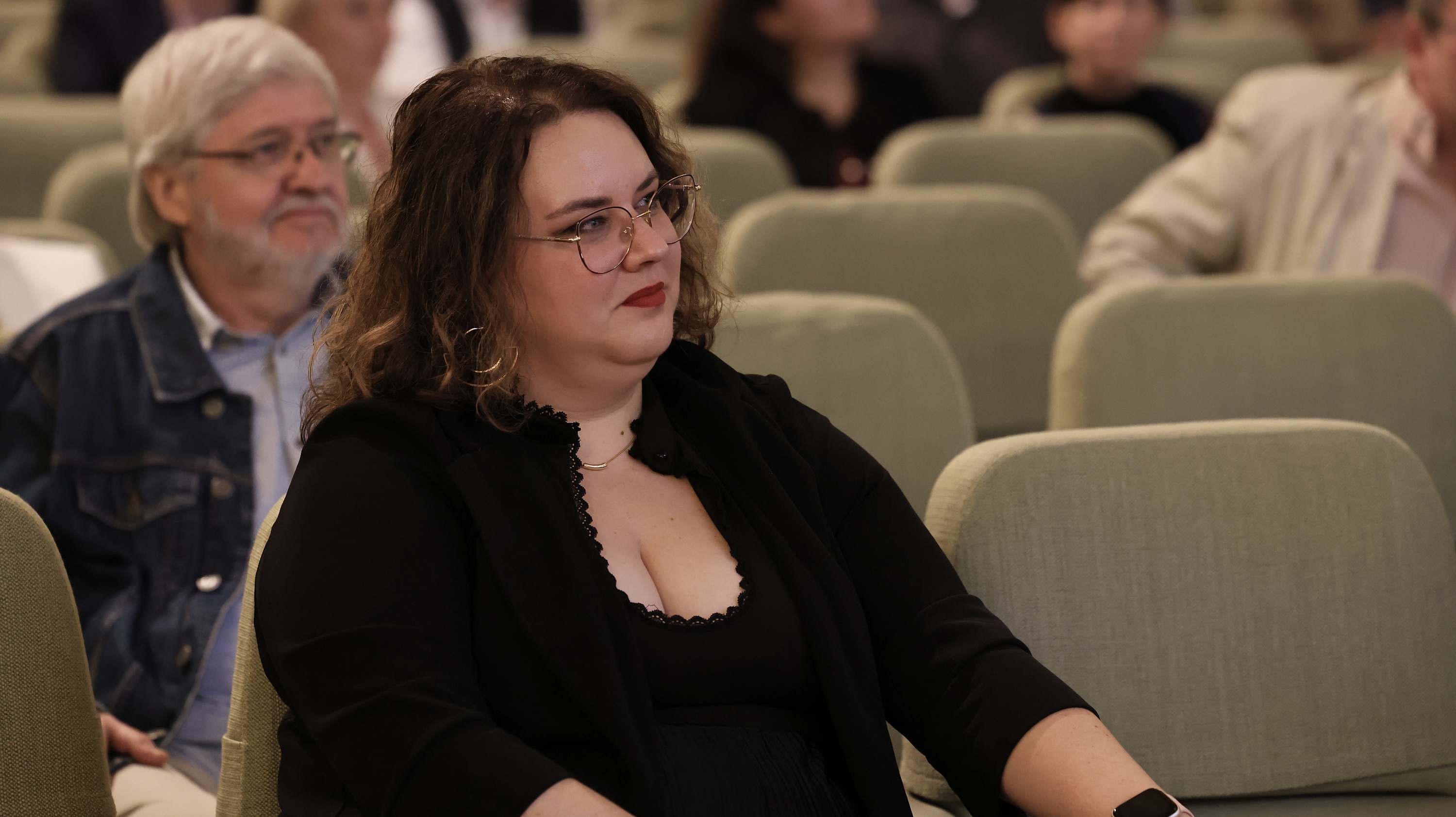
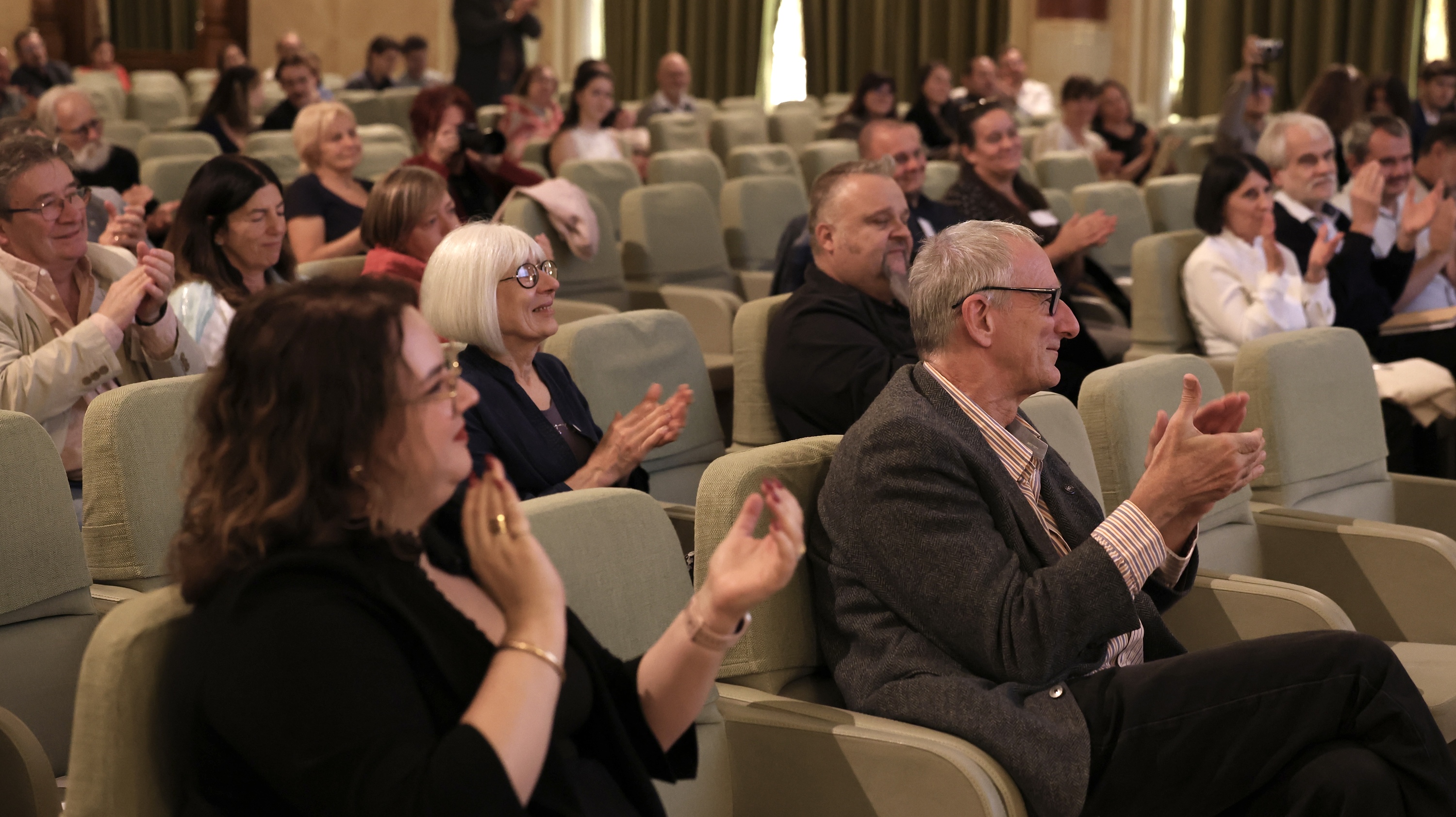
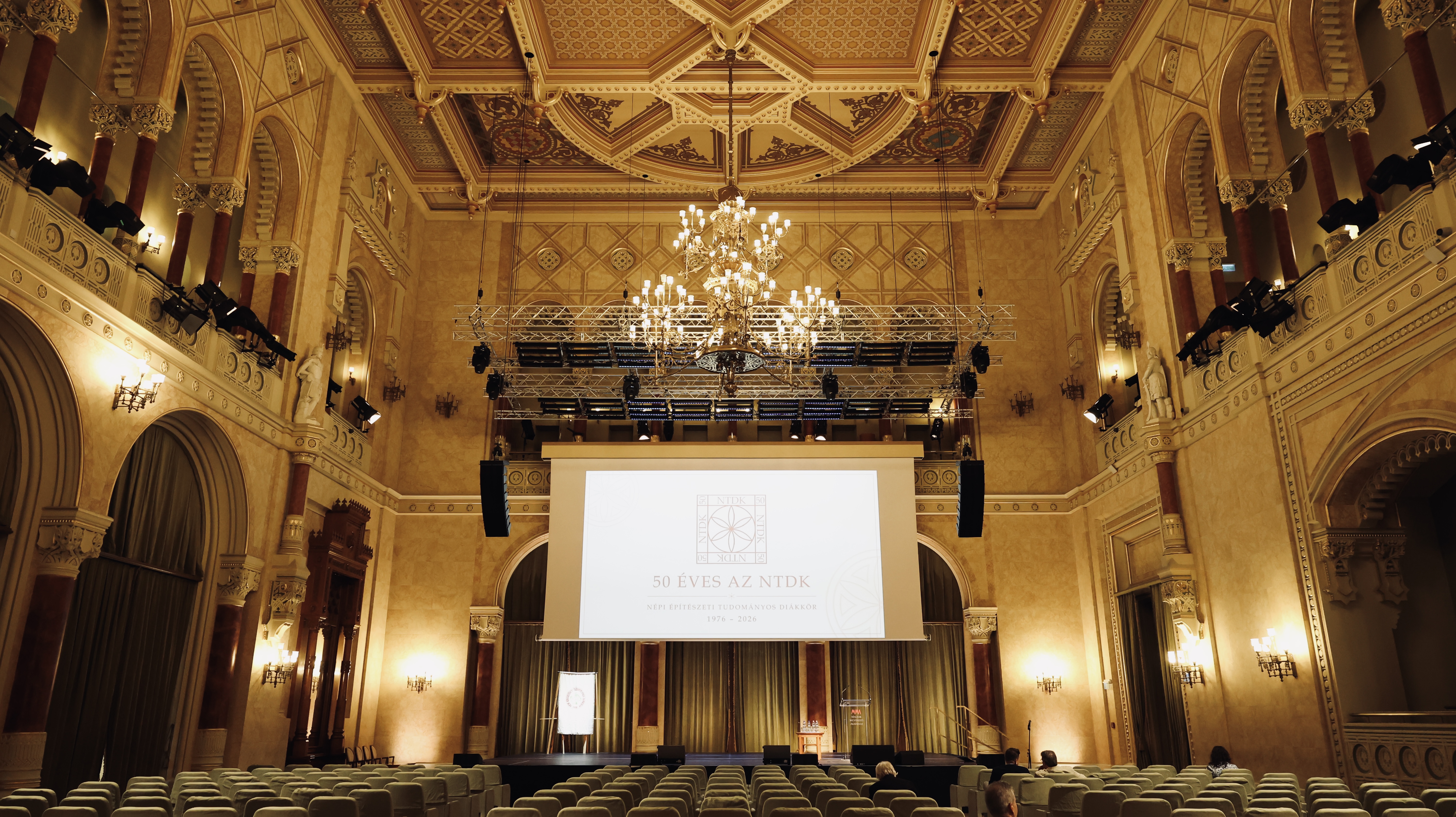
Our Faculty’s Scientific Students' Association of Built Rural Heritage (NTDK) marked its 50th anniversary with a commemorative conference on October 2, 2026, held at the Hungarian Academy of Arts (MMA) headquarters, the Pesti Vigadó. Throughout the day, former and current students, educators, experts, and enthusiasts of folk architecture discussed the Society’s fifty-year history, its professional accomplishments, and its contribution to community development.
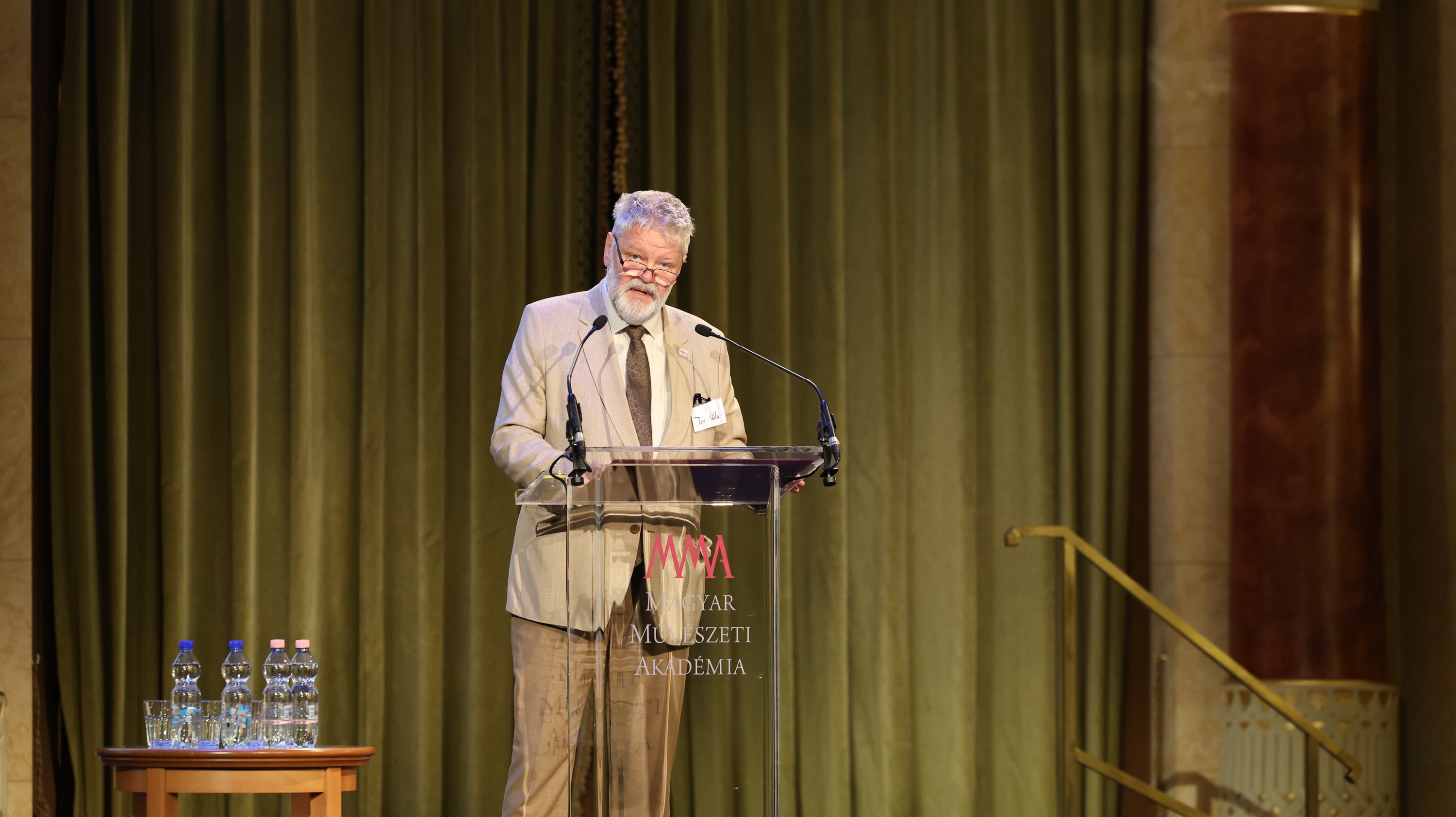
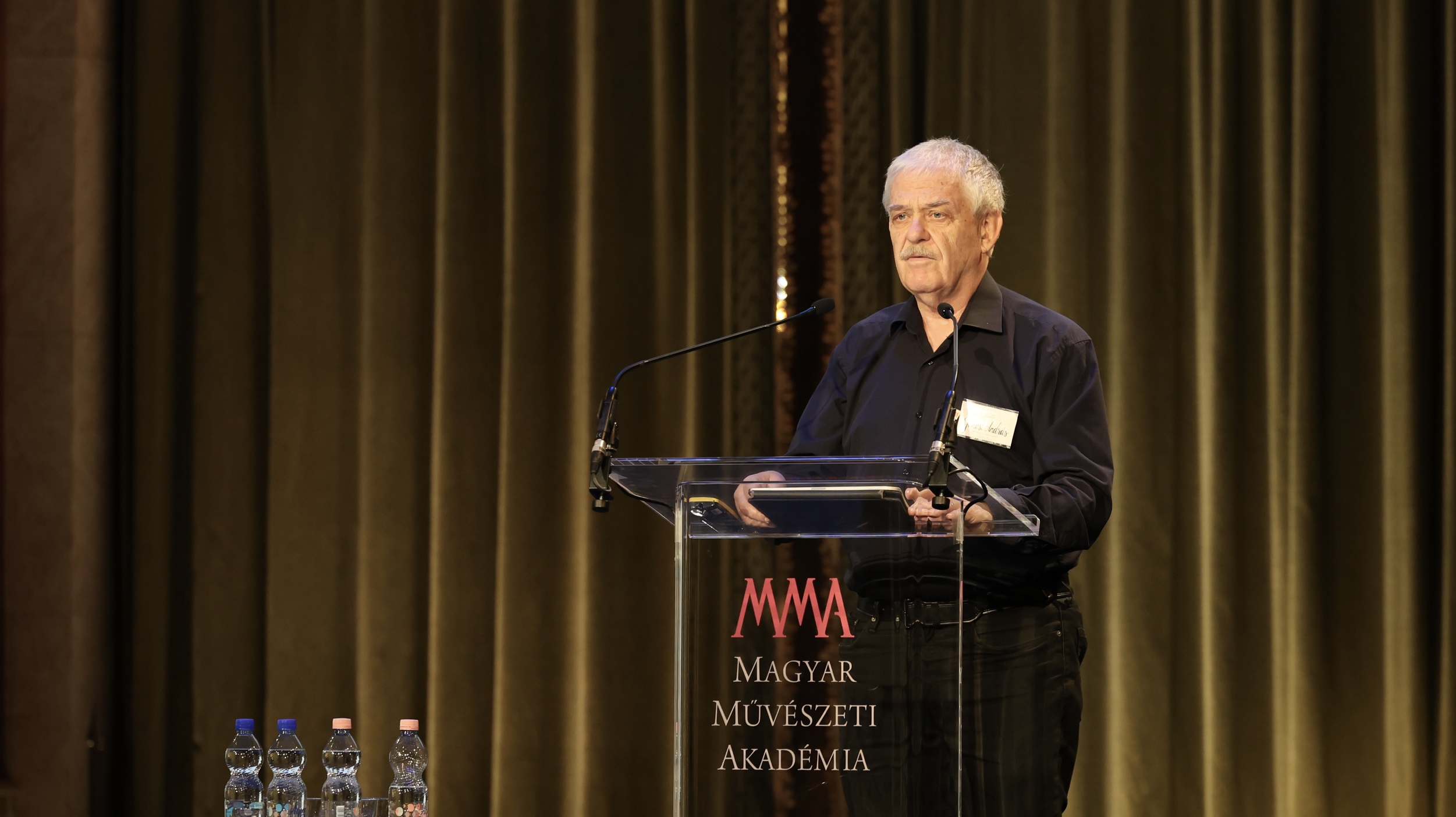
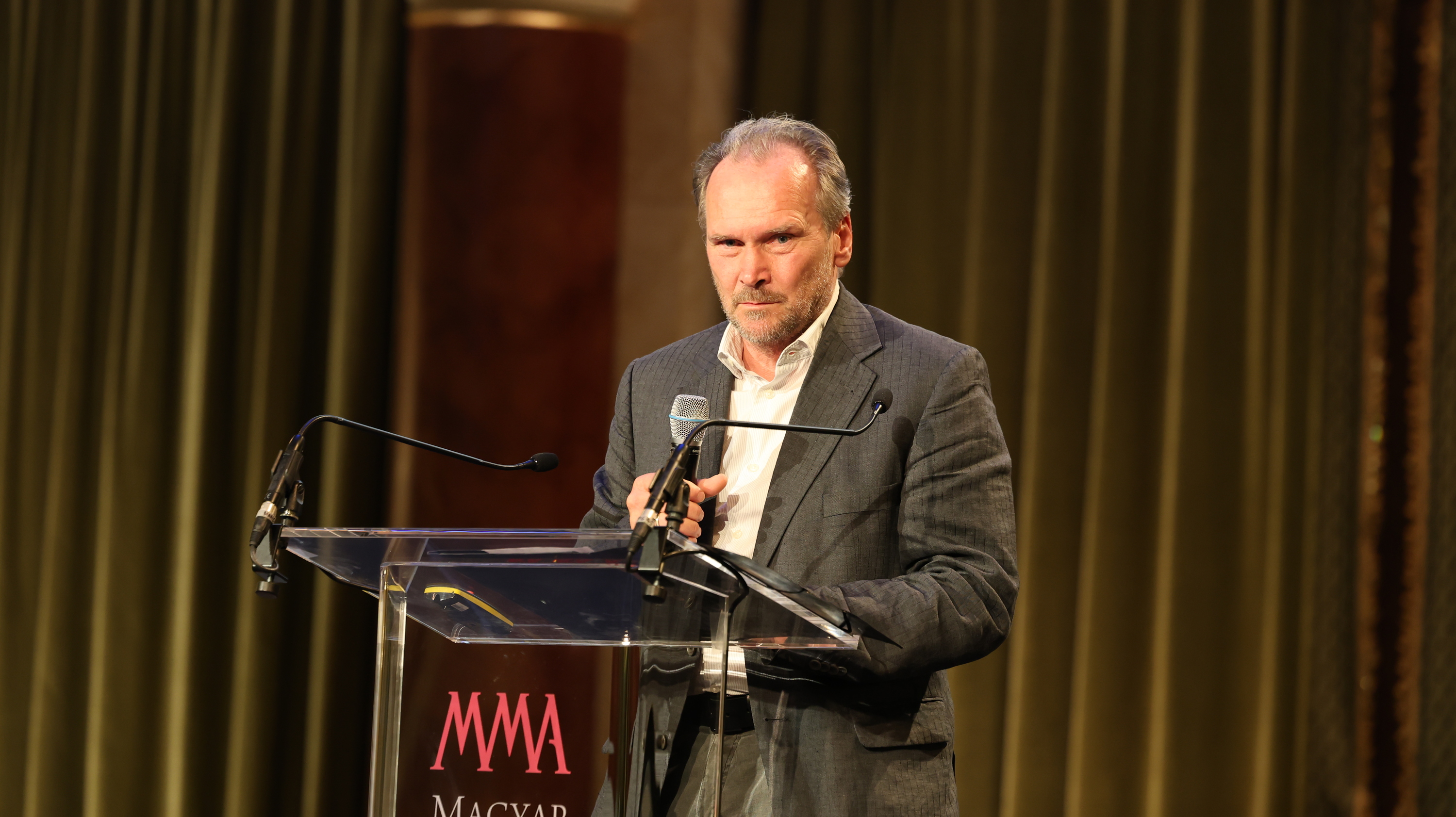
The anniversary celebration started with a joint performance of the national anthem, then continued with an opening speech by Attila Turi, President of the Hungarian Academy of Arts. In his greeting, he acknowledged NTDK’s fifty years of dedicated efforts and highlighted the significance of community activities, camp building, and passing down traditions. He reflected on the social and architectural changes of the 1970s, when it became increasingly vital for generations moving from villages to urban areas to preserve their heritage and modify it for their new environments. He stressed that tradition is not just something to be displayed in a cabinet; it is a living, adaptable value that also supports community growth.
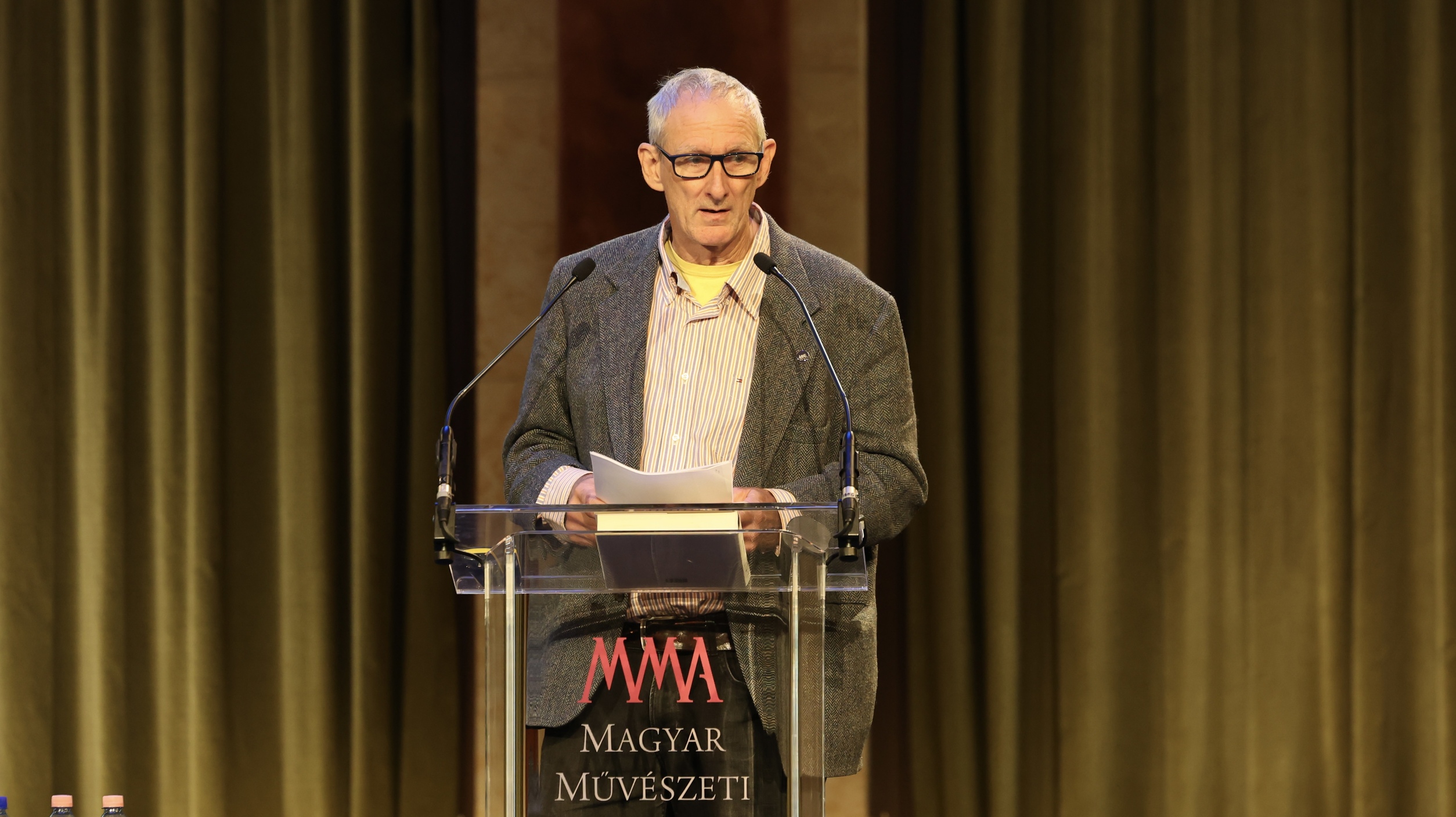
Prof. Dr. Anthony John Gall, Ybl Prize-winning architect and Dean of our Faculty, delivered the opening lecture at the conference. He discussed the relationship between the Ybl Faculty and the NTDK, highlighting the importance of fieldwork in architectural education. He stressed the value of joint surveys with students and summer building camps, which offer both professional experience and foster a sense of community. Gall also referenced international precedents for these survey camps, such as William Morris's legacy and the Arts and Crafts movement. He noted that summer architectural surveys in Hungary date back to the early 20th century, and that research into folk and vernacular architecture has become a significant field in other European countries.
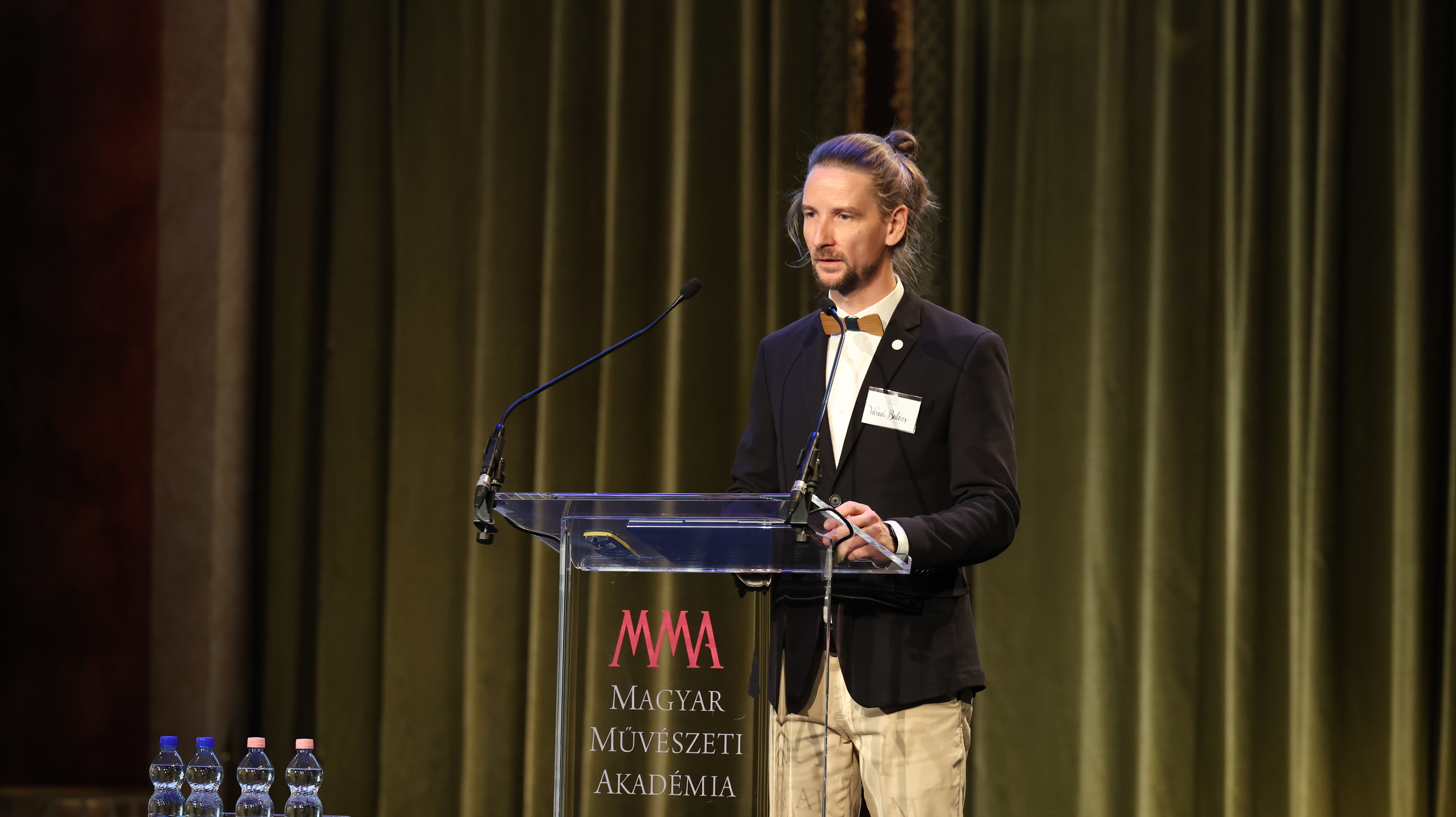
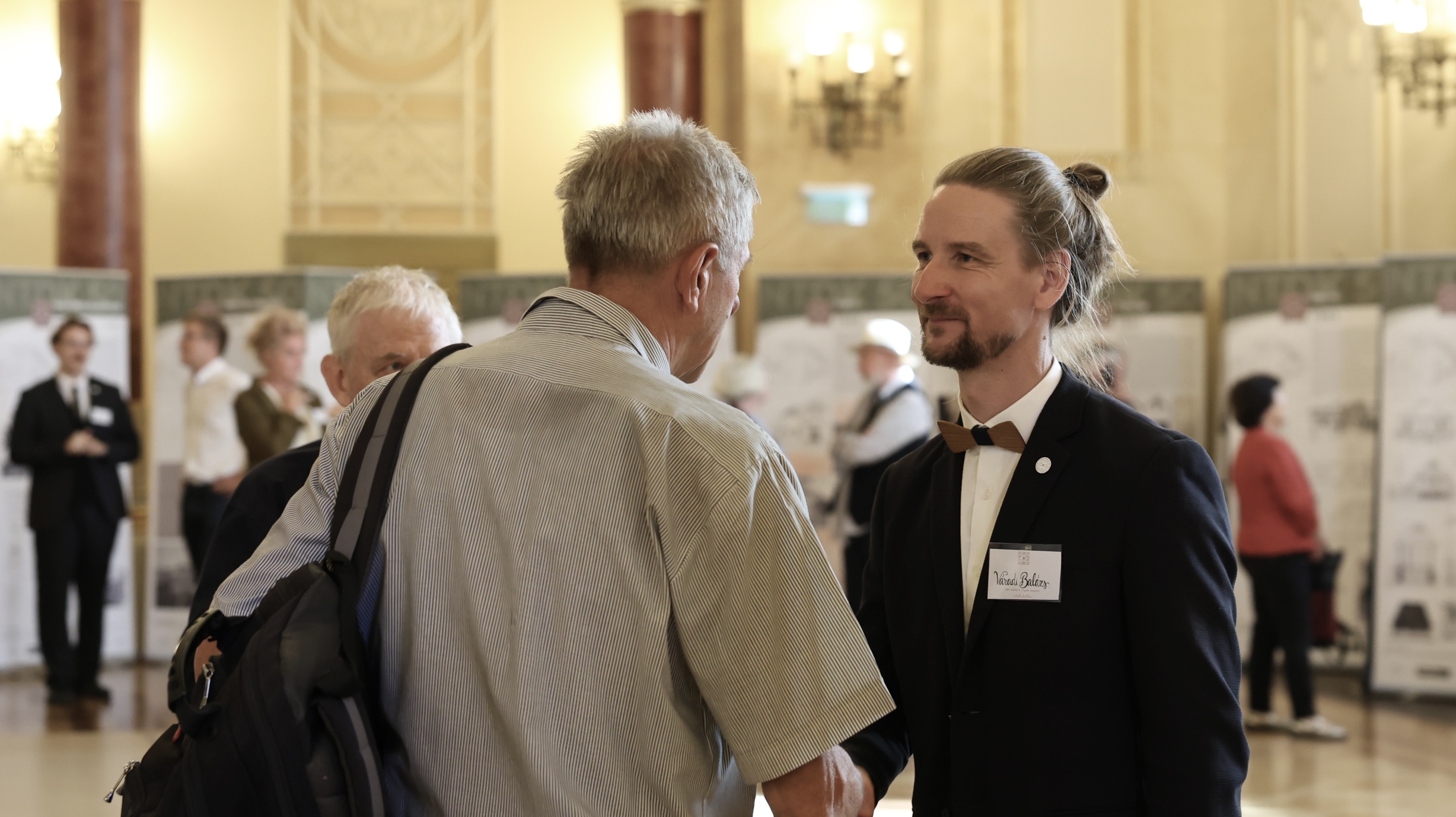
Balázs Váradi, a current leader of the Student Circle, provided an overview of the daily operations of the NTDK and the camp activities conducted over the past decades in his presentation titled ‘NTDK50 – 50 Years in the Service of Folk Architecture’. He described how current and former students interacted at the survey and construction camps, as well as how the collected materials were documented, processed, and displayed. He emphasized that one of the main future objectives is to make the Student Circle’s extensive collection of survey and ethnographic data, accumulated over many years, more accessible.
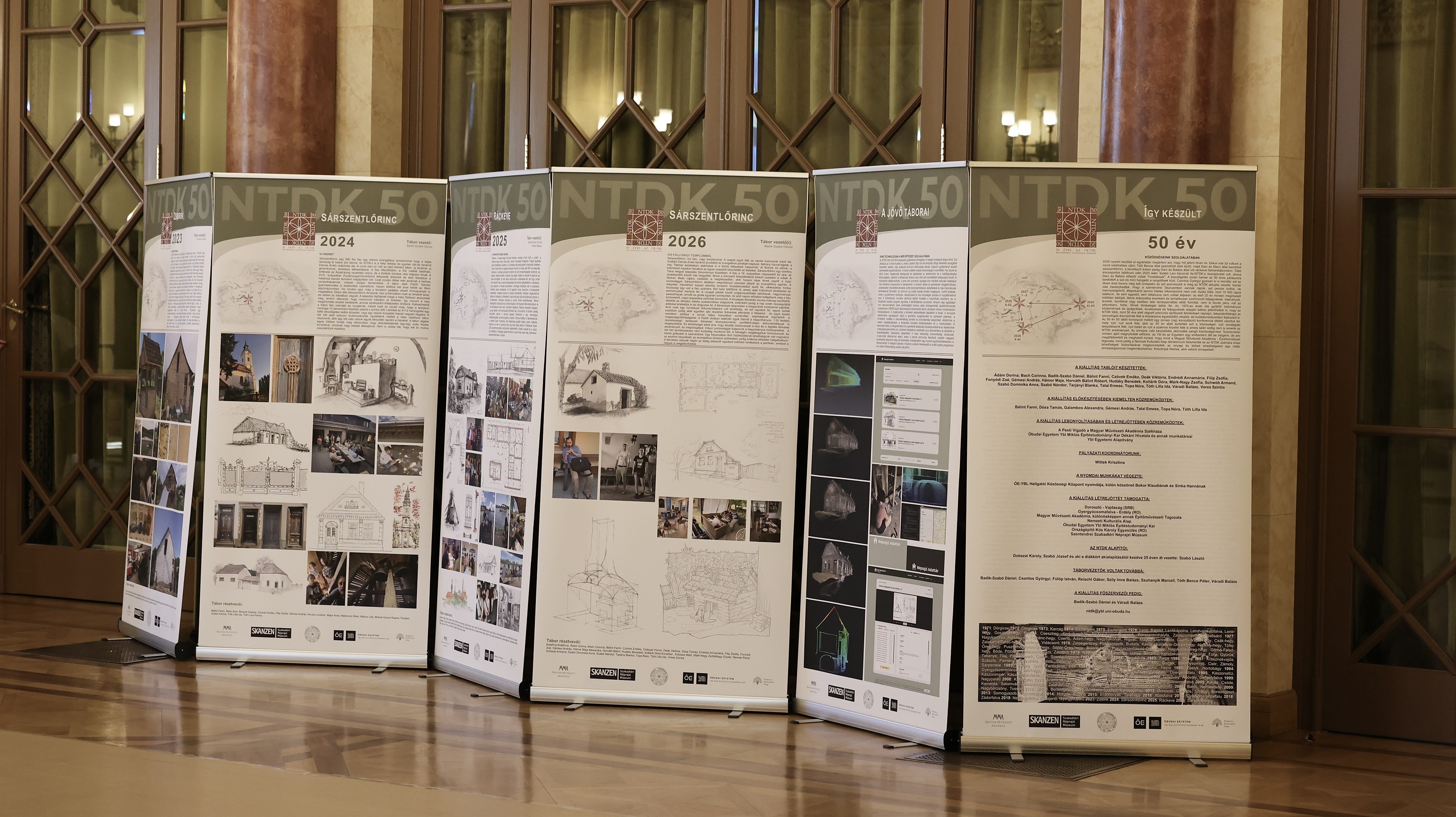
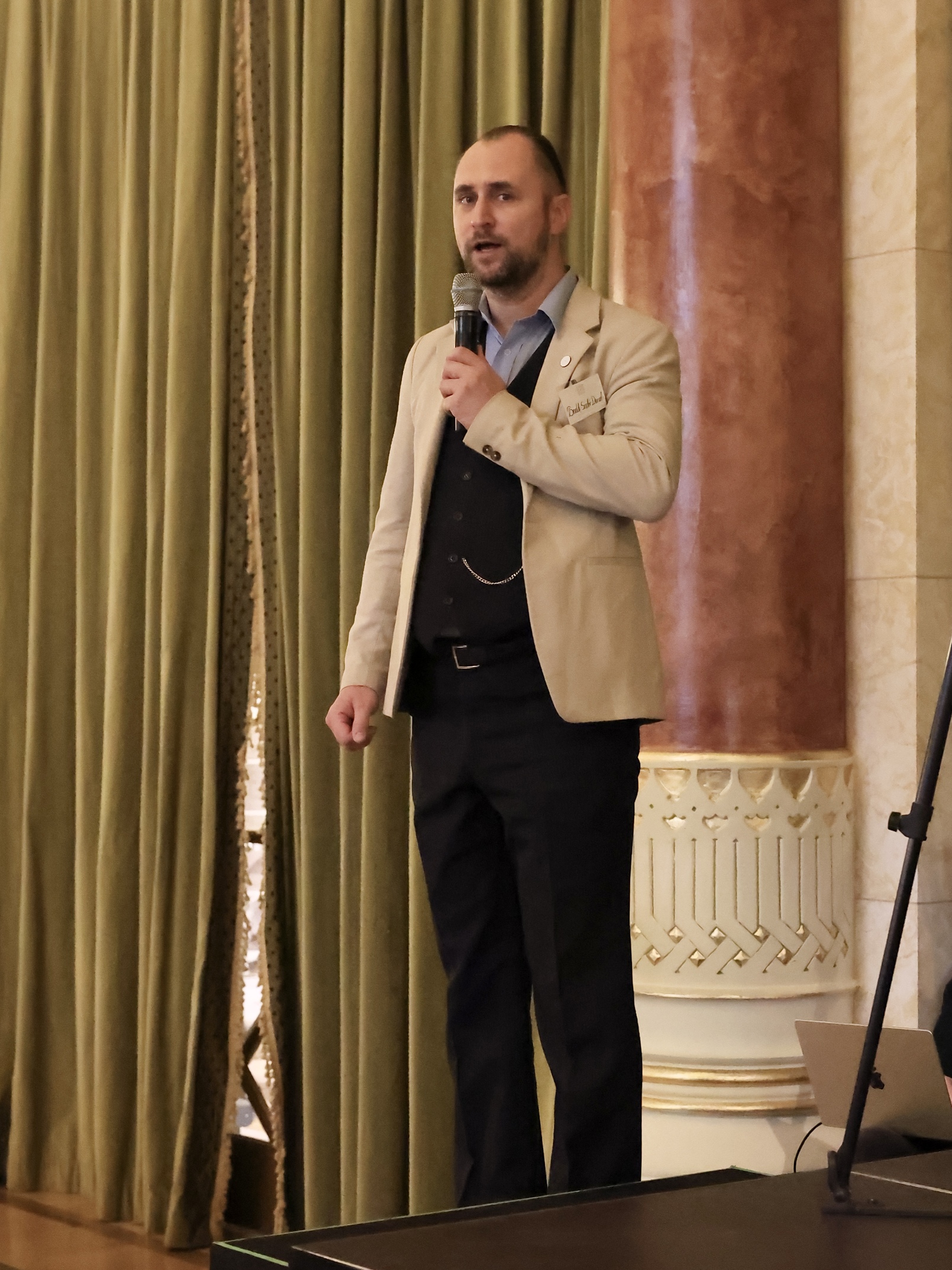
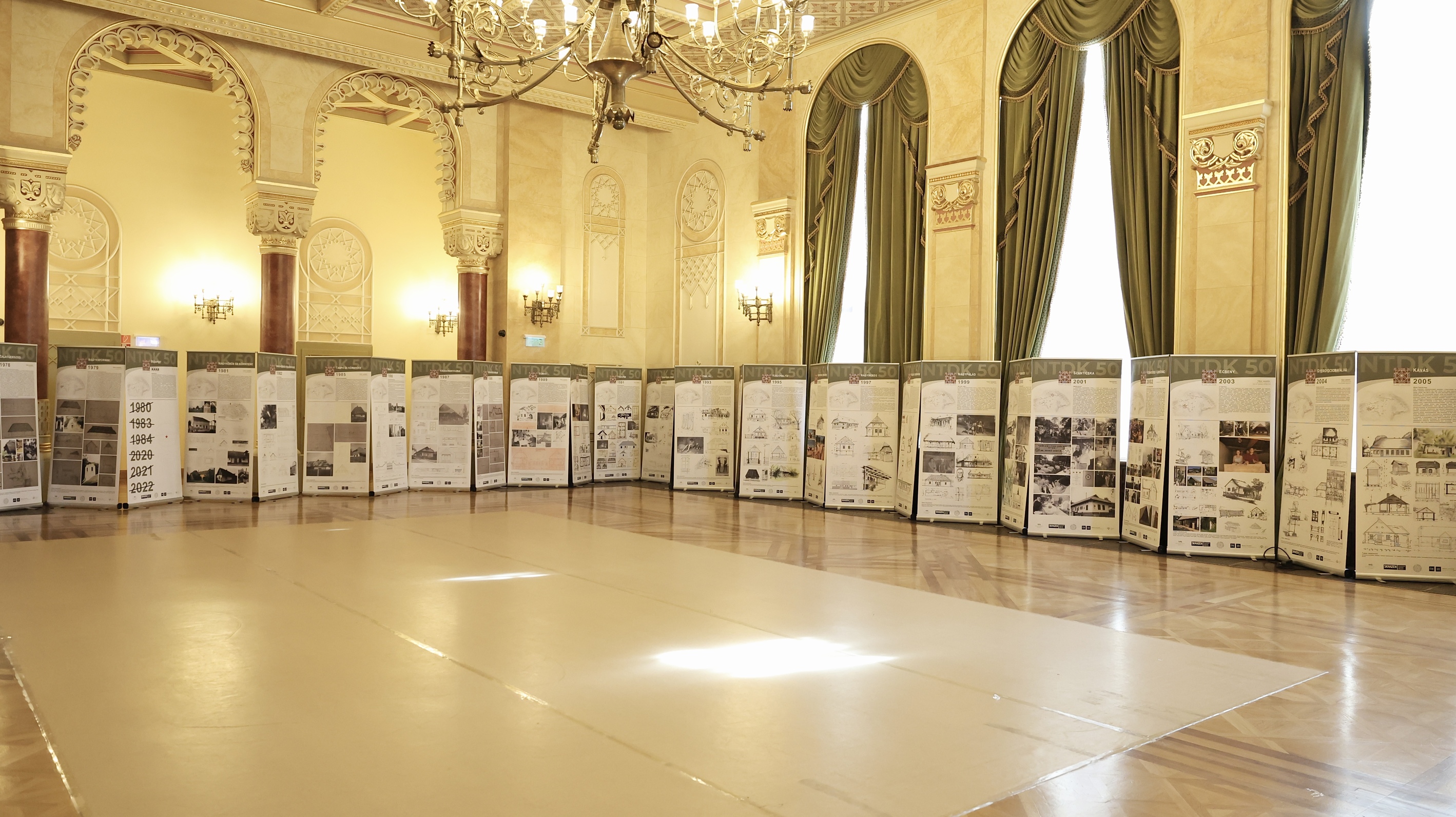
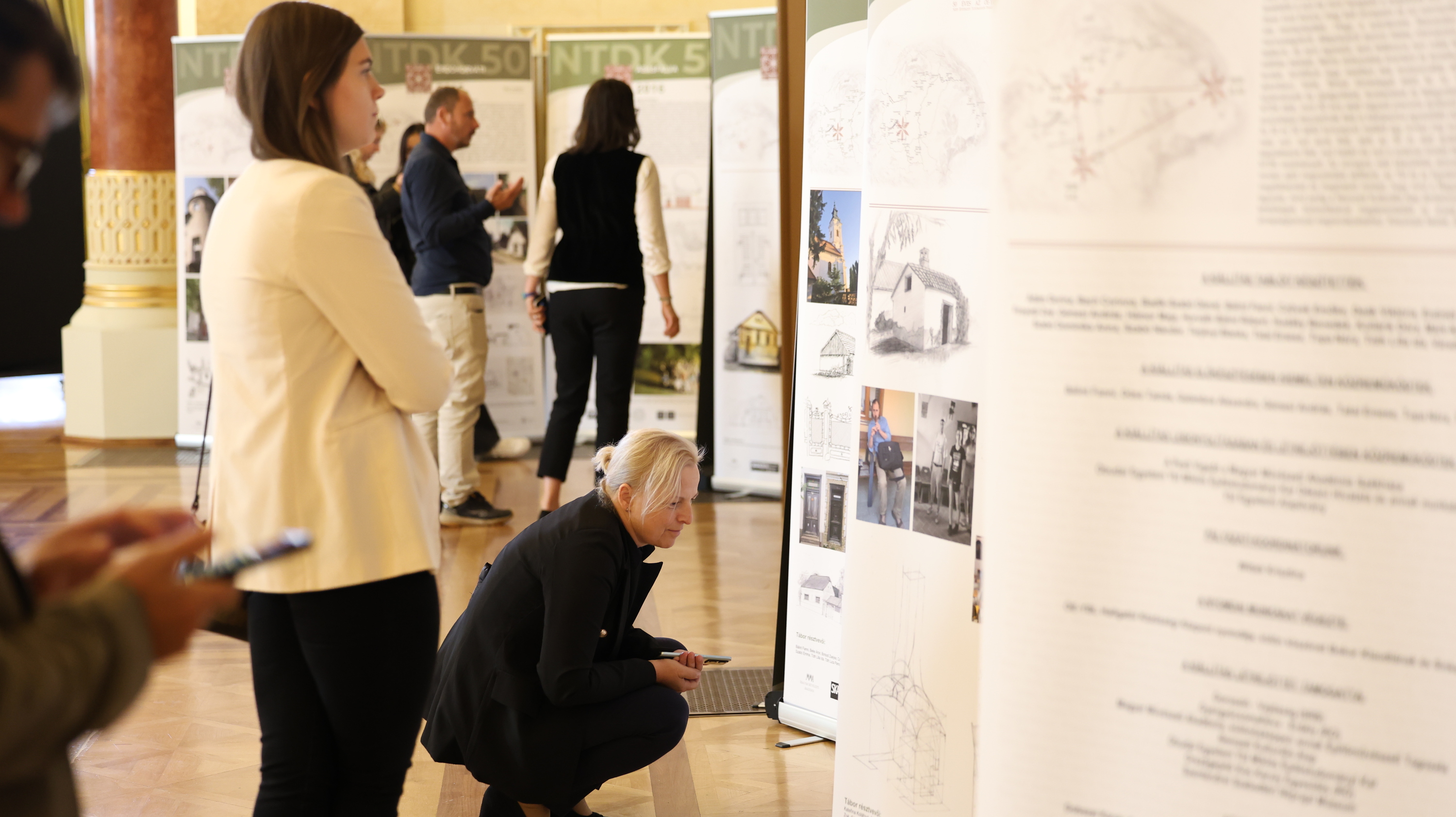
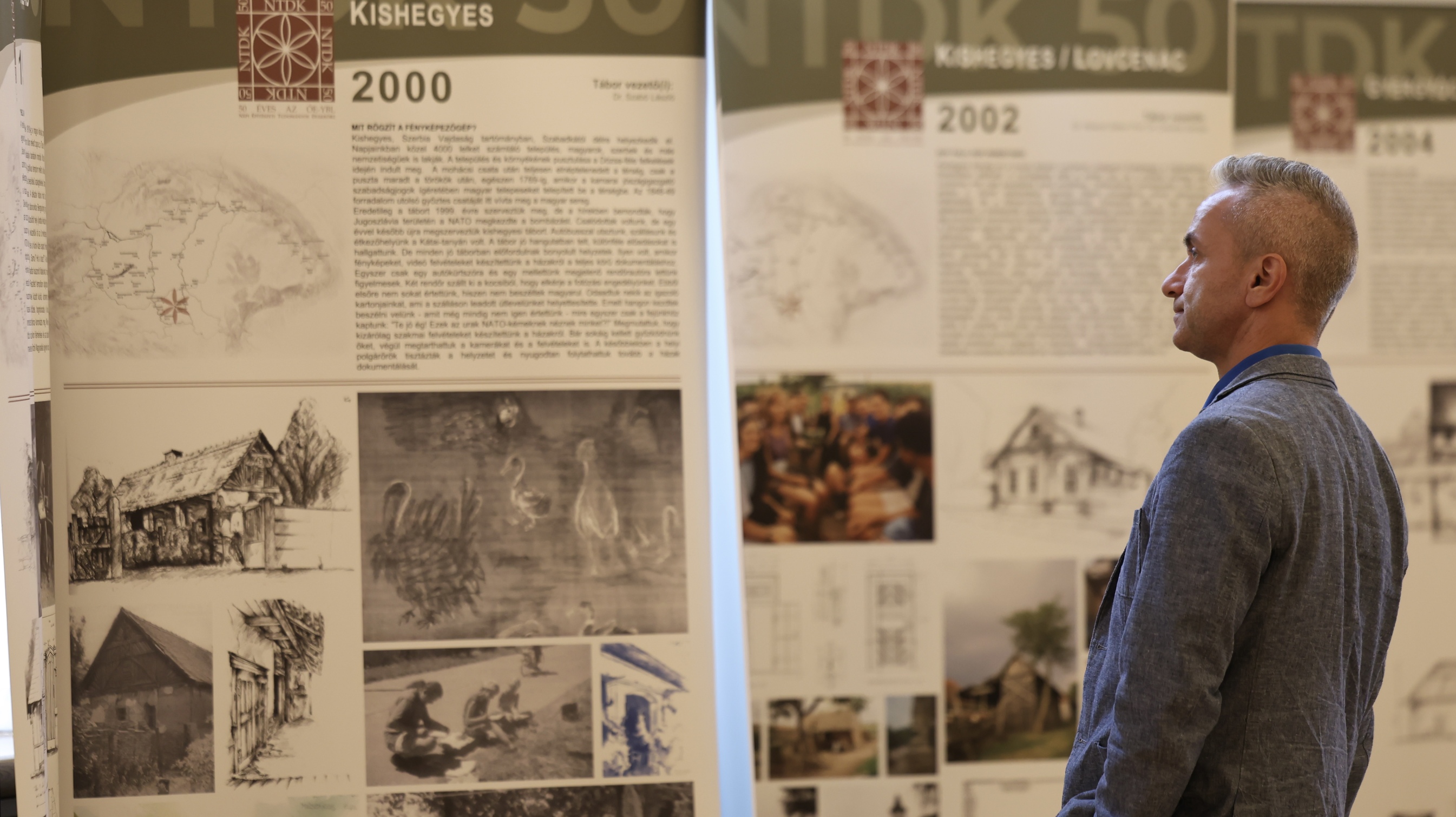
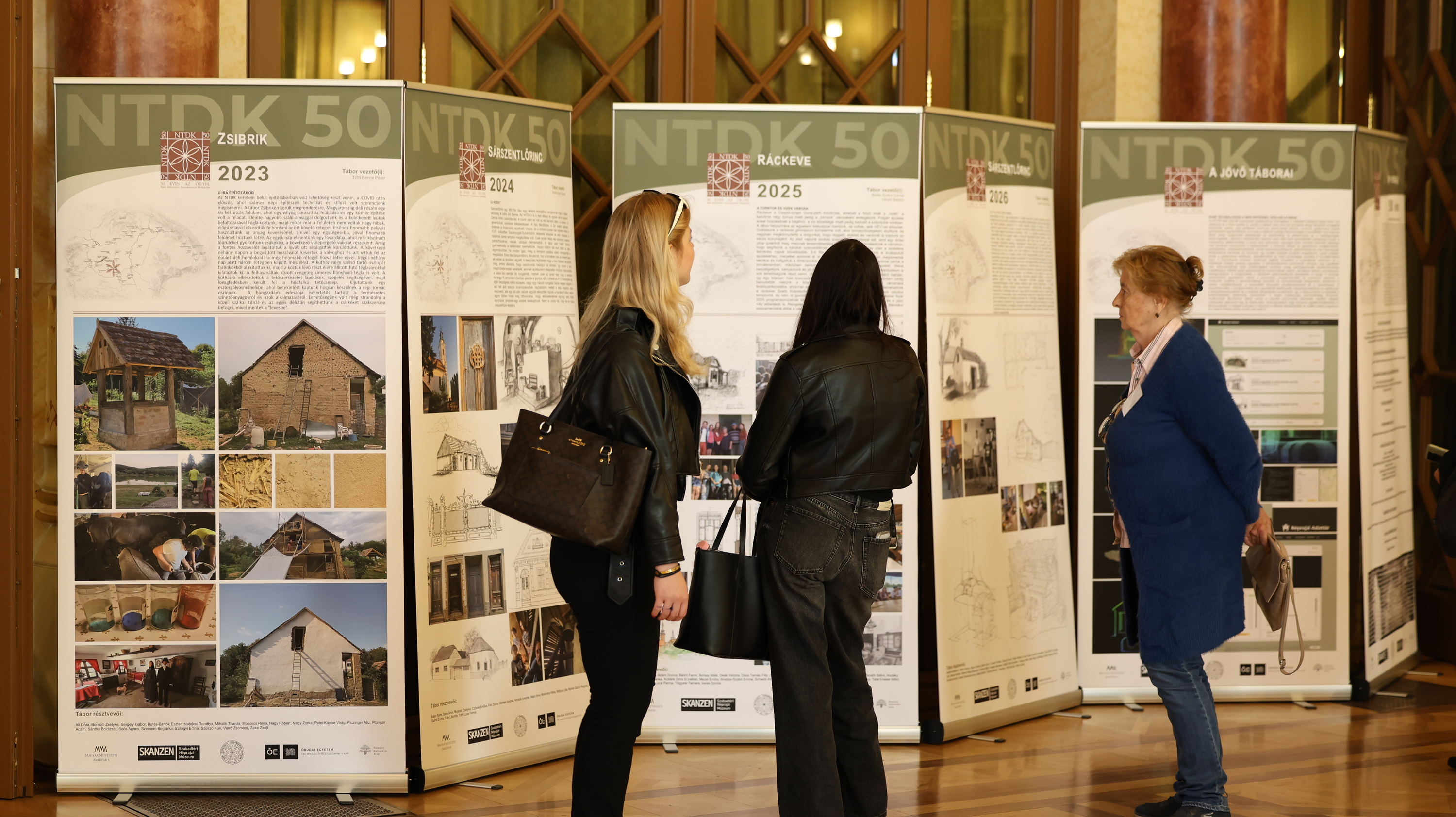
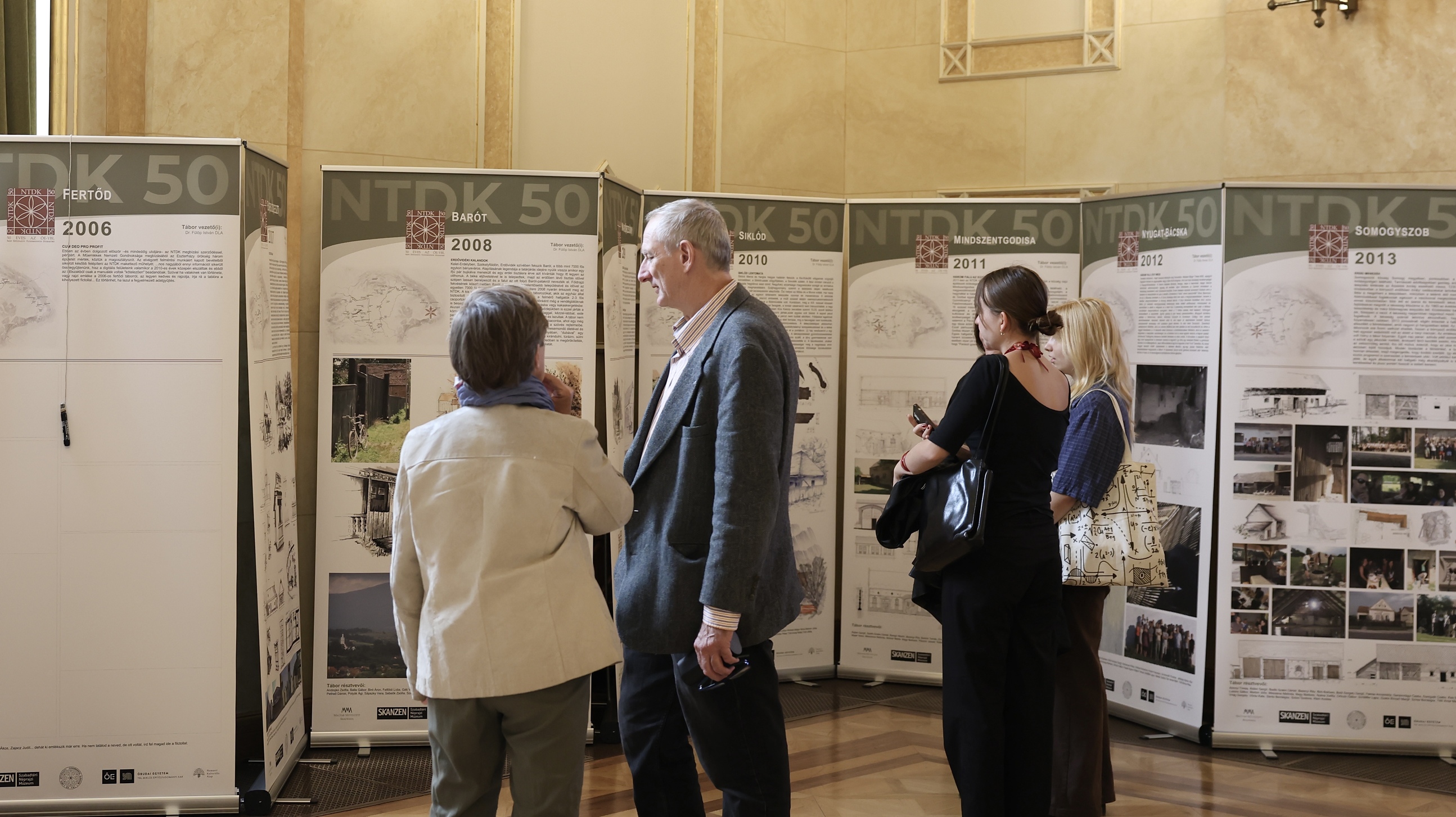
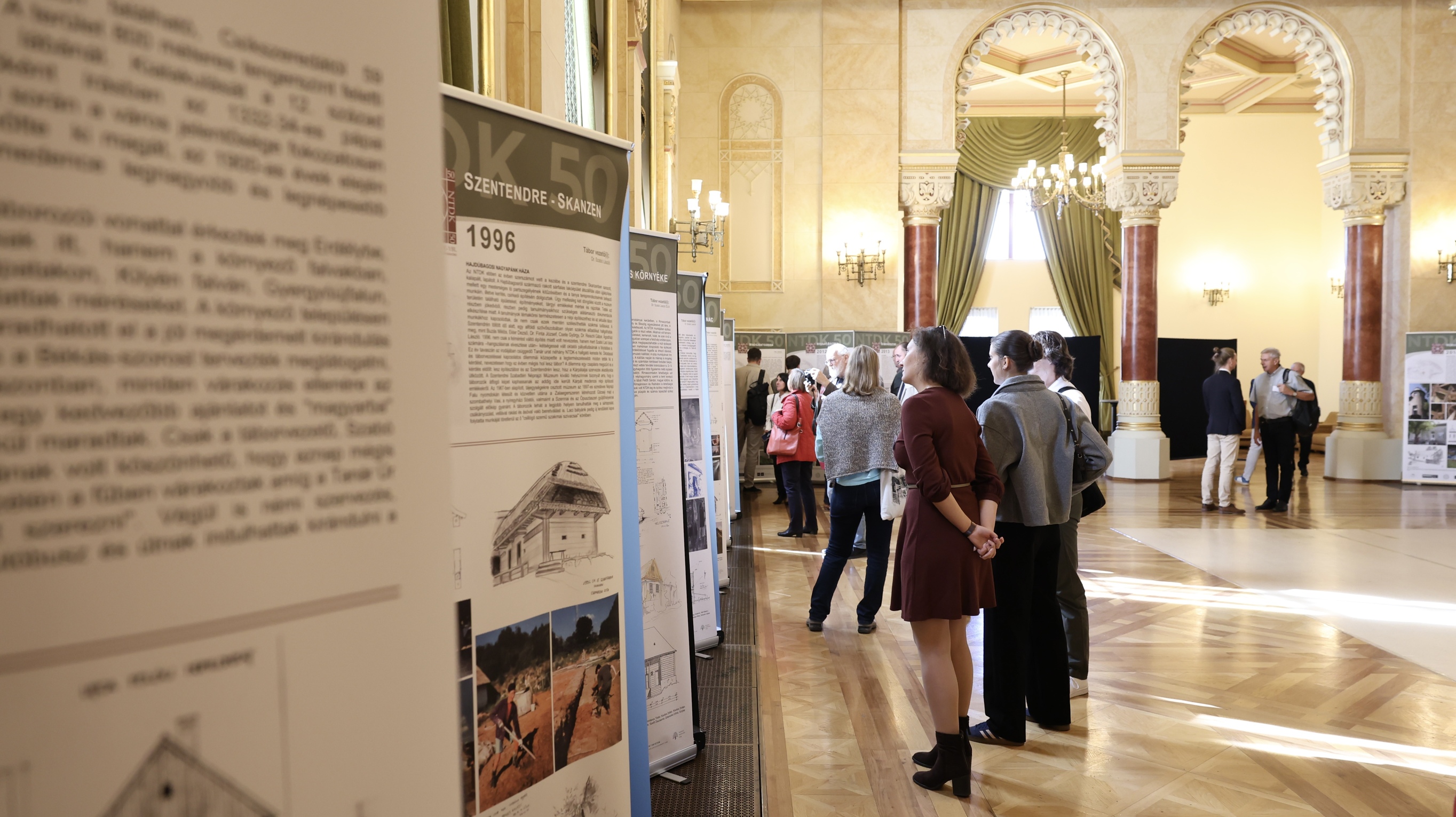
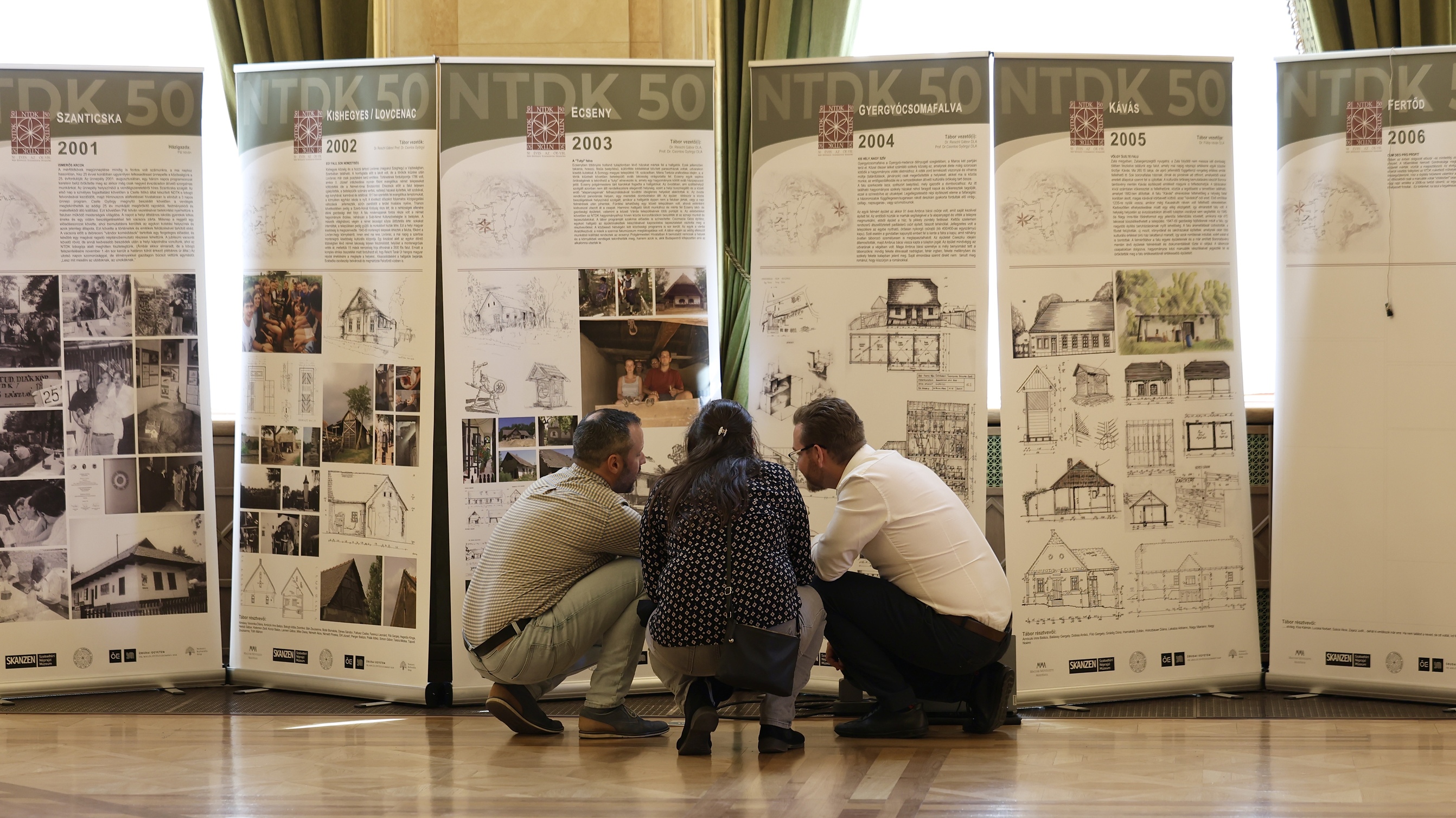
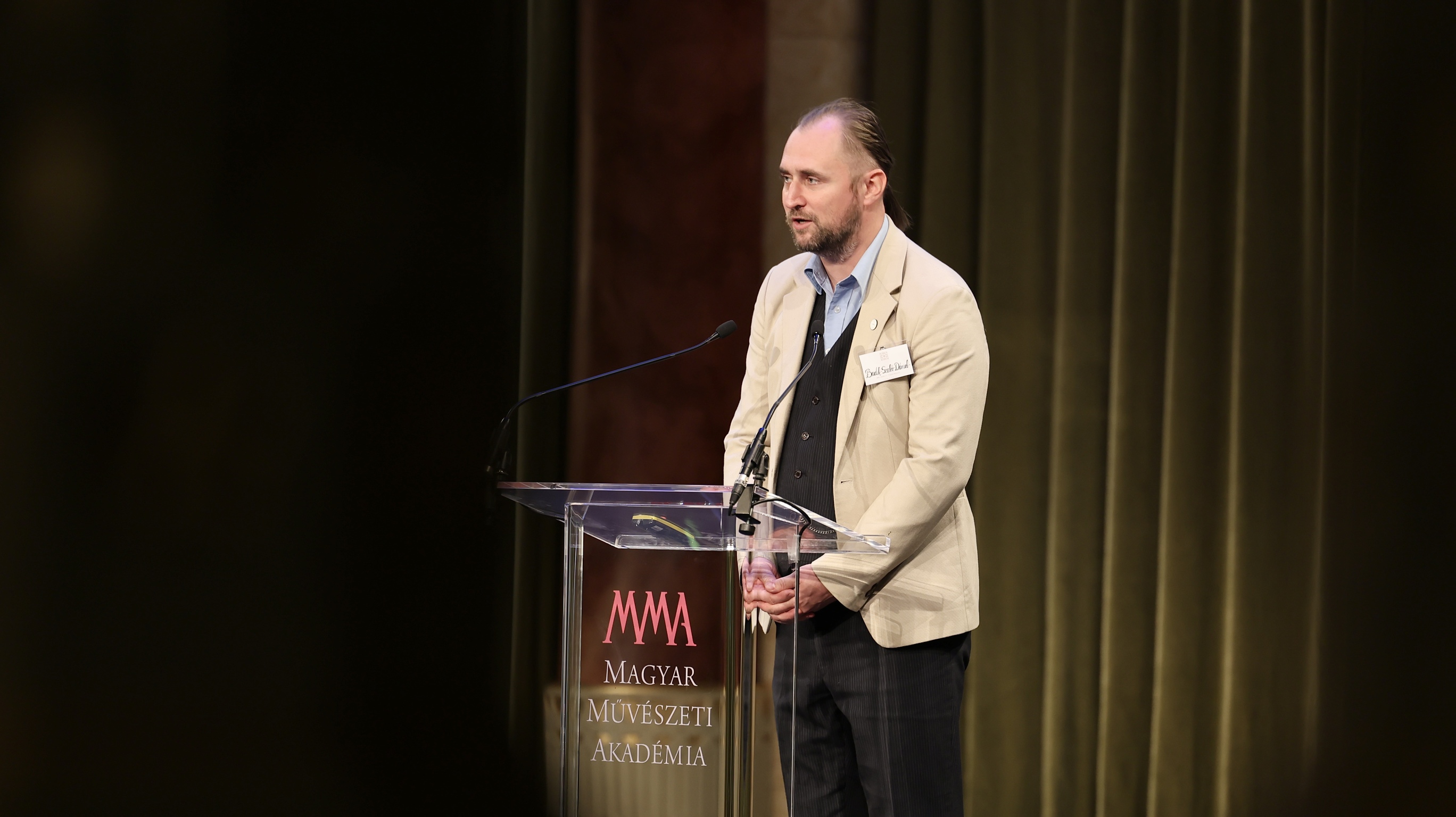
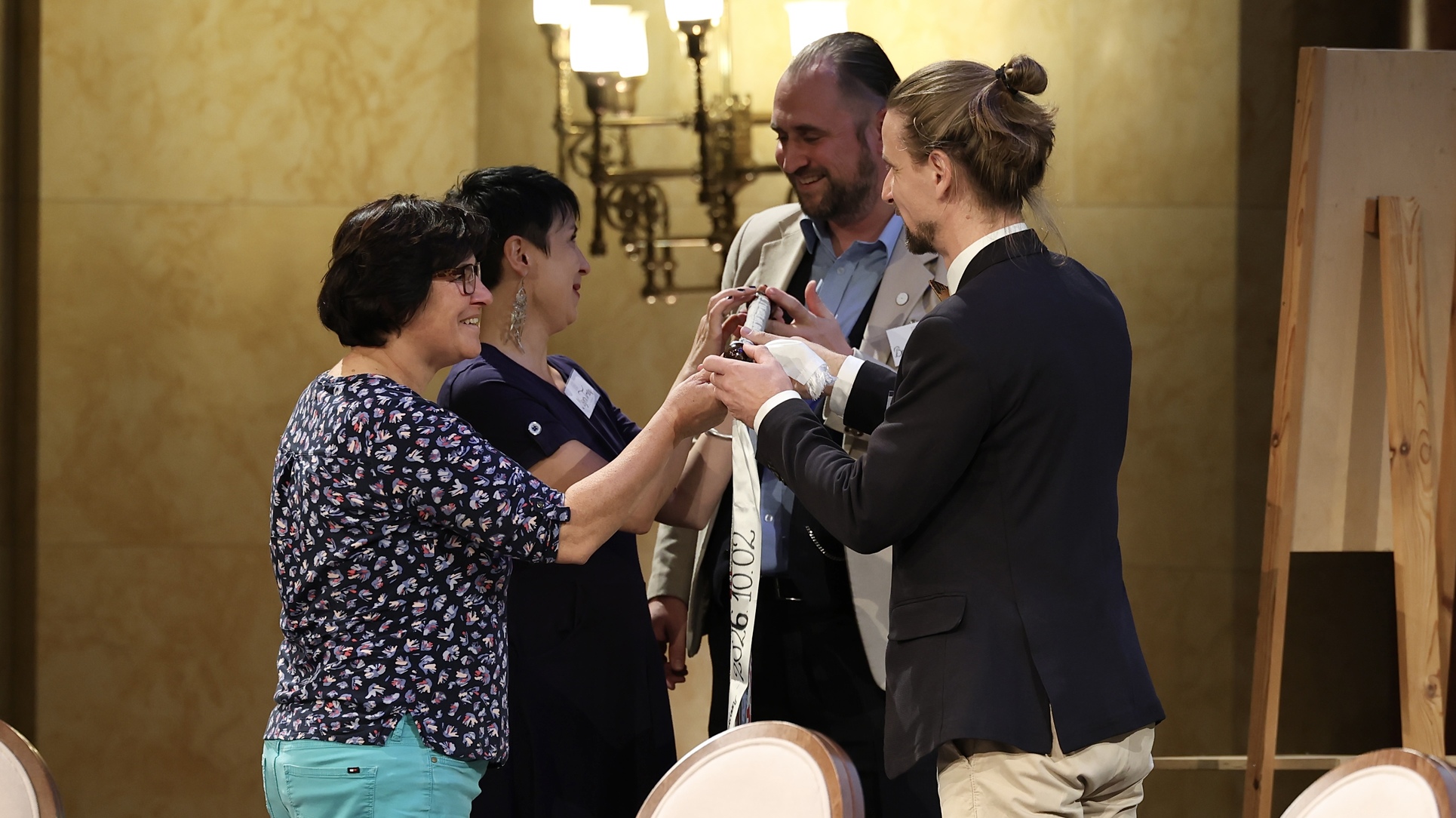
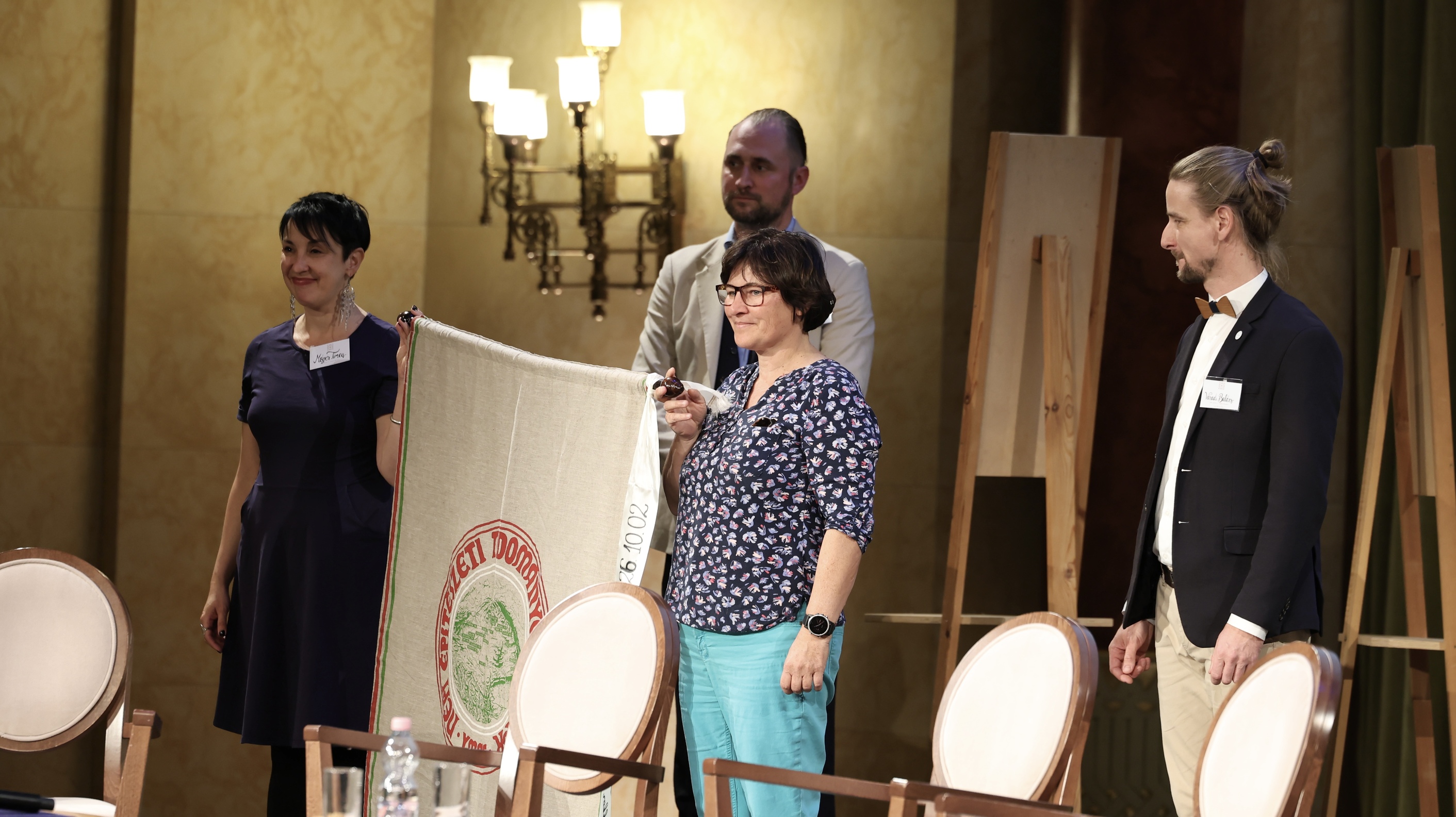
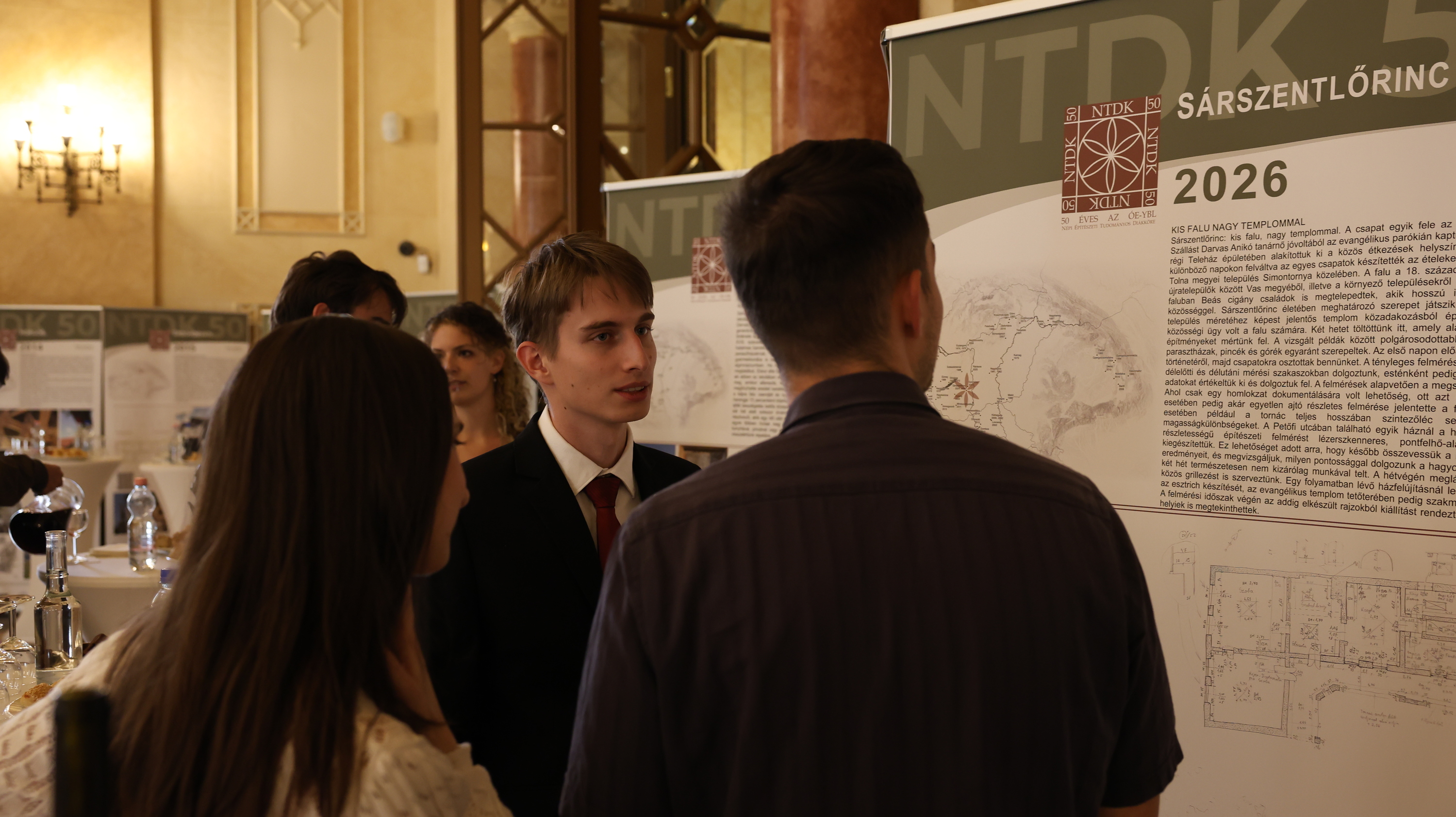
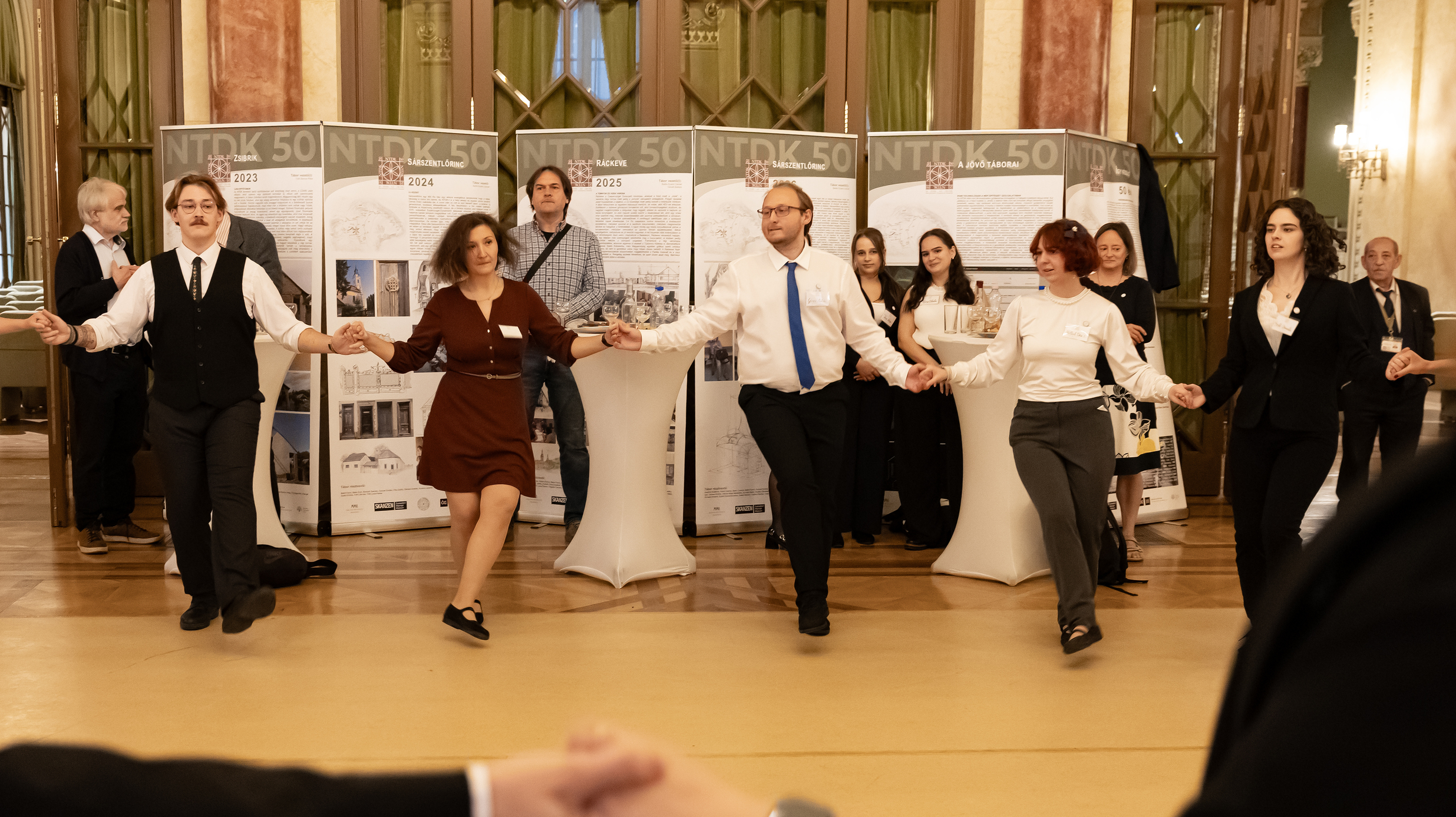
Dániel Badik-Szabó, the other leader of the NTDK, inaugurated the traveling exhibition called ‘NTDK50’. Consisting of 50 panels, the exhibition showcased the history of the past fifty years through the story of the construction camps, highlighting their locations, participants, and projects.
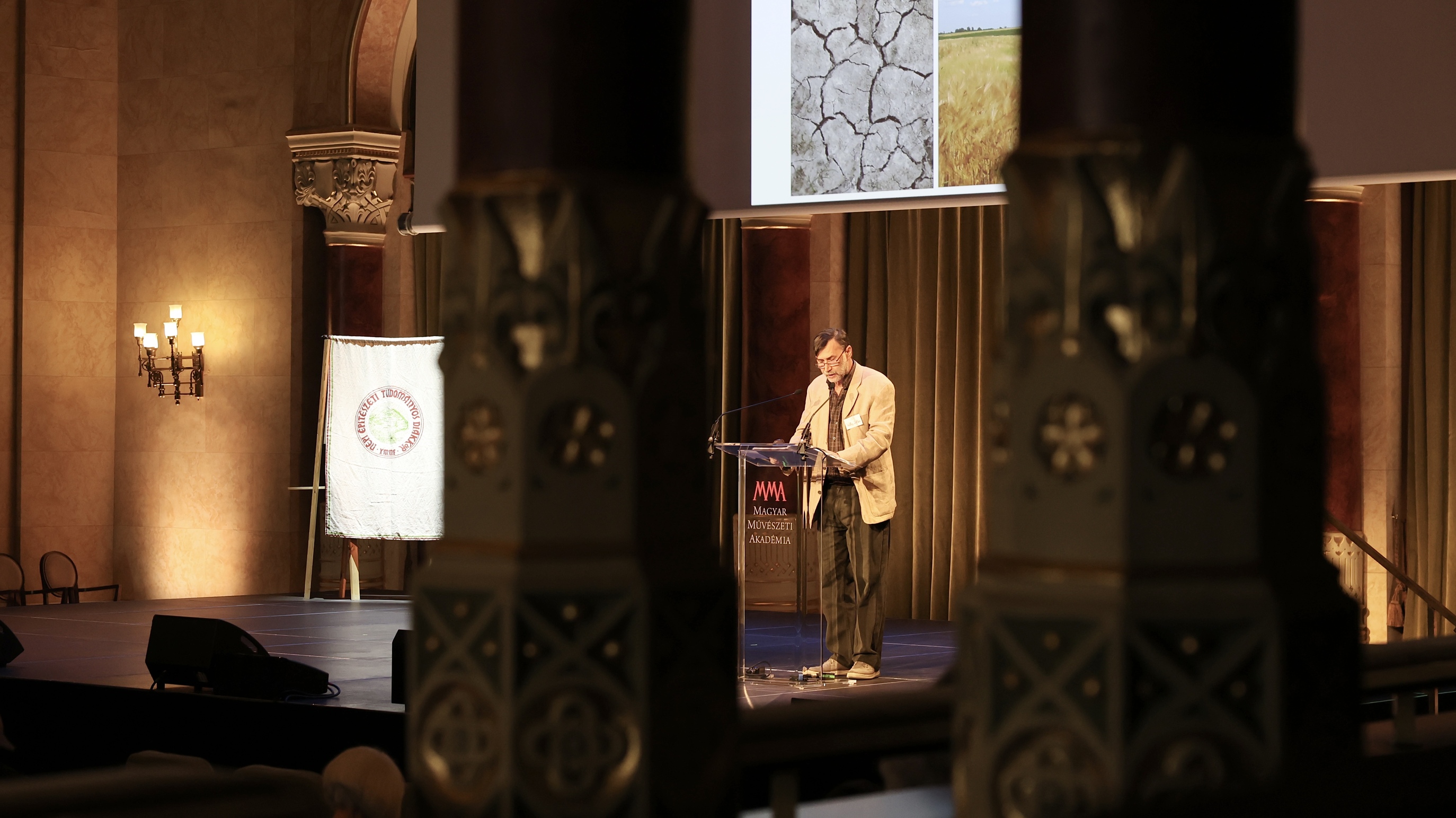
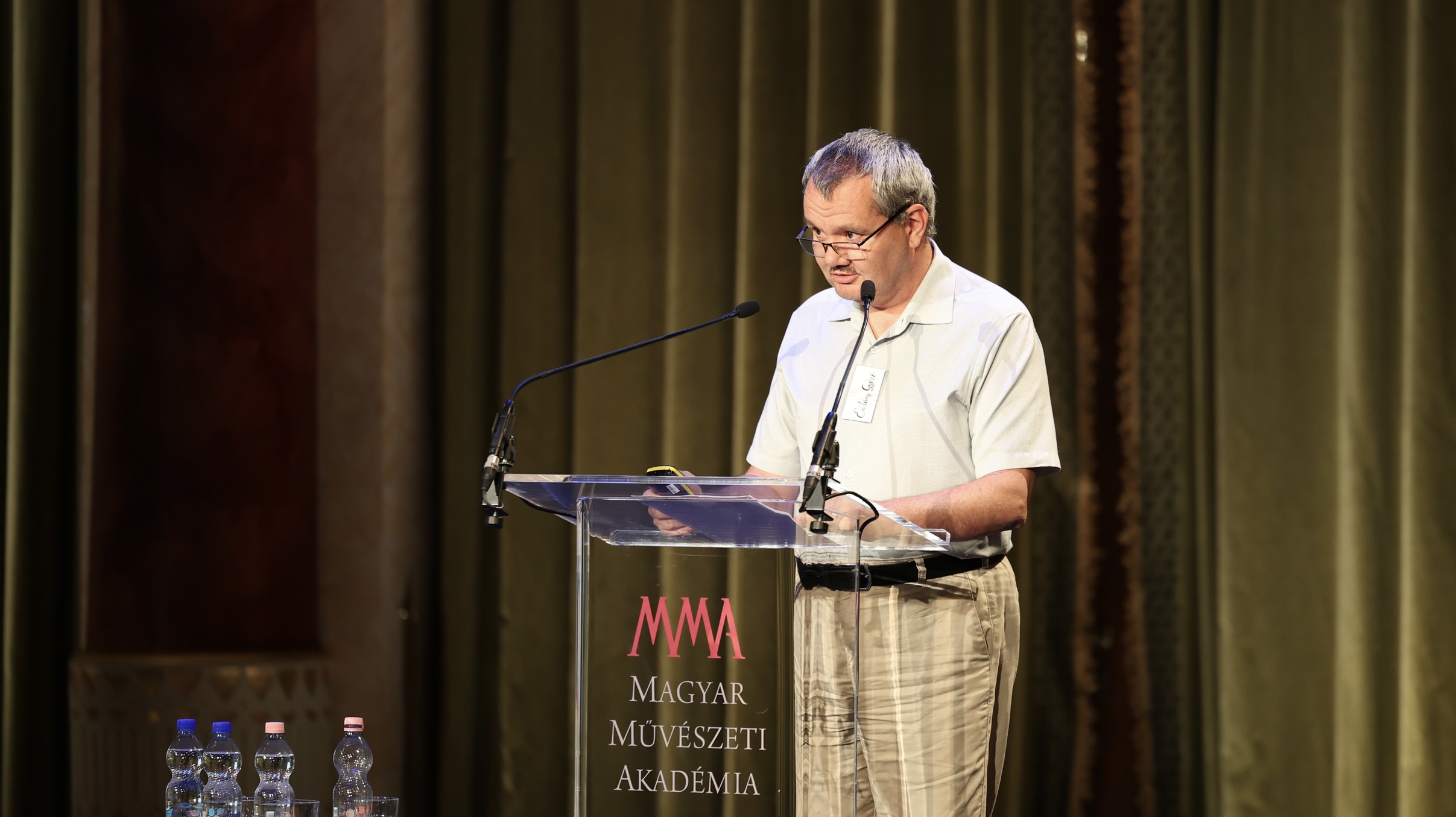
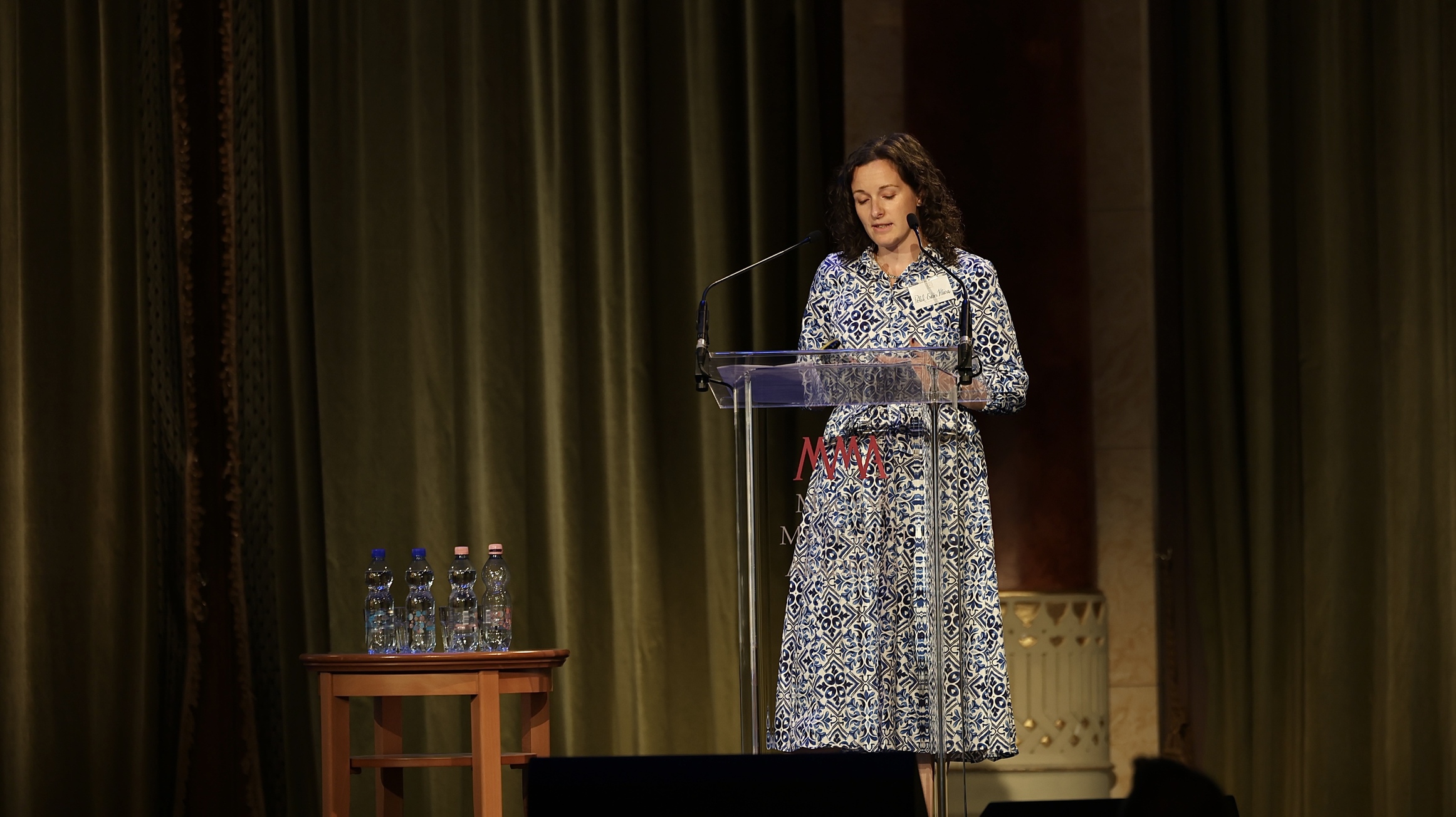
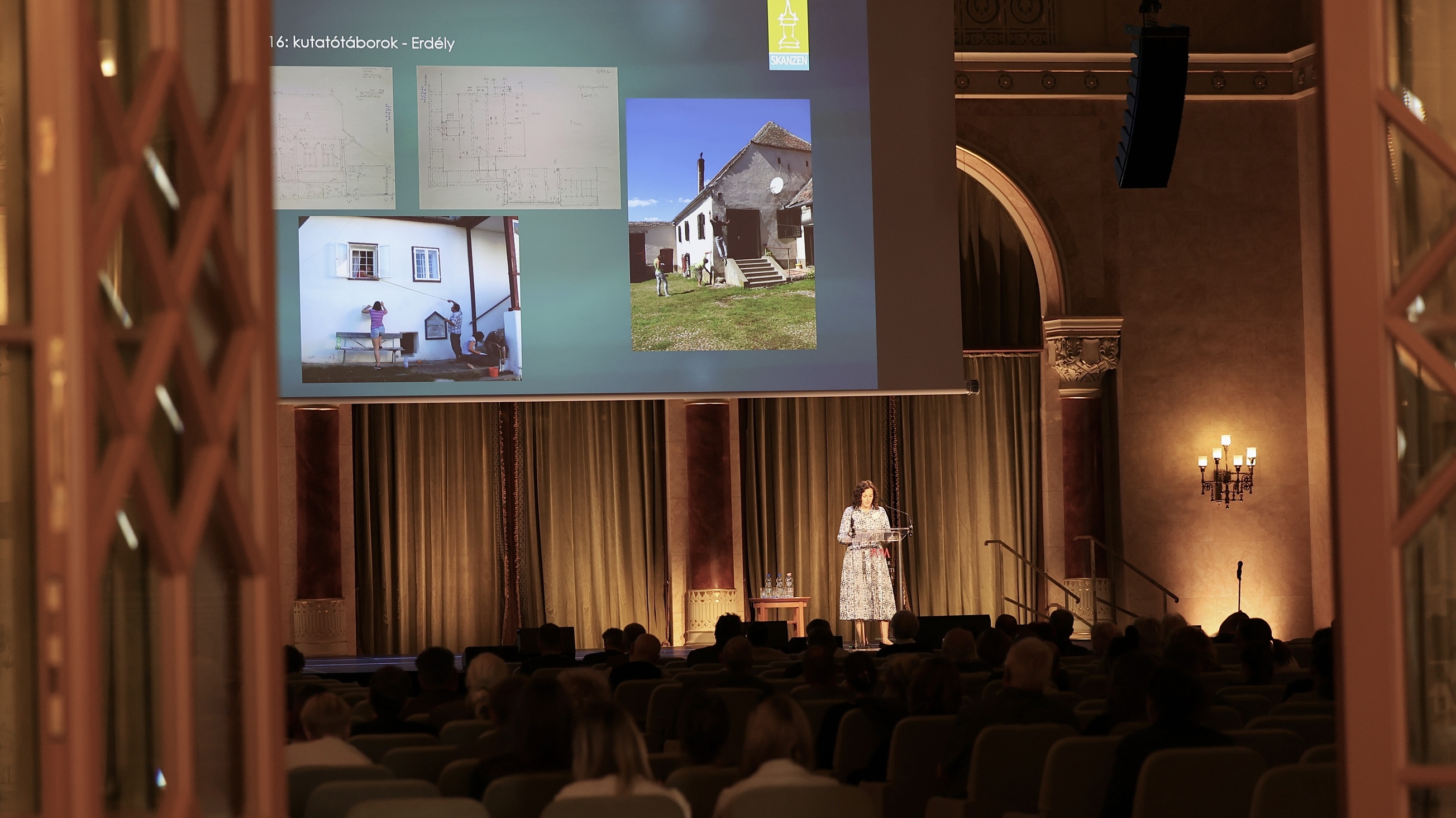
During the morning session, András Jánosi, folk musician and member of the Folk Art Section of the Hungarian Academy of Arts, discussed the historical background and global influence of the Táncház movement in a talk titled ‘Folk Movements in the 1970s’. Participants then listened to a lecture by Zoltán Valkay from the Subotica Regional Centre of the Serbian Chamber of Engineers on ‘Reflections on the Forgotten Lessons of Great Plain Architecture’. This was followed by Győző Esztány from the Károly Kós Association for Nation-Building, who spoke about the Transylvanian survey camps and efforts to preserve village character. Lastly, Klára Polák-Erdős from the Szentendre Open-Air Ethnographic Museum shared insights into the collaboration between the NTDK and the museum.
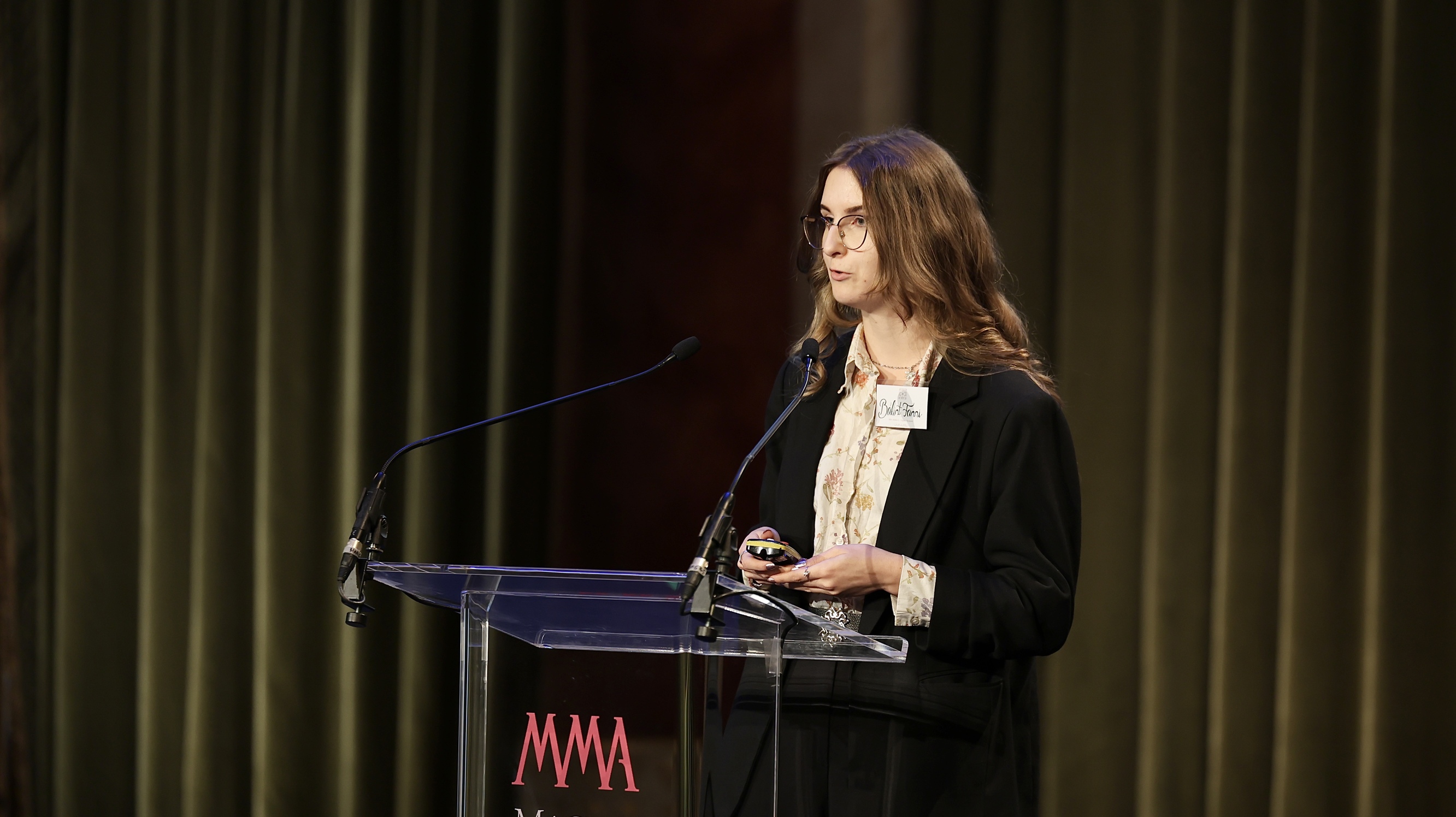
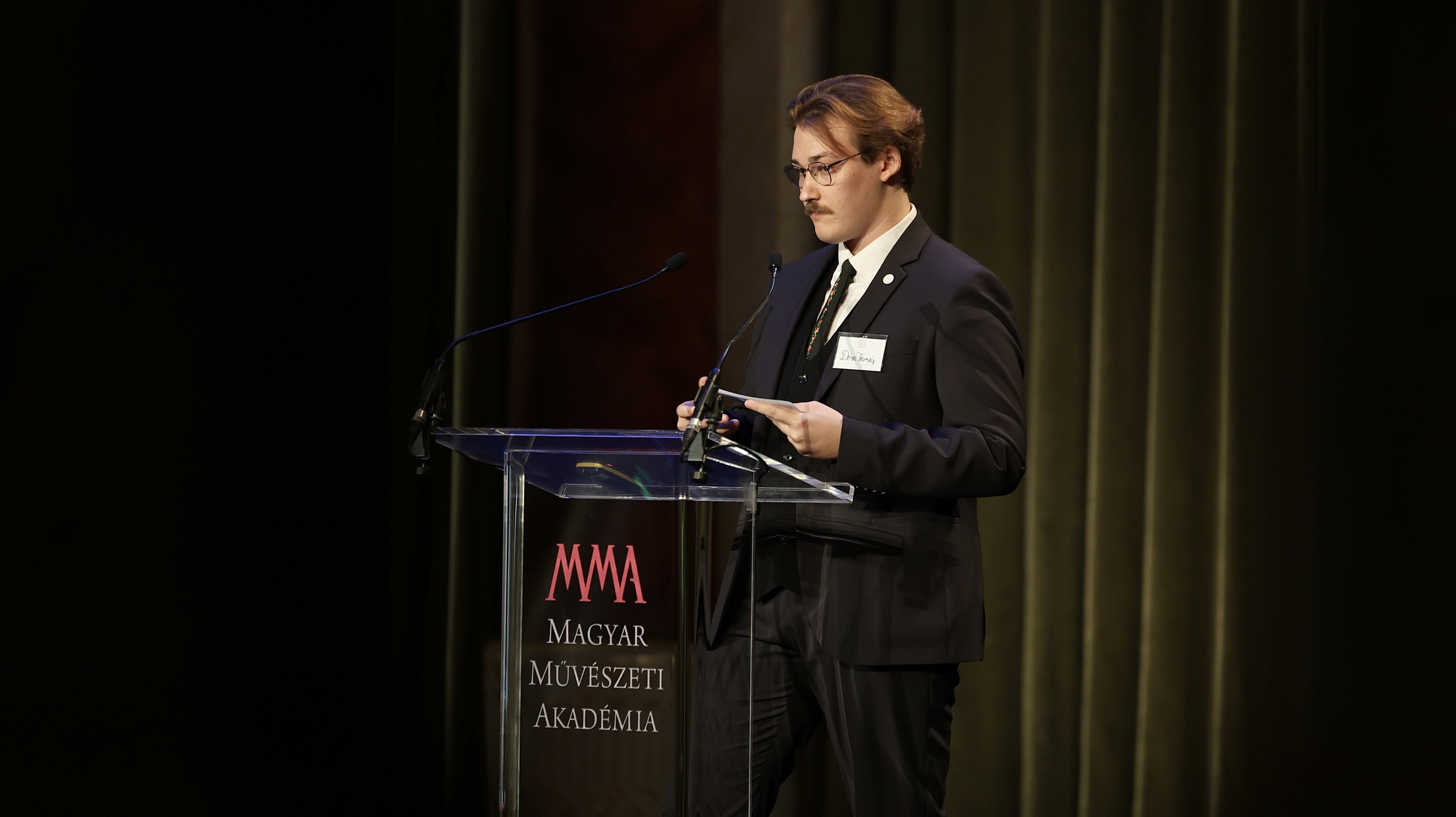
In the afternoon session, current NTDK students showcased their work. Fanni Bálint discussed her research on ‘Creating a searchable database for the NTDK,’ while Tamás Dósa presented on ‘NTDK + HBIM – digital survey methods in folk architecture.’ The session wrapped up with László Kuli's presentation titled ‘Time Gate with Dovecot.’
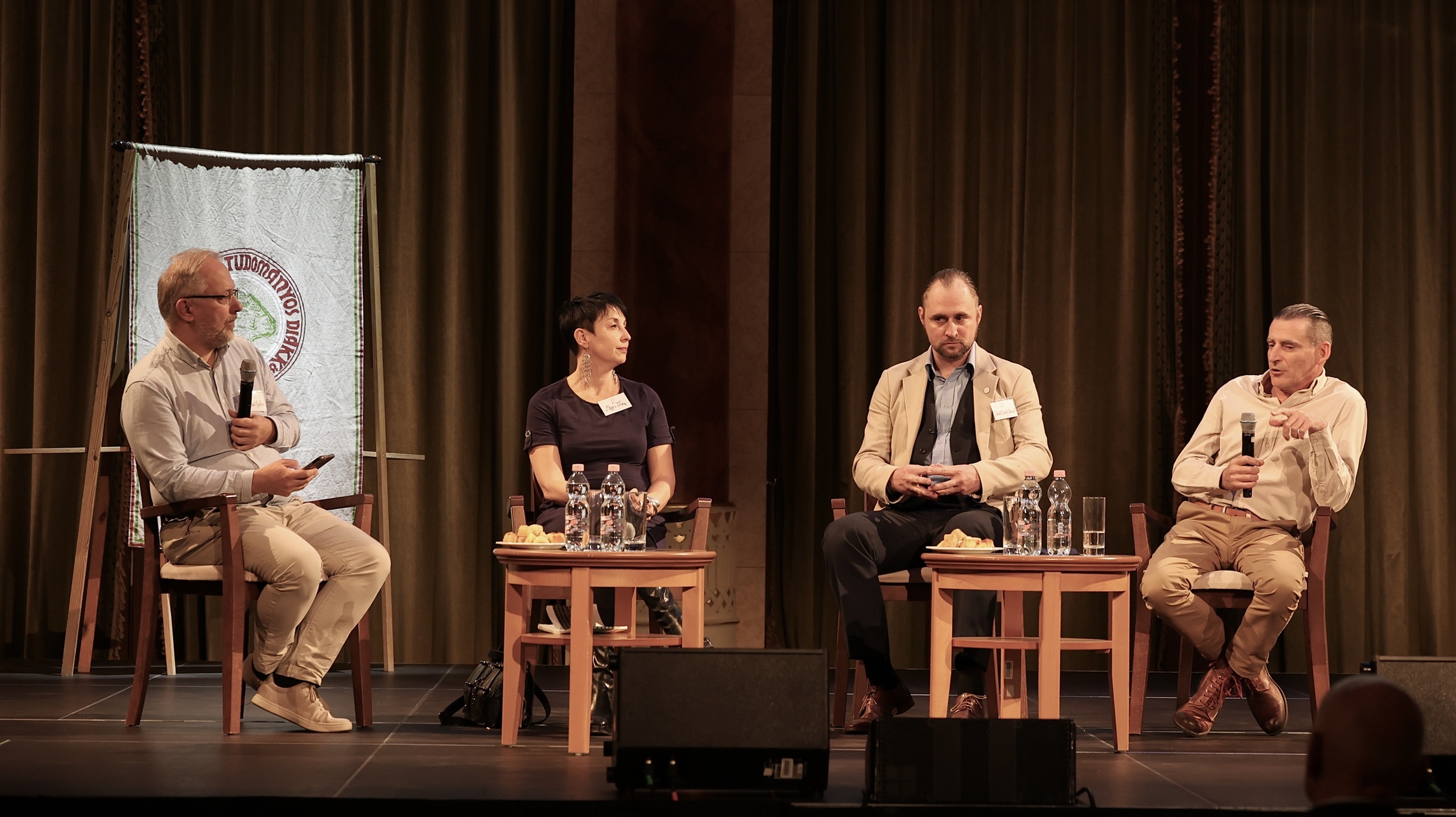
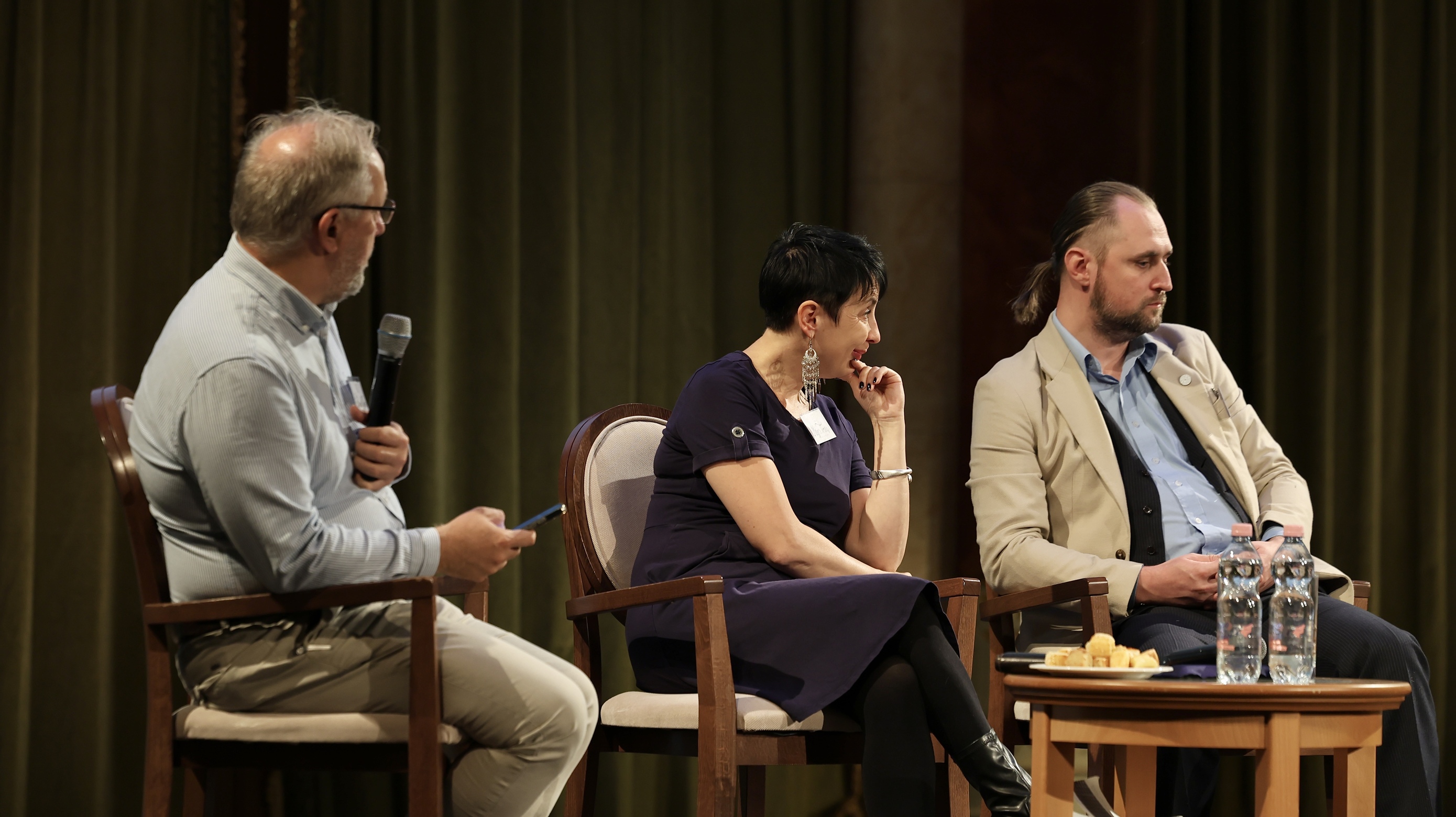
After the professional programme, there was a panel discussion centered on utilizing the values of folk architecture and exploring ways to preserve our settlements, building culture, and communities.
Gábor Erhardt, an architect distinguished by the Miklós Ybl and Pro Architectura awards, led the discussion. He is a member of the Károly Kós Association and teaches at our Faculty as well as at Budapest University of Technology and Economics.
He was accompanied by Tímea Móger, a poet, writer, journalist, contributor to Hungarian Radio in Subotica, and organiser of the 2012 NTDK camp in Doroszló, Western Bačka; Dániel Badik-Szabó; and Dr. István Fülöp DLA, a former NTDK student who led the organisation from 2005 to 2020. (He was the one who introduced regular building camps into the student society’s activities alongside surveys; his doctoral thesis also focuses on fieldwork in architectural education).
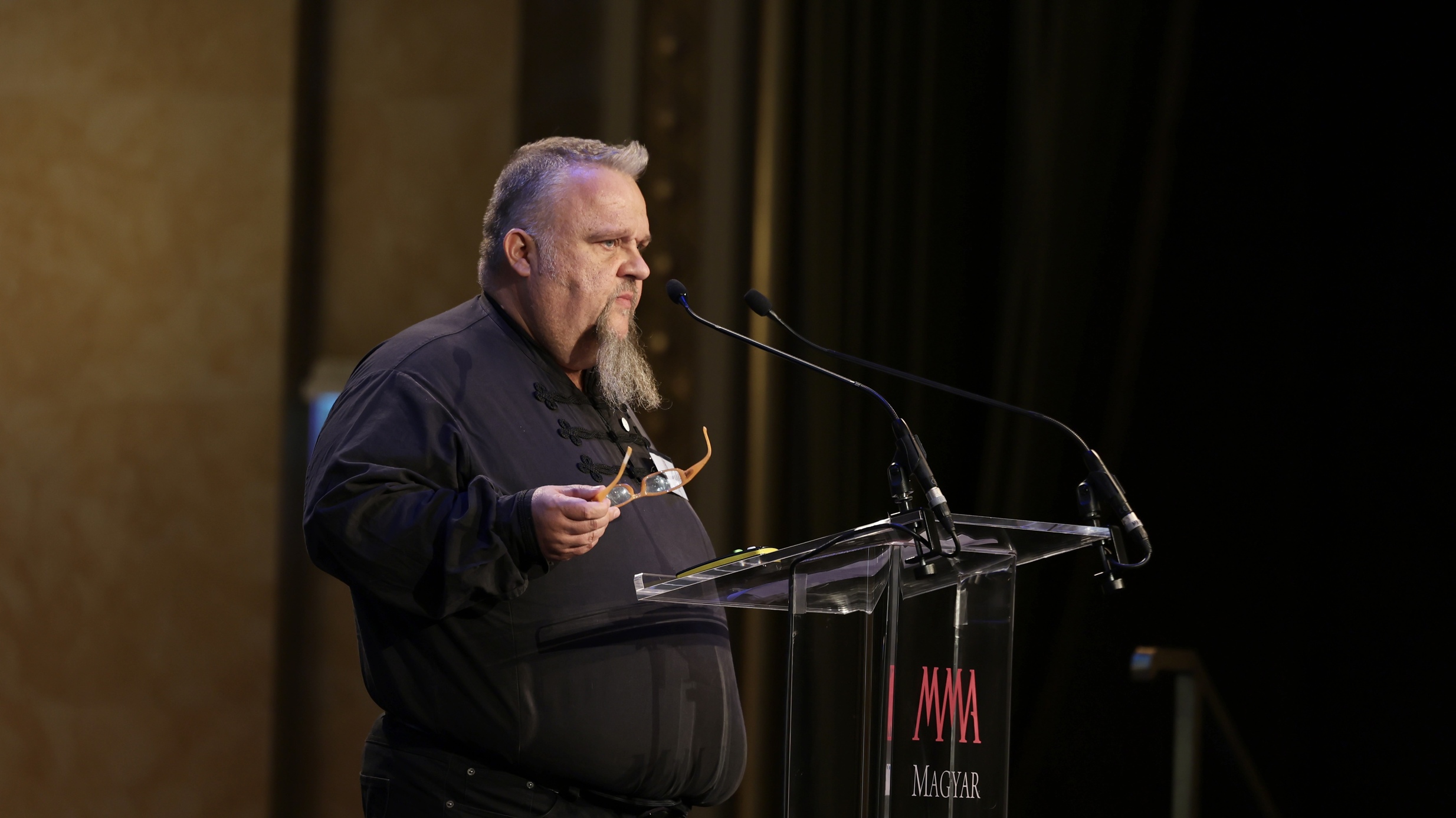
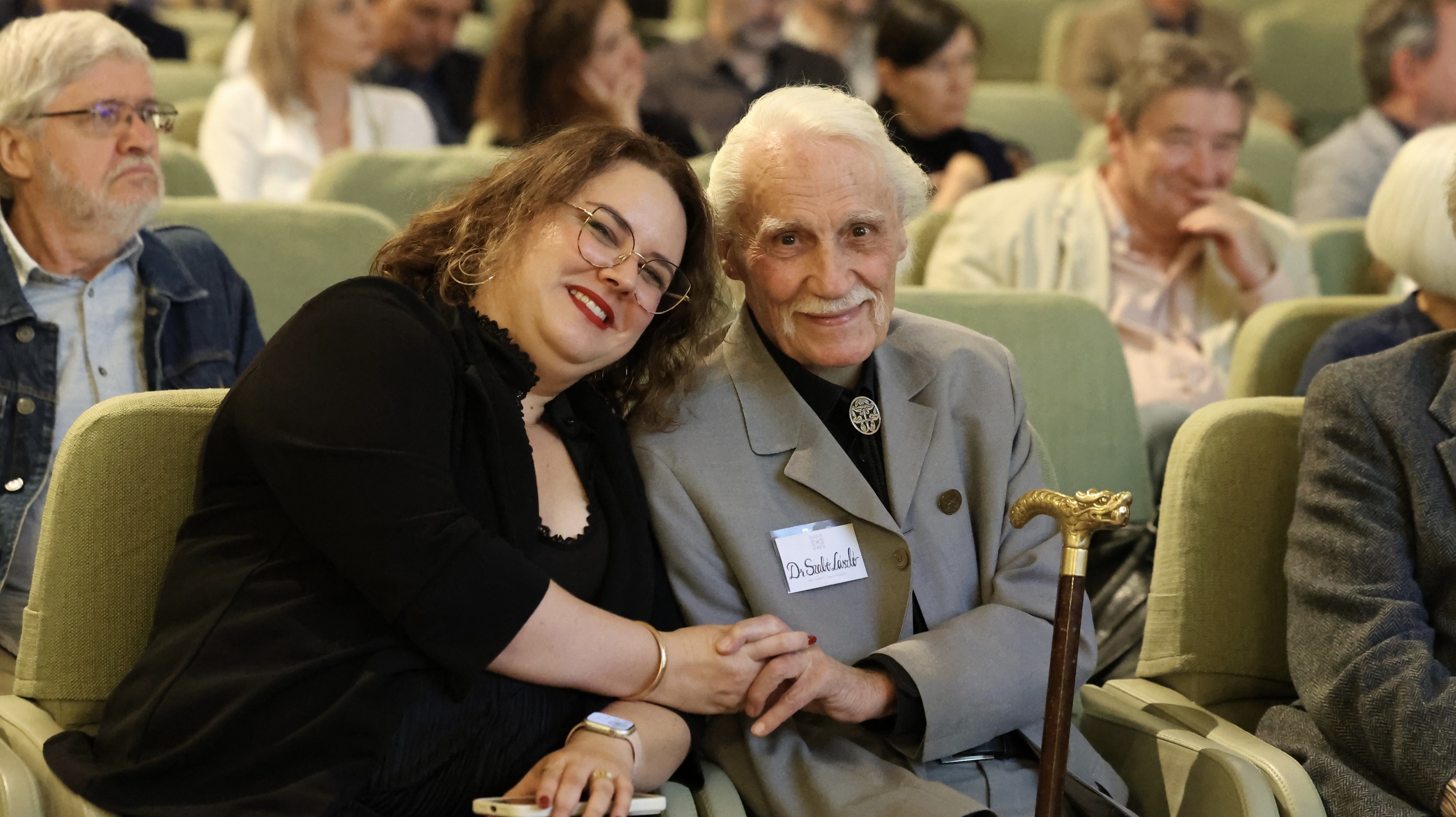
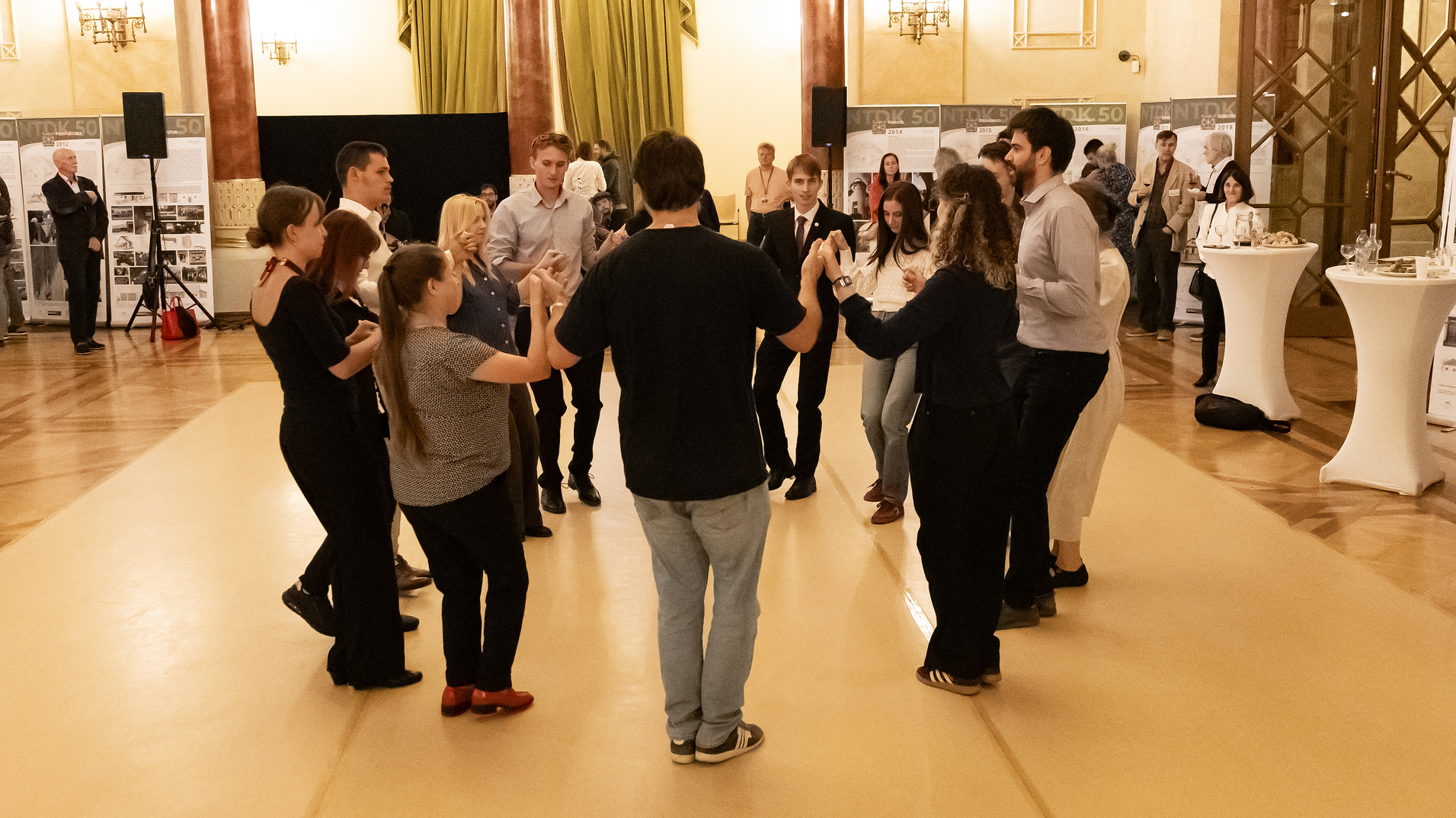
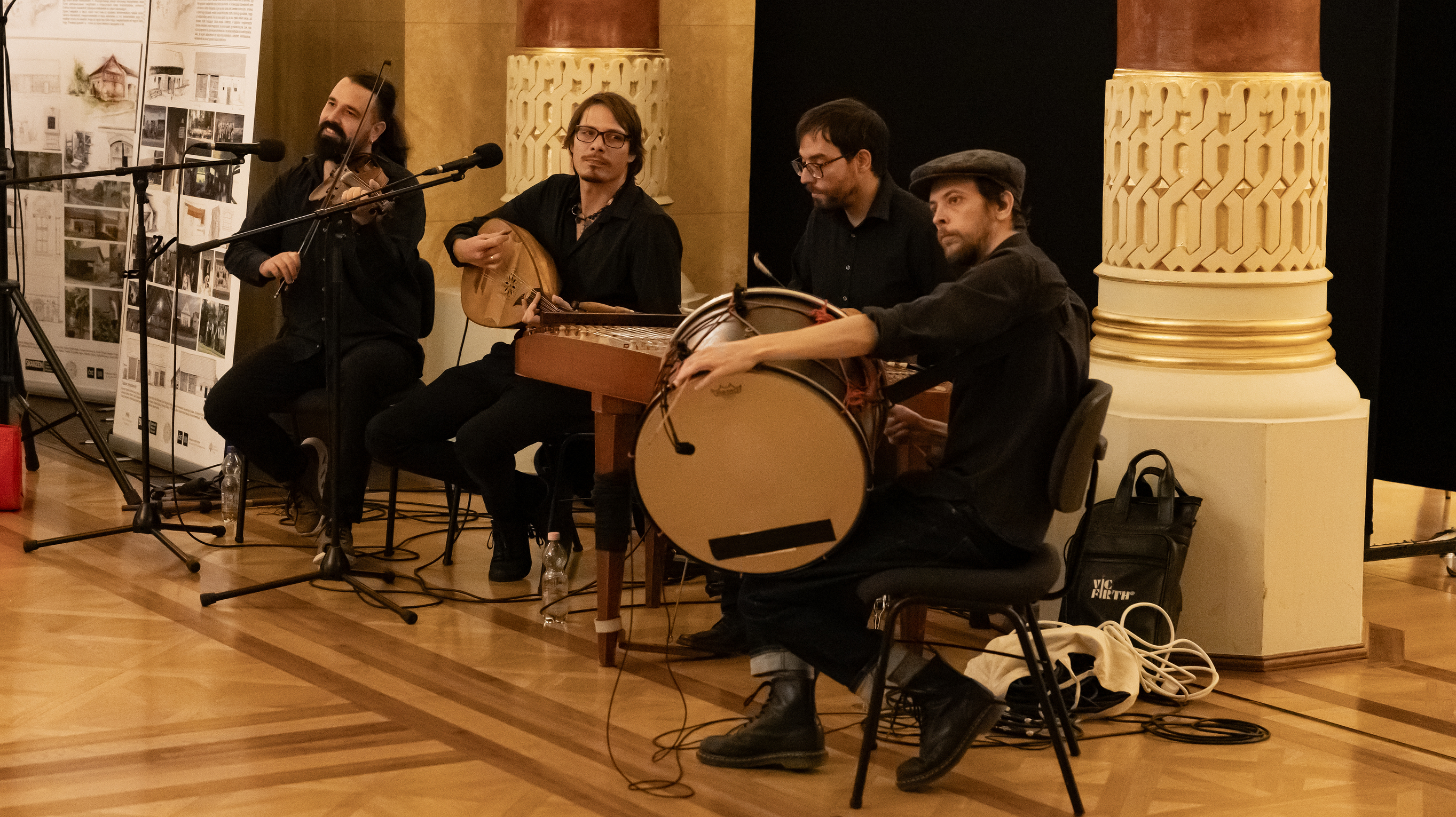
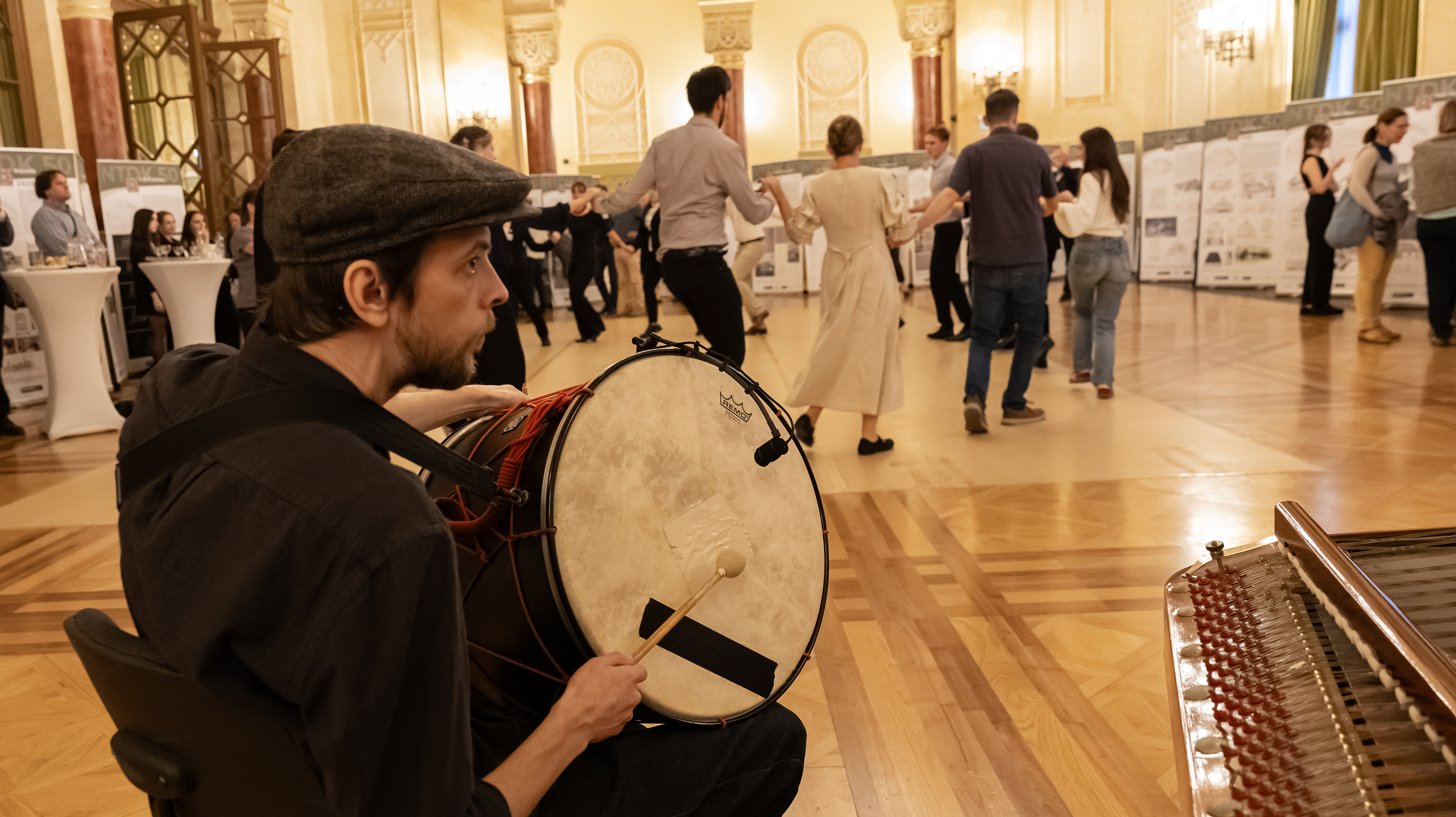
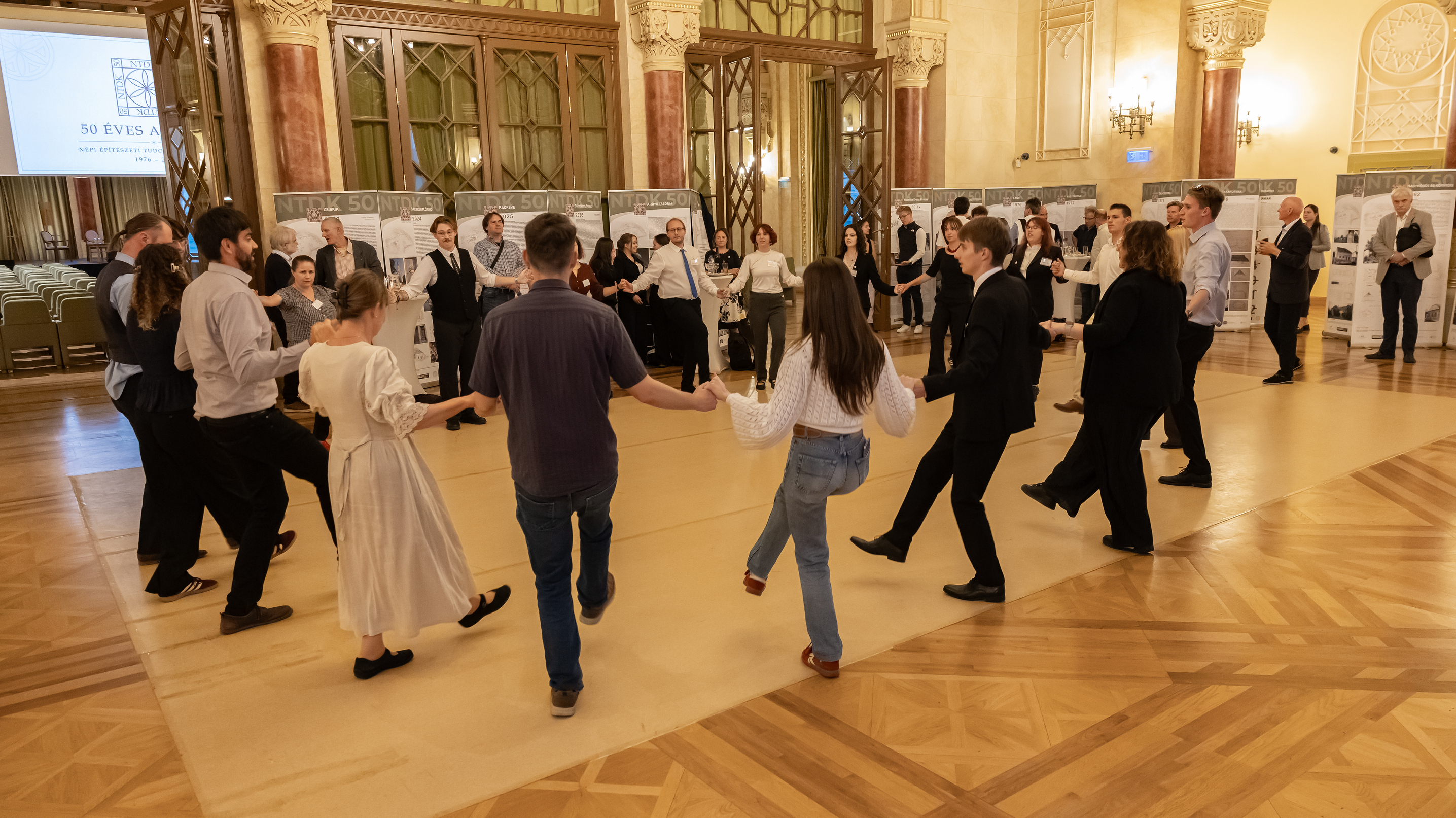
The conference's closing speech was given by Ferenc Salamin, a member of Hungary's Architectural Section of the MMA, and Dr. László Szabó DLA, emeritus professor who, along with two others, founded the NTDK in 1976 and led it until 2001. The anniversary celebrations ended with a dance party, serving as a fitting conclusion to an event that reflected on the past fifty years and looked forward to the future of the NTDK.
Photos: Judit Sárai